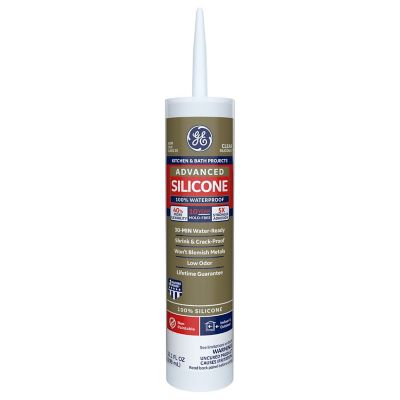
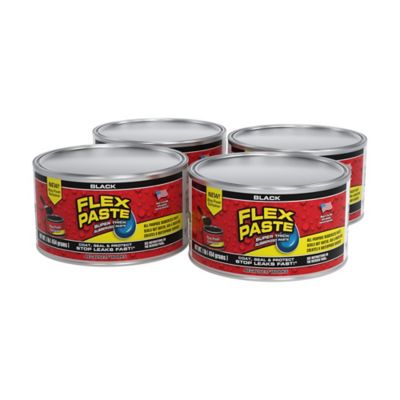
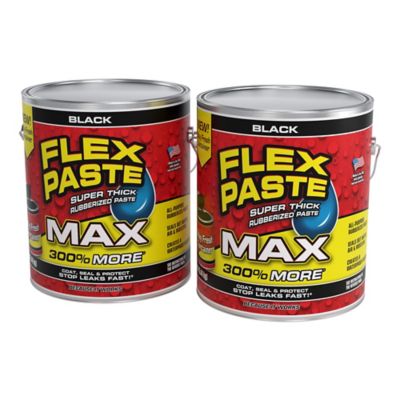
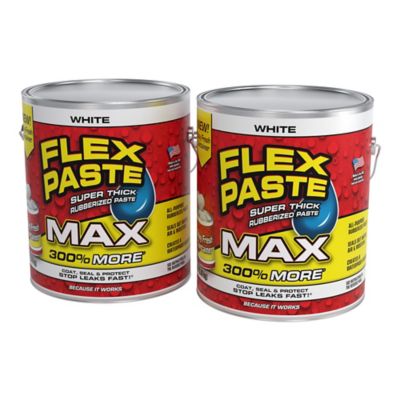
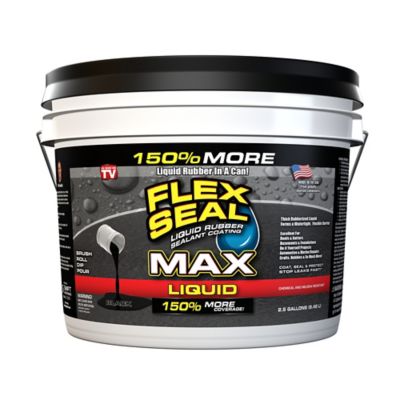
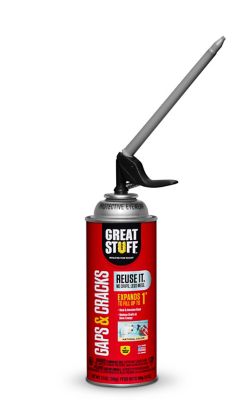
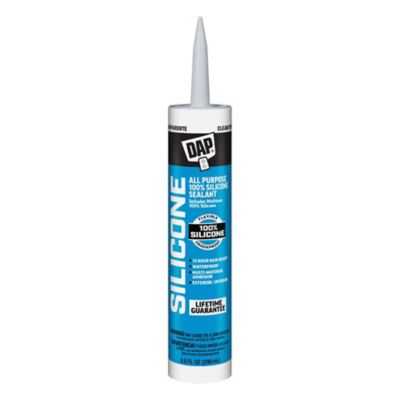
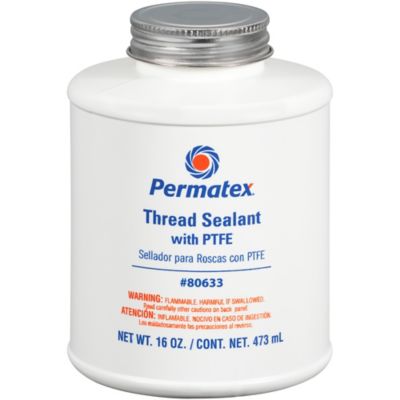
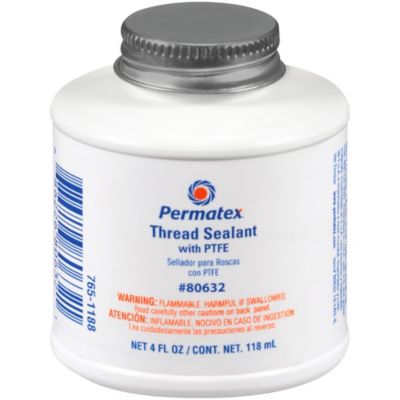
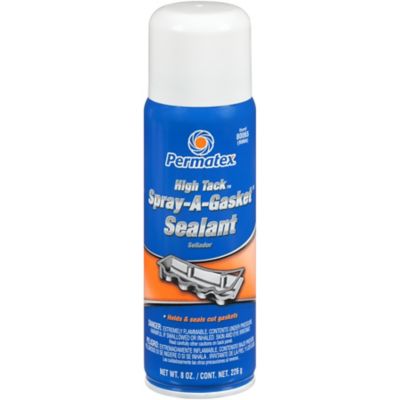
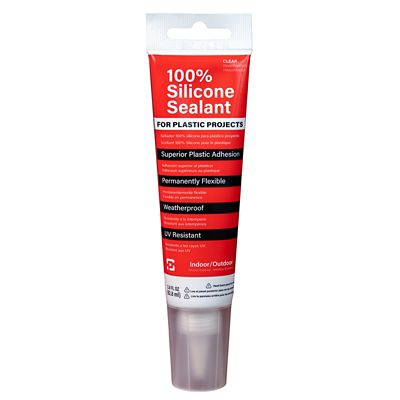
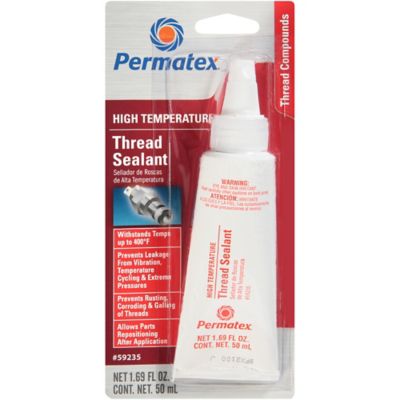
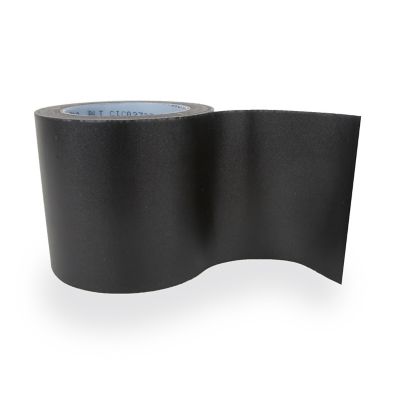
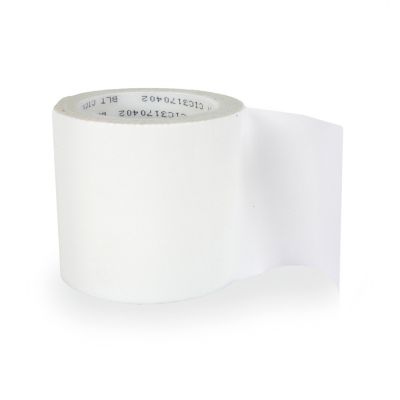
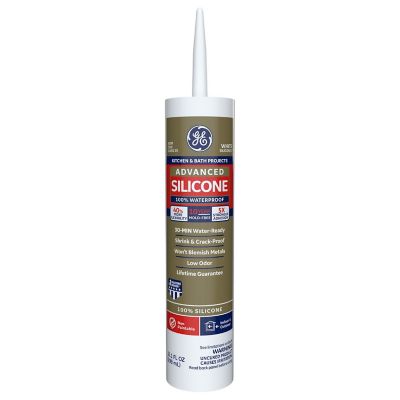
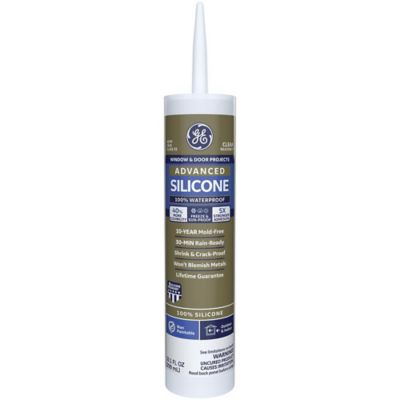
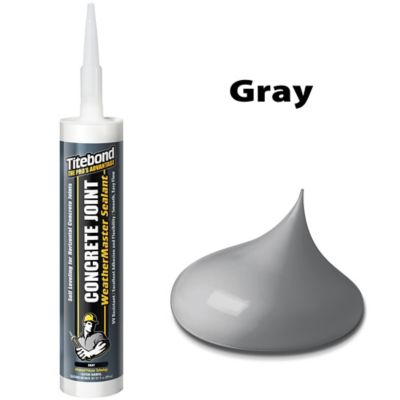
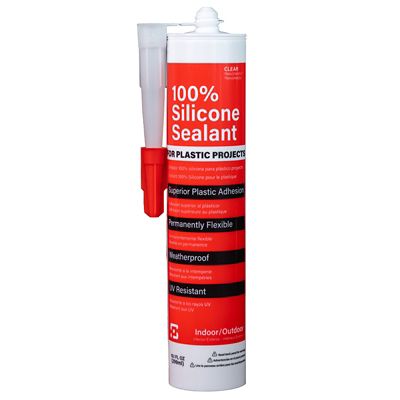
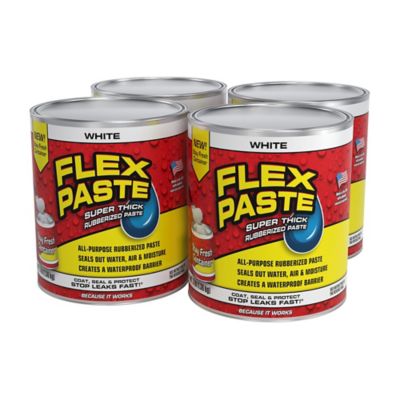
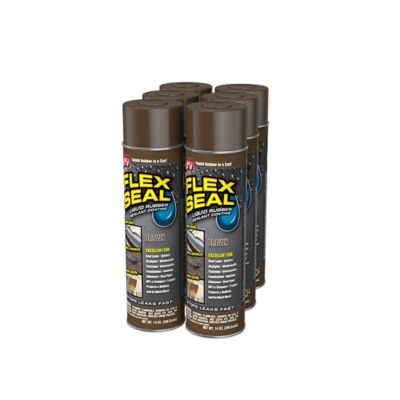
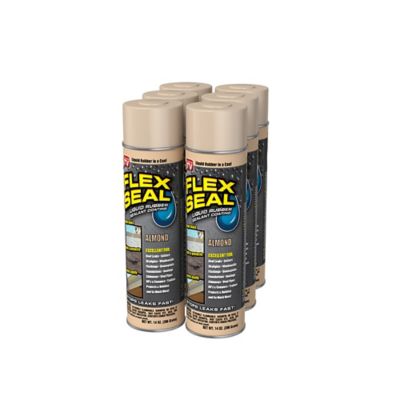
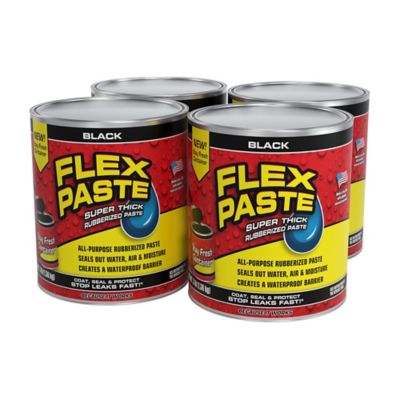
Fiberglass sealant is used to help protect, waterproof, and finish fiberglass surfaces around the farm, shop, campsite, and waterfront. It can help close up seams on boats, RVs, trailers, shower surrounds, storage tanks, tubs, panels, and other areas where water, dirt, vibration, and changing temperatures can work their way into a joint. Some sealants come in a flexible caulk-like form for seams, corners, fasteners, windows, and hardware, while others are made as hard coatings for covering fiberglass cloth, filling small scratches, or restoring a smooth outer surface. A flexible sealant is generally the better choice where two materials move against each other or where a surface sees vibration, such as an RV roof seam, boat fitting, or trailer trim. A hard coating may make more sense for a broad fiberglass panel or a repaired area that needs a durable, waterproof finish. Before shopping, look closely at the job rather than choosing by color or container size alone. Consider whether the area is above or below the waterline, exposed to standing water, exposed to sunlight, or likely to flex as the vehicle, boat, or structure moves. Also check whether the sealant is intended for fiberglass and the adjoining material, since a seam may join fiberglass to metal, wood, glass, plastic, or painted surfaces. The right match helps the bead adhere properly and stay intact through hot days, cool nights, road travel, splashing water, and everyday wear.
Good surface preparation often makes the difference between a repair that holds through several seasons and one that starts lifting at the edges. Remove loose sealant, flaking finish, dirt, grease, wax, mildew, and old adhesive before applying anything new. Soap and water can handle ordinary grime, but stubborn residue may call for a compatible solvent; always follow the directions on the container and test an inconspicuous spot before using a cleaner on a finished surface. Let the area dry completely, because trapped moisture can interfere with adhesion and leave a weak spot beneath the bead. A light scuff may help on some smooth surfaces, but fiberglass can have a thin finished layer that should not be aggressively sanded away. When applying a caulk-style sealant, cut the nozzle to control the bead, work steadily, and tool the material so it presses into the seam without leaving gaps or pockets. Masking nearby edges can make cleanup easier and leave a neater line. For coatings, spread the material evenly and pay attention to coverage, thickness, and the recommended number of coats. Most sealants need mild, reasonably dry conditions to cure properly, often with temperatures somewhere between 50 and 90 degrees Fahrenheit, though the label is the final word. During the warmer part of the year, avoid laying a fresh bead on a hot surface in direct sun if it skins over before it can be tooled. During cooler months, allow extra curing time and protect the work from dew, rain, frost, and heavy condensation. Keep the area clean and undisturbed until the sealant has fully cured.
Fiberglass sealant can be useful for homeowners, boat owners, RV travelers, maintenance crews, farmers, campers, and anyone who keeps equipment outdoors. A small repair kit can be handy for a camper heading down gravel roads, a homeowner resealing a fiberglass tub surround, or a farm family closing a leak around an outdoor enclosure before wet weather settles in. It also pairs naturally with routine maintenance supplies, including scrapers, gloves, masking tape, cleaning materials, and suitable applicators. Those working with fiberglass panels or making repairs may also need dependable tools for cutting, fastening, and handling materials; for related projects, see
Fiberglass Handles. Choose a product based on the size and location of the repair, the amount of movement in the joint, the finish you want, and the time available for curing. Flexible sealants are commonly preferred for seams that expand, contract, or vibrate, while tougher bonding formulas may be intended for areas that need a strong, lasting hold. Surface coatings can help seal a fiberglass layup, refresh a worn finish, or provide added resistance against water and sunlight, but they are not a substitute for repairing cracked, soft, or structurally damaged material. Wear eye protection and gloves, provide ventilation, and keep solvents and uncured sealant away from children, pets, feed, and open flames. Inspect sealed areas from time to time, especially around roof edges, windows, fittings, fasteners, and places where water tends to collect. If the bead is cracked, peeling, discolored, or pulling away from the surface, remove the failing material and prepare the area again rather than simply covering the problem. With a careful match and a clean application, fiberglass sealant can help keep everyday equipment dry, sound, and ready for the work ahead.