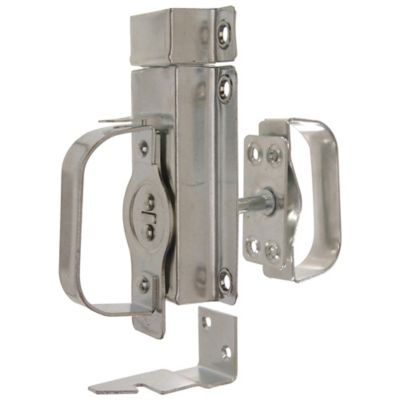
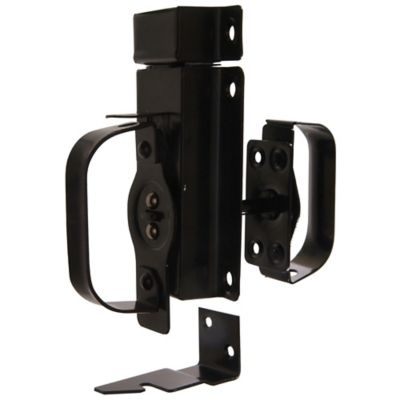
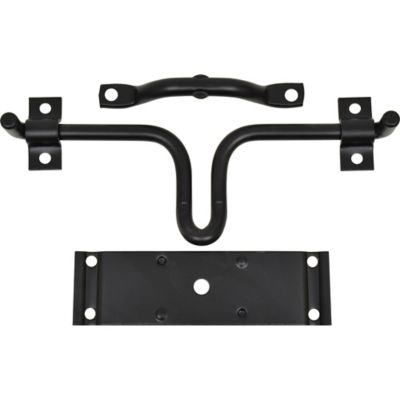
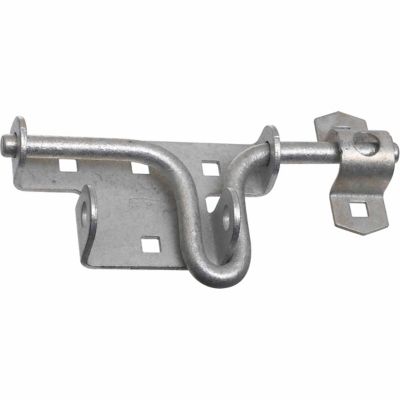
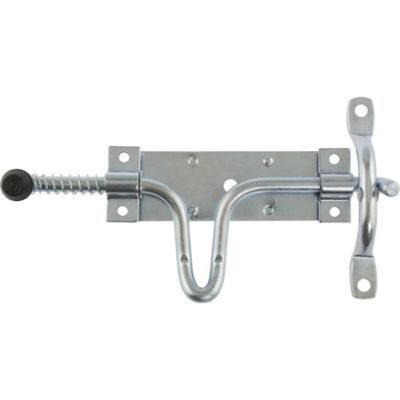
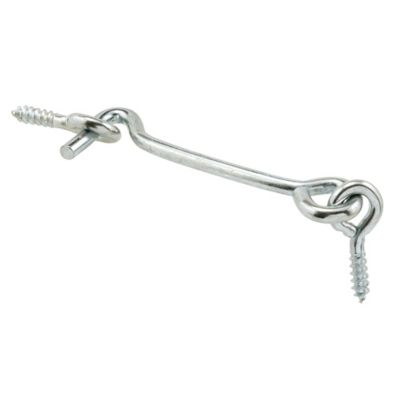
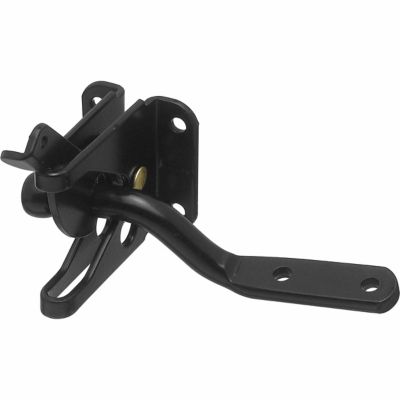
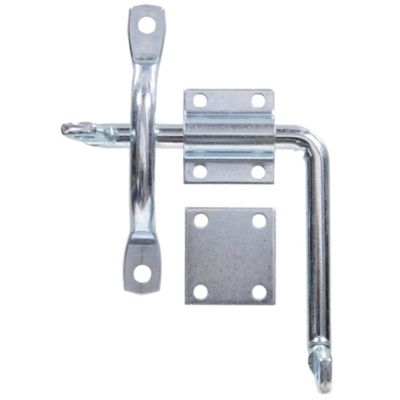
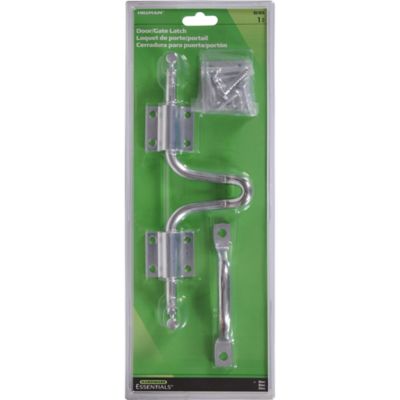
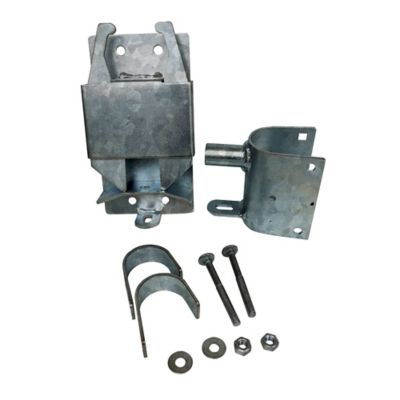
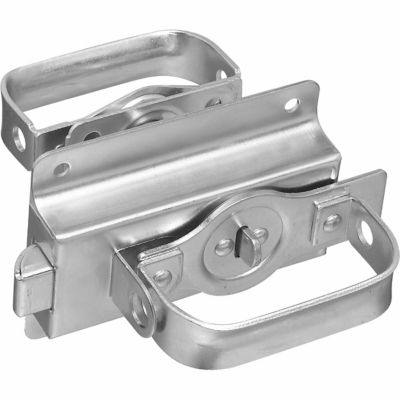
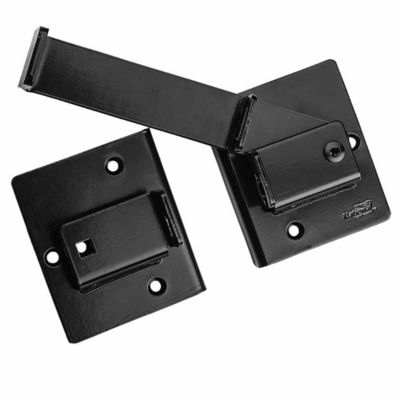
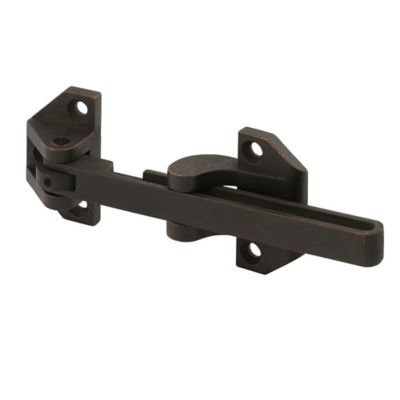
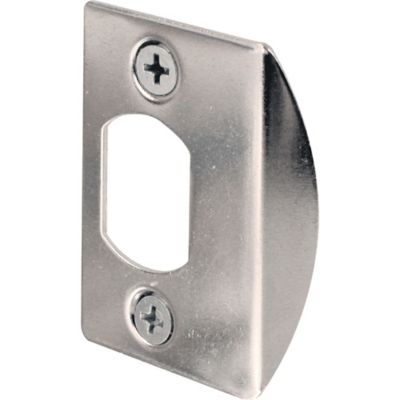
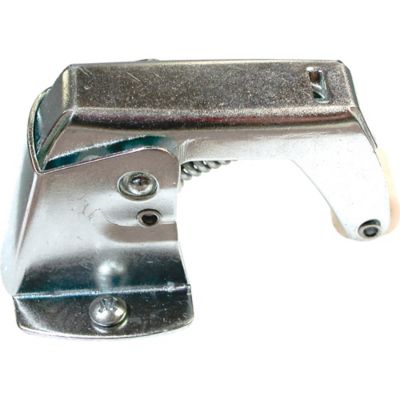
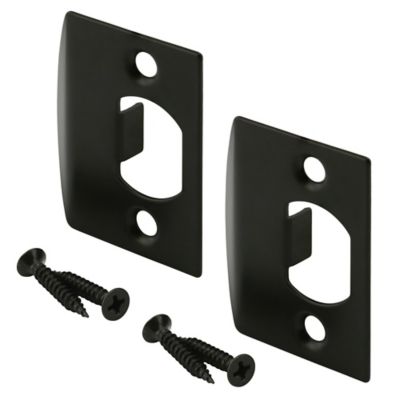
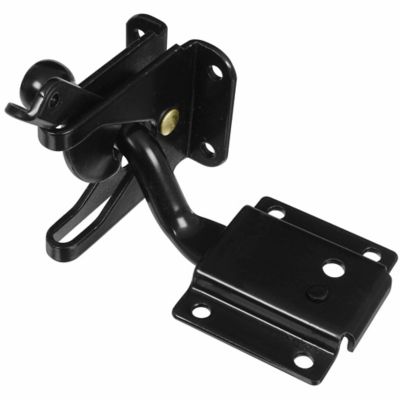
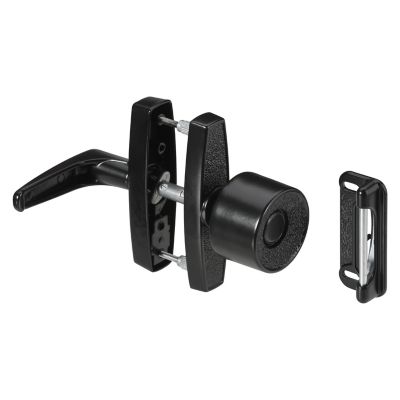
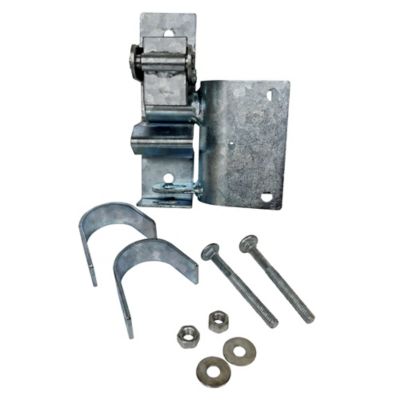
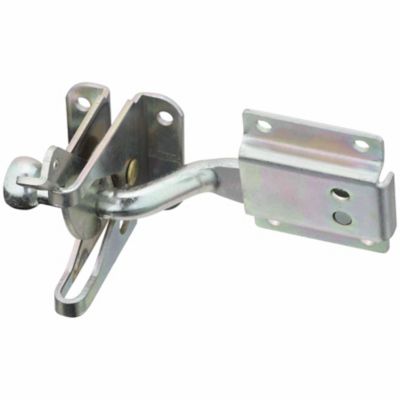
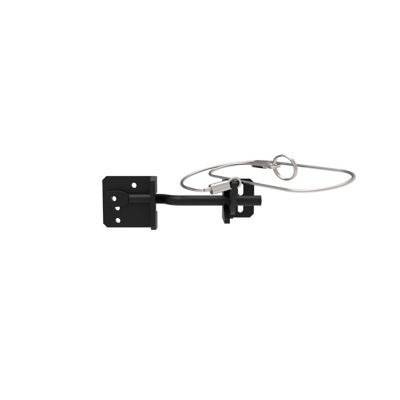
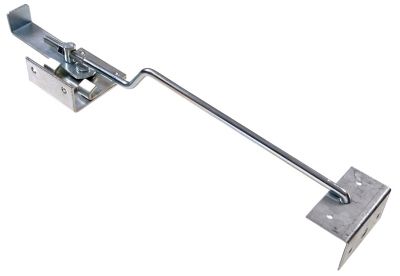
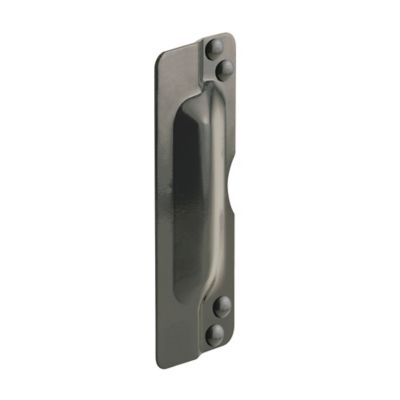
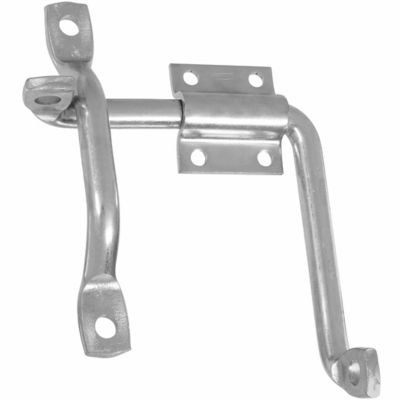
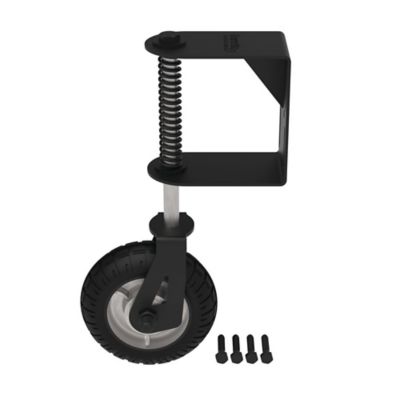
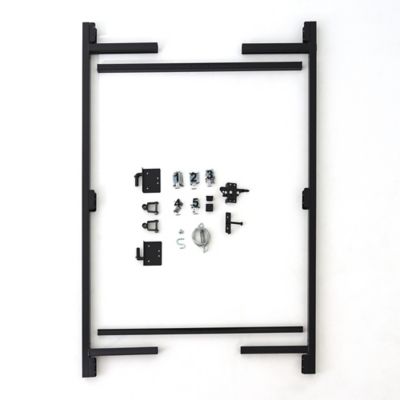
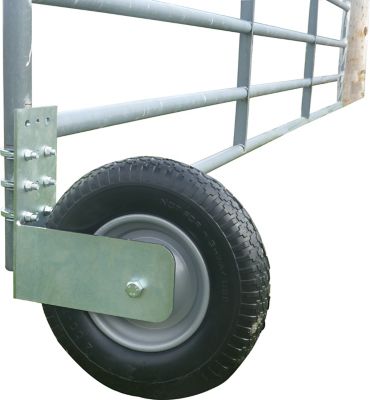
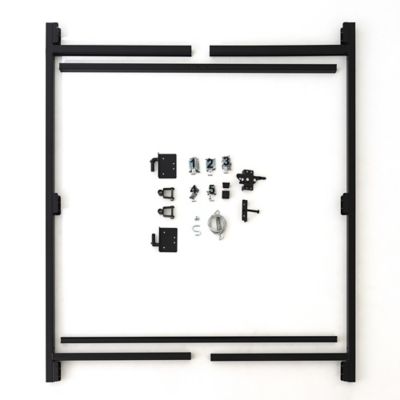
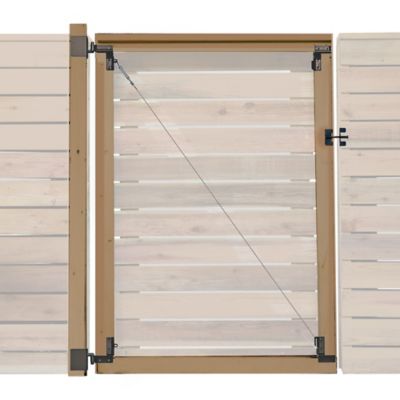
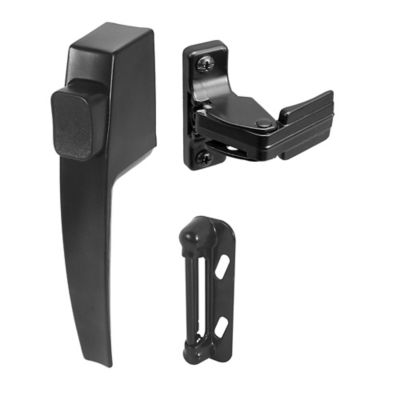
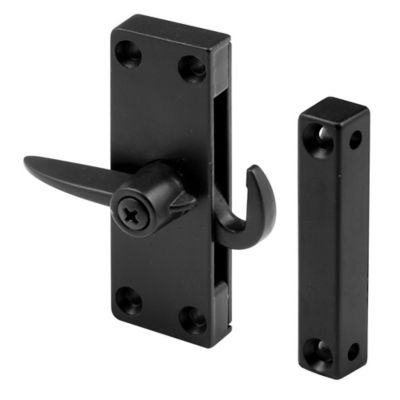
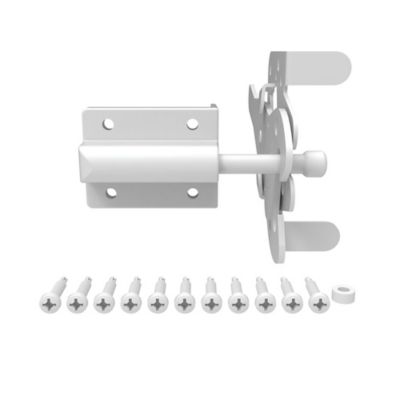
Swinging door latches hold a hinged door or gate closed by engaging a catch, strike plate, or keeper on the adjoining frame or post. Depending on the design, a gravity arm, spring-loaded bolt, or manually operated latch provides the closing action. That makes this hardware a practical fit for barn doors, shed entrances, feed rooms, workshop doors, and gates that swing on hinges rather than travel along a track. On a working property, a latch might keep a storage door from swinging open into an aisle, hold a garden gate shut, or let someone close a pen entrance behind them without stopping to position a separate bolt. Automatic-latching designs can engage as the door closes, while other styles require a handle, lever, or bar to be moved into place. The distinction matters when carrying a feed bucket, leading an animal, or making repeated trips between a building and a fenced area. Gravity latches depend on the latch arm dropping into its catch, so mounting position and clear movement are important. Spring-operated designs depend on the bolt and strike lining up closely enough for the bolt to retract and engage as intended. Some swinging door latches work from one side; others have a handle, pull, or release that allows access from both sides. Certain designs also accept a padlock, although holding a door closed and protecting a building against forced entry are different jobs. A padlock provision is useful only when the latch, mounting hardware, frame, and door are suited to the security needs of the opening. Farmers, livestock owners, homeowners, and shop operators all have different priorities, from easy one-handed operation to controlled access around animals or equipment. A screen door, a wooden stall door, and a wide metal gate may all swing, but their weight, construction, and daily traffic call for different latch arrangements. Hardware intended for a door that opens in one direction is not necessarily suitable for a double-acting door that swings both ways.
Fit starts with the relationship between the door, its frame, and the direction of swing. Door thickness affects whether a spindle, handle assembly, or through-bolt can reach properly, while the gap between the door edge and the jamb determines how the latch meets its keeper. Published thickness ranges and mounting dimensions describe the openings a particular latch can accommodate; there is no single thickness range that applies to every swinging door latch. Left-hand and right-hand operation also deserve attention. Some designs are reversible, while others have a fixed orientation, and the hinge position alone does not settle every fit question. The latch must clear the frame as the door moves, engage fully when closed, and leave enough room for fingers around the handle or release. A broad strike plate or an adjustable keeper may offer some allowance for alignment, but neither replaces sound hinges and a well-supported door. A gate that drags across the ground or a barn door that hangs low puts extra strain on the entire opening. Matching the latch to that opening includes looking at the mounting surface: solid wood, a hollow metal section, and a narrow gate stile provide different support for screws or bolts. Fastener length, diameter, and attachment method matter as much as the latch body itself, especially where a heavy door closes repeatedly. Surface-mounted hardware attaches to the face of the door or frame, while recessed designs require a compatible cutout and enough material around it. For paired swinging doors, the active door and the stationary door may need separate hardware, with a firm receiving point for the main latch. Around livestock, placement matters too. An exposed release within reach of a curious horse or a rubbing animal can behave differently than the same hardware on a tool shed. On occupied buildings, locking arrangements also need to preserve required exit access rather than trap someone behind a closed door.
Materials and finishes help determine how swinging door latches handle everyday contact, dirt, and repeated operation. Steel is common for substantial latch bodies, bars, and mounting plates, with finishes such as zinc plating or galvanizing helping limit corrosion. Stainless steel can suit settings where moisture or frequent cleaning is a concern, though material choice still needs to match the mounting hardware and the demands of the opening. Metal thickness, pivot construction, spring condition, and the size of the contact surfaces all contribute to service life. A hefty latch body does little good if its screws loosen in a weakened board, and a smooth handle cannot compensate for a bolt that barely reaches the strike. Care generally centers on keeping the moving parts clear, checking attachment points, and following the manufacturer’s directions for lubrication and cleaning. Dust from a feed room, bedding around a stall entrance, or grit near a workshop can collect at a pivot or inside a keeper. Cleaning out that buildup helps the latch move freely without requiring an extra shove every time the door closes. Loose fasteners, rubbing marks, or a release that starts sticking are reasons to look at both the hardware and the door alignment. For openings that travel sideways instead of swinging on hinges,
Sliding Door Latches address a different closing motion and mounting arrangement. The distinction is especially useful on properties with both hinged walk-through doors and large track-mounted barn doors. Within the swinging-door category, the best fit is hardware that suits the door’s construction, permits the needed access, and engages consistently without lifting or forcing the door. A latch on a frequently opened feed-room door may call for a comfortable grip and straightforward release, while a seldom-opened storage gate may put more emphasis on a padlock-ready arrangement. Matching those details to the actual opening makes the latch a practical part of the daily routine, whether the job is keeping tools behind a shed door or closing a gate after chores.