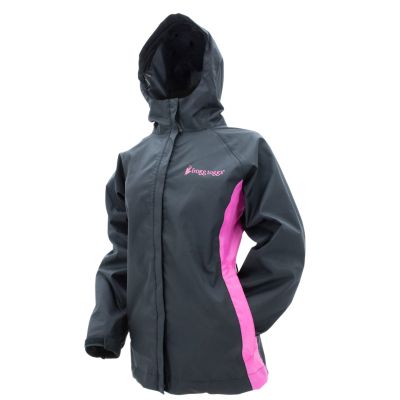
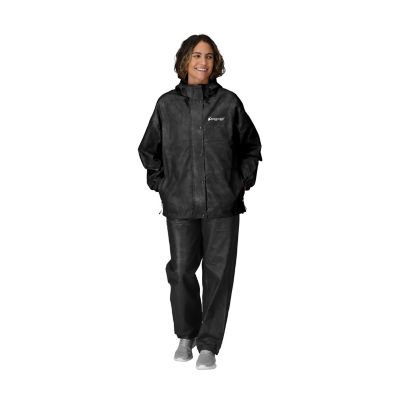
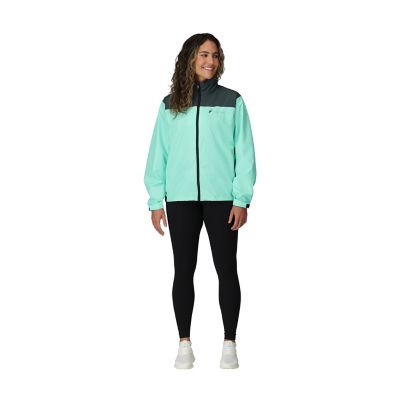
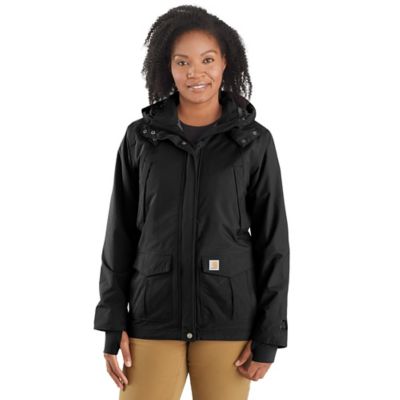
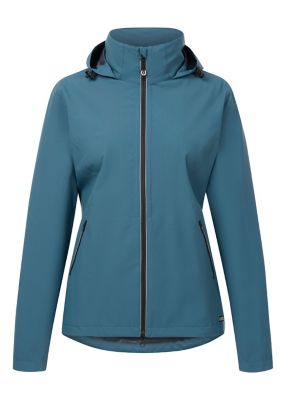
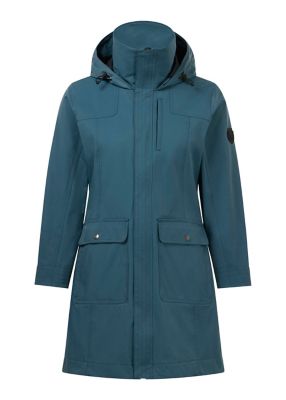
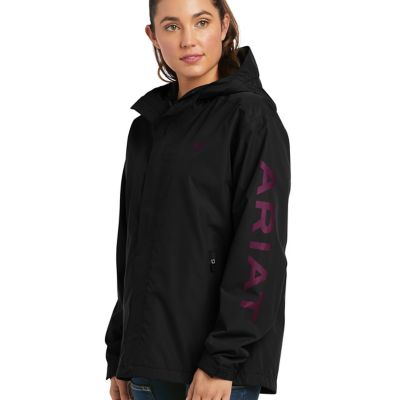
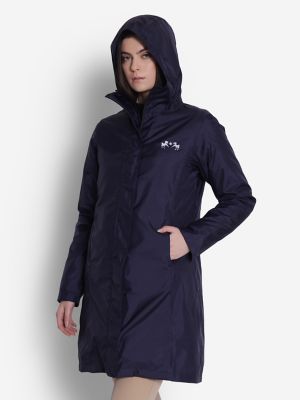
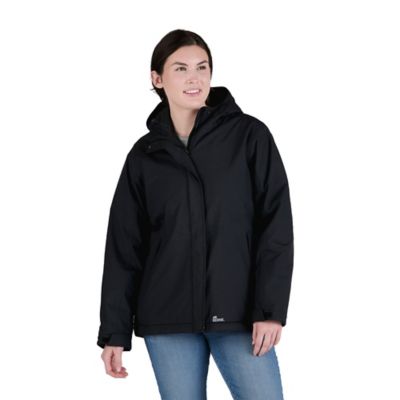
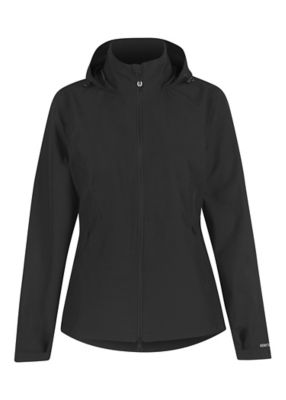
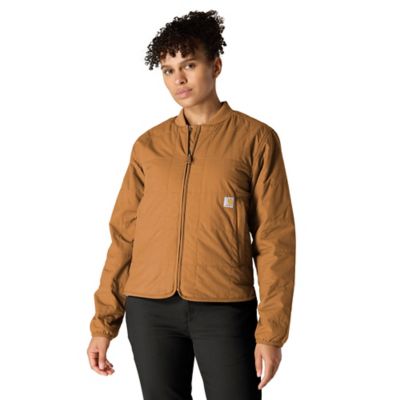
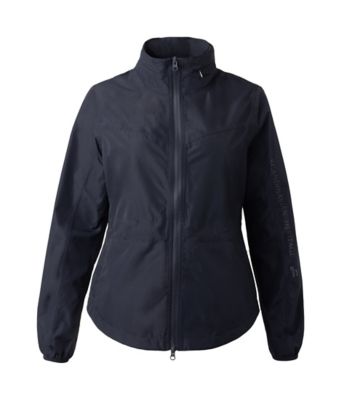
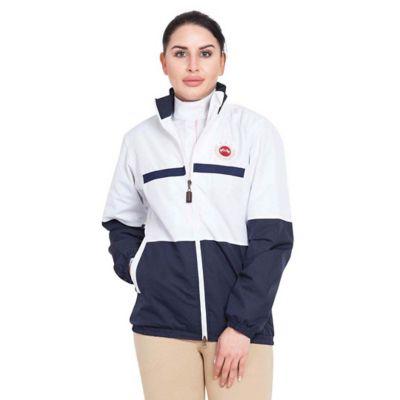
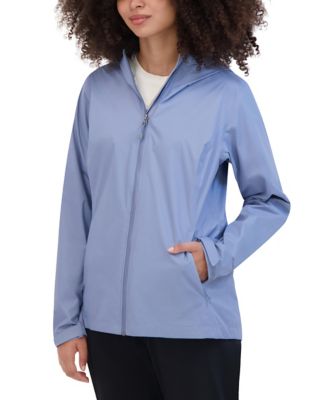
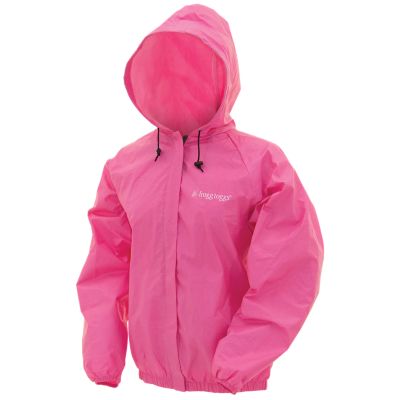
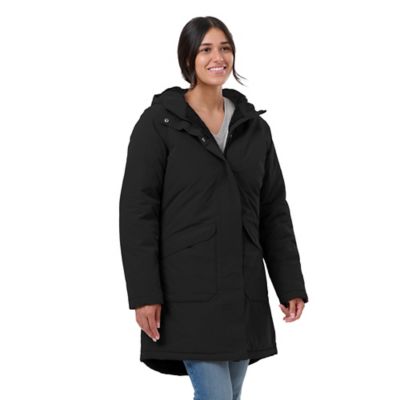
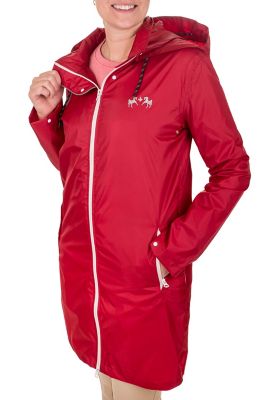
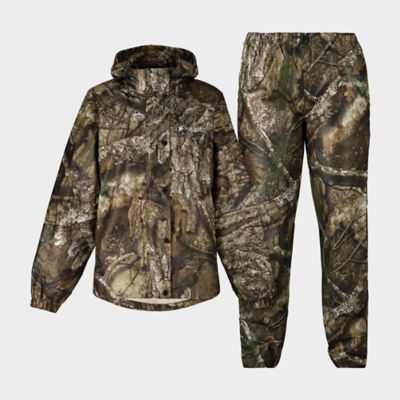
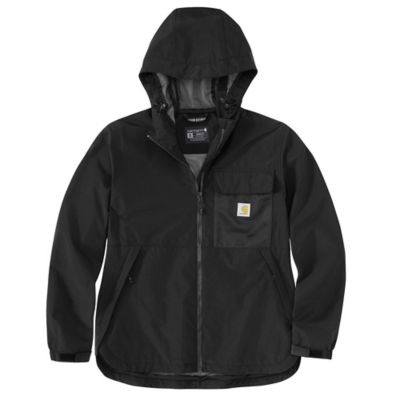
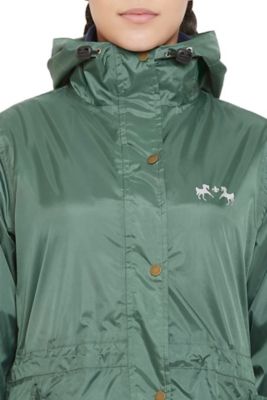
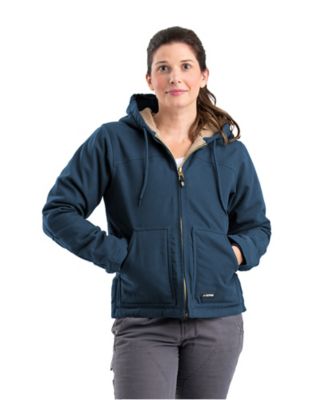
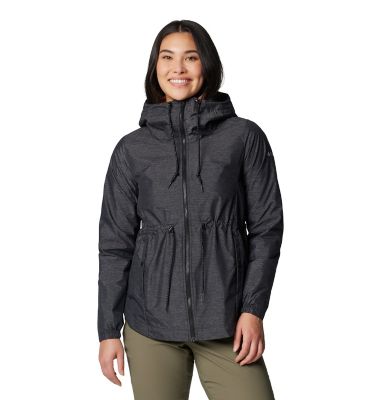
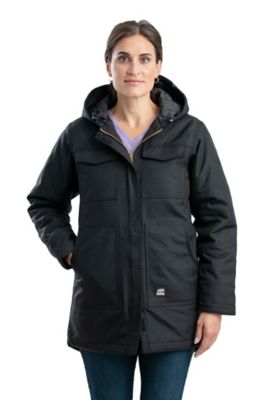
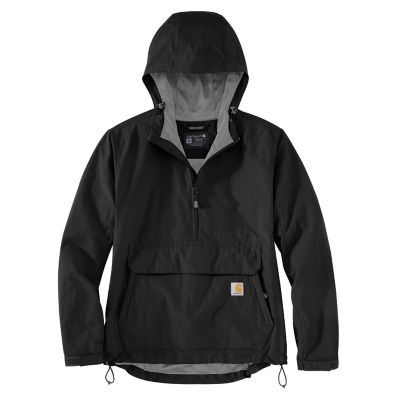
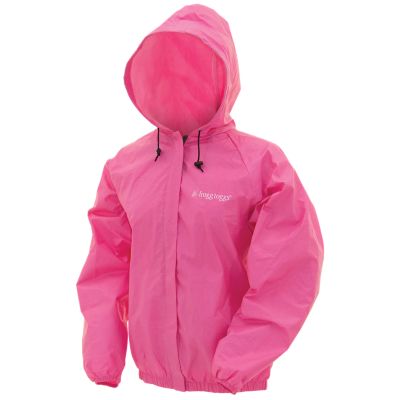
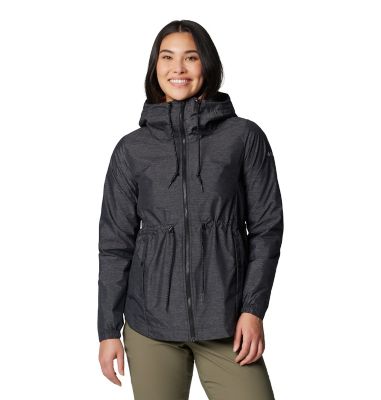
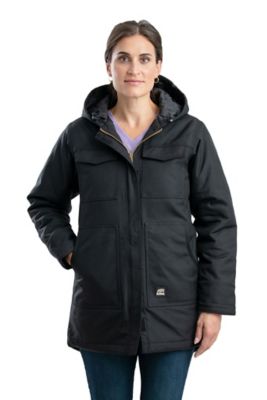
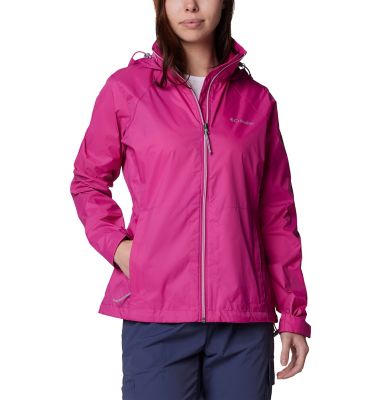
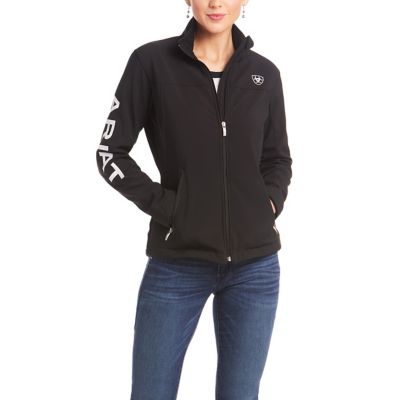
Women’s winter rain jackets help handle cold, wet days with a rain-shedding outer layer and either built-in insulation or room for warm layers underneath. They make sense for feeding animals before daylight, walking the dog along a muddy lane, heading to work, or watching a game from damp bleachers. The main differences come down to moisture protection, warmth, coverage, and how much moving around the day involves. Water-resistant fabric can shed light rain for a time, but it is not the same as waterproof construction intended for longer exposure. A waterproof membrane or coating helps block water through the fabric, while sealed seams address the small openings left by stitching. Fully taped seams provide more complete seam coverage than treatment limited to selected areas. Front closures matter, too: a storm flap or water-resistant zipper helps limit rain entering along the opening, though no jacket can keep water from coming through an open collar or loosely fitted hood. Wind protection is another part of staying comfortable, especially across an open pasture or between outbuildings. Insulation slows heat loss, but the amount needed depends on activity, layers, wind, and personal comfort rather than a single temperature promise. Synthetic insulation is a practical consideration for damp conditions because it generally retains more insulating ability when damp than untreated down. Fleece linings can add softness and warmth, although a fleece-lined jacket is not automatically waterproof. A shell without insulation offers flexibility over a sweater or insulated midlayer, while an insulated rain jacket combines those jobs in one coat. Neither approach is best for every outing. Carrying feed sacks calls for a different balance of warmth and ventilation than standing beside a fence waiting for the school bus. A coat that feels comfortable during steady walking may need another layer for an hour spent mostly standing still. Looking at the shell, seams, lining, and insulation together gives a clearer picture of a jacket’s intended use than judging by thickness or appearance alone.
Fit makes a real difference when a winter rain jacket has to move through a full day of chores and errands. Enough space through the shoulders and upper arms allows for reaching toward a gate latch, lifting a bucket, or pulling the hood into place without dragging the whole coat upward. That space should account for the layers worn underneath, not just a thin shirt. At the same time, an excessively loose fit can leave openings for drafts and make sleeves cumbersome. Articulated elbows, underarm shaping, and adjustable hems can help balance movement with coverage. Sleeve length matters when arms extend forward, whether holding a steering wheel or pushing a wheelbarrow; cuffs that cover the wrists in a standing position may pull back once work starts. Adjustable cuffs can fit over gloves or snug down to reduce gaps, depending on their design. A hood should stay in place without blocking side vision, and a shaped brim can help direct dripping water away from the face. Room for a knit cap is useful, but a hood that turns with the head is easier to live with than one that stays pointed straight ahead. Jacket length brings another tradeoff. Hip-length styles allow easier bending and climbing into a truck, while longer cuts provide more coverage over the seat and upper legs. Two-way zippers or well-placed vents can make a longer coat less restrictive when sitting. Pocket placement deserves attention as well: covered openings help shield contents, and pockets positioned above the hip can be easier to reach while seated. For built-in warmth alongside rain protection,
women’s insulated rain jackets bring both functions into the same outer layer. Breathable fabrics and ventilation openings can help release moisture from exertion, although breathability does not eliminate sweating. A jacket suited to brisk walks or active chores benefits from ways to let heat escape without opening the entire front to the rain.
Materials and construction influence how a women’s winter rain jacket holds up to repeated wear, especially around gates, rough lumber, truck seats, and the daily rub of shoulder straps. Nylon and polyester are common shell materials, with fabric weight, weave, and reinforcement affecting abrasion resistance and flexibility. A heavier fabric may tolerate more contact, but it can also feel stiffer or add weight; a lighter shell may be easier to pack and move in. Reinforced high-contact areas, neatly finished seams, and securely attached closures are useful details for a coat expected to see regular outdoor work. Waterproof performance also depends on care. Many rain jackets have a water-repellent surface treatment that encourages droplets to bead and roll away from the outer fabric. When that surface becomes dirty or the treatment wears down, the fabric may absorb water on the outside even if the waterproof barrier underneath remains intact. That wet outer layer can feel clammy and make it harder for moisture vapor to escape. Care labels provide the right washing method because membranes, coatings, insulation, and trims do not all tolerate the same treatment. Compatible cleaning products, thorough rinsing, and any manufacturer-approved drying or treatment steps help maintain the jacket’s intended performance. Fabric softener and bleach are often unsuitable for technical rainwear, so their use depends on the garment’s instructions. Mud and barn dust are easier to manage before they build up around cuffs, pocket openings, and zipper teeth. After a wet outing, an open, well-ventilated spot allows the lining and shell to dry before storage; direct heat from a stove or heater can harm some fabrics and coatings. Checking seams, closures, and worn spots between outings can catch small problems before the next soaking rain. For a gift, familiar sleeve length, usual layering habits, and the wearer’s everyday routine are more helpful starting points than color alone. The most practical coat is one that fits comfortably, suits the work or outing, and gets proper care between wears.