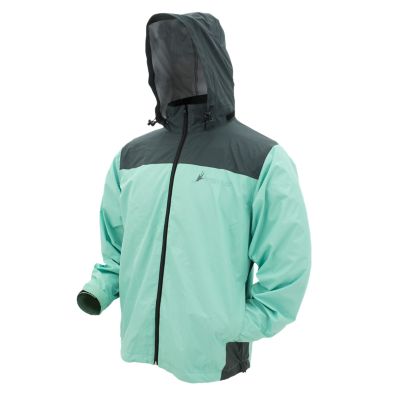
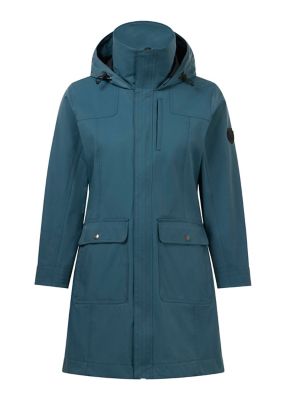
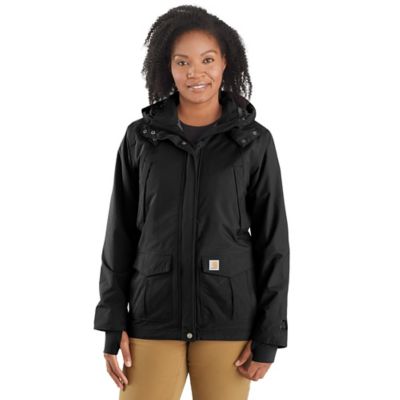
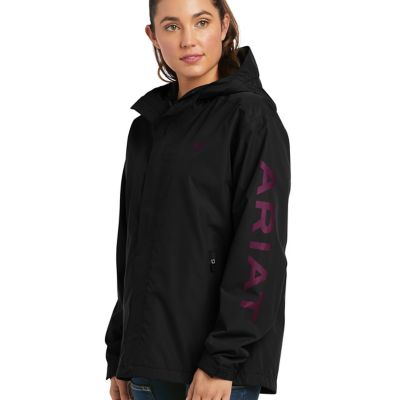
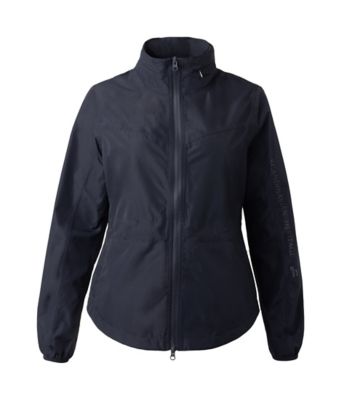
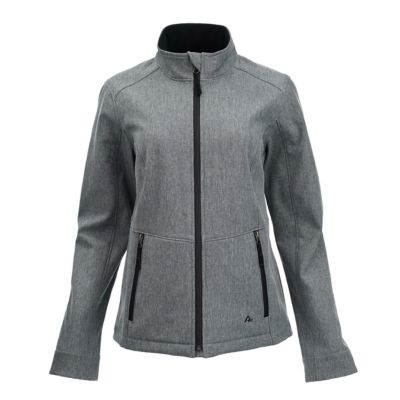
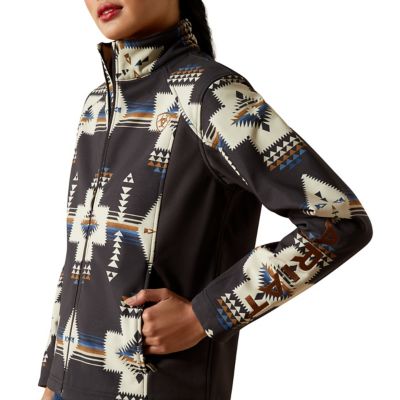
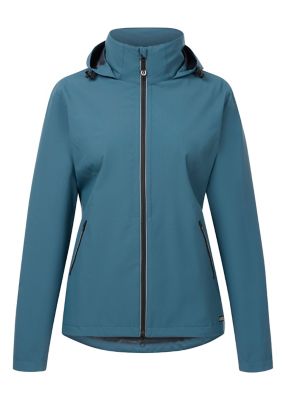
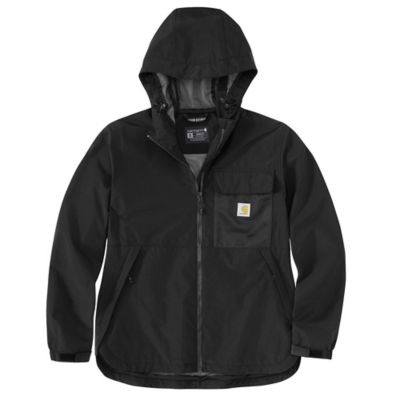
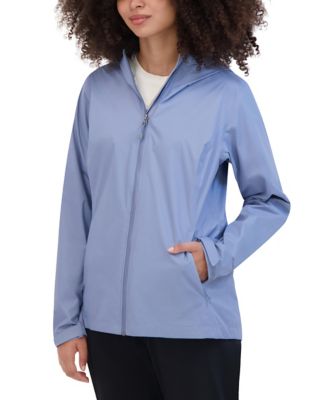
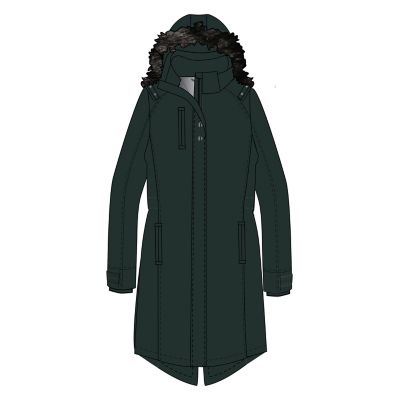
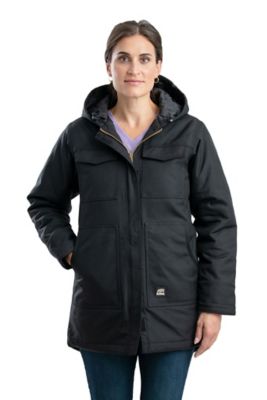
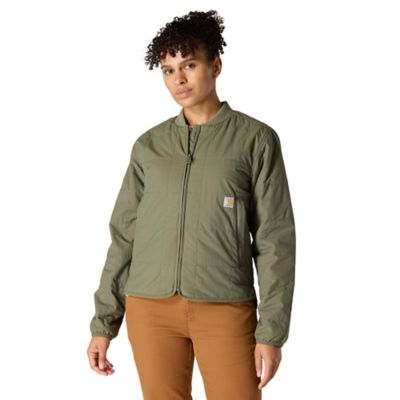
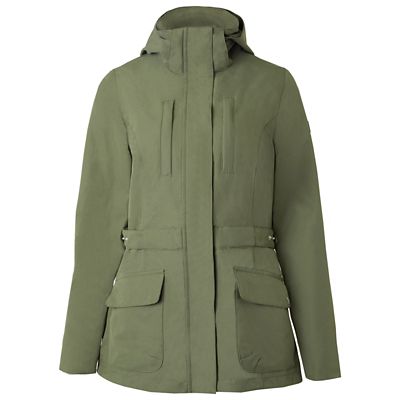
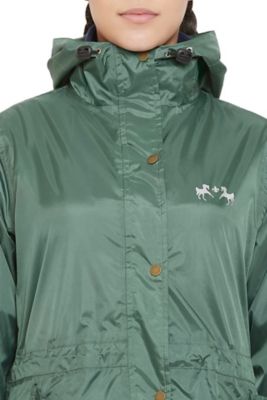
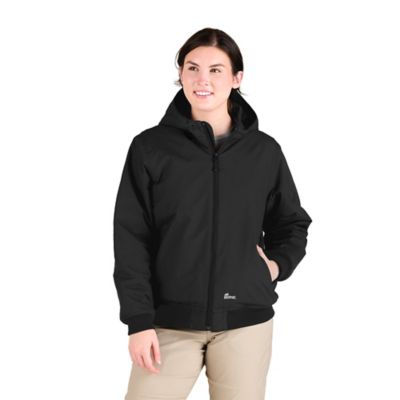
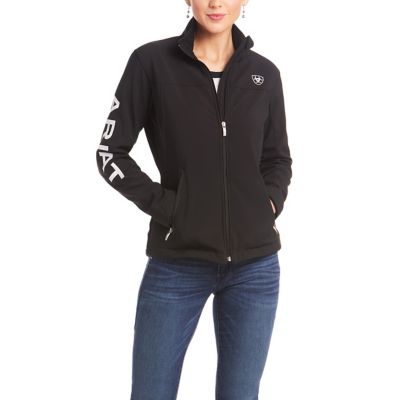
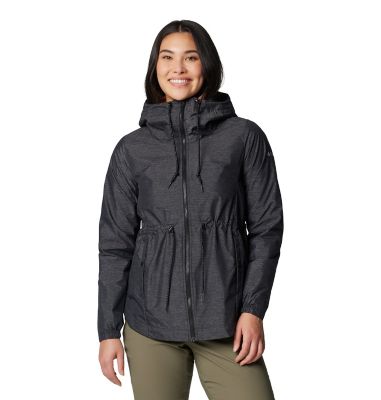
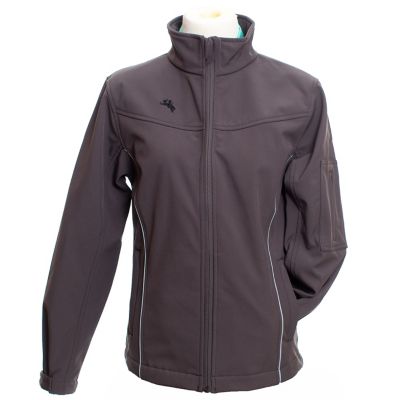
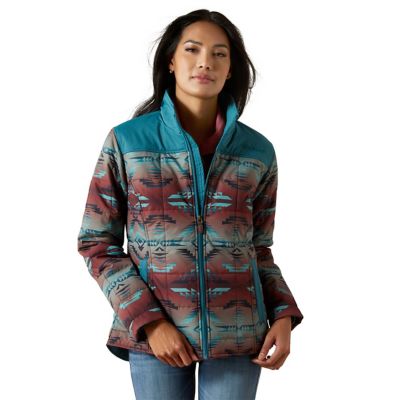
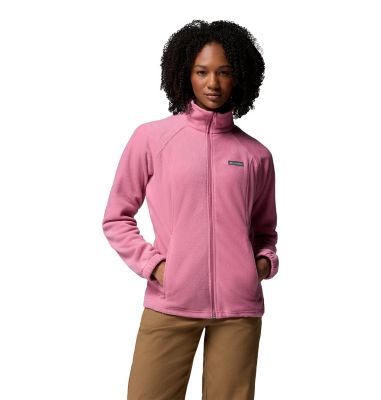
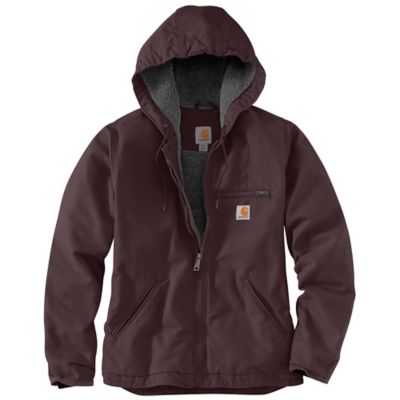
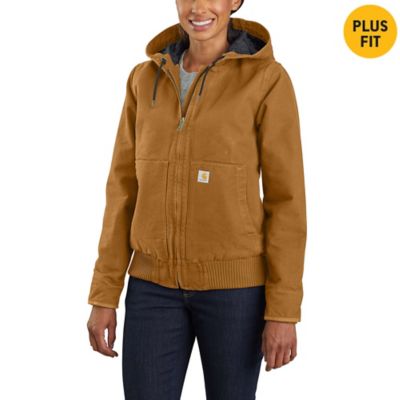
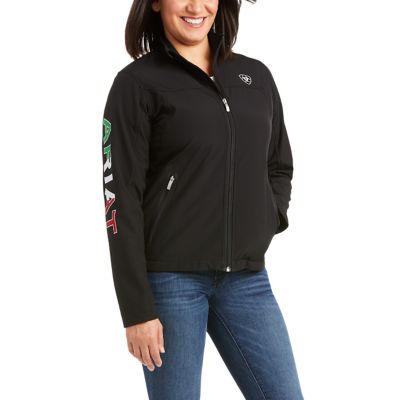
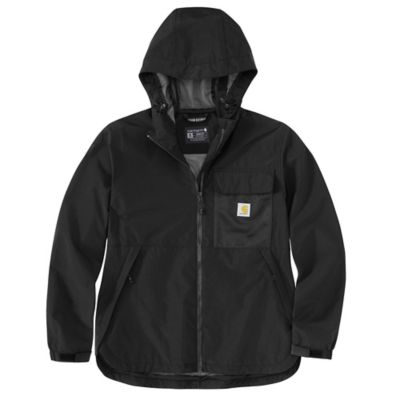
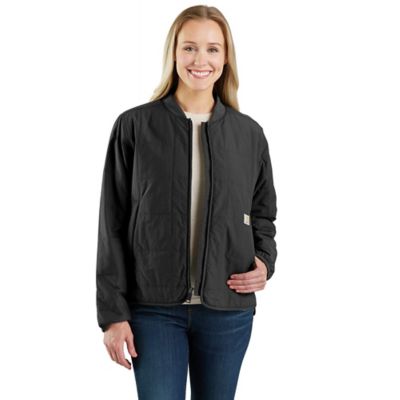
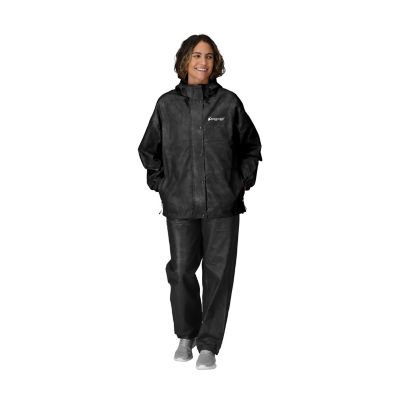
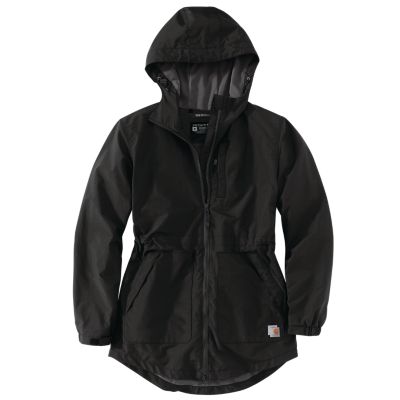
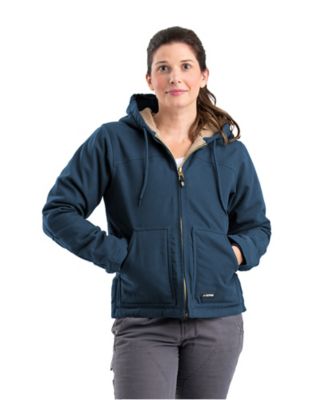
Women’s weather-resistant jackets help take the edge off wind, mist and passing showers, whether the day calls for feeding livestock, walking a fence line or heading into town. The term weather-resistant covers a range of protection rather than one set performance level, so fabric, construction and the jacket’s stated features all matter. Water-resistant outerwear typically sheds light moisture for a limited time, while waterproof outerwear combines a water-blocking fabric or barrier with construction designed to keep rain from working through. Sealed seams help close the small openings left by stitching, and protected zippers or storm flaps help limit entry at the front closure and pockets. A water-repellent finish encourages droplets to bead on the surface, but that finish alone does not make a jacket waterproof. That difference matters when a quick trip to the barn turns into an hour outside repairing a gate. Tightly woven nylon and polyester are common shell materials because they can provide coverage without a lot of weight, though their rain protection depends on the weave, treatment and overall construction. Stretch-woven softshell fabrics often suit active chores where freedom of movement and airflow matter more than extended downpour protection. Canvas-style fabrics have a more substantial feel, with moisture protection depending on their fibers, finish and construction. A lightweight shell adds a barrier against the elements without supplying much warmth on its own, while fleece-backed or insulated jackets add warmth for less active work or colder conditions. Neither approach fits every job. Carrying feed bags can build body heat quickly, while sitting on a tractor leaves much less movement to help keep a person warm. The right balance comes from matching coverage and insulation to the work, not simply choosing the thickest jacket. For long stretches in steady rain, a jacket’s stated waterproof protection and seam construction deserve more attention than surface beading alone.
Fit makes a noticeable difference once a women’s weather-resistant jacket leaves the hanger and gets into a full day’s work. Room through the shoulders and upper back helps with reaching for a latch, lifting a saddle or steering equipment, while shaping through the waist and hips affects how comfortably the jacket closes over layers. A close fit may feel tidy over a T-shirt but become restrictive over a sweatshirt, especially across the upper arms. Too much extra room can let the hem catch on nearby objects or allow wind to move underneath. Sleeve length matters when arms reach forward, and a longer back hem can help maintain coverage while bending or sitting. Stretch panels, articulated elbows and underarm gussets are construction details that may ease movement without requiring a larger size. Adjustable cuffs can snug down around the wrist or open enough to accommodate gloves, while a drawcord hem helps manage drafts. Hood fit deserves attention, too: a hood that adjusts around the face and turns with the head is less likely to interfere with side vision when checking a driveway or watching an animal. A brim can help direct drips away from the face, although wind direction and hood shape still affect coverage. Pocket placement changes how practical a jacket feels throughout the day. Zippered pockets help contain keys and a phone, while higher pocket openings may stay easier to reach when seated or wearing a waist belt. Breathability also matters during physical work. Moisture from perspiration can build inside any shell, particularly when effort is high, so ventilation openings, breathable fabrics and easily adjusted closures can make a difference. Mesh linings may improve the feel against clothing, but they do not turn a shell into an insulated jacket. Packable designs suit changing plans, with a lighter layer tucked into a day bag for a walk across the pasture or a trip away from home.
How a jacket holds up depends on both its construction and its care. Reinforcement at high-wear areas, secure stitching and a front zipper that moves smoothly all contribute to everyday service, especially around rough boards, fence hardware and repeated lifting. Even a substantial outer fabric can snag on a sharp edge, and weather protection should not be mistaken for protection from every barnyard hazard. Care starts with the garment label because coated shells, fleece-backed fabrics and insulated jackets can have different washing and drying requirements. Regular cleaning according to those directions helps remove sweat, dust and grime that can affect comfort and performance. Fabric softeners, bleach and excessive heat may harm certain finishes or components, so laundry treatments need to match the instructions rather than the routine for ordinary work clothes. Water repellency can fade with wear and washing; some garments permit a suitable treatment or a particular drying method to help maintain it. On a jacket with a waterproof barrier, a face fabric that no longer beads water does not automatically mean the barrier has failed, though a soaked outer surface can leave the jacket feeling heavier and clammy. Letting outerwear dry fully before storing it helps prevent lingering dampness and odors, and cleaning off mud before it becomes deeply worked into cuffs and hems makes regular upkeep easier. For days centered on drizzle, damp grass and brief showers, the
Womens Water Resistant Jackets collection provides a related category to explore. Weather-resistant outerwear can also make a practical gift for someone who spends plenty of time outdoors, from a horse owner making early barn rounds to a gardener tending a small acreage. Familiarity with her usual size, preferred jacket length and layering habits helps make that gift more useful. Whether the job involves chores close to home or a long stretch outside, comfortable movement, suitable coverage and manageable care give a jacket a place in the everyday routine.