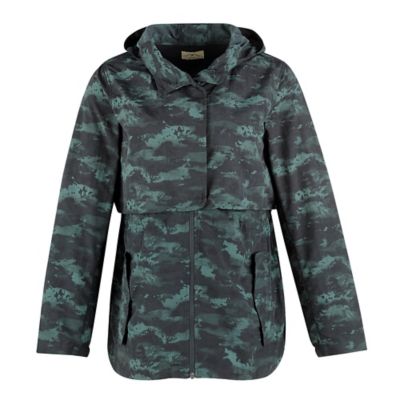
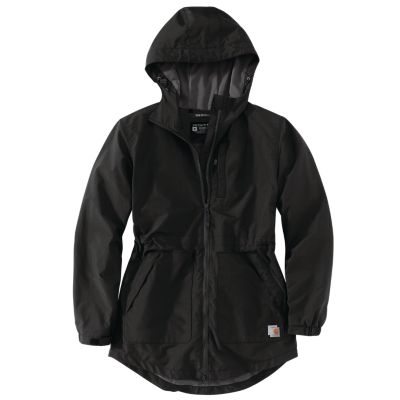
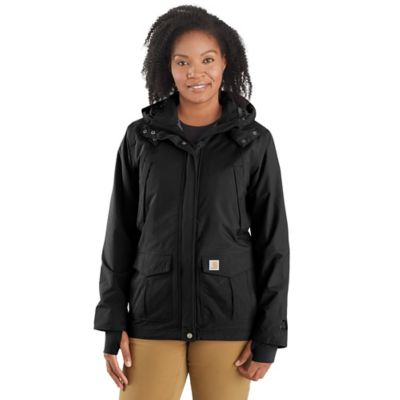
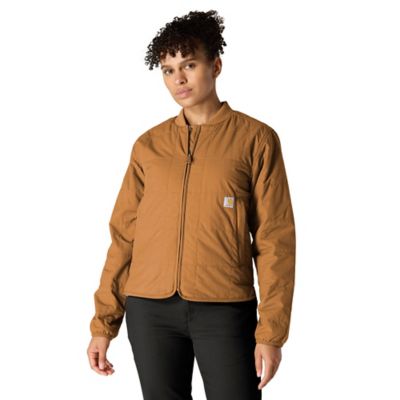
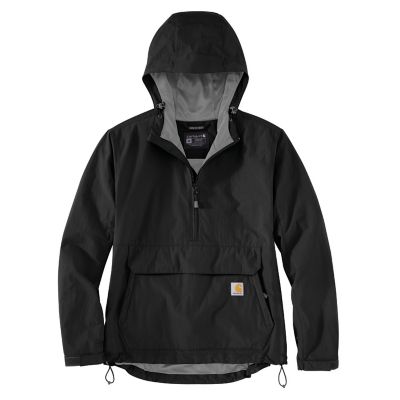
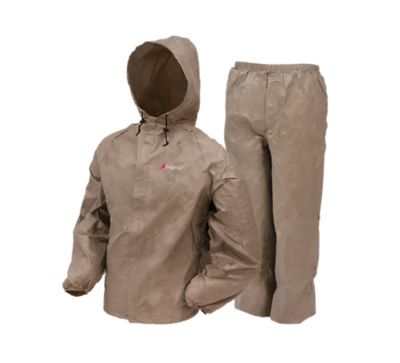
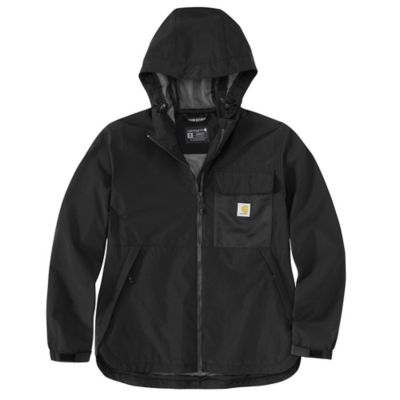
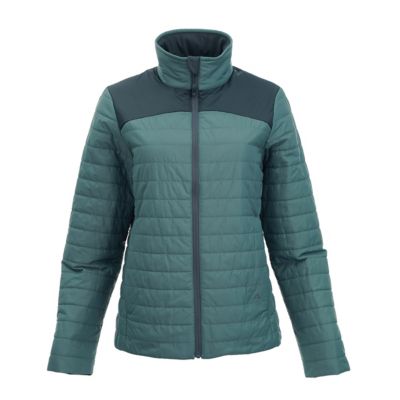
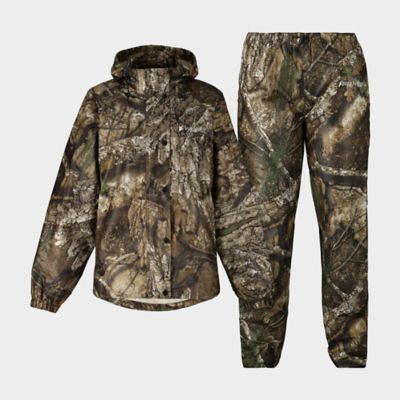
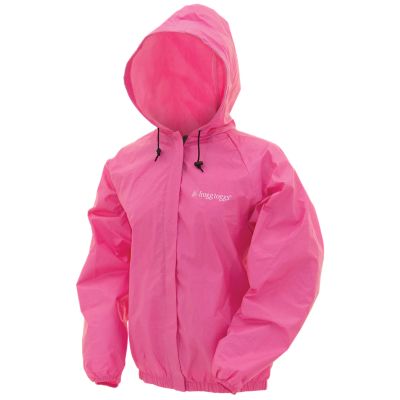
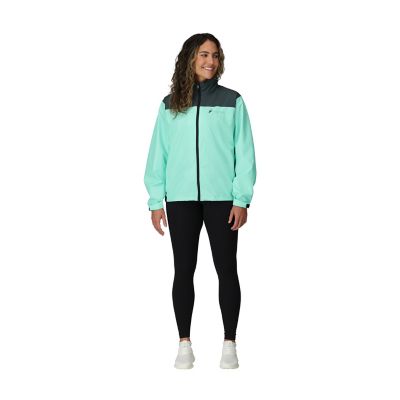
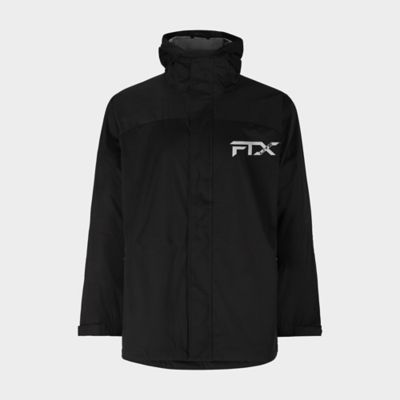
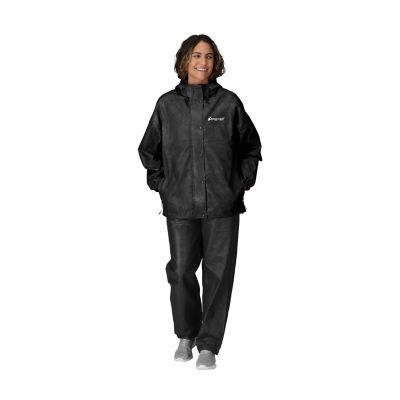
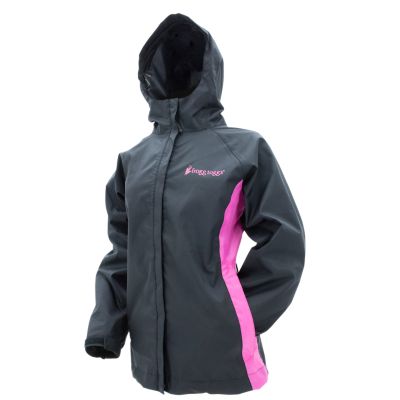
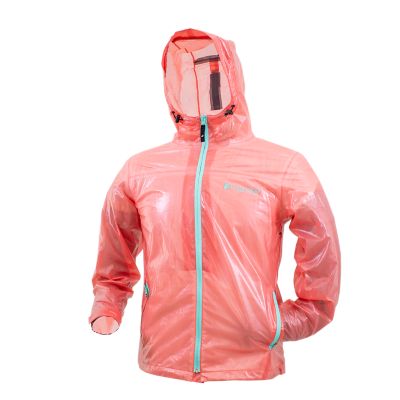
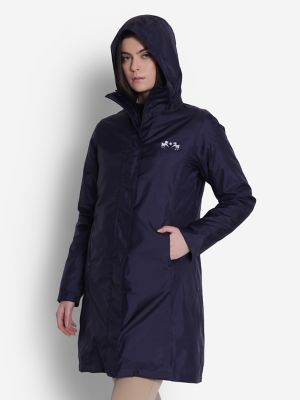
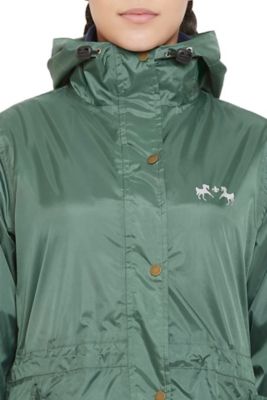
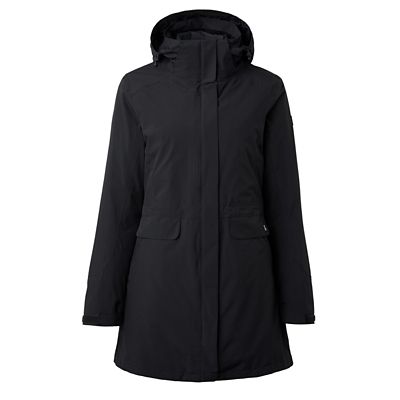
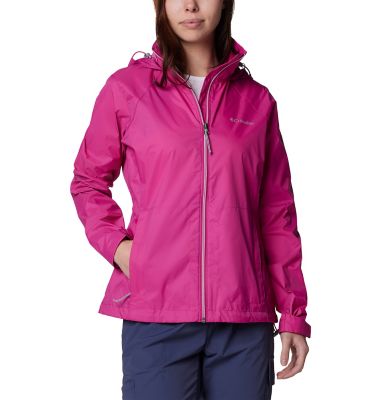
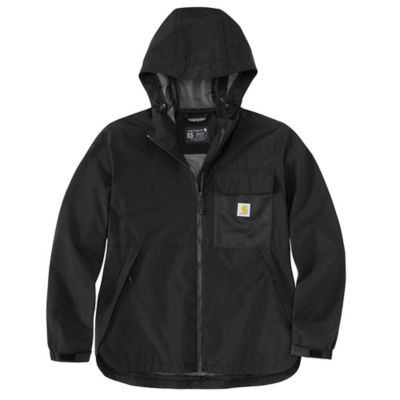
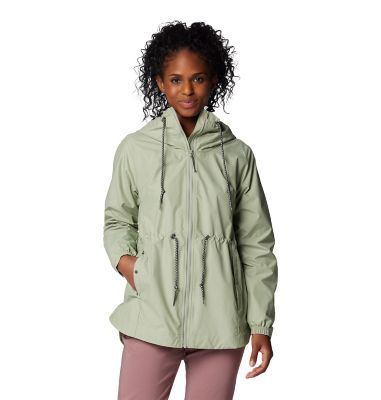
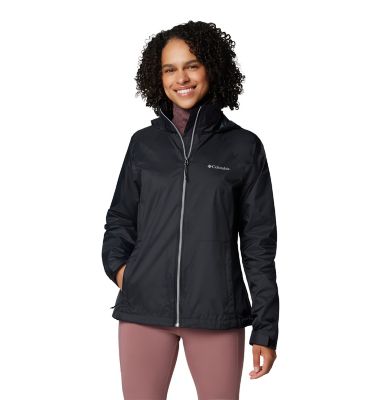
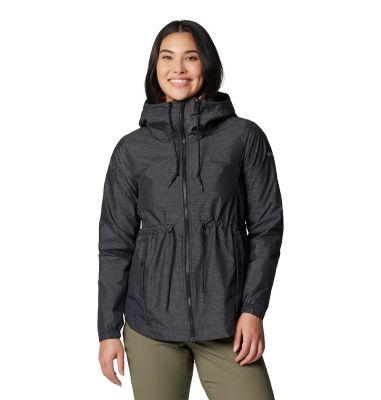
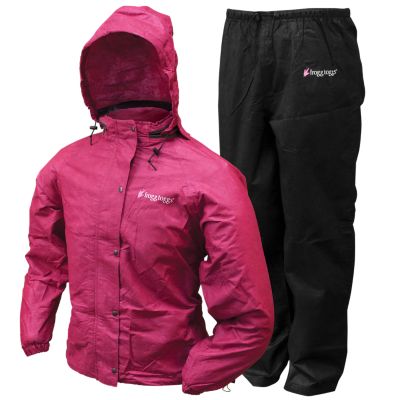
Women’s lightweight rain jackets offer a practical outer layer for wet chores, muddy walks and everyday trips when a heavy coat feels like too much. Their main job is to help keep rain off without adding much weight, leaving room to move while carrying groceries, checking the garden or heading out to feed livestock. The right balance of rain protection, breathability and coverage depends on how long a person stays outside and how hard they’re working. A water-resistant shell can handle brief exposure to drizzle, while a waterproof jacket with sealed seams is better suited to longer stretches of steady rain. Water-repellent finishes help droplets bead on the surface, but that finish alone does not make a jacket waterproof. The fabric construction, seams and closures all contribute to keeping moisture out. Nylon and polyester are common shell materials because they can provide lightweight coverage and dry relatively quickly, though performance varies with the fabric and its protective treatments. Some waterproof designs include a membrane or coating that blocks liquid water; breathable versions also let some moisture vapor escape. That distinction matters when a cool walk turns into an uphill climb or a few minutes of barn work stretches into an afternoon. Even breathable rainwear can feel warm during hard work, especially in humid conditions, so ventilation adds another way to manage heat. Underarm vents, vented back panels and front closures that can be adjusted offer options for letting warmth out when conditions allow. An unlined shell generally takes up less room in a bag, while a mesh or light fabric lining can feel more comfortable against bare arms. Lightweight rainwear is primarily weather protection rather than insulation, making it handy over a T-shirt on a mild day or over warmer layers during the cooler months. For women moving between the house, truck and outdoors, that flexibility can make a rain jacket a regular part of getting dressed rather than something saved only for a downpour.
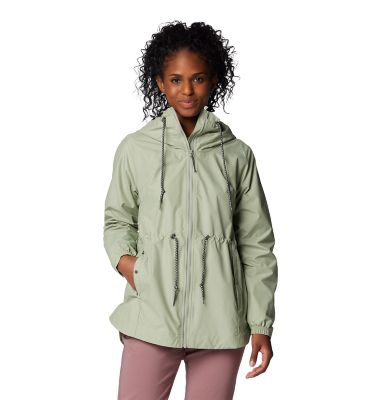
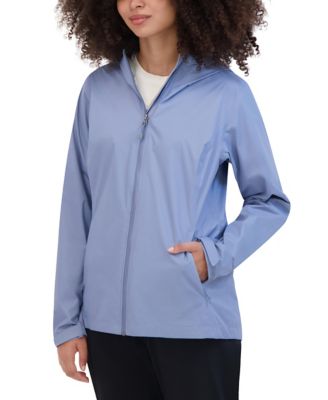
Fit and coverage make a noticeable difference once the work starts. A women’s lightweight rain jacket should leave enough room through the shoulders, upper arms and chest for reaching, bending and carrying without pulling tight across the back. A shaped cut can sit neatly over everyday clothes, while a roomier cut gives a fleece or sweatshirt more breathing room underneath. Neither fit should force the sleeves up the forearms when reaching for a gate latch or lifting a feed scoop. Size charts and garment measurements help account for differences between cuts, especially when a jacket needs to fit over several layers. Hip-length shells allow easy movement getting into a truck or stepping over uneven ground, while longer hems add coverage over the seat and upper thighs. A two-way front zipper, where included, can make a longer jacket more comfortable when sitting or taking a long stride. Adjustable cuffs help close the gaps around wrists, and a hem drawcord can reduce loose fabric and drafts. A hood needs enough space to sit comfortably without dropping over the eyes; adjustment points and a shaped brim help maintain visibility when looking down a trail or across a pasture. A high collar can shield the neck, while a soft zipper guard helps keep the closure from rubbing under the chin. Pocket placement deserves attention, too. Hand pockets that remain accessible above a backpack hip belt are helpful on a hike, and secure closures keep keys from slipping out while bending down. A pocket zipper does not necessarily make the pocket waterproof, so a phone or other moisture-sensitive belongings may still need a separate waterproof pouch. Stretch fabric or articulated sleeves can ease movement, and a smooth lining helps a shell slide over a flannel shirt without bunching. These details matter more than choosing the lightest jacket alone. A comfortable fit, a hood that stays put and closures that are easy to handle can turn a simple rain shell into a useful layer for dog walkers, gardeners, hikers and women whose daily routine includes time outside.
Packability is another reason lightweight rain jackets fit into country life so easily. A shell that folds into its own pocket or a small stuff sack can ride in a daypack, saddlebag or work tote without taking over the space needed for everything else. Packed size and garment weight are worth considering together: a very thin shell may carry easily, while a slightly more substantial fabric may stand up better to repeated contact with backpack straps or rough surfaces. Fabric weight alone does not tell the whole story, since weave, construction and reinforcement also affect resistance to wear. Lightweight rainwear still needs some care around thorns, sharp fencing and abrasive barn surfaces, which can snag or puncture the shell. For long hours in exposed weather, protection at the hood, cuffs, seams and front closure often matters more than saving a few ounces. For short walks and errands, easy packing and freedom of movement may carry more weight. During colder stretches, an uninsulated shell needs suitable layers beneath it;
Womens Warm Rain Jackets offer another rainwear category to consider when warmth is a bigger part of the day’s needs. Caring for a lightweight shell helps maintain its performance through repeated wet outings. The garment’s care label should set the washing method, detergent choice and drying temperature, since membranes, coatings and linings can have different requirements. Fabric softeners can interfere with rainwear performance and are generally best avoided unless the manufacturer says otherwise. Dirt and body oils can also affect how a shell performs, so cleaning it as directed matters even when it does not look especially muddy. If water stops beading on the outside, the surface treatment may need refreshing with a compatible product, although that does not necessarily mean the waterproof barrier has failed. Letting a jacket dry fully before packing it away helps prevent musty odors. With thoughtful care and a fit suited to everyday tasks, a lightweight rain shell earns its place by the door, ready for damp mornings, windswept paths and the chores that cannot wait for clear skies.