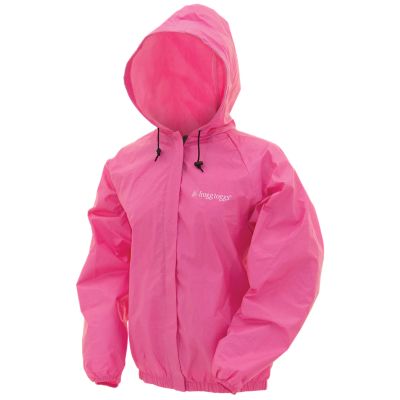
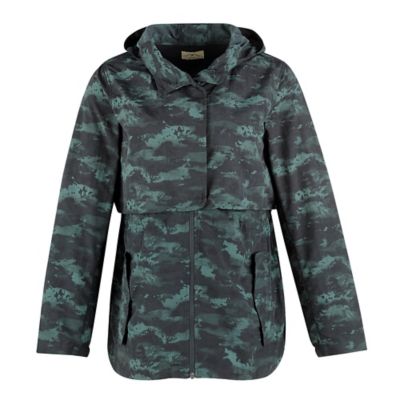
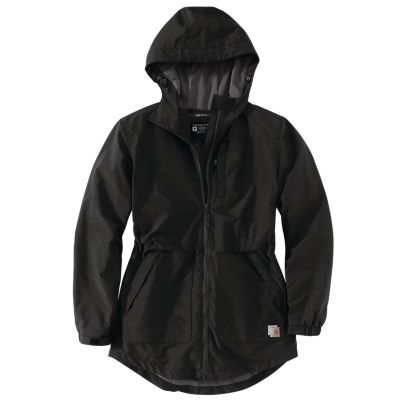
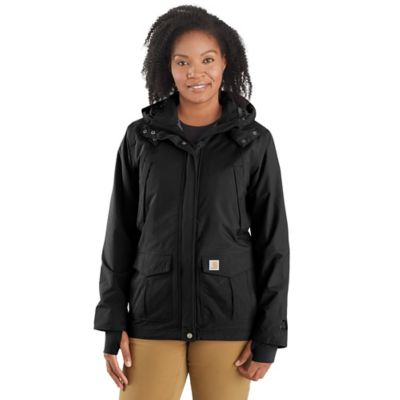
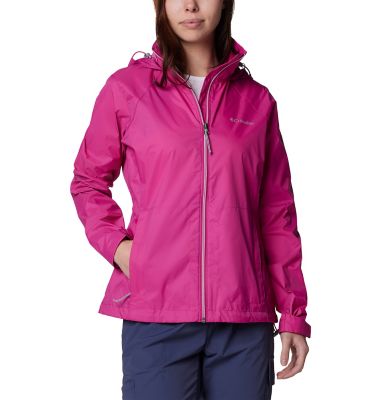
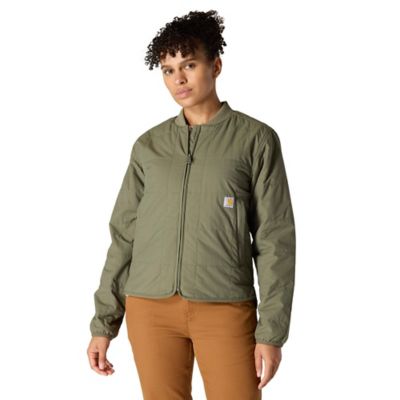
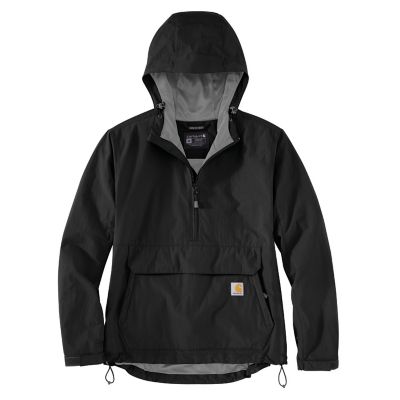
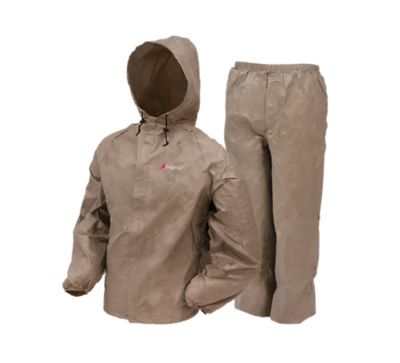
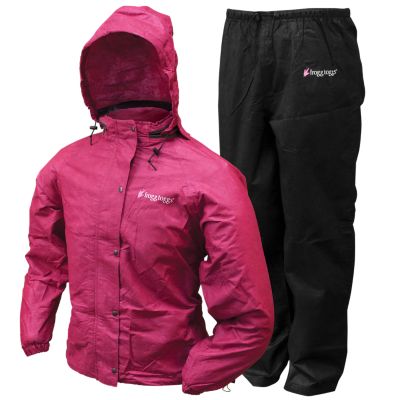
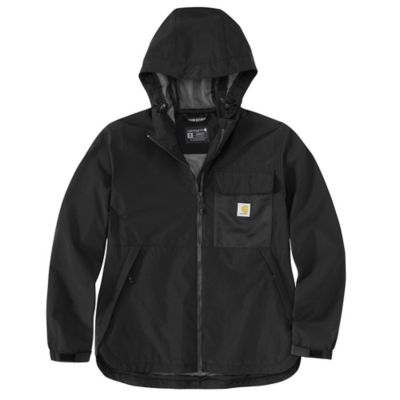
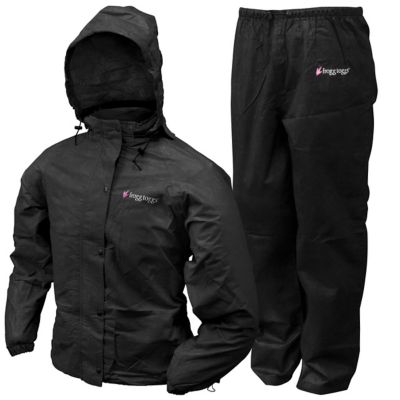
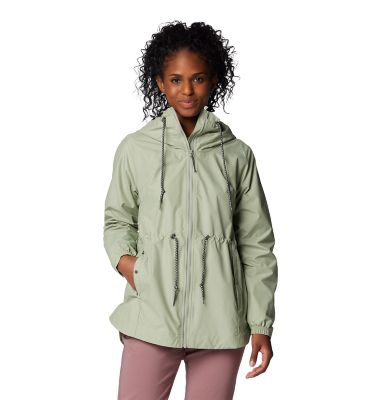
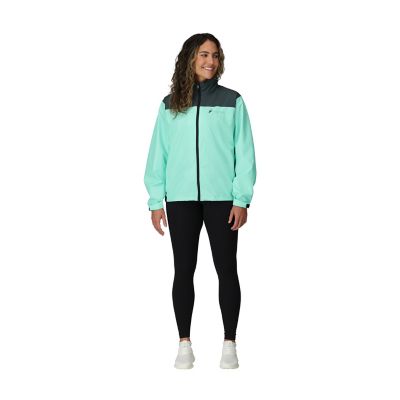
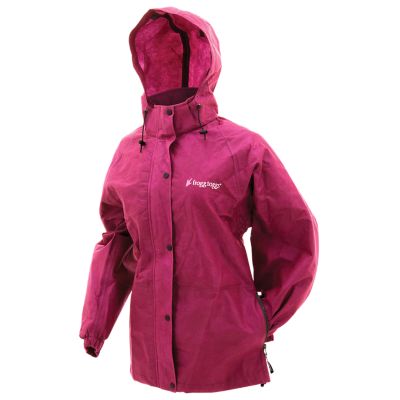
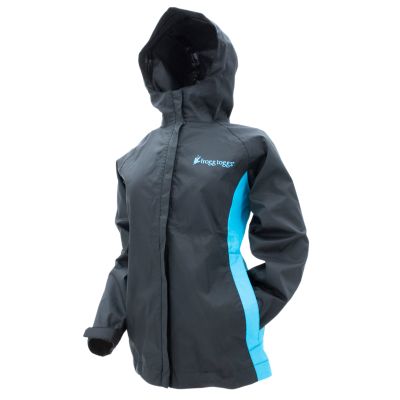
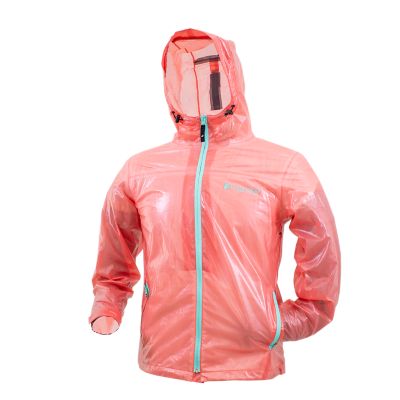
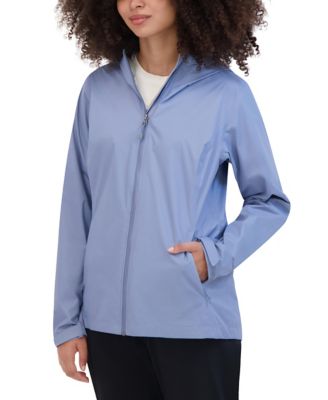
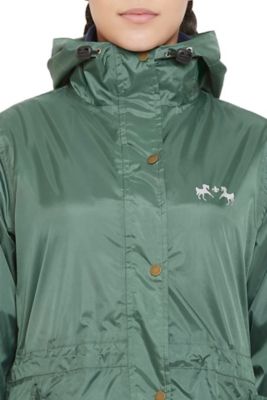
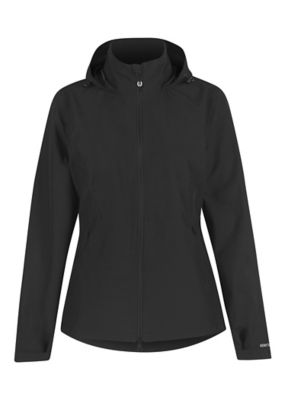
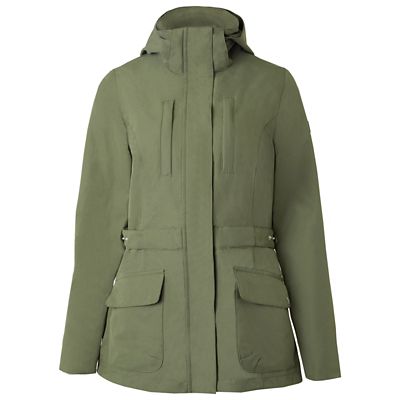
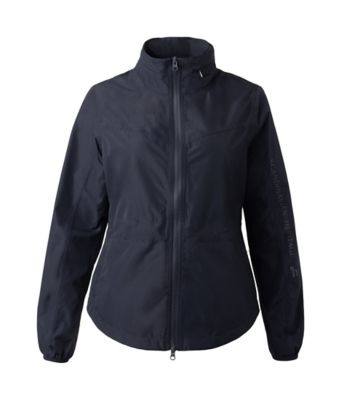
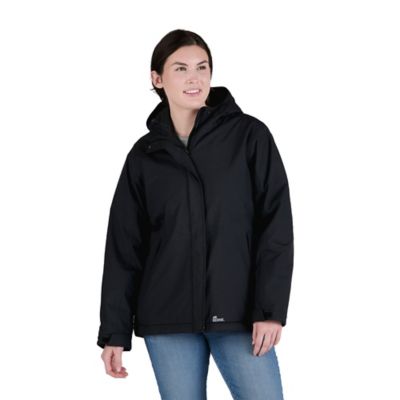
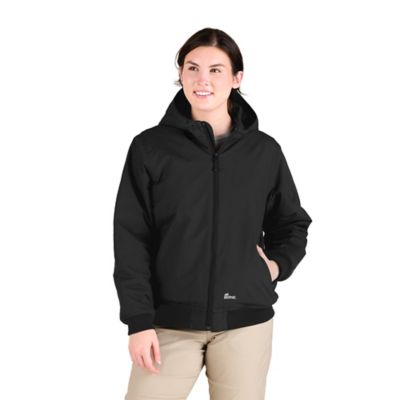
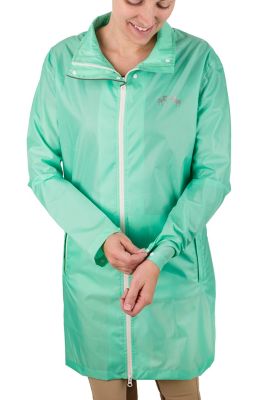
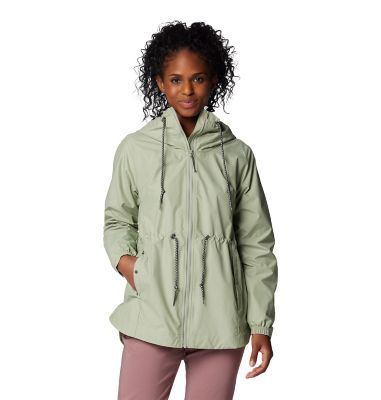
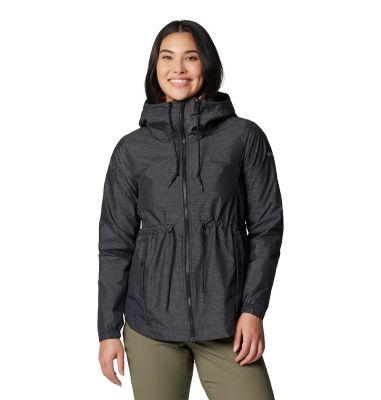
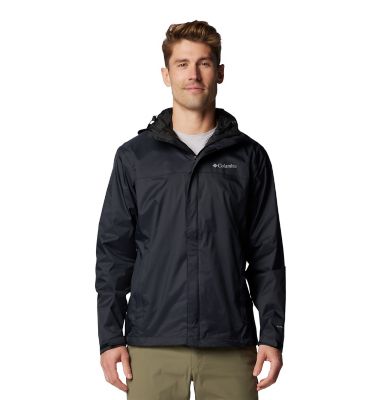
Women’s summer rain jackets bring lightweight rain protection to days spent feeding animals, walking fence lines, heading to work, or getting a few miles in on a trail. A summer rain shell has a different job than a heavily insulated coat: it needs to help keep rain out without holding in more warmth than necessary. Lightweight nylon and polyester are common shell fabrics because they can provide coverage without weighing down a daypack or feeling cumbersome over a T-shirt. The level of protection depends on the fabric construction, any waterproof coating or membrane, and how the seams and closures are finished. Water-resistant jackets can shed a passing sprinkle, but they are not the same as waterproof jackets built for longer exposure to rain. For steadier showers, waterproof fabric paired with fully sealed seams helps keep water from entering through stitching. A water-repellent surface treatment helps droplets bead and roll away from the outside; that treatment alone does not make a jacket waterproof. Breathability matters just as much when the air feels muggy and chores still need doing. Waterproof, breathable materials allow some moisture vapor to escape, though no shell can prevent all perspiration during hard work in humid conditions. Underarm zippers, covered back vents, and adjustable front openings can provide additional airflow where the design allows. An unlined shell keeps the construction simple and light, while a mesh lining can create a little space between damp skin and the outer fabric. Neither option guarantees a cool feel, and a lining can add weight, so the right balance comes down to activity and personal comfort. Someone making short trips between the house and barn may want an easy layer that slips on quickly. Someone walking across open pasture or spending an afternoon fishing may place more importance on seam sealing, hood coverage, and closures that help block wind-driven rain. Those differences make intended use more helpful than appearance alone when comparing lightweight rain jackets for women.
Fit makes a noticeable difference once a rain jacket leaves the coat hook. There should be enough room across the shoulders and upper back to reach for a gate latch, lift a feed scoop, or hold a leash without the sleeves pulling far above the wrists. A summer shell often goes over a short-sleeve shirt, but a little space for a thin long-sleeve layer can make it more useful on a breezy morning or an evening by the water. Too much extra fabric can flap in the wind or catch on equipment, while a close fit can limit movement and make the inside feel clammy. Articulated sleeves and shaped panels can support easier movement without requiring an oversized cut. Hip-length jackets leave the legs free for walking and stepping up into a truck, while longer hems offer more coverage over the seat and upper thighs. A two-way front zipper, when included, can let a longer jacket open from the bottom for sitting or taking a longer stride. Adjustable cuffs help keep loose sleeves out of the way, and a hem drawcord can bring the lower edge closer to the body when rain blows sideways. Hood fit deserves attention, too. An adjustable hood with a shaped brim can help direct runoff away from the face, but it should still turn with the head and leave a clear view to either side. That matters when checking a driveway before crossing or watching where a horse is stepping. Pocket placement is another practical detail: higher pockets can be easier to reach above a backpack hip belt, while roomy hand pockets offer a place to tuck gloves between tasks. Zippered pockets help contain small belongings, but a pocket is not necessarily watertight simply because it closes. Phones and other moisture-sensitive essentials benefit from separate waterproof protection. For everyday wear, a smooth front closure, comfortable neckline, and easy-to-grasp zipper pulls can matter every bit as much as color or silhouette, especially when hands are wet.
Packable women’s rain jackets make sense for outings where a shower is possible but carrying a heavy coat would be a nuisance. A shell that folds into its own pocket or a small pouch can ride in a trail bag, tuck beside a lunch sack, or come along on a camping trip without taking up much space. Very light fabrics favor easy packing, while somewhat heavier woven shells may better suit regular contact with backpack straps and the wear that comes with daily chores. Reinforced areas, sound stitching, and sturdy zipper construction can contribute to longer service, although rainwear is not a substitute for protective work clothing around sharp wire, thorns, or machinery. Care also plays a part in keeping a jacket ready for the next outing. The garment label sets the rules for washing, drying, and any treatment intended to restore water repellency. Many technical shells call for a gentle wash with a suitable cleaner and thorough rinsing, while fabric softeners and bleach may interfere with performance or damage materials. Some allow low heat to help refresh the surface treatment; others need different handling, so that step depends on the manufacturer’s directions. When water stops beading on the outside, the shell may need cleaning or a compatible reproofing treatment rather than immediate replacement. A saturated outer fabric can feel heavy and reduce comfort even when the waterproof layer underneath still blocks rain. Letting a jacket dry fully before packing it away helps prevent musty smells, and hanging it loosely between outings avoids leaving it compressed and damp. These practical details make summer rainwear a thoughtful gift for a gardener, dog walker, camper, or anyone who spends part of the day outside, provided the fit and activity match the person. For outings that call for rain protection with more room for warm layers or added insulation,
women’s winter rain jackets address a different set of needs. Summer shells keep the focus on manageable weight, ventilation, and coverage that works without unnecessary warmth.