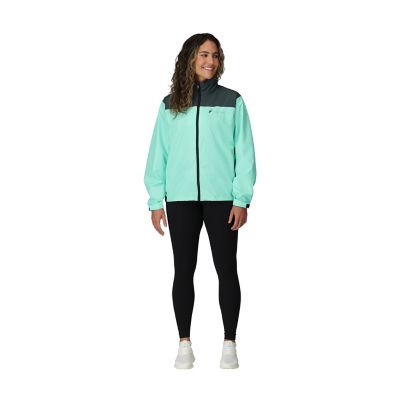
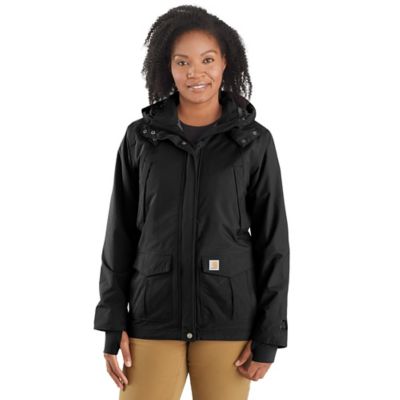
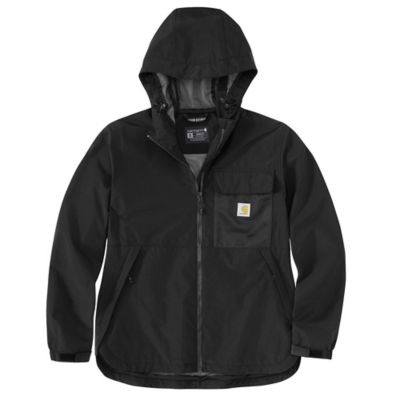
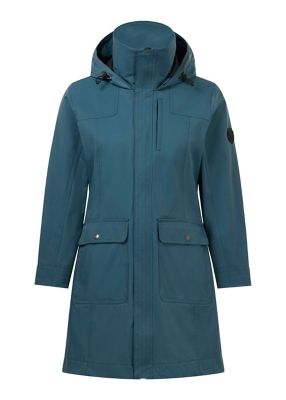
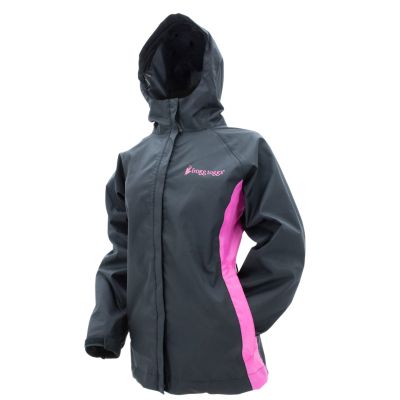
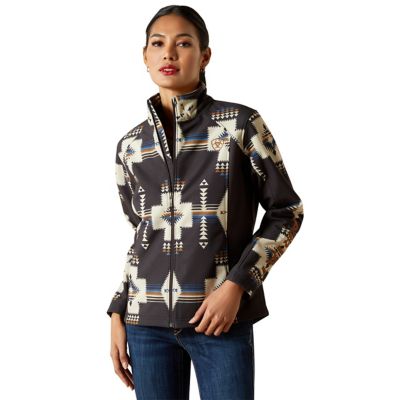
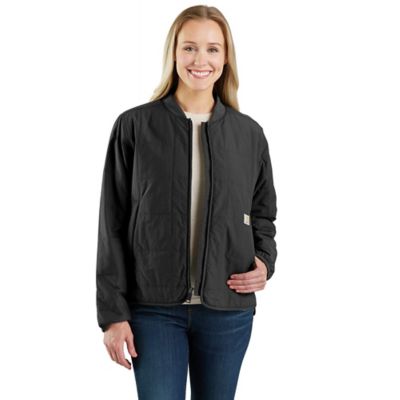
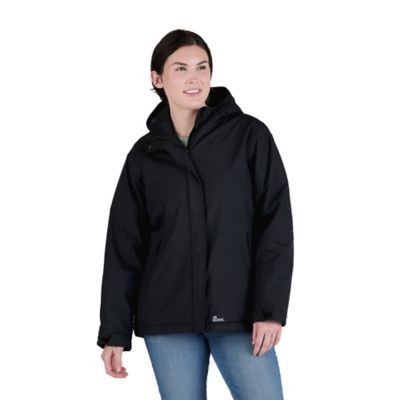
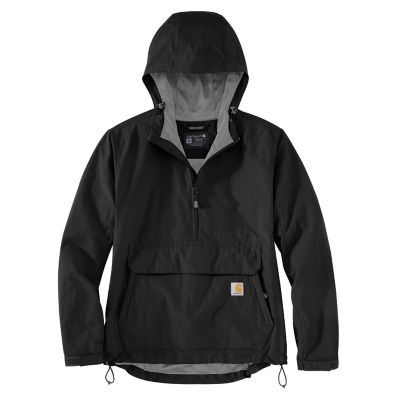
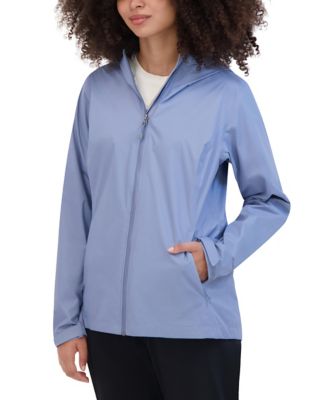
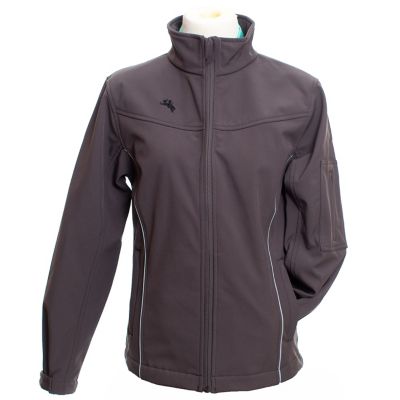
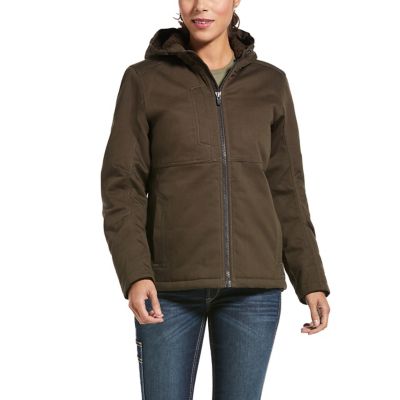
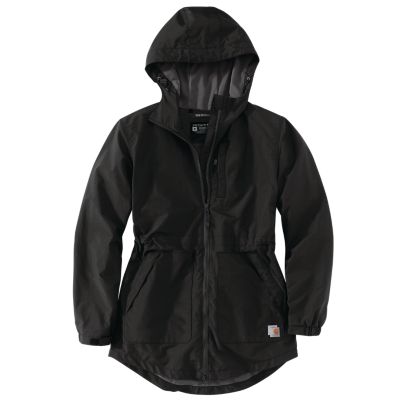
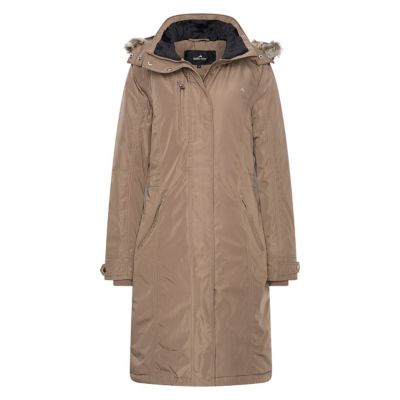
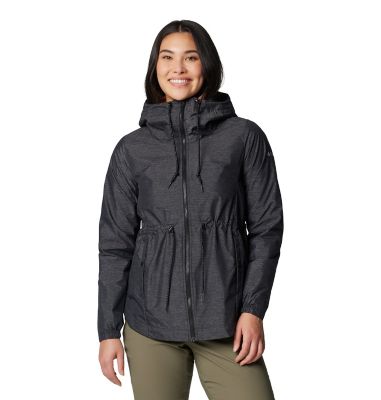
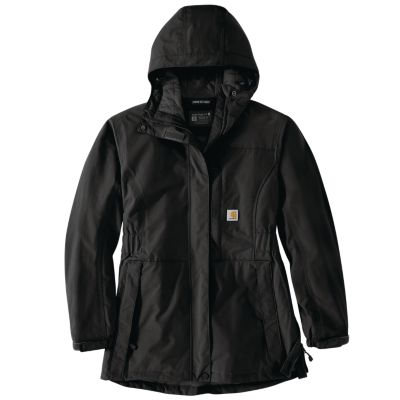
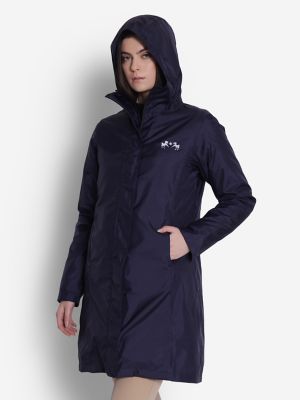
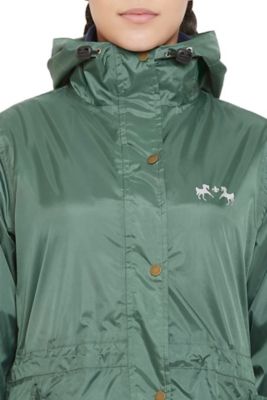
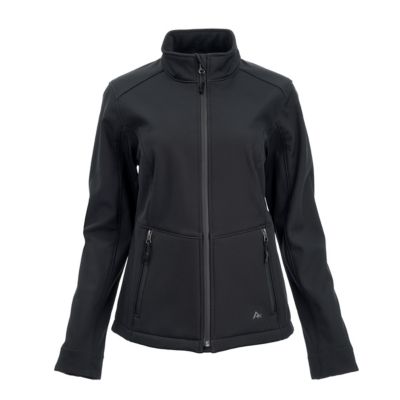
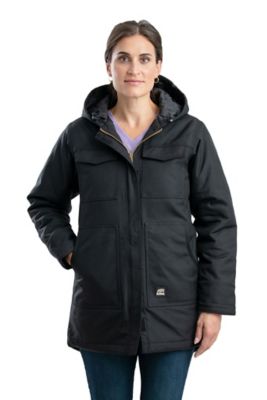
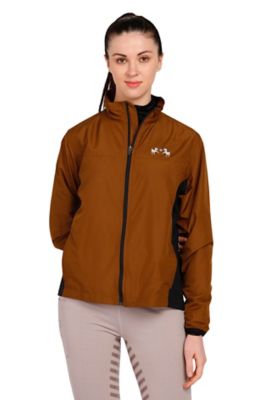
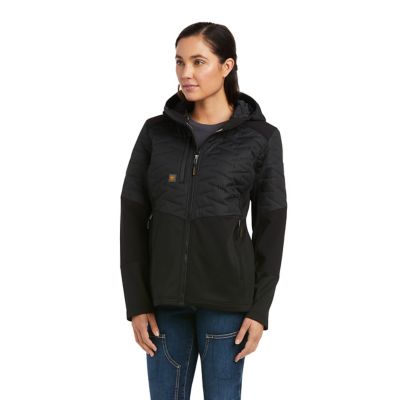
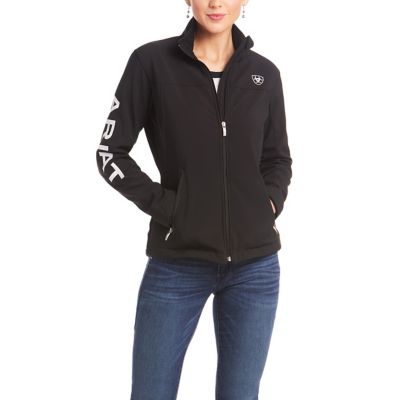
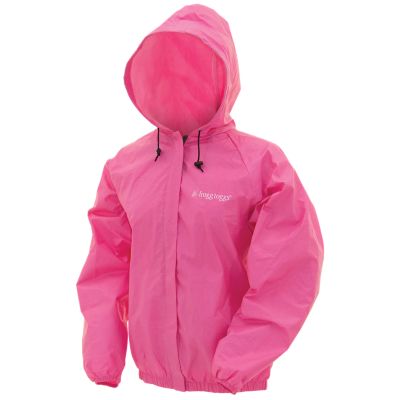
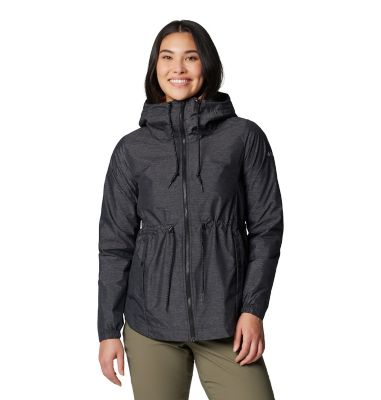
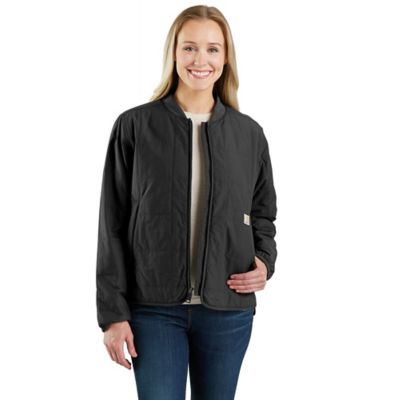
Women’s water-resistant jackets help shed light rain and splashes while adding an outer layer for chores, errands, and time outside. Water resistance is not the same as waterproof protection: a water-resistant jacket can handle brief, light moisture, but steady rain can eventually work through fabric, seams, or closures. Waterproof jackets generally combine a waterproof barrier with sealed seams and protective closures for more complete rain coverage; each garment’s stated protection matters. For a quick walk to the mailbox, feeding hens in a mist, or heading from the truck into town, a water-resistant shell may offer enough coverage. Longer stretches in soaking rain call for protection built for those conditions. Nylon and polyester are common shell materials, and a water-repellent finish can help droplets bead on the surface rather than soak straight into the outer fabric. That finish alone does not make a jacket waterproof. Smooth, lightweight shells generally take up less room in a tote or truck cab, while softshell styles often bring stretch and a softer feel for reaching, lifting, and walking. A lining can feel comfortable against the arms, and mesh linings may help keep the shell from resting directly against the skin. An uninsulated jacket works as an outer layer over whatever the day requires; an insulated style adds warmth but can feel like too much during hard work. Wind protection and breathability also vary by construction, so neither should be assumed from water resistance alone. Someone hauling feed bags may appreciate ventilation and freedom through the shoulders, while someone watching a ballgame from the sidelines may care more about coverage and room for a fleece underneath. The right balance depends on how long the jacket stays on, how much moving around the day involves, and whether it needs to tuck away easily once the rain lets up.
Fit makes a difference when a jacket has to do more than look good on a hanger. Women’s water-resistant outerwear can range from close-fitting cuts to relaxed shapes with extra layering room, and the size label alone does not tell the whole story. Shoulder width, sleeve length, and space through the chest and hips all affect comfort. With arms stretched forward as though holding a wheelbarrow handle, sleeves should still provide useful wrist coverage without pulling tightly across the back. Enough room for a sweatshirt helps on chilly, damp mornings, but too much loose fabric can feel cumbersome around gates, buckets, and hand tools. A hip-length hem offers straightforward everyday coverage, while a longer back hem can help cover the waist when bending to fill a water bowl or pick up a feed scoop. Hem adjustments allow a closer fit at the bottom, and adjustable cuffs can limit gaps around the wrists. Hood details deserve a look, too: an adjustable opening can help keep the hood in place, and a shaped brim may keep light rain away from the face. The hood should turn comfortably with the head without blocking side vision. A stand collar adds coverage at the neck, while a soft chin guard can keep the top of a zipper from rubbing. Pockets are practical working details, especially when there is a phone, a set of keys, or a pair of gloves to keep track of. Zippered pockets help secure small belongings, although a closed zipper does not necessarily mean the pocket is waterproof. An interior pocket can add another place to tuck essentials. For jackets that pack into a pocket or pouch, the packed size matters as much as the weight when space is tight. As a gift for someone who walks the dog, tends a garden, or spends mornings around the barn, a jacket is easier to get right when the fit leaves room for familiar layers and the closures are comfortable to handle.
Long-term wear depends on the fabric, construction, and the kind of work a jacket sees. A light shell that rides along for errands has different demands placed on it than outerwear brushing against fence rails or carrying straps every day. Tightly woven fabrics, reinforced high-friction areas, and neatly finished seams are details worth considering for regular chore duty, where offered. No water-resistant finish makes lightweight fabric thornproof or protects it from every snag, so matching the jacket to the task helps prevent disappointment. Care also plays a part in keeping an outer layer ready for the next damp day. Mud, skin oils, and detergent residue can affect how a water-repellent surface performs. The garment’s care label should set the washing routine, including water temperature, detergent choice, and drying method. Fabric softener and bleach are often restricted on technical outerwear, and heat should never be assumed safe simply because a jacket has a water-repellent finish. Some finishes respond to a specified drying treatment, while others need a compatible treatment reapplied according to the manufacturer’s directions. When rain stops beading and starts spreading across the face fabric, the surface may need cleaning or attention; that change alone does not establish whether an underlying waterproof barrier has failed. Emptying pockets, closing fasteners as directed, and letting the jacket dry fully before storage can help prevent avoidable wear and musty odors. A packable style is handy to carry, but it does not need to stay tightly compressed between outings. For a broader look at outerwear beyond light-rain protection, explore
Womens Weather Resistant Jackets and compare each garment’s stated coverage and construction. Whether the day means checking livestock, walking a muddy lane, or making a run to town, a well-matched jacket should let its wearer move comfortably, manage light moisture, and get on with the job without extra fuss.