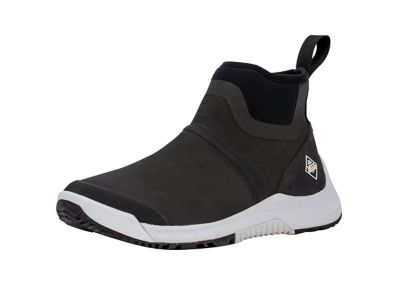
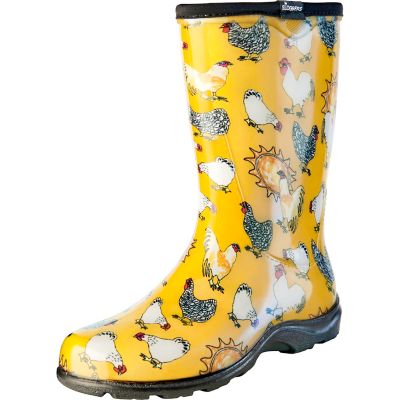
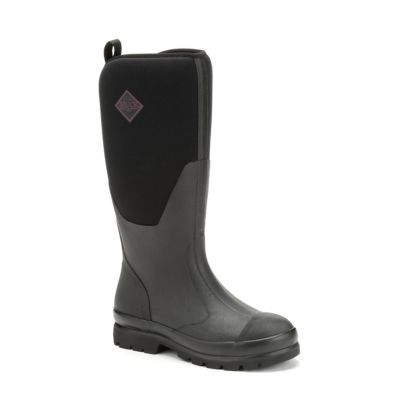
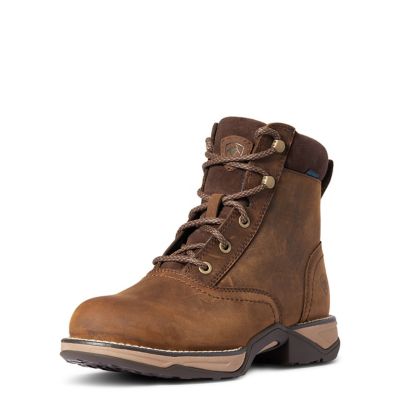
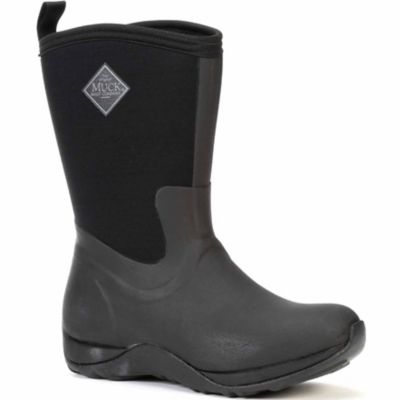
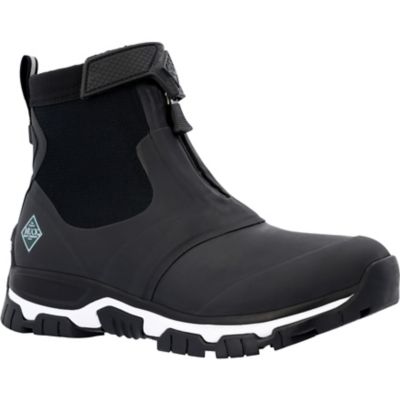
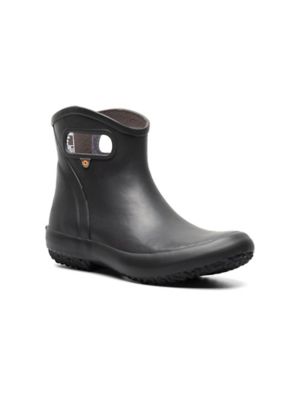
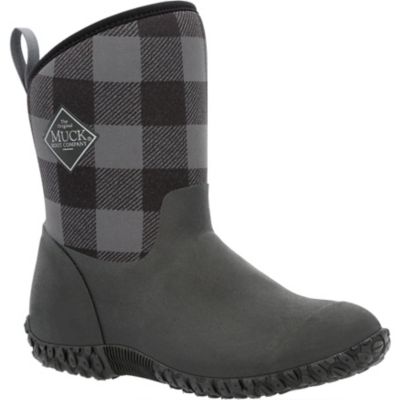
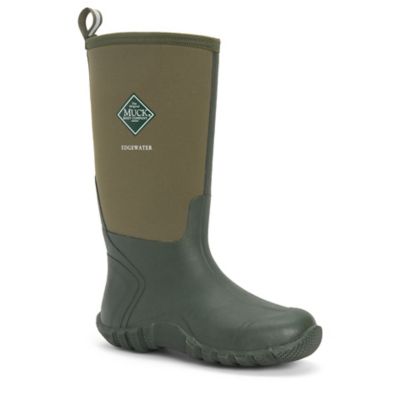
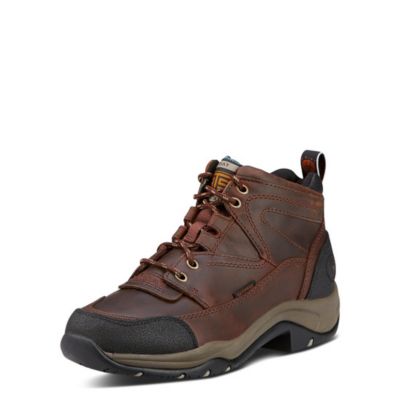
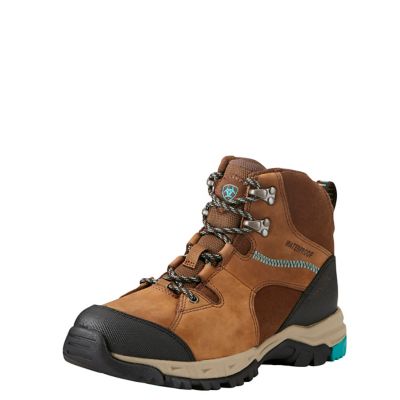
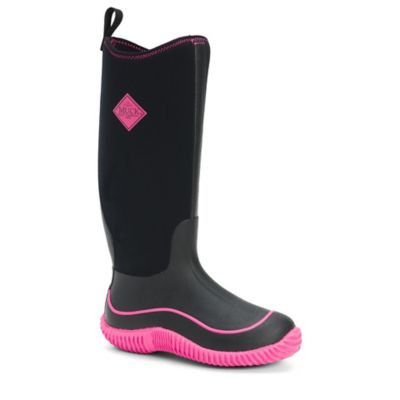
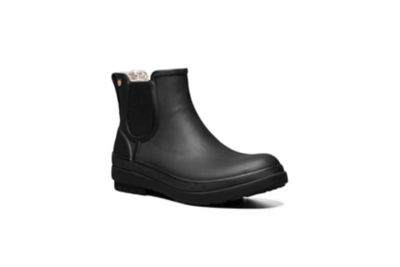
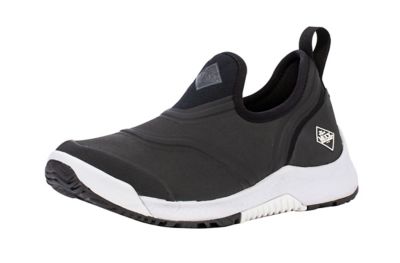
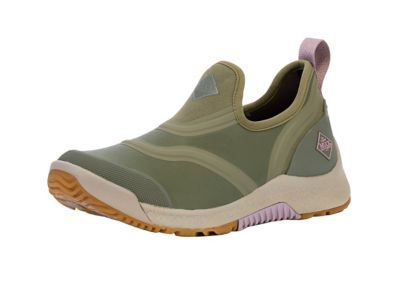
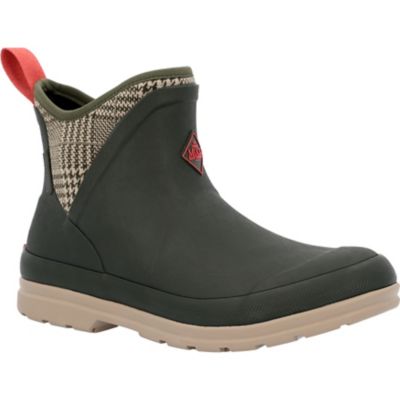
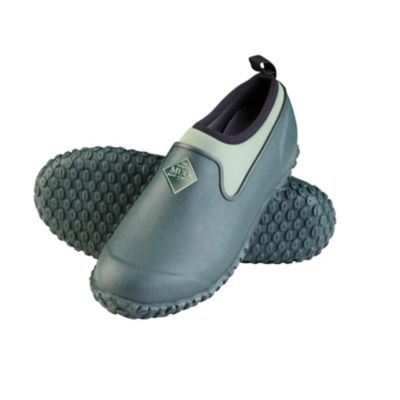
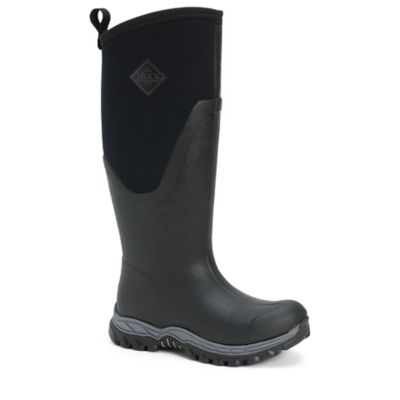
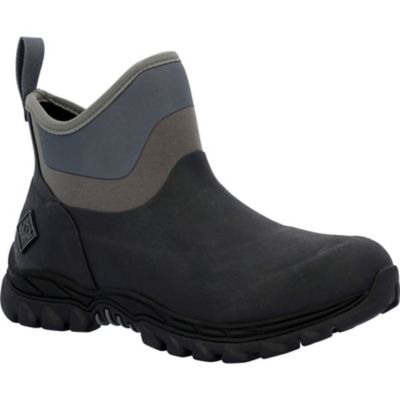
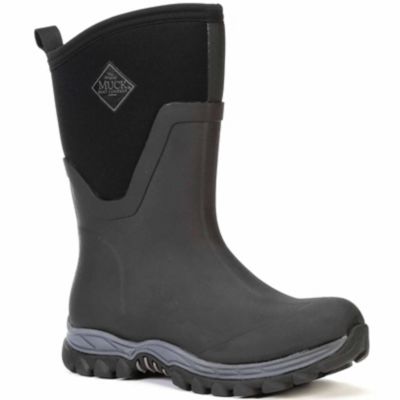
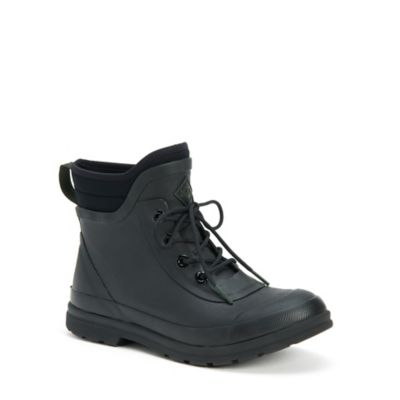
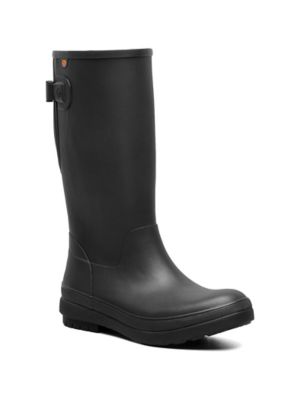
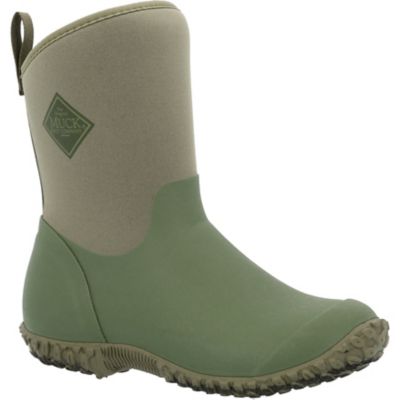
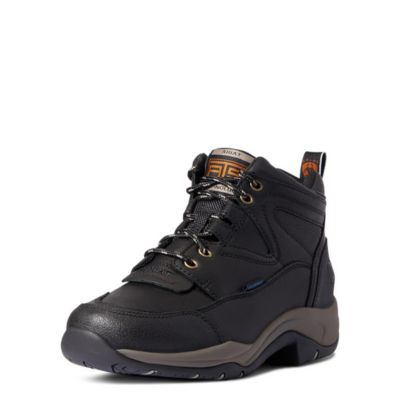
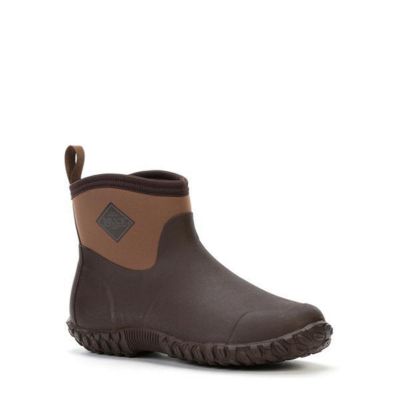
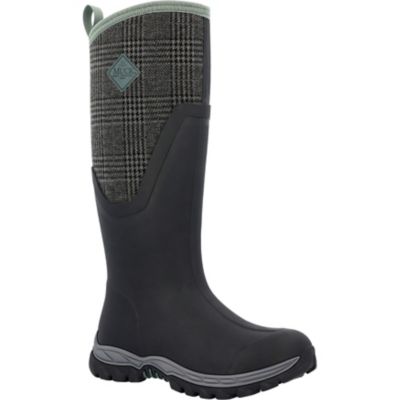
Women’s lightweight waterproof boots are made for days when the ground is wet, the trail is uneven, and a heavy pair of shoes would slow you down. They can be a handy choice for walking the dog through dewy grass, checking fence lines after a storm, heading to the barn before sunrise, or taking a fall hike when the path is covered with damp leaves. The best pairs balance weather protection with an easy, flexible feel, helping keep feet dry without the stiff, bulky weight often associated with traditional work boots. Look for waterproof construction that fits the way you plan to use the boots. A waterproof membrane can help block rain and puddles while allowing some breathability, while seam-sealed construction helps prevent water from working through the stitching. Leather, treated mesh, softshell fabric, and mixed-material uppers each offer different benefits. Leather may provide a sturdy feel and a little extra protection around brush and rough ground, while mesh and softshell panels can help reduce weight and improve flexibility. A gusseted tongue is another useful detail because it helps keep water, mud, and small bits of gravel from slipping inside around the laces. Waterproof boots are not always designed to be submerged for long periods, so it is still smart to avoid standing water deeper than the boot opening and to follow the care instructions for the upper material.
Comfort matters just as much as keeping out rain, especially when a pair will be worn for several hours at a time. Lightweight boots should bend naturally at the forefoot without feeling flimsy, and the midsole should provide enough cushioning to soften the impact of hard ground, gravel driveways, and packed trails. A supportive footbed can make a noticeable difference during long walks, chores, or travel, while a padded collar may help reduce rubbing around the ankle. If you spend time on slopes, rocky paths, or loose soil, pay close attention to the outsole. Deep lugs can help shed mud and offer dependable grip, while a varied tread pattern may provide more confidence when moving between wet grass, smooth flooring, and uneven ground. Some women prefer a streamlined, flexible boot for everyday wear, while others need a more structured design with added stability and a firm heel hold. Check the lacing system, ankle height, and overall fit with the socks you expect to wear. A little room at the toes allows for natural movement and thicker socks during cooler weather, but too much extra space can lead to heel lift and blisters. Trying boots on later in the day can also help account for the normal swelling that happens after hours on your feet. If you are shopping across categories, similar features can be found in
Mens Lightweight Waterproof Boots, with fit and sizing adjusted for the wearer.
These boots can pull their weight in practical settings while still looking at home with jeans, leggings, work pants, or casual outdoor clothing. Wear them for garden chores when the soil is damp, for errands on rainy roads, or for a weekend at the campground where the morning grass leaves shoes soaked before breakfast. They are also useful for travel because a lightweight pair takes up less room than a traditional rubber boot and can handle changing conditions along the way. For people who work outdoors, comfort and traction may be especially important; a boot that feels secure on a muddy slope or wet porch can make routine tasks easier and less tiring. They can also make a thoughtful gift for a daughter, wife, sister, friend, or anyone who spends time hiking, gardening, caring for animals, walking a dog, or working around the property. When giving boots as a gift, consider the recipient’s usual activities, preferred sock thickness, and whether she needs a roomy toe box or a closer, more athletic fit. To keep waterproof boots performing well, brush off dried mud, rinse away heavy dirt with clean water, and let them air-dry away from wood stoves, heaters, and direct high heat, which can damage adhesives or dry out leather. Remove the insoles when possible to help air circulate, and reapply a compatible waterproofing treatment when the manufacturer recommends it. During the warmer part of the year, lightweight construction can feel less cumbersome on wet trails and grassy paths; as cooler weather settles in, the same boots can pair with thicker socks for chilly walks and muddy chores. Choosing the right combination of waterproof protection, cushioning, traction, flexibility, and fit makes it easier to stay comfortable and sure-footed wherever the day leads.