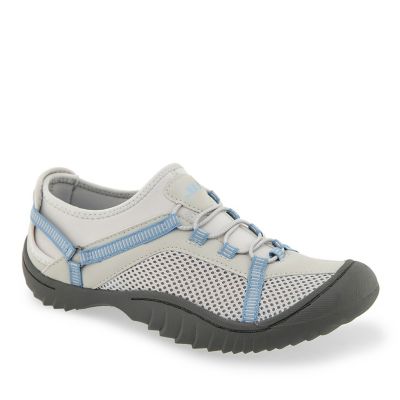
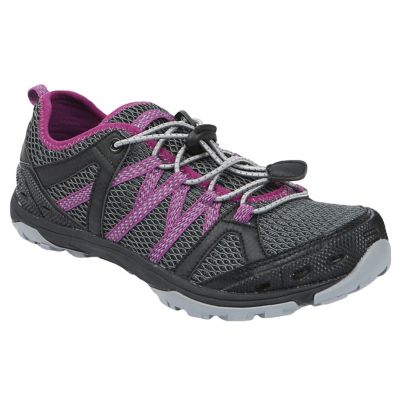
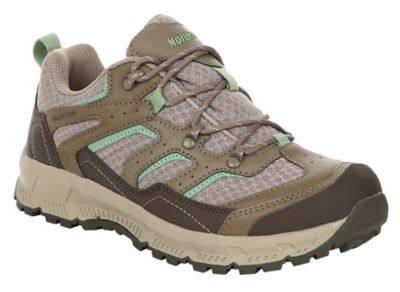
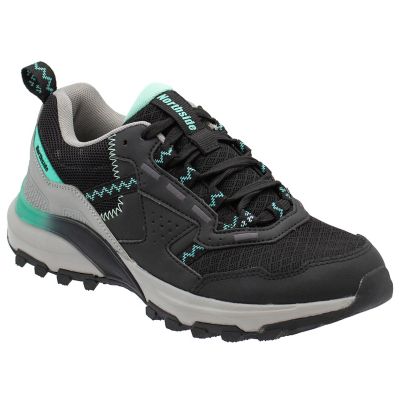
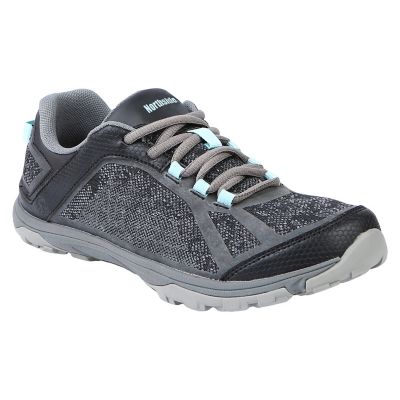
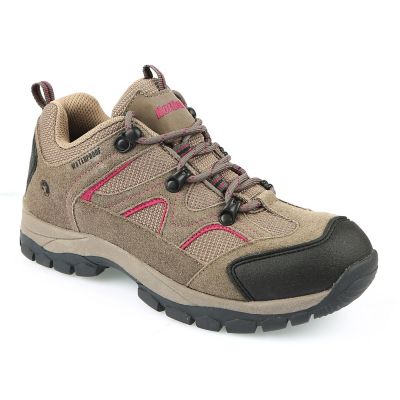
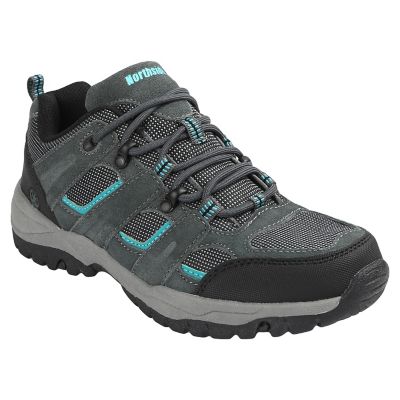
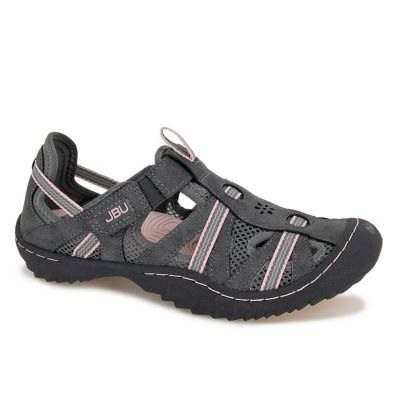
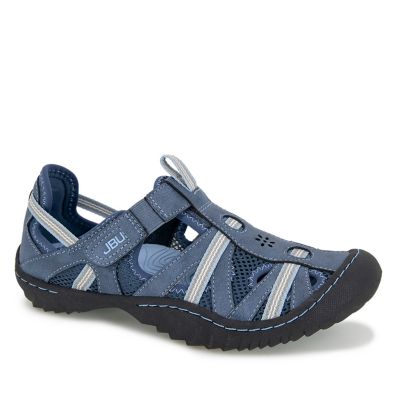
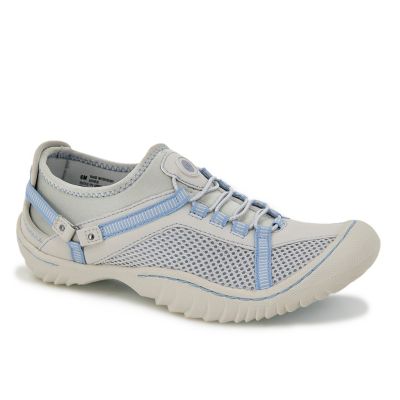
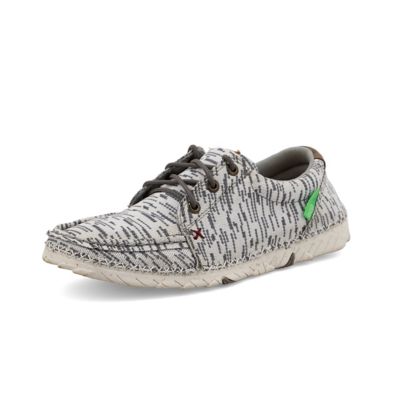
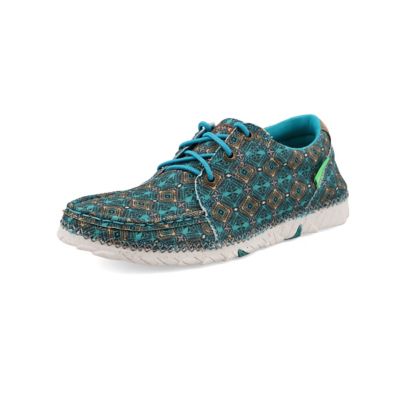
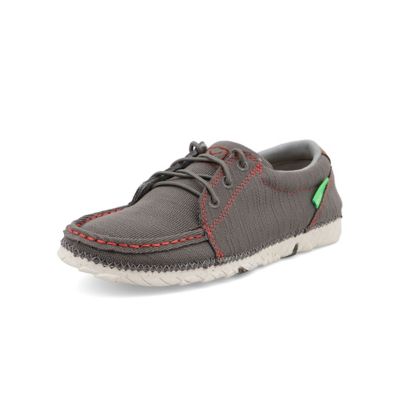
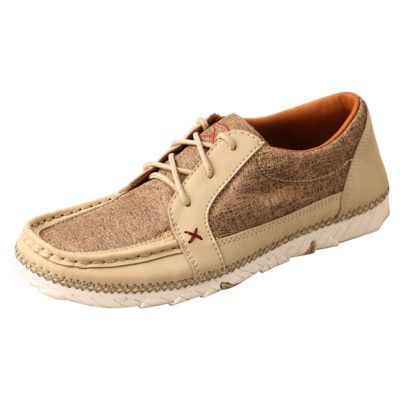
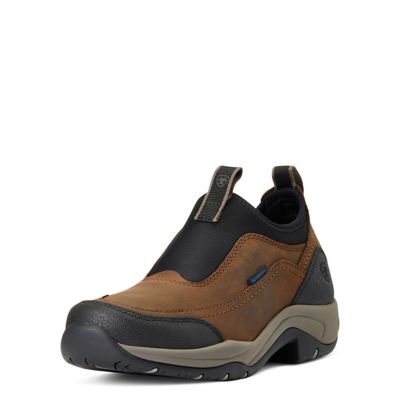
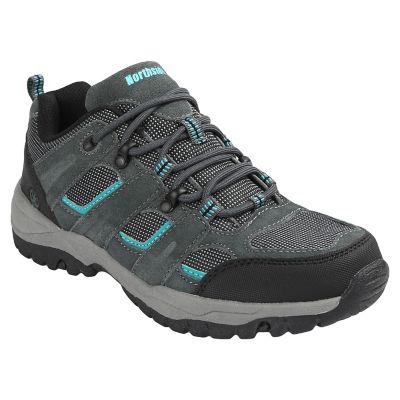
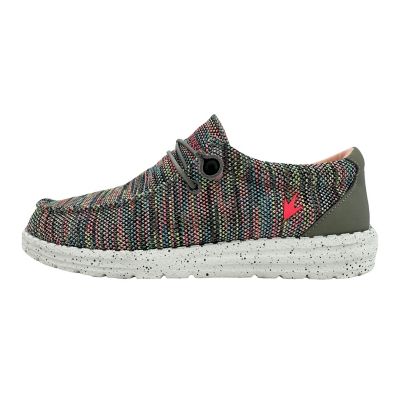
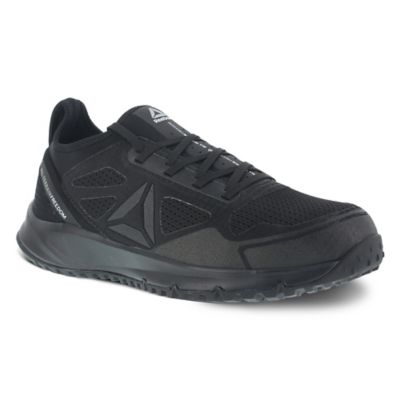
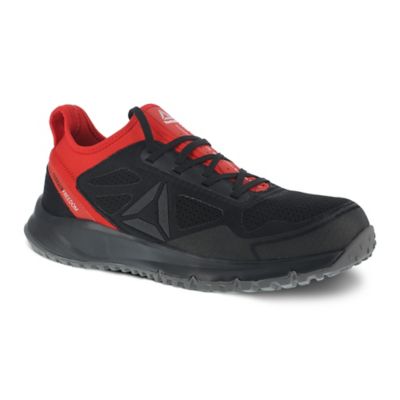
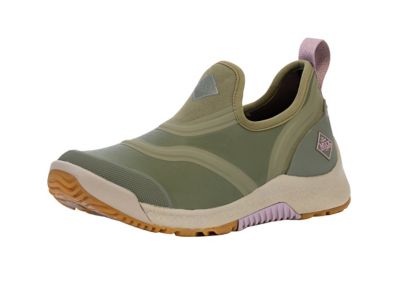
Women’s trail running shoes are built for more than a quick jog on a paved road. They’re made for the changing ground you find on wooded paths, gravel lanes, rolling hills and rocky trails, with features that help you stay steady when the surface gets loose, damp or uneven. A good pair usually combines a secure fit, dependable traction and enough cushioning to keep your feet comfortable over the miles. Look closely at the outsole before choosing a pair. Shallow lugs can feel smooth and flexible on packed dirt, grass and maintained paths, while deeper, more widely spaced lugs offer extra bite in mud, loose soil and rough terrain. A wider base can help provide a planted feel on slopes, and reinforced areas around the toe and heel add protection when roots, stones and fallen branches get in the way. Cushioning is another important consideration. Runners who spend long stretches on hard-packed trails may appreciate a softer, more cushioned midsole, while those who prefer to feel the ground beneath their feet may lean toward a lower-profile, flexible design. Heel-to-toe drop can also affect the way a shoe feels during a run, so it’s worth paying attention to whether you prefer a more level platform or a noticeable lift under the heel. There isn’t one right setup for every runner or every trail. The best choice depends on the ground you cover, your running style and what feels natural beneath your feet.
Fit matters just as much as traction, especially when a trail turns downhill and your feet slide forward inside the shoe. Leave enough room for your toes to spread without letting your heel lift, and try shoes with the socks you normally wear for running. A roomy toe box can be helpful for runners whose feet swell during longer outings, while a closer-fitting shape may feel more secure on steep, technical paths. Look for laces or other closure systems that hold the foot comfortably without creating pressure across the top. Breathable mesh can help release heat during warmer runs, while water-resistant treatments and waterproof construction are useful when trails are slick with rain, wet grass or shallow puddles. Keep in mind that waterproof materials can feel warmer, so they may be most useful for cooler months, damp conditions and muddy routes rather than every run. Trail running shoes can be a practical choice for a wide range of people, from experienced runners tackling rugged backcountry routes to beginners who are moving from neighborhood sidewalks onto local nature trails. They also work well for walking, hiking, daily chores around a rural property and outdoor travel when a regular athletic shoe does not provide enough grip. A pair can make a thoughtful gift for someone who enjoys sunrise runs, weekend trail outings, charity races or long walks with the dog. If you’re buying for someone else, a gift card or a quick check of their preferred size and fit can prevent the common trouble of guessing. Pay attention to the type of terrain they enjoy, too. Someone who sticks to smooth park paths may want a lighter, more flexible shoe, while a runner who spends time on steep, rocky ground may value a tougher upper, stronger side support and aggressive tread.
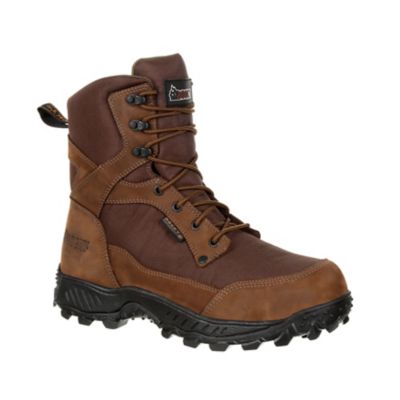
Before heading out, give new shoes a little time to settle in. Wear them for short walks or easy runs first, paying attention to rubbing at the heel, pressure around the toes or slipping on inclines. A properly fitted shoe should feel secure without needing to be cinched so tightly that your feet go numb. Pairing trail shoes with moisture-wicking socks can help reduce hot spots, and gaiters may keep grit, leaves and small stones from working their way inside on dusty or brushy routes. During the cooler months, inspect the tread after muddy runs and rinse away packed dirt before it dries hard around the lugs. Let shoes air-dry at room temperature rather than placing them beside a heater, since high heat can affect adhesives and materials. Rotate between pairs if you run often, and replace shoes when the tread is worn smooth, the cushioning feels flat or the upper no longer holds your foot securely. For runners who spend more time walking rough ground or carrying gear, a sturdier option may be a better match; compare women’s trail running shoes with
Men's Trail Running Boots when shopping for another outdoor footwear style. Whether you’re following a narrow path through pine trees, crossing a grassy field after a light rain or working your way over a rocky ridge, the right trail shoes can help you move with more confidence and comfort. Choose based on your usual routes, local weather, fit preferences and the kind of support your feet need, then keep the pair ready for the next stretch of trail.