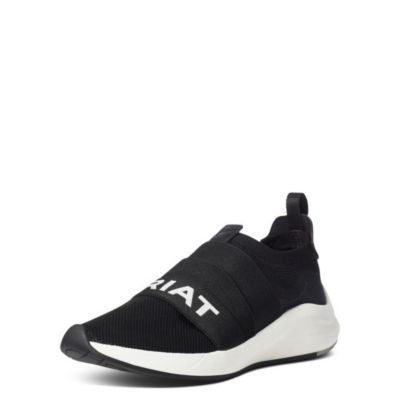
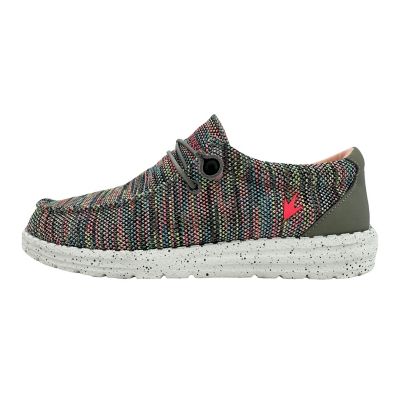
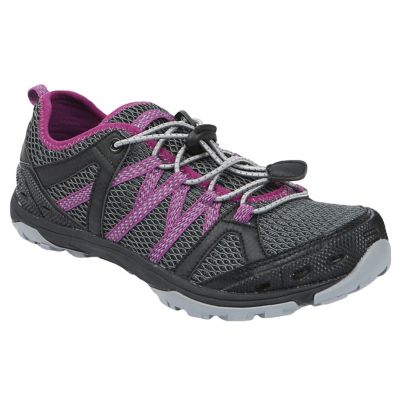
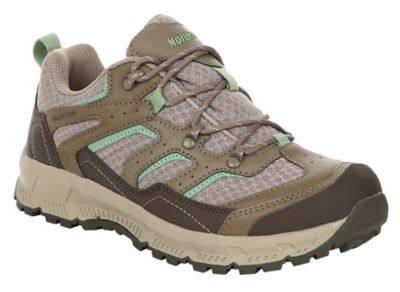
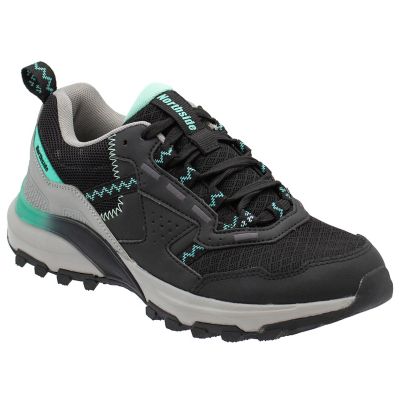
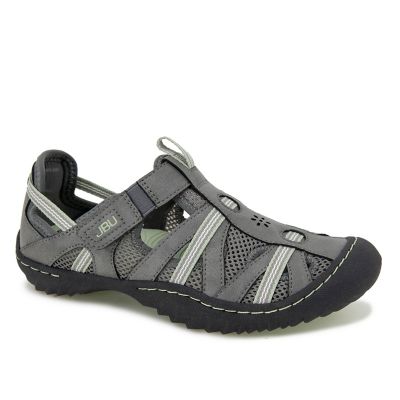
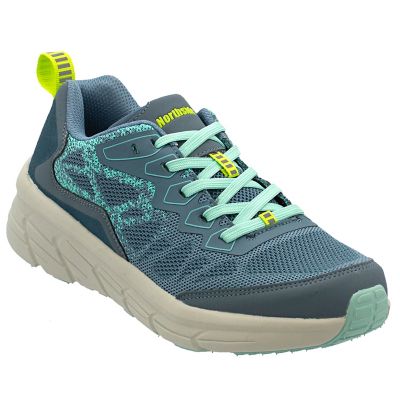
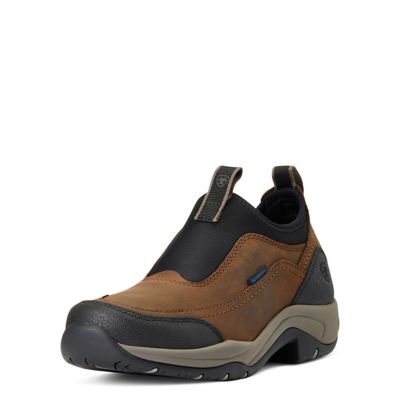
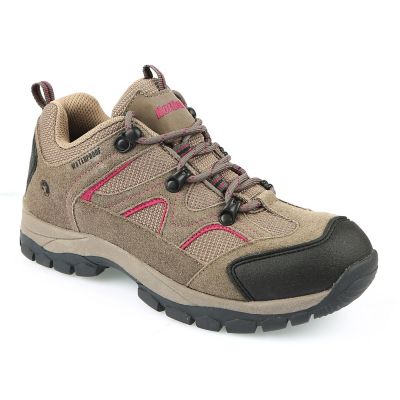
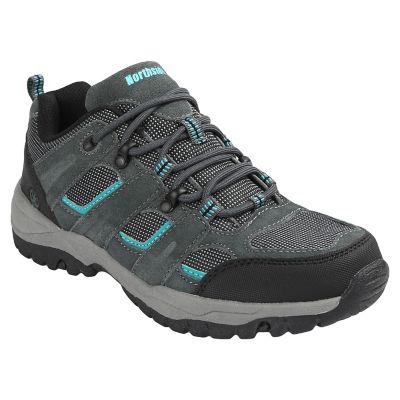
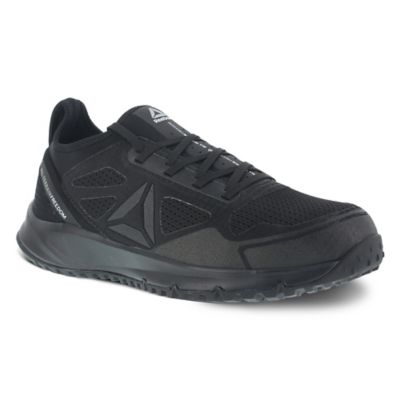
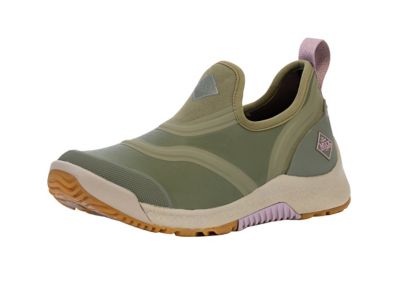
Women’s lightweight trail running shoes are built for moving comfortably over dirt paths, gravel lanes, wooded trails, and uneven ground without the heavy feel of a traditional hiking boot. They can be a handy choice for trail runners, day hikers, walkers, campers, and anyone who spends time outdoors on changing terrain. Compared with road-running shoes, trail styles typically have an outsole with deeper lugs to help bite into loose soil, grass, roots, and packed mud. The best pair balances a light, flexible feel with enough protection and support for the route ahead. Look for a stable base, responsive cushioning, and a secure upper that holds the foot in place without pinching. A well-fitting shoe should feel snug around the heel and midfoot while leaving enough room for the toes to spread naturally, especially on downhill sections. Many runners prefer a little extra space in front because feet can swell during a long outing, and thicker socks may be useful during cooler months. Try shoes on near the end of the day, when feet are often at their largest, and wear the socks you expect to use on the trail. Pay close attention to rubbing at the heel, pressure across the top of the foot, or toes touching the front of the shoe. Those small annoyances can become much more noticeable after several miles. For a dependable fit, use the lacing system to lock the heel in place and walk up and down a slope if possible. Women’s-specific designs may account for common differences in heel width, overall shape, or fit, but comfort remains personal, and the right choice is the one that matches your foot and your usual terrain.
Traction is one of the most important details when choosing women’s lightweight trail running shoes. Shallow, closely spaced lugs can roll smoothly over hard-packed paths and work well for mixed road-to-trail routes, while deeper, more aggressive lugs are better suited to soft dirt, mud, and rugged ground. A flexible forefoot helps with natural movement over roots and rocks, while a firm heel and stable midsole can make uneven surfaces feel more manageable. Cushioning preferences vary, too. Some runners enjoy a softer, more forgiving ride for long miles or daily walks, while others prefer a responsive feel that makes it easier to notice the trail and adjust each step. Heel-to-toe drop, or the difference in height between the heel and toe, is another consideration. A higher drop may feel familiar to someone transitioning from traditional running shoes, while a lower or zero-drop design can encourage a more level foot position. Changes in drop should be made gradually, since calves and feet may need time to adapt. For rocky routes, a protective toe cap and a sole with good underfoot coverage can help guard against bumps and sharp edges. For wet grass, puddles, and shoulder-season rain, a waterproof membrane helps keep water out, though it may feel warmer and less breathable than a standard mesh upper. Breathable mesh can dry faster and release heat during hard efforts, making it a practical option for dry trails or warm afternoons. No shoe handles every condition perfectly, so think about the places you actually go: a maintained park loop calls for different traction than a steep, muddy trail behind the farm. Lightweight trail shoes are also useful for travel, outdoor chores, dog walks, and casual hikes, making them a thoughtful gift for a friend who enjoys walking, camping, running, or exploring local paths.
Before heading out, give a new pair a few shorter outings so the upper and footbed can settle in and you can learn how the laces feel on climbs and descents. Check the tread after muddy walks and brush away packed dirt before it dries hard between the lugs. If the shoes get wet, loosen the laces, remove the insoles, and let everything dry in a shaded, well-ventilated spot. Direct heat from a heater, fireplace, or sunny window can damage adhesives and make materials stiff. Rotating between pairs can give the cushioning time to recover and helps extend the useful life of each shoe. During cooler, wetter stretches of the year, socks made for running or hiking can help manage moisture better than heavy cotton, while gaiters may keep grit, leaves, and small stones from working their way inside. Keep in mind that lightweight construction may trade some long-term ruggedness for a quicker, more agile feel, so inspect the outsole, stitching, and midsole regularly if you run on rough ground. A runner who spends most of her time on smooth paths may value low weight and flexible cushioning, while someone tackling rocky hills may prefer a little more structure and protection. For shoppers comparing options for another member of the family, you can also browse
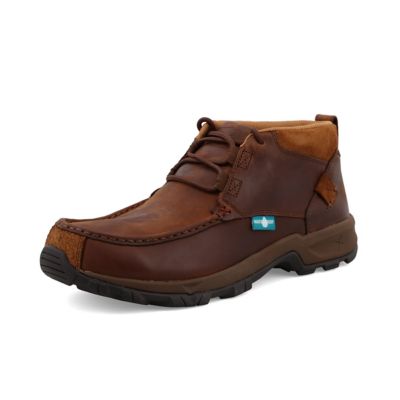
Men's Trail Running Boots for trail footwear in men’s sizes and fits. With the right combination of grip, fit, cushioning, breathability, and weather protection, women’s lightweight trail running shoes can make a morning loop, a weekend hike, or a long walk with the dog feel steady and comfortable from the first step to the last.