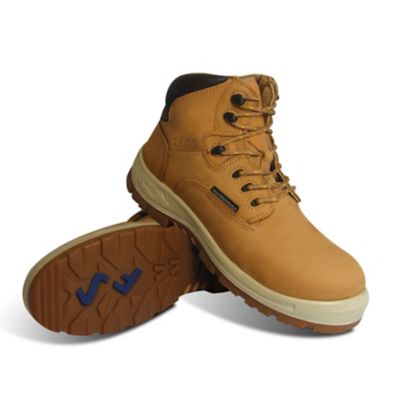
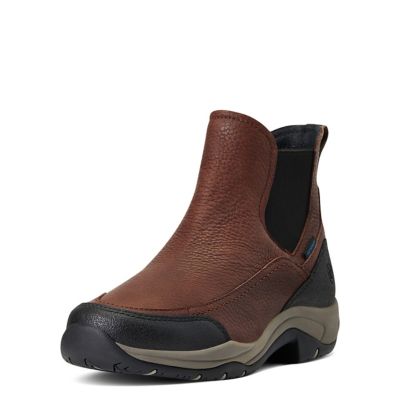
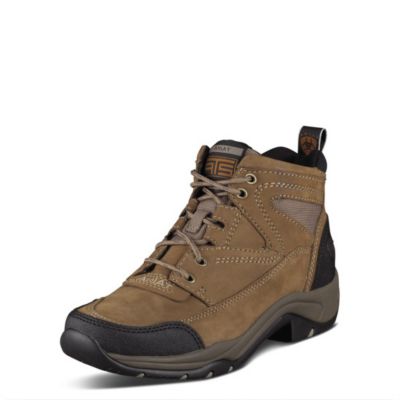
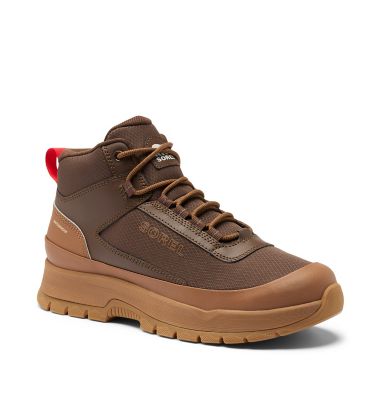
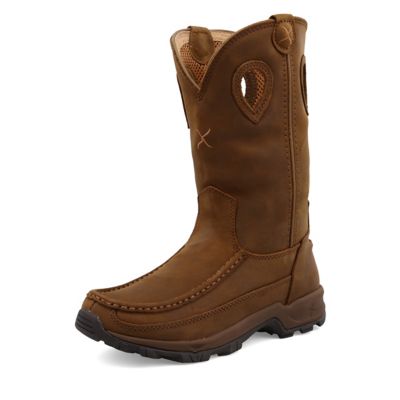
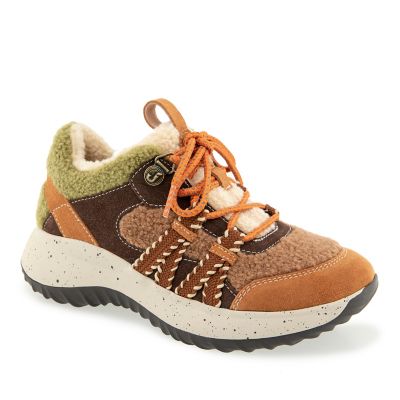
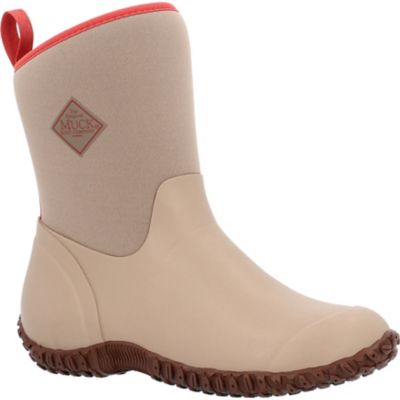
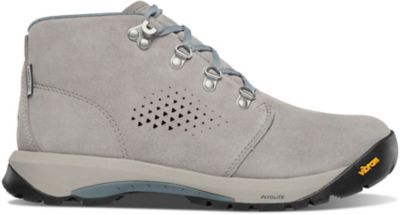
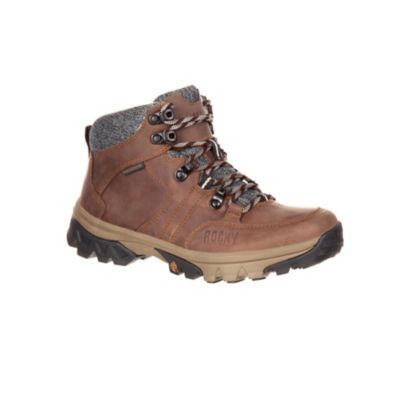
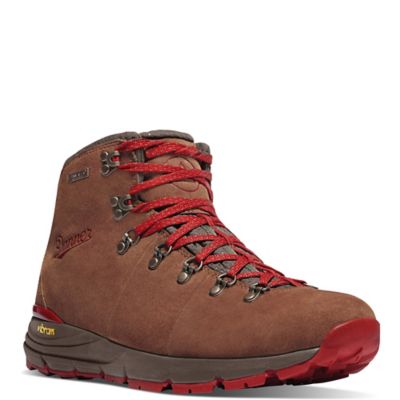
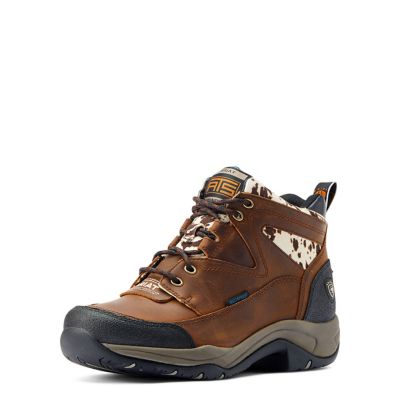
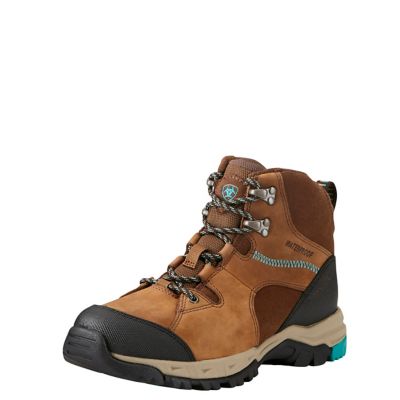
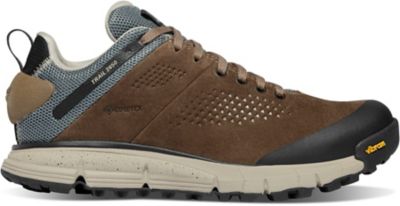
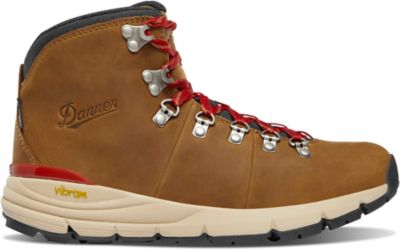
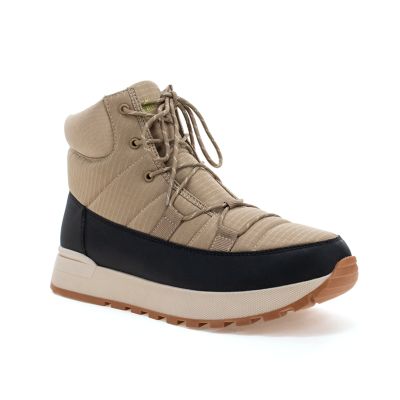
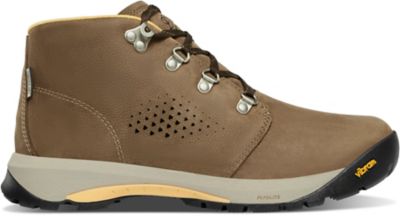
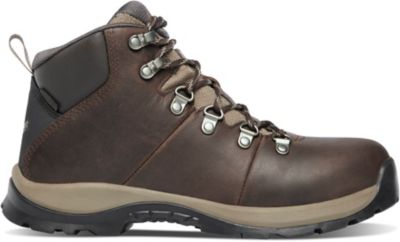
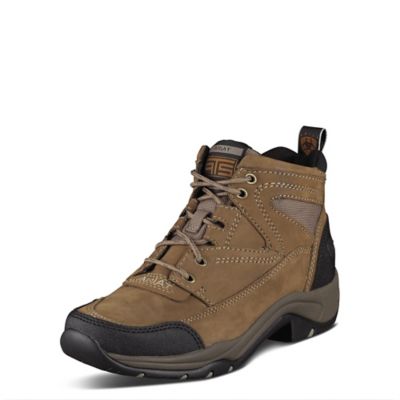
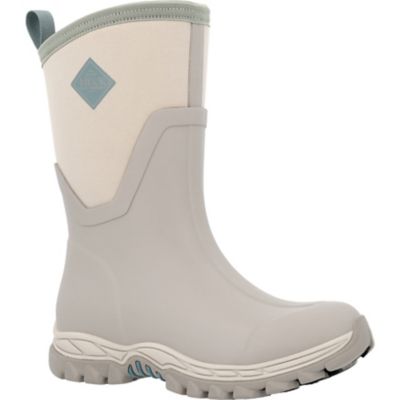
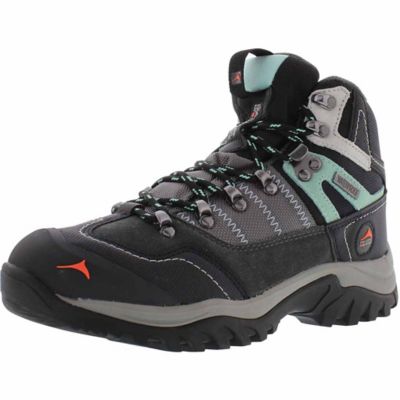
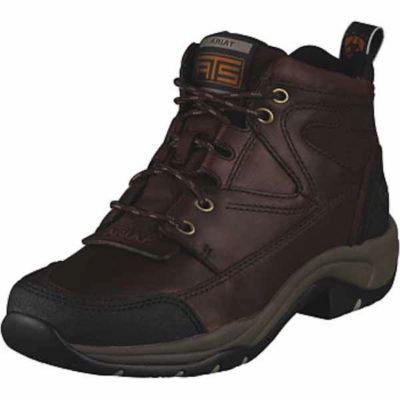
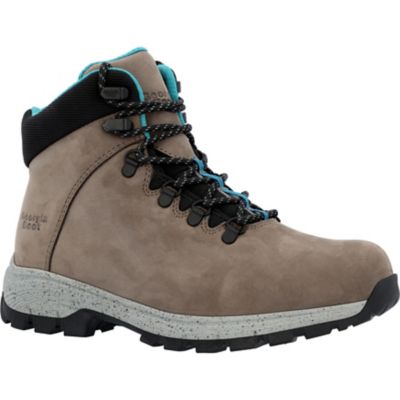
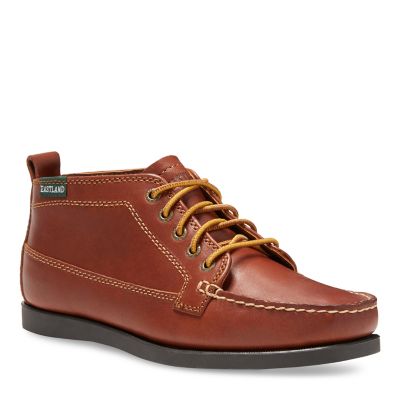
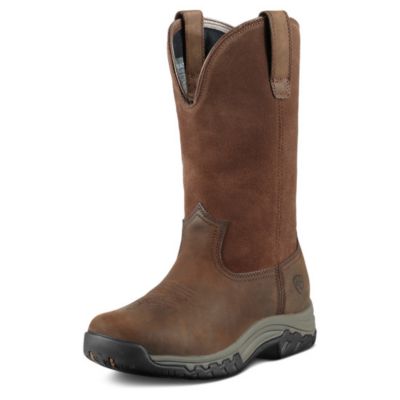
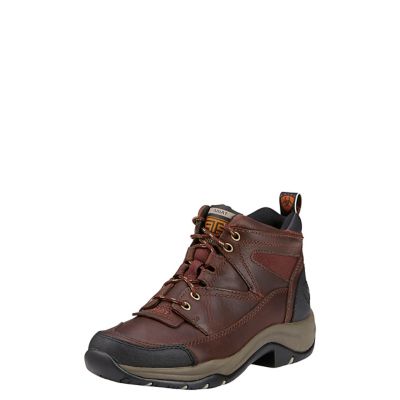
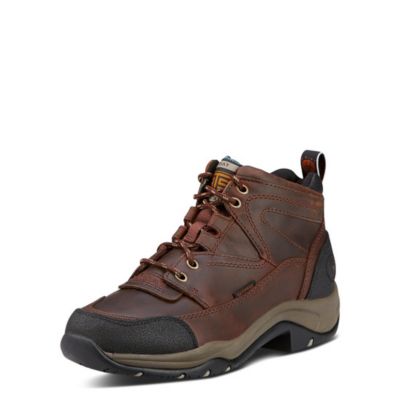
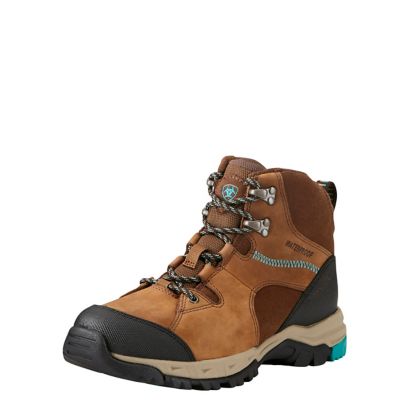
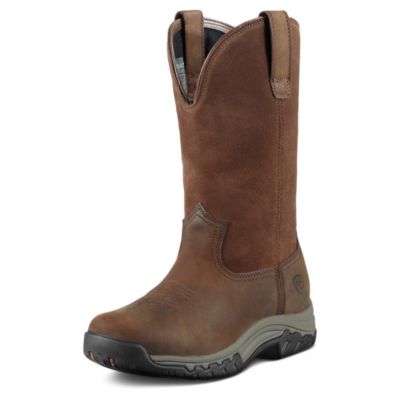
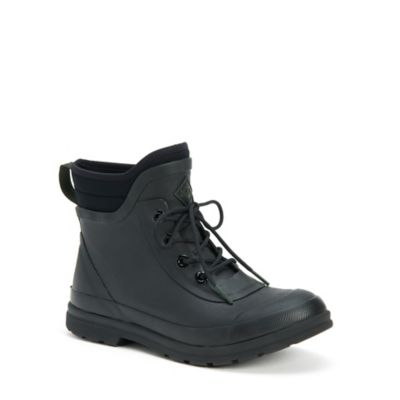
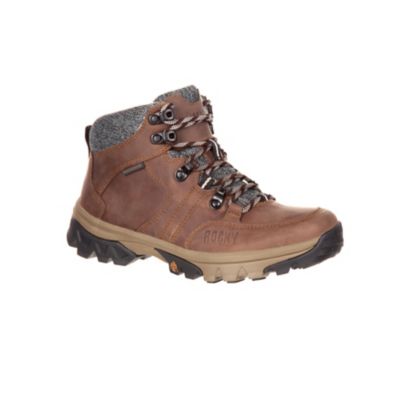
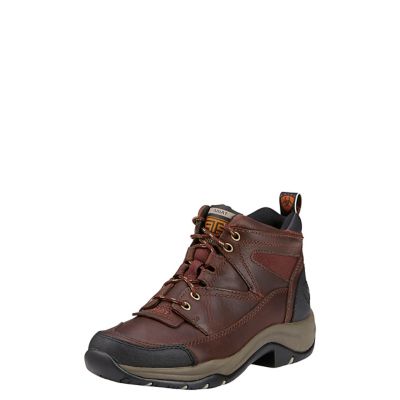
Women’s tan hiking boots bring together trail-ready performance and an easygoing look that works well beyond the path. The warm brown and tan shades pair naturally with jeans, canvas pants, workwear, and outdoor layers, making them a practical choice for women who spend time on the farm, around the yard, at the campsite, or on wooded trails. A good pair can handle gravel roads, grassy fields, packed dirt, and uneven ground while still feeling at home with everyday clothes. When choosing women’s tan hiking boots, start with the kind of ground and weather you expect to cover. A low-cut style offers a lighter, more flexible feel for walking, travel, and maintained trails, while a mid-cut boot gives added ankle coverage and support on rocky, root-covered, or sloping terrain. Higher collars can help keep out loose dirt, leaves, and shallow snow, though they may feel warmer and less flexible. The best fit should feel secure at the heel and through the midfoot without squeezing the toes. Leave enough room for your toes to spread naturally and for the thicker socks you may wear during the cooler months. Try boots on later in the day, when feet have had time to swell a little, and walk on a hard floor to check for rubbing, slipping, or pressure points. A cushioned footbed and supportive midsole can make a noticeable difference during a long day outside, especially when carrying a daypack or walking over hard ground. If you have a wider foot, look for a roomier toe box or a wide-fit option rather than simply sizing up, since extra length can allow the heel to slide.
Materials and construction also matter when comparing women’s tan hiking boots. Leather, nubuck, and suede offer a rugged appearance and can stand up well to regular outdoor use when cared for properly. Smooth leather is generally easier to wipe clean, while nubuck and suede have a softer, broken-in look that adds character over time. Durable synthetic materials can help keep the weight down and may dry more quickly after a damp walk. For wet grass, muddy paths, and changing weather, look for a waterproof membrane or a clearly labeled waterproof construction. Waterproof boots help keep rain and puddle splash outside, but they still benefit from breathable panels, moisture-wicking socks, and time to air out between wears. Water-resistant treatments can be useful for light moisture, though they are not the same as a fully waterproof design. A gusseted tongue helps limit water and debris entering around the laces, and sealed seams add another layer of protection. Underfoot, look for a rubber outsole with a deep, well-spaced lug pattern. Lugged tread helps provide traction on dirt, loose gravel, wet leaves, and muddy ground, while a firm heel and stable platform can improve confidence on uneven terrain. Some hikers prefer a more aggressive outsole for backcountry routes, while a moderate tread may feel smoother for walking around town or working around the property. Flexibility is worth considering as well: a boot that bends comfortably near the ball of the foot can feel natural on easy trails, while a stiffer sole may offer better protection from rocks and rough ground. Break in leather or nubuck boots gradually with short walks before taking them on a full-day outing. Keep dirt brushed away, follow the care instructions for the material, and let damp boots dry at room temperature rather than placing them beside a heater.
Women’s tan hiking boots can be useful for a wide range of people, from weekend hikers and campers to gardeners, dog walkers, travelers, and anyone who spends long hours outdoors. They are especially handy during the shoulder seasons, when cool mornings, damp ground, and changing conditions call for more protection than ordinary sneakers. A pair can make a thoughtful gift for a daughter heading to college, a friend who enjoys camping, a new homeowner tackling outdoor projects, or a family member who loves exploring local trails. For a gift, pay close attention to fit and consider including a gift receipt, since foot shape and preferred cushioning vary from person to person. Women who work around barns, fields, kennels, and busy homesteads may also appreciate a supportive boot with dependable traction and a color that hides everyday dust and scuffs. If the main need is a blend of trail comfort and jobsite practicality, explore
Women's Hiking Work Boots for additional options suited to outdoor work. Pair hiking boots with wool or synthetic hiking socks that help manage moisture and reduce friction; cotton socks can hold dampness against the skin and may contribute to blisters on longer walks. Lace boots firmly from the bottom upward, snug around the instep and ankle without cutting off circulation, and check the fit again after a few minutes of walking. For muddy outings, bring an extra pair of socks and clean the boots before the dirt dries hard into the tread. During cooler weather, tan hiking boots can carry you from a frosty morning walk to errands, chores, or a relaxed afternoon around the fire. With the right fit, protective materials, and dependable grip, they offer a comfortable foundation for everyday adventures on and off the trail.