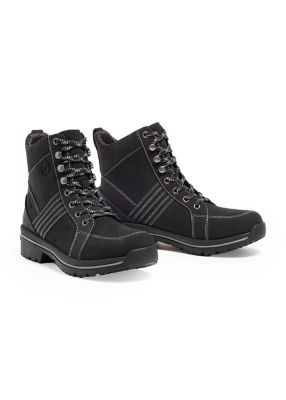
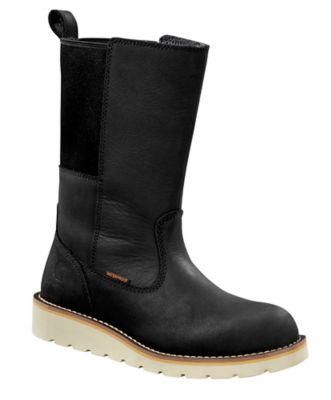
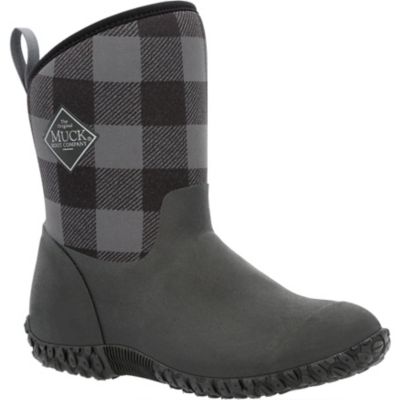
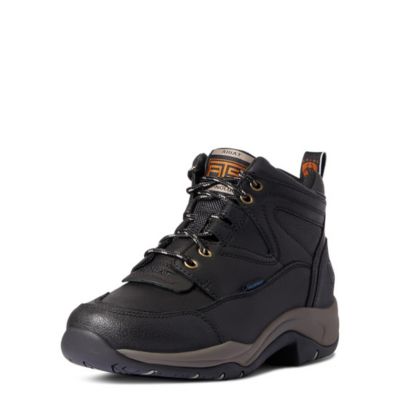
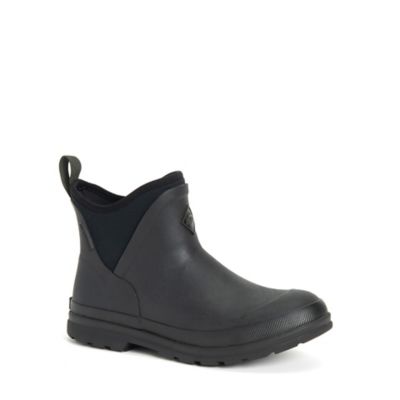
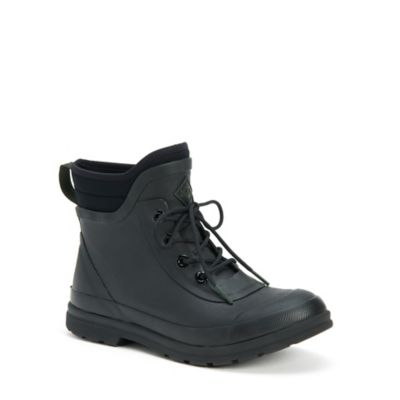
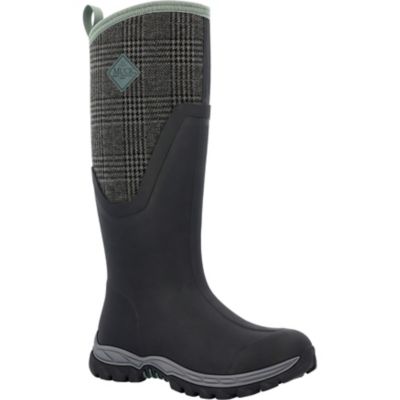
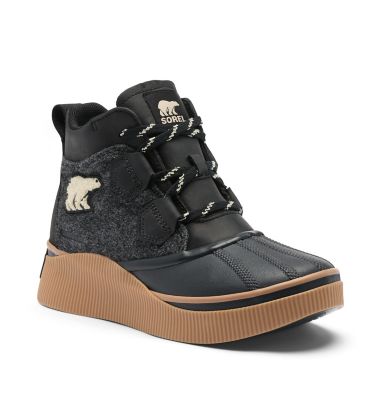
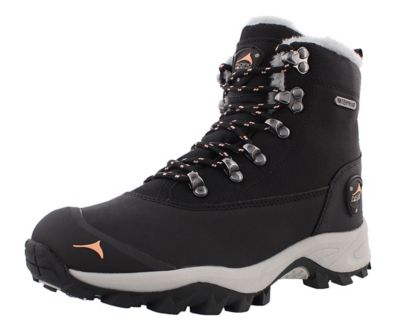
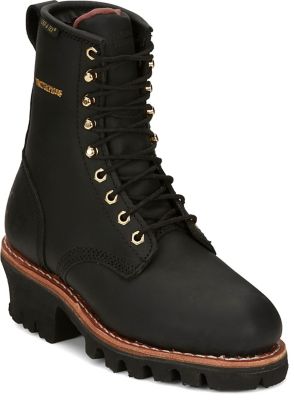
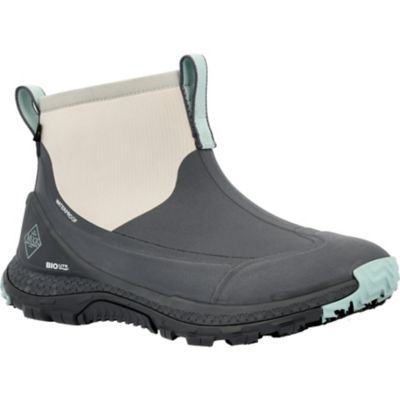
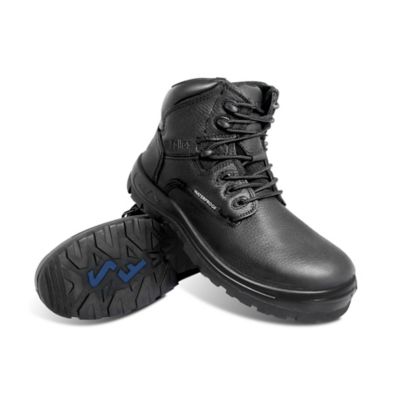
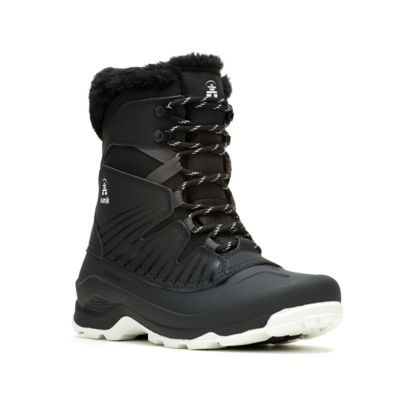
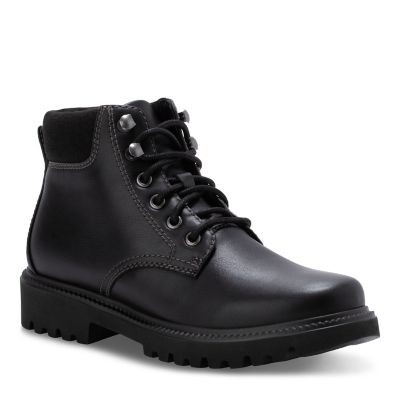
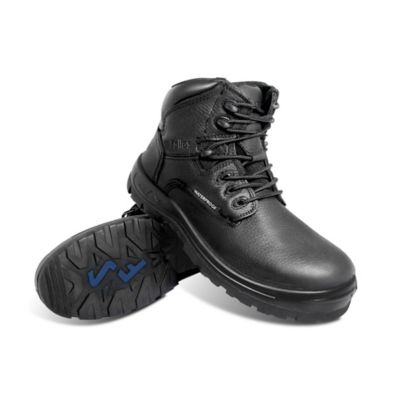
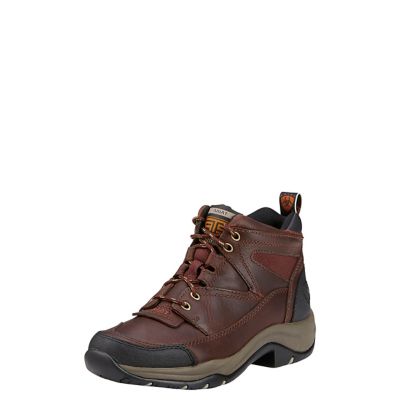
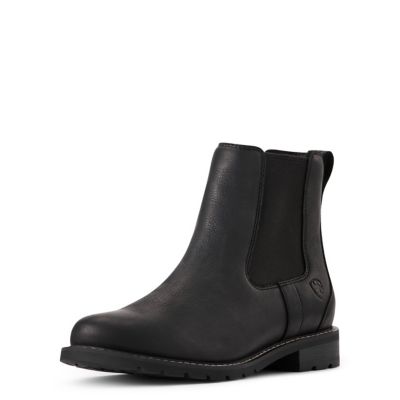
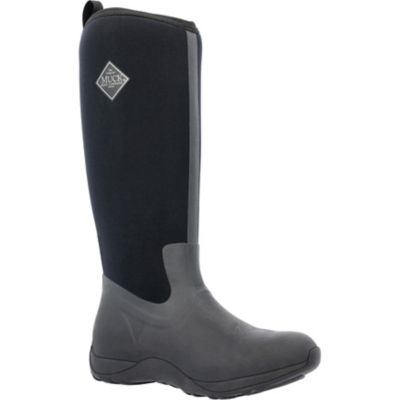
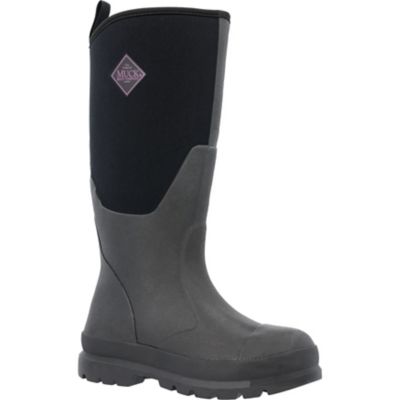
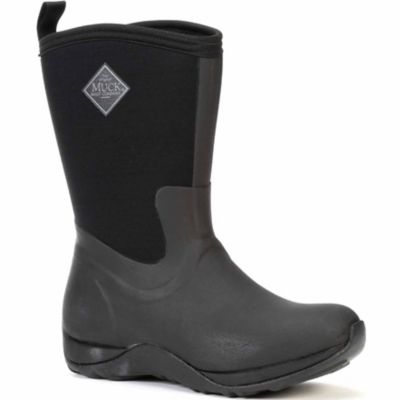
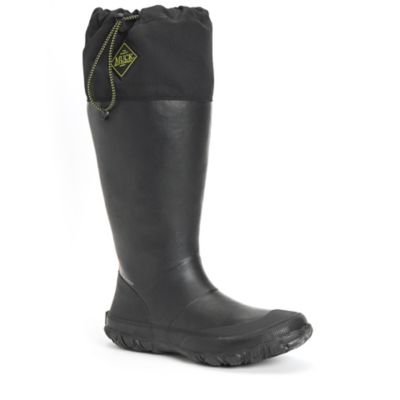
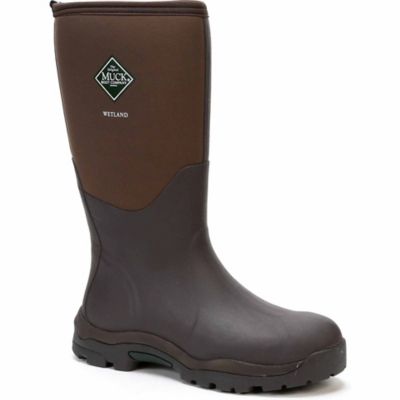
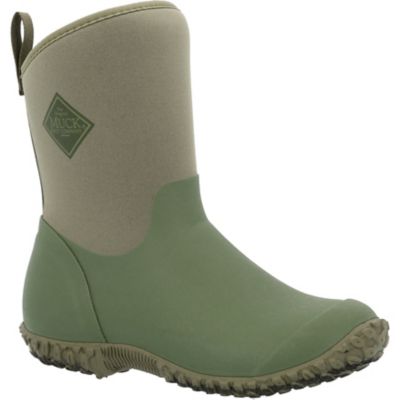
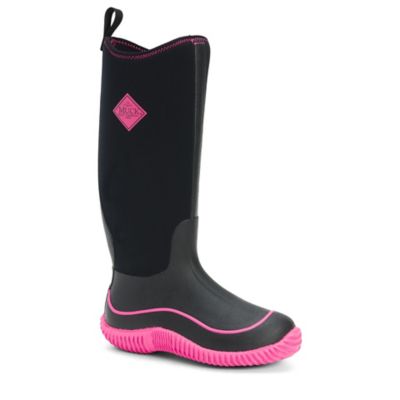
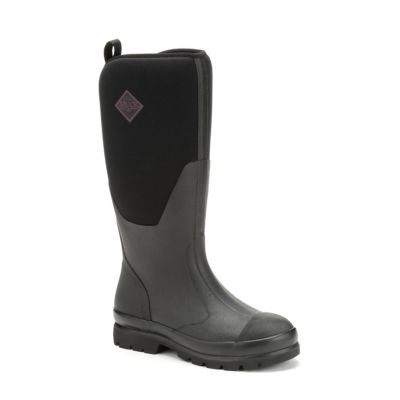
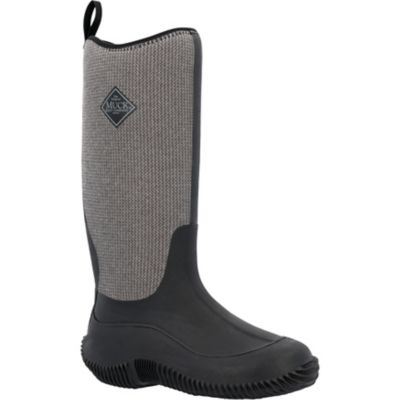
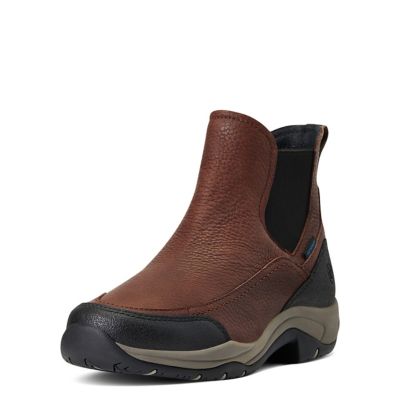
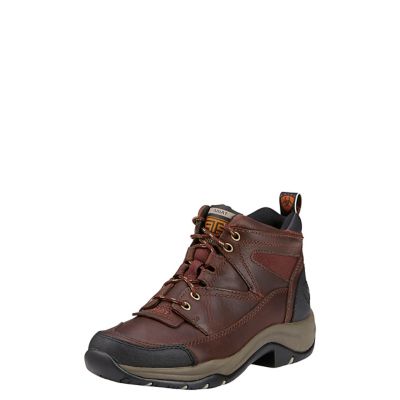
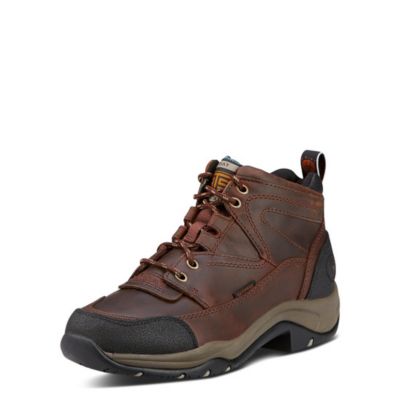
Women's black hiking boots are a dependable choice for everything from a quick walk on a gravel road to a full day on rocky backcountry trails. The black color has a practical, easygoing look that works with jeans, work pants and outdoor layers, while also hiding the dust and everyday scuffs that come with time on the trail. The right pair may be a lightweight, low-profile day hiker for paved paths, mowed fields and well-kept park trails, or a sturdier mid-height boot for uneven ground, loose gravel and steeper climbs. Think about where the boots will be used most often before comparing features. Smooth paths and short walks usually call for flexible construction and comfortable cushioning, while rough terrain benefits from a more supportive upper, a firm heel counter and an outsole with deep lugs that can bite into mud, wet leaves and loose dirt. A higher shaft can help keep out small stones and provide extra ankle coverage, though it may feel warmer or take a little longer to break in. For cooler months, consider how much room is needed for thicker hiking socks without making the boot loose. A properly fitted hiking boot should hold the heel securely, leave enough space for toes to spread and allow a little room in front of the longest toe, especially when walking downhill. Try boots on later in the day when feet have naturally expanded, and wear the socks you expect to use outdoors. A short walk across the house can reveal rubbing at the heel, pressure across the instep or a toe box that feels too narrow before those small annoyances become painful miles on the trail.
Weather protection is another key consideration when shopping women's black hiking boots. Waterproof leather, treated materials or a waterproof membrane can help keep feet dry when trails are damp, grass is heavy with dew or a shallow creek crossing appears along the route. Waterproof boots are especially handy for chores around the property, walking the dog during wet weather or exploring wooded trails after a stretch of rain. Keep in mind that waterproof protection does not make a boot completely sealed against deep water, and moisture can still enter over the top if water rises above the collar. Breathable panels and moisture-wicking socks can help manage warmth, since a boot that keeps rain out may also hold in more heat. Look for a gusseted tongue to help block water and trail debris, along with sealed seams or clearly described waterproof construction when wet-weather performance matters. Traction deserves close attention, too. Rubber outsoles with a varied tread pattern can help on slick roots, packed soil and uneven rock, while a flexible forefoot makes natural walking easier on flatter trails. Cushioning and arch support affect comfort over long distances, but more cushioning is not automatically better for every hiker; some people prefer a closer-to-the-ground feel for balance and control. A durable toe cap can protect against a stray stone, and reinforced stitching in high-wear areas may help boots stand up to repeated use. Black hiking boots also pair well with simple outdoor wardrobes, making them a useful option for someone who spends weekends at a campground, tends animals, works around a farm or enjoys fall walks with family. They can make a thoughtful gift for a new hiker, a dog owner who covers plenty of ground or anyone preparing for a cabin trip, provided the recipient's usual size and preferred fit are known. When gifting, a flexible return option and a good pair of hiking socks can be just as useful as the boots themselves.
As the weather shifts between mild afternoons and colder, wetter days, versatility can make a pair of women's black hiking boots easier to wear and maintain. For regular three-season use, choose a boot that balances breathable comfort with enough protection for damp trails and changing conditions. If the intended outings include snow, icy paths or long periods outdoors in freezing weather, added insulation, a warmer lining and a more substantial outsole may be worthwhile. Browse
Women's Winter Hiking Boots for options suited to colder conditions. No matter the season, break new boots in with a few short walks before planning a long hike. Pay attention to hot spots, loosen or retie the laces as needed, and stop early if rubbing starts; a small adjustment can prevent a blister from turning a good outing into a slow trudge back to the truck. After muddy or dusty walks, brush away grit, wipe off surface dirt and let the boots dry naturally away from direct heat, which can damage adhesives and dry out some materials. Remove the insoles when possible to help air out the inside, and follow the care directions for leather, treated fabric or synthetic uppers. Keeping the tread clear helps preserve traction, while rotating between pairs can give each set time to dry fully. With a comfortable fit, dependable grip and weather protection matched to the trail, black hiking boots can become the pair kept by the door for early walks, weekend hikes, campground paths and all the little miles in between.