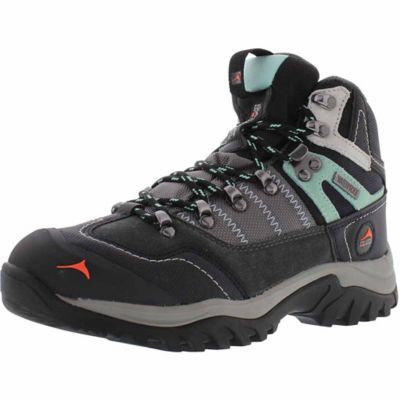
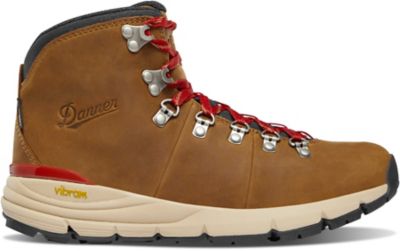
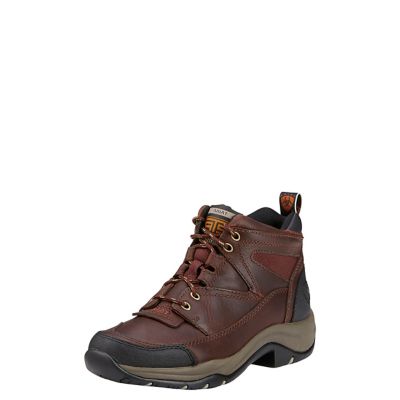
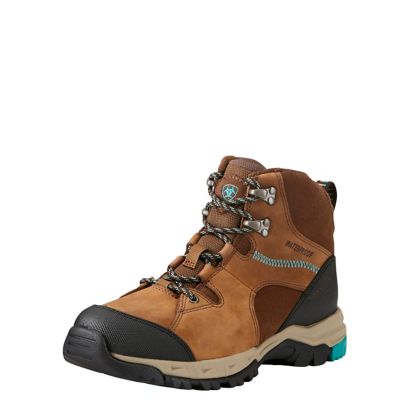
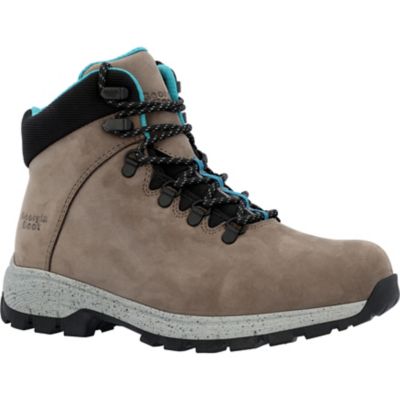
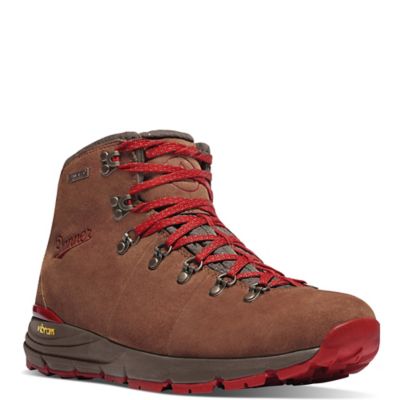
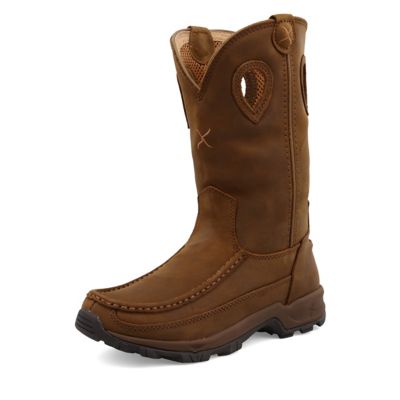
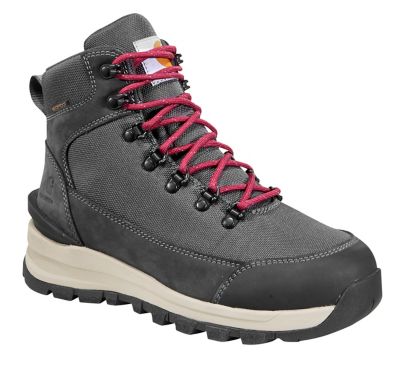
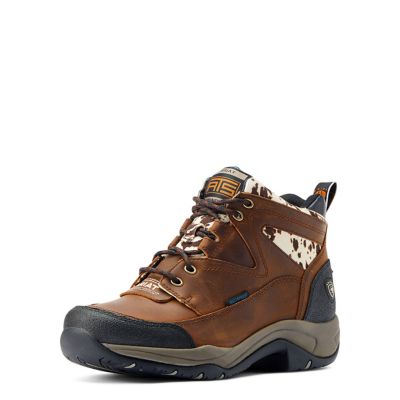
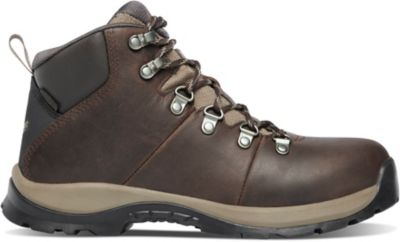
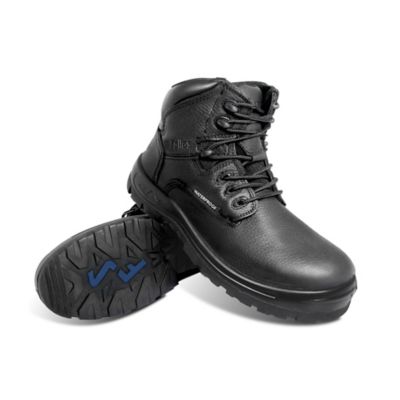
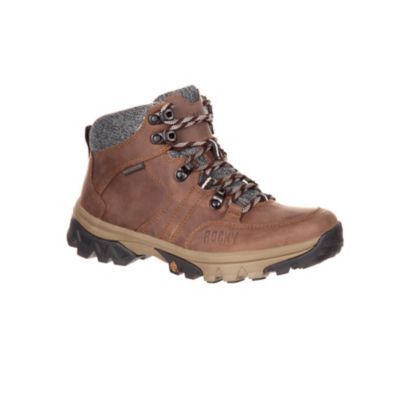
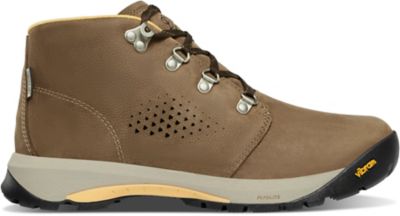
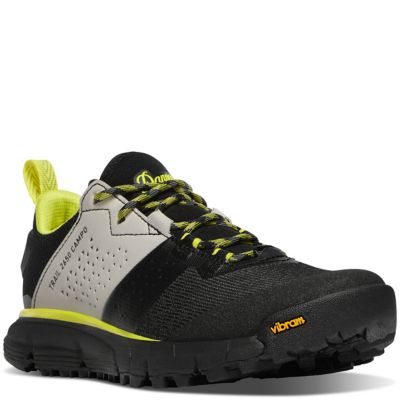
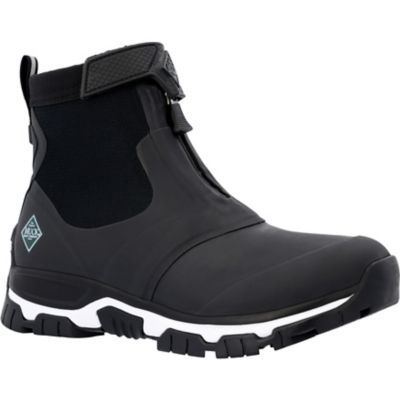
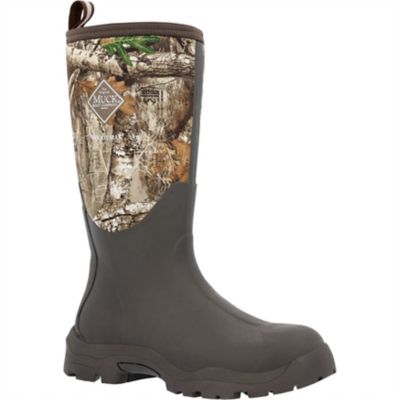
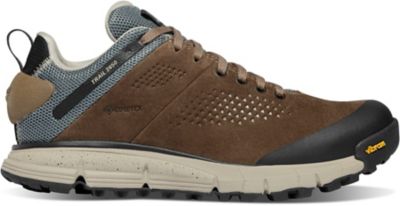
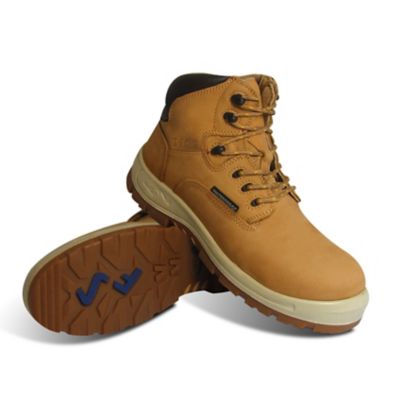
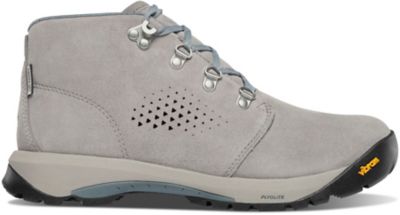
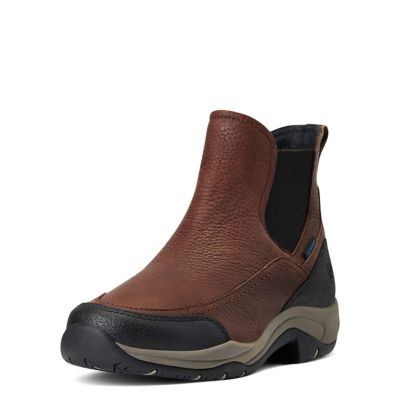
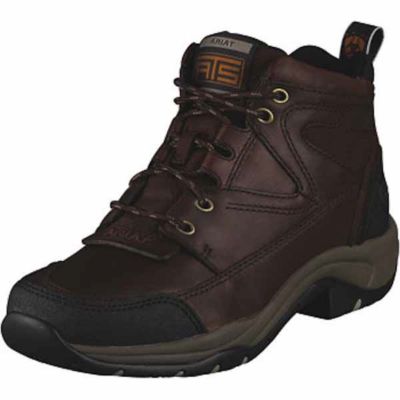
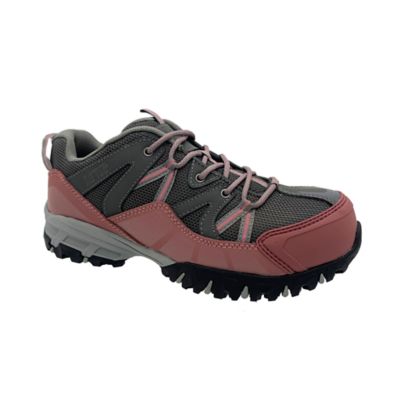
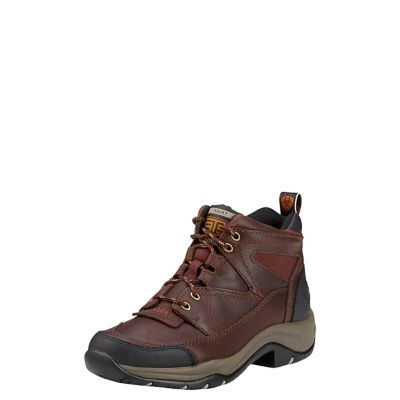
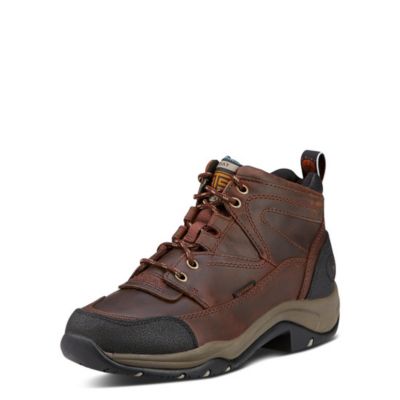
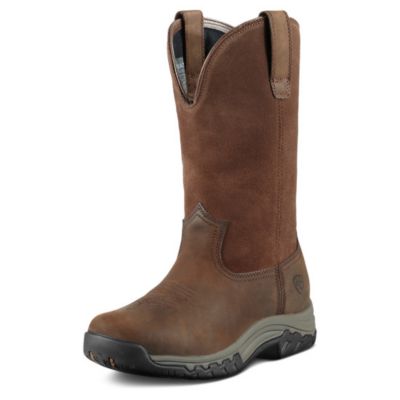
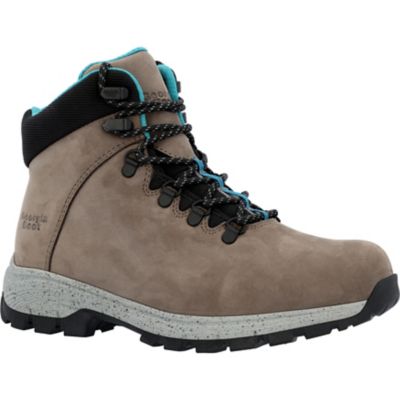
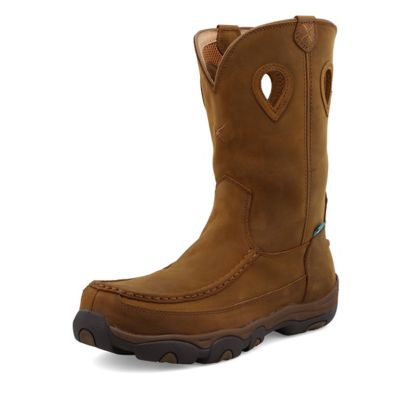
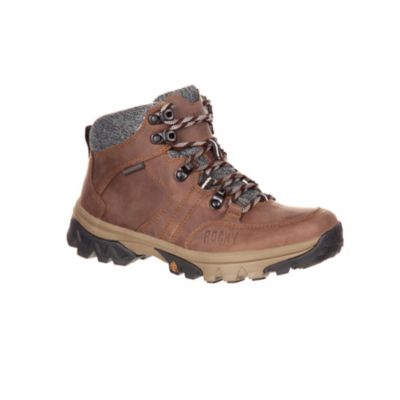
Women’s summer hiking boots bring together trail traction, underfoot support and materials that let heat and moisture escape on warm-weather outings. They suit everything from a short walk around a wooded lake to a full day on rocky switchbacks, with differences in construction that matter once the pavement ends. For hot, mostly dry trails, mesh panels and unlined synthetic uppers generally allow more airflow than comparable boots with waterproof membranes. That ventilation helps feet feel less stuffy, though no boot can keep feet completely cool or stop sweating on a steep climb. Waterproof hiking boots serve a different purpose: helping block outside moisture when the route includes wet grass, muddy stretches or shallow puddles. Their membranes typically release water vapor more slowly than open mesh, so there’s a trade-off between water protection and airflow. Water can still enter over the collar, and a waterproof boot may take longer to dry afterward. Leather and suede panels add structure and help resist scuffs where brush, gravel and rocks rub against the upper. Synthetic fabrics can keep weight down and often dry faster, while reinforced toe caps offer a buffer against roots and loose stones. The balance matters more than any single material. A mostly mesh boot may feel comfortable on an open dirt path, while a boot with more reinforcement can make sense for rougher ground. Underneath, rubber outsoles with defined lugs help grip uneven surfaces; widely spaced lugs tend to shed mud more readily, while shallower patterns can feel smoother on hard-packed paths. Rubber composition matters, too, especially on rock. Deep tread alone doesn’t guarantee grip on a slick creek stone. Lightweight women’s hiking boots are often a comfortable match for maintained trails and modest daypacks, while firmer soles and more structured uppers can suit uneven routes or heavier loads. Summer hiking footwear works best when its ventilation, protection and sole construction match the ground ahead, rather than simply having the lightest build or tallest collar.
Fit is what turns those features into something comfortable enough for the walk back to the truck. Women’s summer hiking boots should hold the heel securely without squeezing the forefoot, with room for toes to spread and enough space up front to avoid bumping the end on a descent. Feet often swell over a long day, so a close fit at the kitchen table can feel quite different several miles down a gravel trail. Trying boots later in the day with the socks intended for hiking gives a more useful picture of that fit. A little movement at the heel may settle with lacing adjustments, but repeated lifting and rubbing can lead to hot spots. Likewise, toes pressing against the front usually call for a different size or shape rather than a longer break-in period. Women’s sizing doesn’t describe every foot: heel width, instep height and forefoot shape all vary, and a wider fit can provide welcome room without adding unnecessary length. Laces and eyelets help fine-tune the hold across the instep and around the ankle, but they shouldn’t need to be pulled painfully tight to keep the foot in place. Padded tongues and collars soften contact points, while midsoles cushion repeated steps over packed earth and stone. Softer cushioning can feel pleasant on an easy loop; a firmer platform may feel steadier when stepping across uneven rocks. Mid-height boots add coverage around the ankle and can help keep some trail grit out, though a higher collar doesn’t prevent ankle injuries. Removable footbeds offer flexibility for people who wear orthotics, provided the boot has enough interior space for them. Moisture-managing hiking socks also play a part in comfort, especially where damp fabric and friction meet at the heel. Short walks before a longer outing help reveal pressure points and give stiffer materials time to flex. Even then, persistent pinching isn’t something to push through. A comfortable boot should let attention stay on the trail, not on counting the steps to the next rest stop.
The right pair earns its place through the kind of miles it will see. A woman walking shaded park trails with a water bottle and a light pack may favor flexible, breathable hiking boots that move easily with each step. Someone heading toward a rocky overlook with lunch, extra water and trail supplies may appreciate a more supportive platform and reinforcement around the toe and heel. Around rural property, that same trail-focused construction can be handy for walking wooded boundaries or reaching a fishing spot down a rough bank, though hiking boots aren’t a replacement for task-specific work footwear where safety protection is required. Long wear comes from more than thick material. Secure stitching, well-protected seams, substantial outsole coverage and reinforcement in high-friction areas all help a boot stand up to repeated trail contact. Care matters just as much after the outing. Brushing away dry dirt keeps grit from lingering around seams and lace hardware; a damp cloth or a cleaner approved for the material can handle remaining soil. Leather, suede and mesh have different care needs, so cleaning and conditioning should follow the footwear maker’s directions. Saturating leather with an unsuitable treatment can change its feel, and heavy coatings can interfere with airflow through fabric panels. After a wet walk, loosening the laces and removing removable footbeds helps air reach the inside. Boots should dry naturally away from a campfire, heater or other concentrated heat that can harm materials and adhesives. Once dry, a ventilated storage spot helps keep them ready for another outing. Checking for worn tread, separating soles and frayed laces makes it easier to spot problems before a longer trip. Women’s summer hiking boots can also make a thoughtful gift for a regular trail walker or someone planning a camping trip, especially when their size, width and fit preferences are known. For a hiking partner shopping for a different fit,
Men's Summer Hiking Boots offer a related footwear category for shared trail plans. Whether the destination is a nearby creek or a ridge a few miles from the trailhead, comfort, suitable traction and thoughtful care help make the most of time on foot.