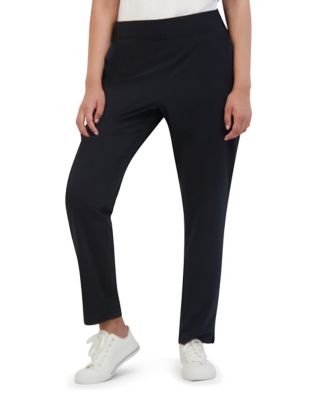
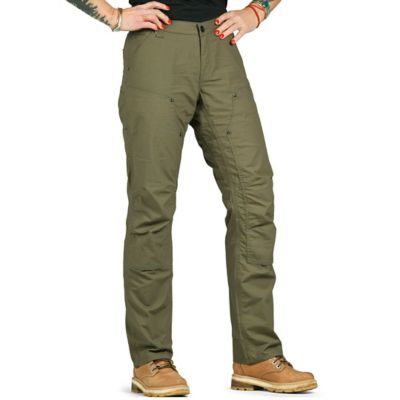
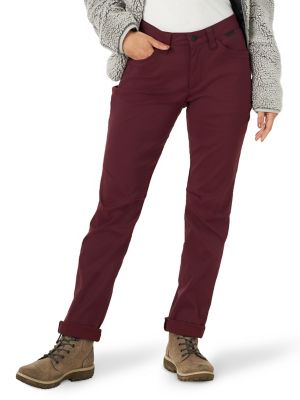
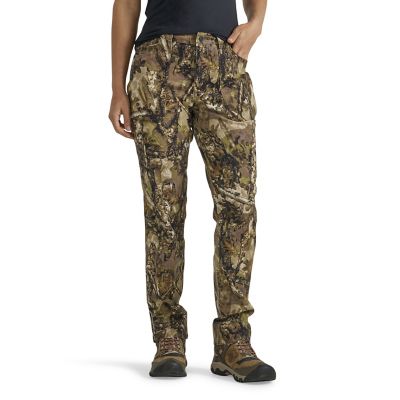
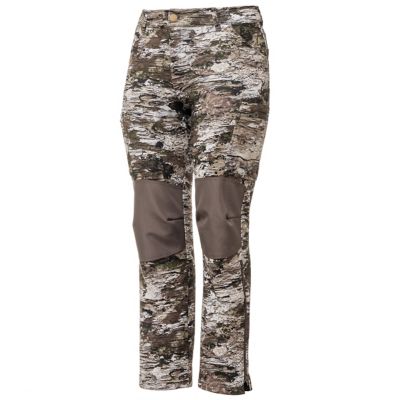
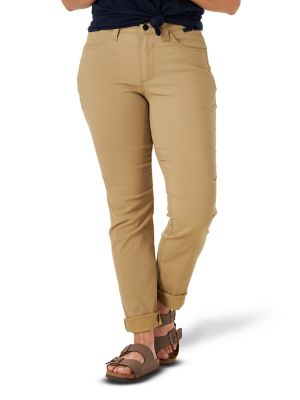
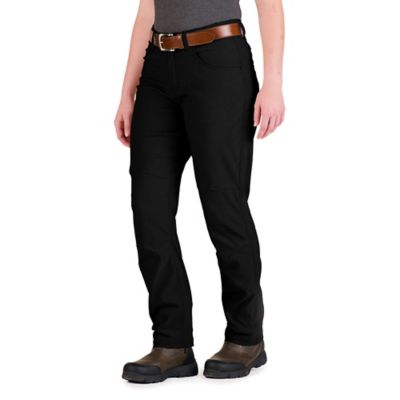
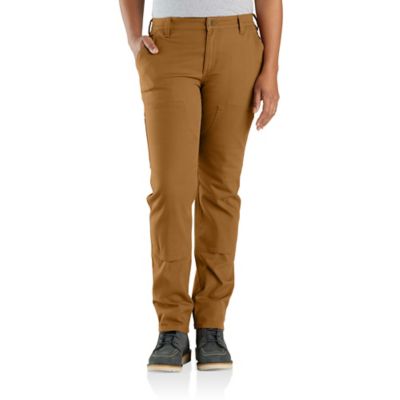
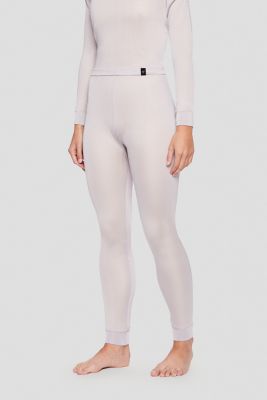
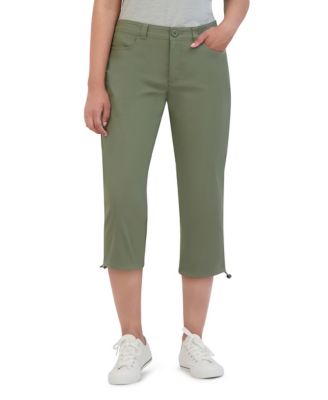
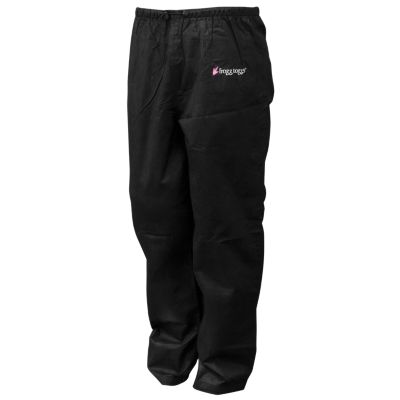
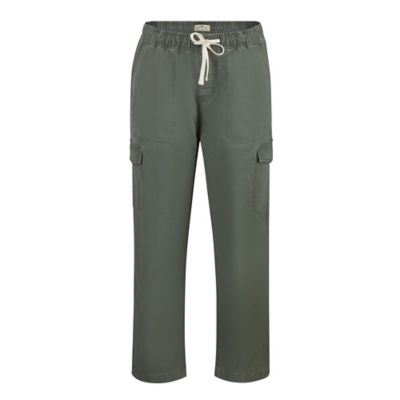
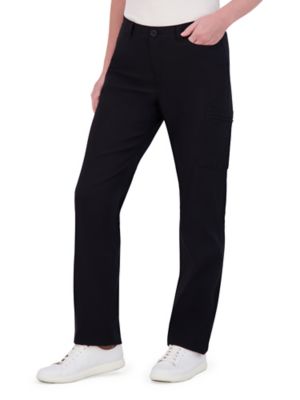
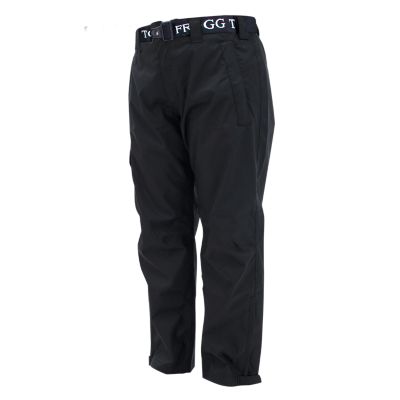
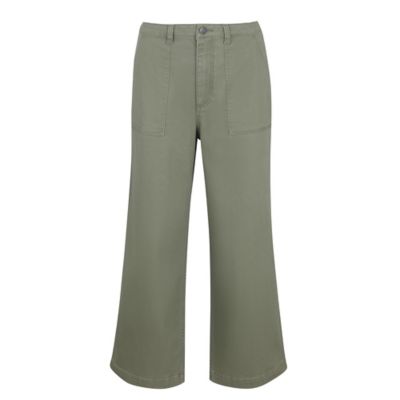
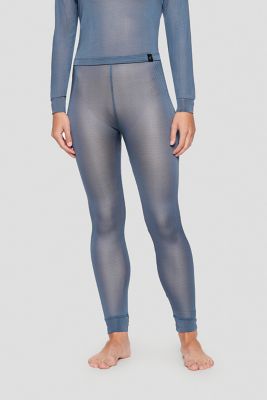
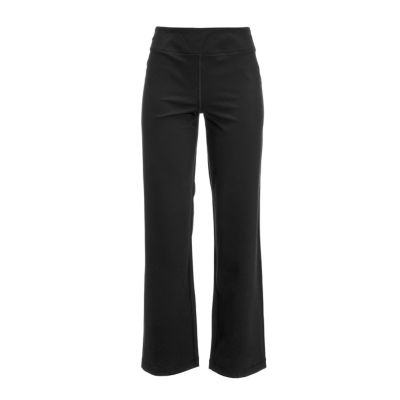
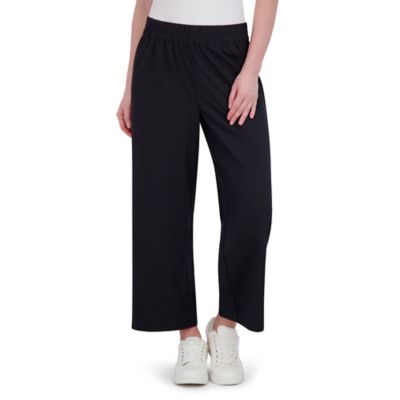
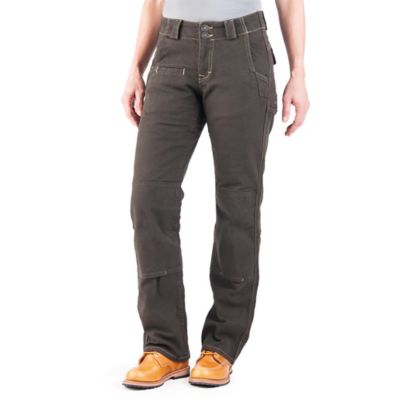
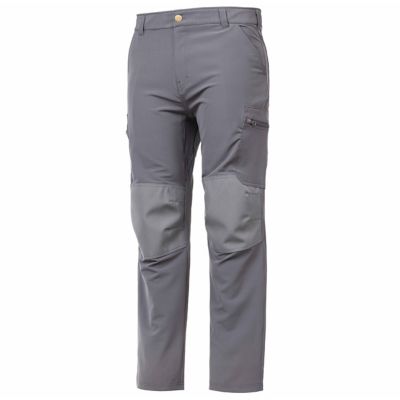
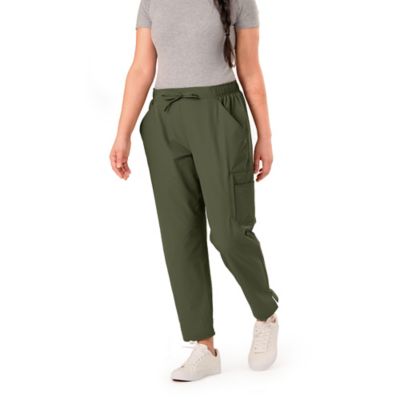
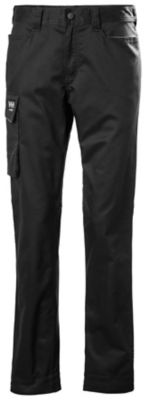
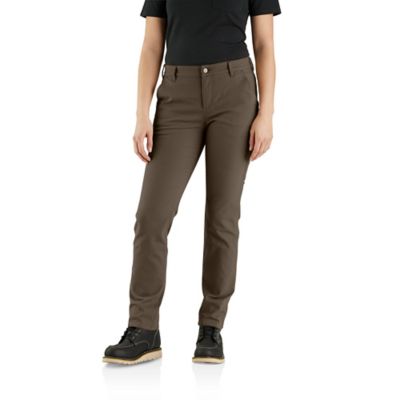
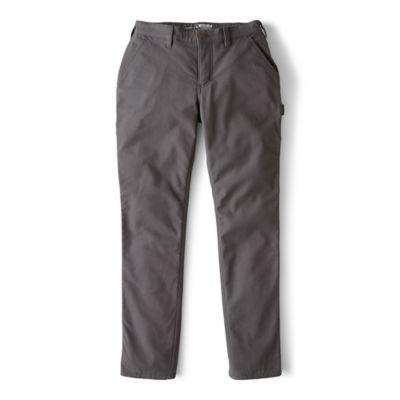
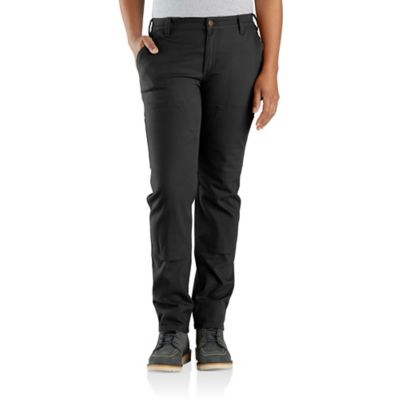
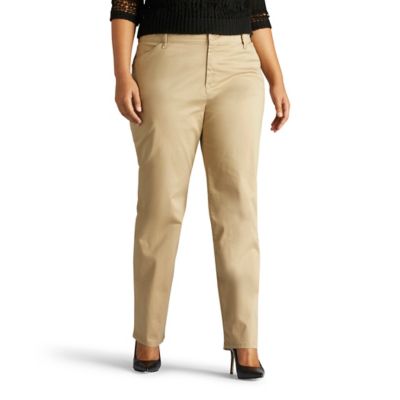
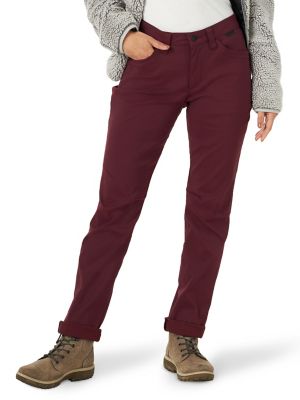
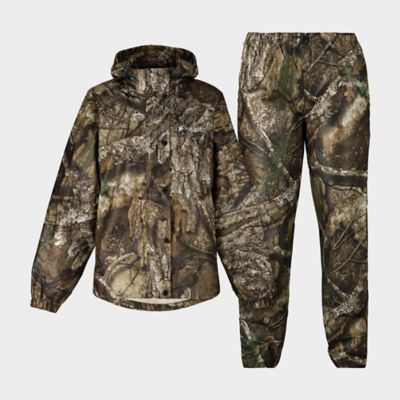
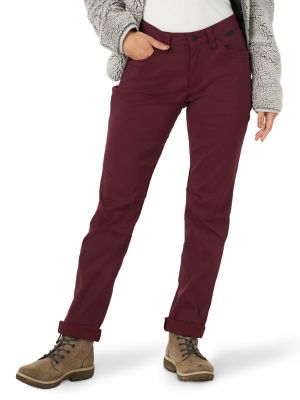
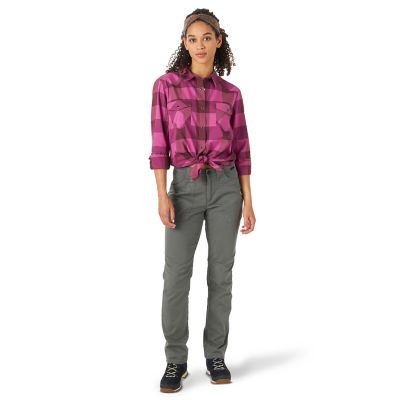
Women’s summer hiking pants balance lightweight breathability, room to move and coverage from the sun. Four-way stretch helps the fabric give both across and along the leg, which makes a difference when the trail calls for a high step over a fallen log or a long stride up a rocky grade. For hikes out in the open, a UPF 50+ rating means the fabric blocks at least 98 percent of ultraviolet radiation in testing. Full-length legs keep more skin covered than cropped cuts, which can come in handy on a stretch of trail with no shade or where tall grass leans into the path. Look for a stated UPF rating rather than judging sun protection by how light or thin the fabric feels. Lightweight nylon and polyester are common in warm-weather hiking pants because they generally dry faster than cotton after a sweaty climb or a splash at a creek crossing. A little spandex can add give, while a looser cut can make room for movement without relying entirely on stretch. Fabric weight and weave matter, too. A light, airy weave can feel good on a still, humid trail, while a tighter weave may make more sense where the path narrows between brush and rock. Quick-drying fabric and water resistance do different jobs: One helps pants dry after they get damp, and the other helps light moisture bead up on the surface. Neither means the pants will keep legs dry through a downpour or a wade. For routes that dip in and out of creek bottoms or camping trips where damp clothes have to dry between outings, browse
Womens Quick Dry Hiking Pants for styles designed with drying time in mind. That feature can be just as welcome after brushing through knee-high grass heavy with dew as it is after a stream crossing.
Fit shows up fast on a trail, often in places that feel fine when standing still. A waistband should sit comfortably under a pack’s hip belt without a thick knot or buckle digging in. A higher rise can offer more coverage when bending to tighten a boot lace, while a bit of give at the waist can feel better on a long uphill pull. Through the seat and thighs, there should be enough room to squat, step up and sit without the fabric tugging at the knees. Shaped knees or a gusset, which is an extra panel at the crotch, can add room where a straight cut might bind. A relaxed leg leaves space for airflow, while a tapered leg keeps extra fabric closer to the body on brushy stretches. Inseam matters for more than looks: A hem that drags can pick up mud or catch under a heel on a descent. Adjustable cuffs can hold fabric closer to the ankle, and roll-up hems offer a way to let in some air on an exposed climb before dropping the legs back down for the walk through tall grass. Pockets deserve a look with a pack on, too. A hip belt can block the opening of a front pocket, and a phone that sits fine on level ground may bump the hip on every uphill step. A zippered thigh pocket can keep small essentials from slipping out when stepping across a washout or sitting on a log for lunch. For a gift, the recipient’s usual rise, inseam and preferred leg shape are more helpful clues than waist size alone. Someone who spends most outings on wide, well-kept paths may like a breezier cut, while a trail buddy who spends the day scrambling or picking through brush may appreciate a closer hem and extra give at the knee.
Summer hiking pants for a short loop around the lake don’t have to take the same beating as a pair that sees rough rock, downed limbs and several days on the trail. On mostly open paths, low weight and airflow may matter most. On rocky routes, a tightly woven fabric, reinforced stitching or extra material at the knees and seat can help handle the scuffs that come with scrambling up a ledge or sitting on a slab of sandstone. Check where seams land as well as how they’re sewn. A raised seam along the inner thigh might go unnoticed on a short stroll but rub after a few miles, especially when the fabric is damp. The lightest pair isn’t always the best match for brush, and a heavier fabric can feel stuffy on a climb with little breeze. It comes down to where the miles are likely to happen and what the pants need to put up with along the way. Care can make a difference in how long the fabric, stretch and closures hold up. Shake out the grit at the cuffs and empty the pockets before washing, then follow the care label for water temperature and drying. Close zippers and any hook-and-loop tabs so they don’t snag the fabric in the wash. If the label calls for low heat or air drying, skip the hot dryer; high heat can be hard on stretch fibers and some finishes. Fabric softener can interfere with moisture-wicking finishes, so check the label before adding it. A pair that dries quickly on the line can be handy when there’s only room to pack one change of trail clothes. Whether the outing is a family walk to a creek or a long climb to a bare ridgeline, the best fit is one that lets the wearer focus on the next foothold instead of tugging at a waistband or pulling a cuff clear of a boot.