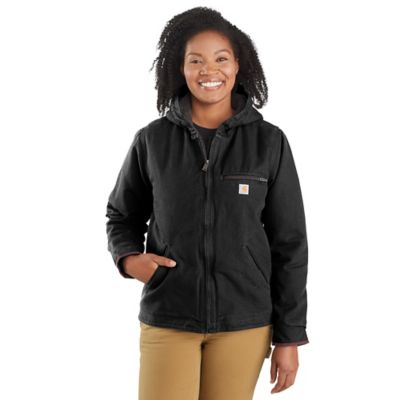
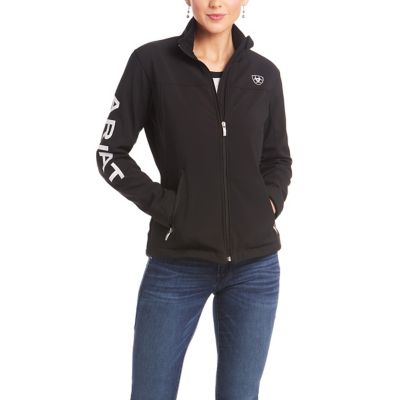
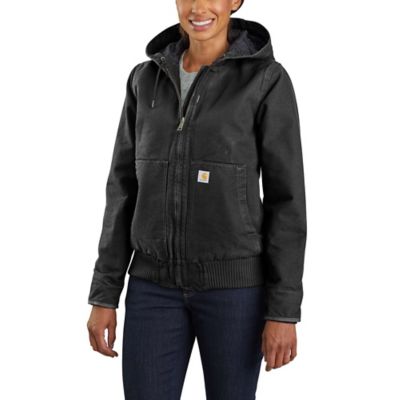
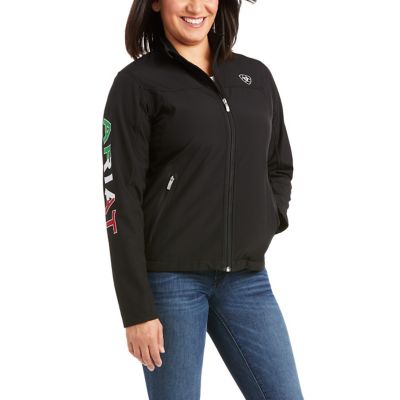
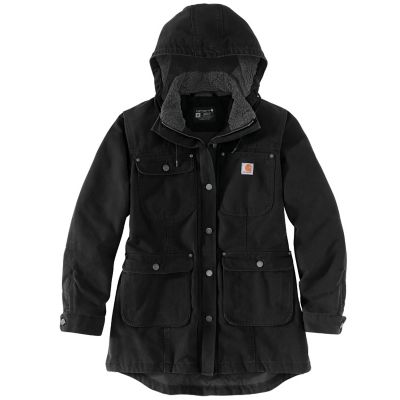
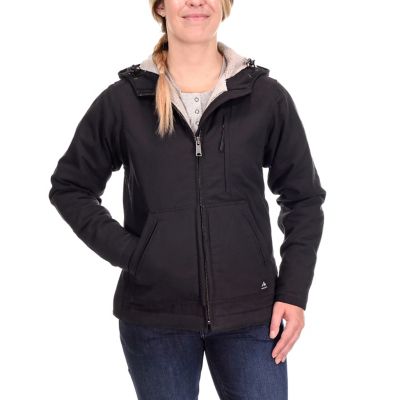
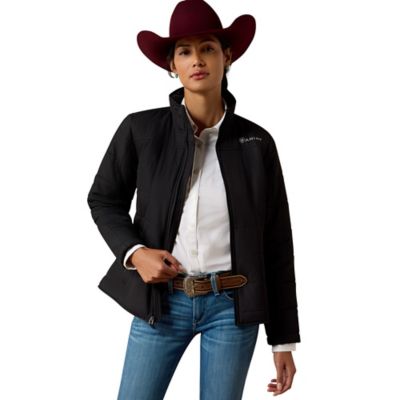
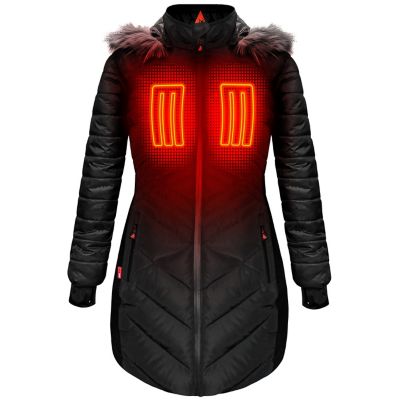
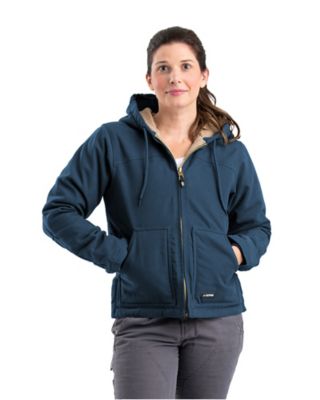
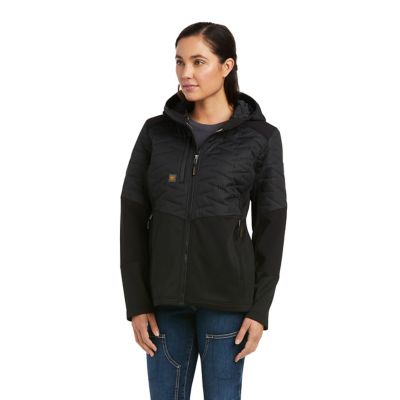
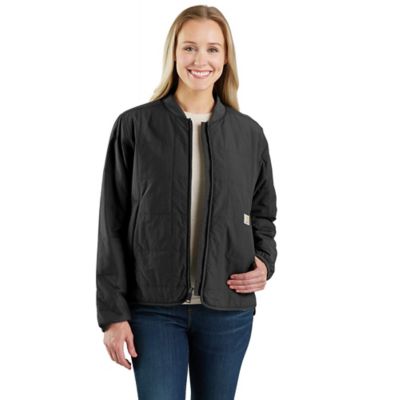
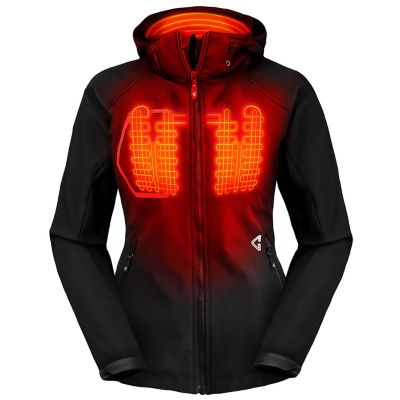
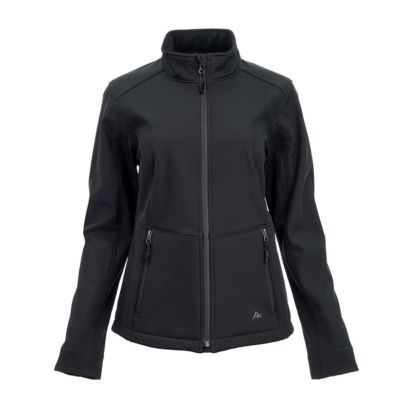
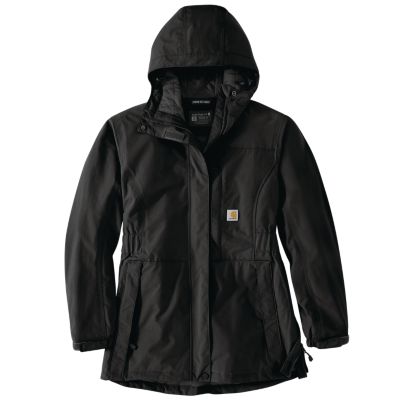
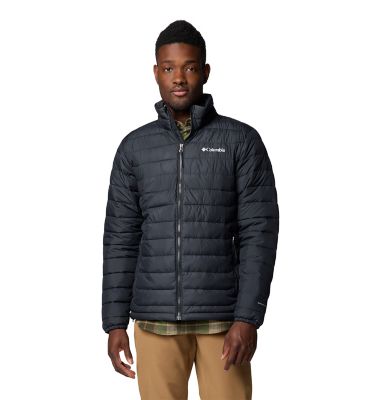
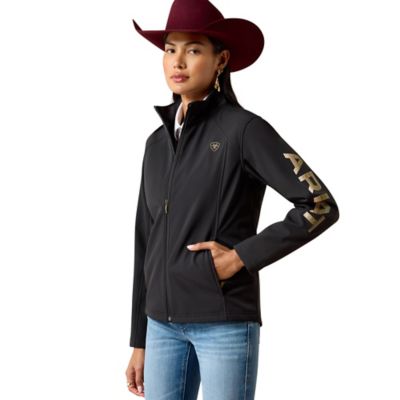
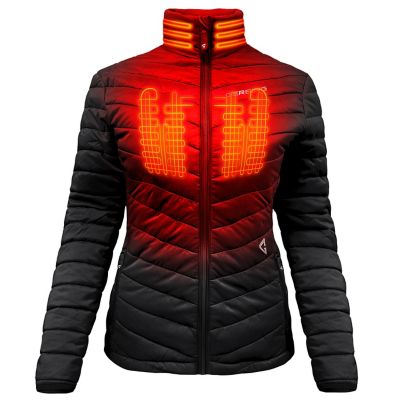
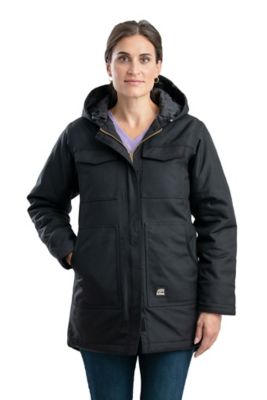
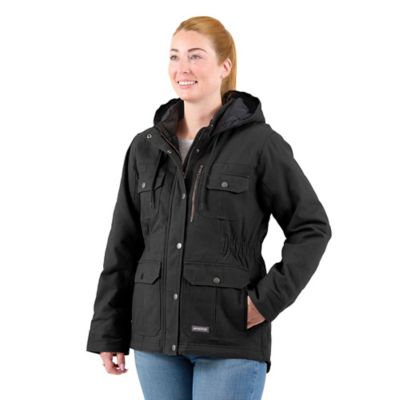
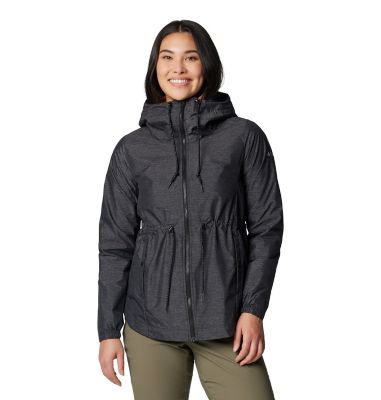
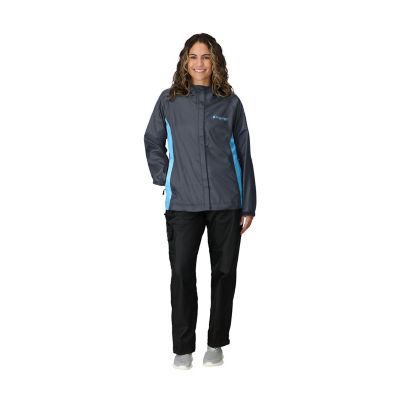
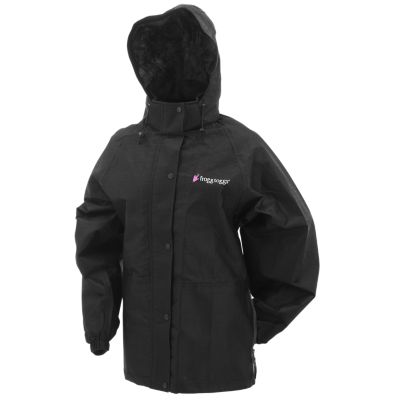
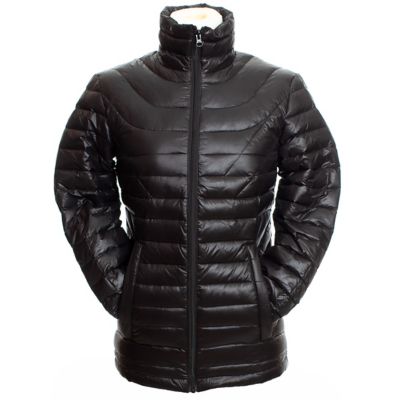
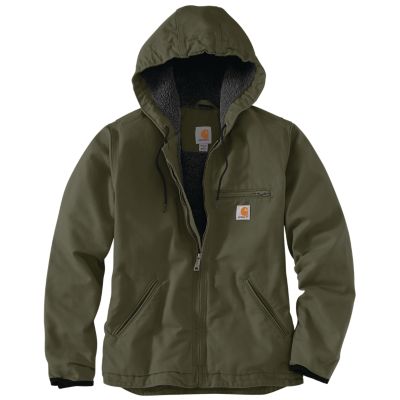
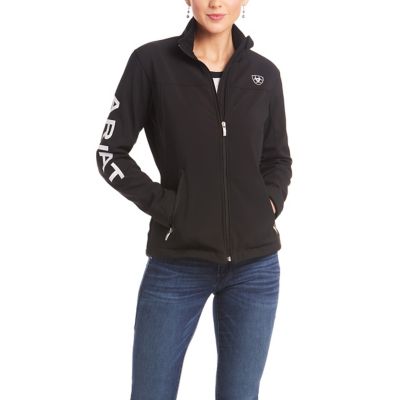
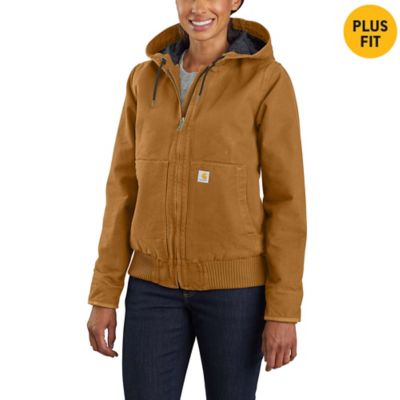
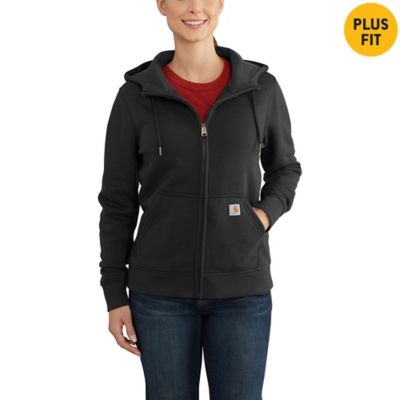
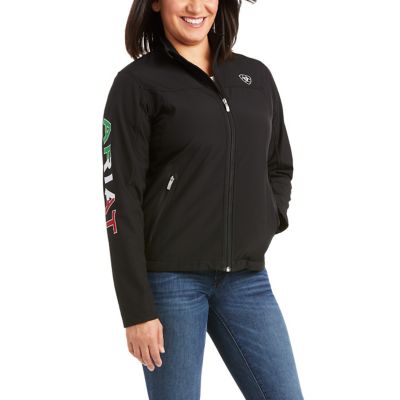
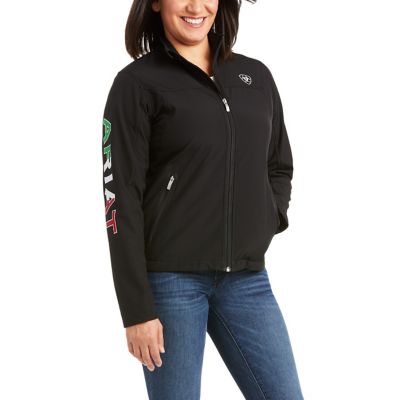
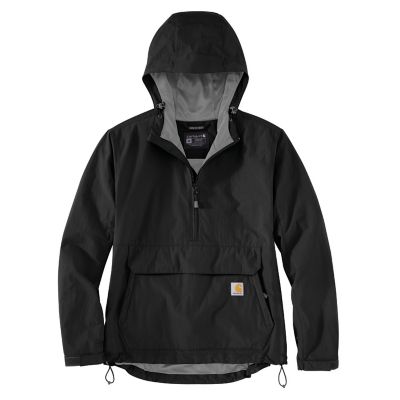
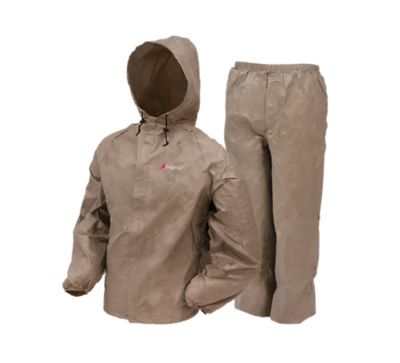
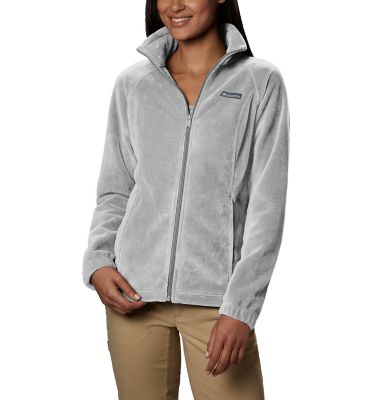
Women’s black winter jackets bring a practical, easy-to-pair color to outerwear built for cold days, whether the plans involve feeding livestock before daylight, walking the back fence or heading into town. Black works with blue jeans, canvas work pants and everyday boots, so the same jacket can fit into several parts of a busy day. The right construction depends on how much time that day puts you outside and what you’ll be doing. A substantial canvas or duck shell can make sense for chores that involve brushing against rough boards, carrying firewood or leaning over a gate. These tightly woven fabrics often have a firmer feel at first, while lighter nylon and polyester shells tend to offer less weight and easier movement. Neither fabric alone tells the whole story about weather protection; the weave, finish and overall construction matter, too. Water-resistant fabric can help shed a brief sprinkle or light snow, but it isn’t the same as waterproof construction designed to keep moisture from getting through. Wind resistance deserves attention on open ground, where a breeze can cut across a pasture with little to slow it down. Insulation adds another layer of protection, with down offering warmth for its weight and synthetic fill generally handling damp conditions better. Fleece linings add a soft feel, while smooth sleeve linings help a jacket slide over a flannel shirt or sweater without bunching. Quilting holds fill in sections, though the look of the stitching alone doesn’t establish how warm a jacket will be. Someone standing beside a stock tank for a long stretch may want more insulation than someone moving steadily between the barn and feed room. Black absorbs sunlight, but color isn’t a substitute for insulation or protection from wind. For errands, relaxed outings and less demanding outdoor wear,
Women's Casual Winter Jackets offer a related direction when everyday comfort matters more than a work-focused shell.
Fit makes a real difference in how a winter jacket feels after the first few minutes outside. A jacket should leave room for the layers that belong underneath without hanging so loosely that cold air slips in at the hem and cuffs. Measurements are a better starting point than assuming every jacket in the same size will fit alike. Chest, waist and hip measurements help narrow the fit, while sleeve length and shoulder room affect the motions that come with everyday work. Reaching for a feed scoop on a high shelf, lifting a saddle or bending to fasten a boot can reveal tight spots that aren’t obvious while standing still. The shoulders and upper back need enough room to move, and the sleeves should still cover the wrists when arms extend forward. A shorter jacket can feel less restrictive in a truck cab or while crouching, while a longer cut offers more coverage through the hips and seat. A two-way front zipper, when included, allows the bottom to open for sitting without leaving the upper body exposed. Hem adjustments help control the fit, and cuffs that close snugly around gloves can keep drafts from traveling up the sleeves. Hood design matters just as much as whether a hood is present. An adjustable hood can sit closer around the face, but it should still allow a clear view to either side when checking a driveway or working around animals. A removable hood offers flexibility for days when a knit cap is enough. Pocket placement is another small detail with a big effect on daily comfort. Hand pockets should be easy to reach, secure closures help keep keys from slipping out, and an inside pocket can shelter a phone from blowing snow. Glove-friendly zipper pulls are handy when bare fingers would quickly get cold. For work near machinery or equipment, avoid loose drawcords and follow the safety requirements of the task rather than relying on everyday outerwear for protection it wasn’t designed to provide.
Long-term wear comes down to more than a heavy shell. Reinforced areas, neatly finished seams and closures that operate smoothly all contribute to a jacket’s ability to handle repeated trips through the yard, hours behind the wheel and regular chores. High-contact spots such as cuffs, pocket edges and elbows deserve particular attention because they often show wear first. Black fabric can make pale dust, lint and animal hair stand out, especially after stacking hay or riding with a shedding farm dog. A fabric brush or lint roller suited to the shell can help with surface debris, while dried mud is often easier to brush away gently before treating any remaining mark according to the care label. Cleaning instructions vary with the fabric, lining, fill and weather-resistant finish, so one washing routine won’t suit every jacket. Some can go through a home washing machine; others call for a different method. Close zippers, empty pockets and check the label before cleaning. Fabric softeners, bleach and high heat may harm certain materials or finishes, and insulated jackets need to dry completely before being put away. Down fill may require a specific drying process to restore its loft, while coated shells can have separate directions for maintaining water repellency. Hanging a clean, fully dry jacket in a roomy spot helps prevent musty odors and avoids leaving insulation compressed for long stretches. Intended use also matters when choosing a jacket as a gift. A woman who spends her mornings tending horses may appreciate freedom through the shoulders and pockets she can reach with gloves on; someone who mainly wears a jacket between home, the truck and town may prefer lighter weight and a less bulky shape. For anyone heading out before sunrise or after dark, black outerwear needs an extra visibility plan near roads, driveways and moving equipment, such as an appropriate reflective layer. Thoughtful attention to warmth, movement, care and daily routines helps a black winter jacket earn its place beside the door, ready for the work and ordinary outings that fill a cold day.