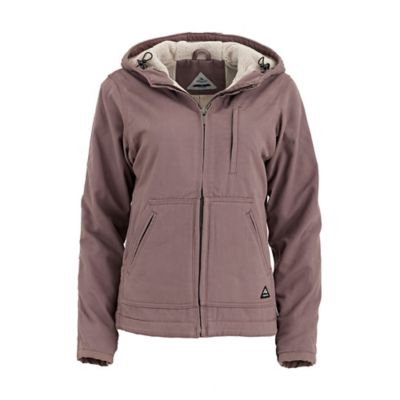
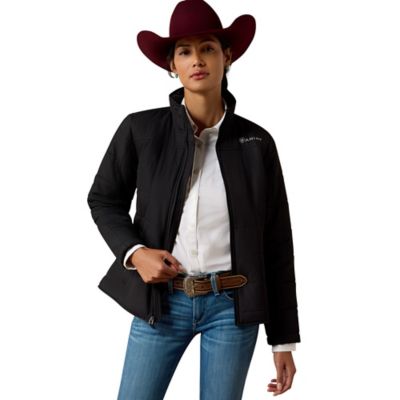
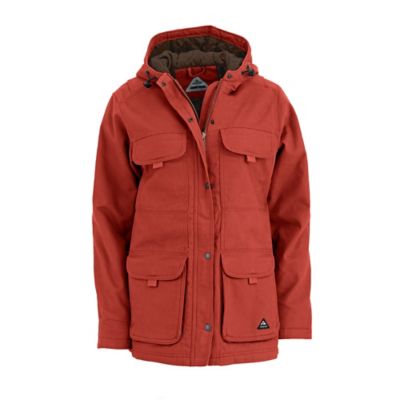
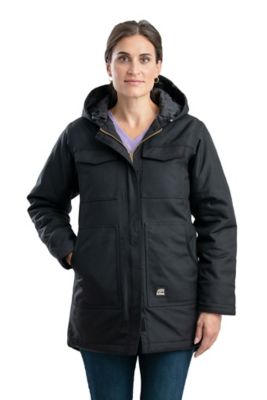
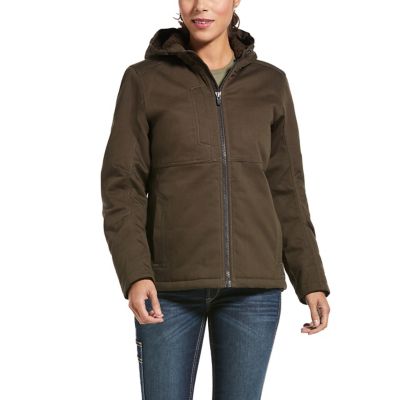
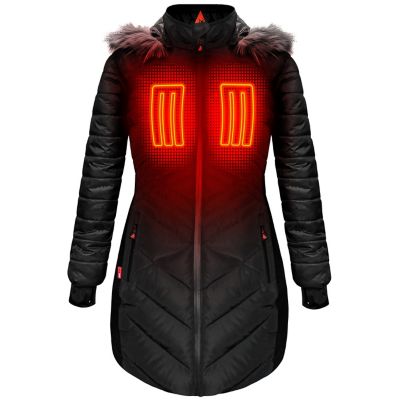
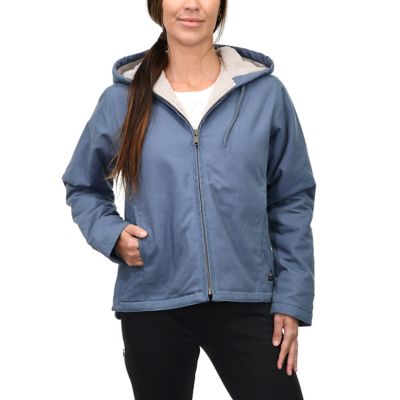
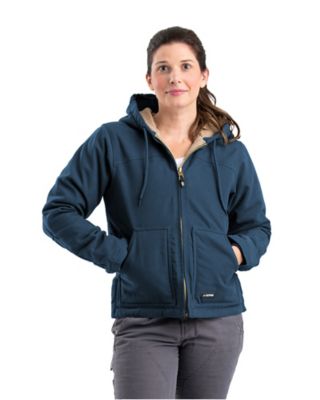
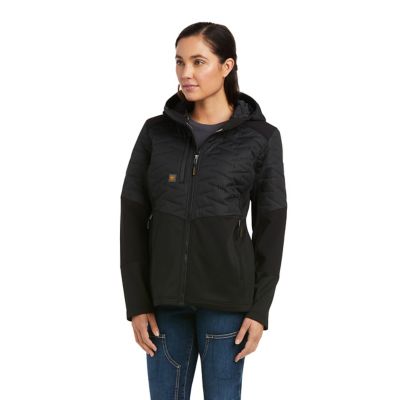
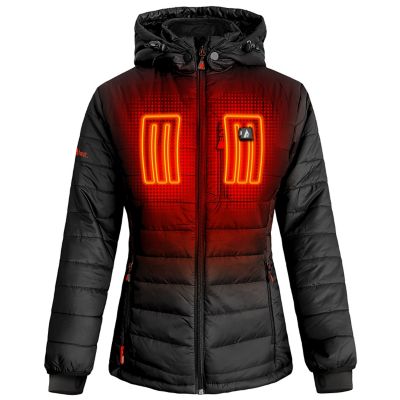
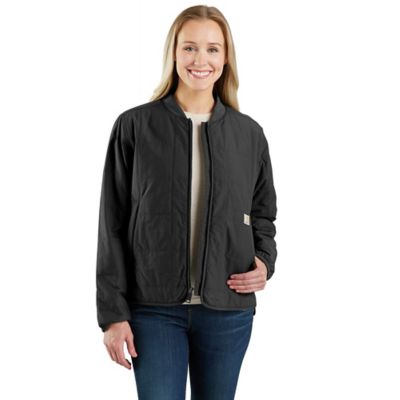
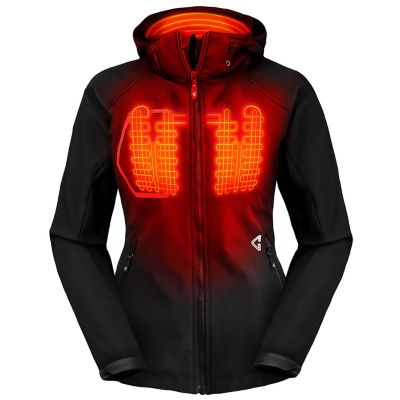
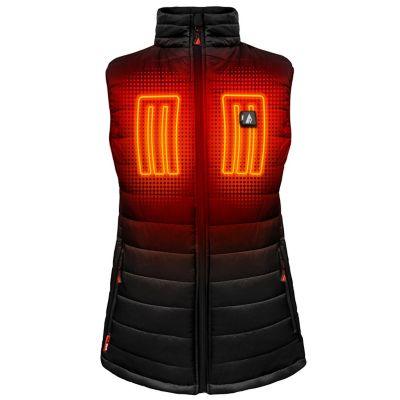
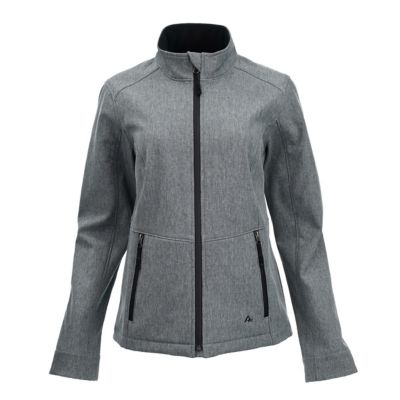
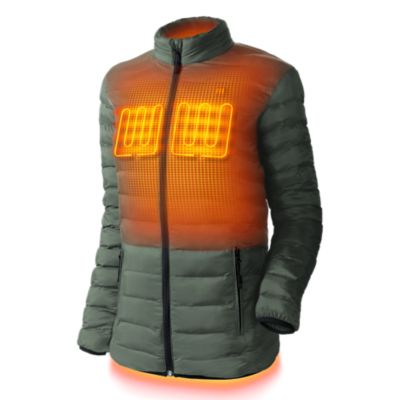
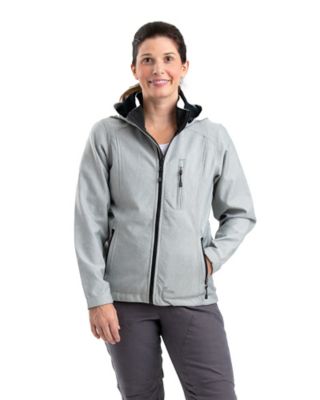
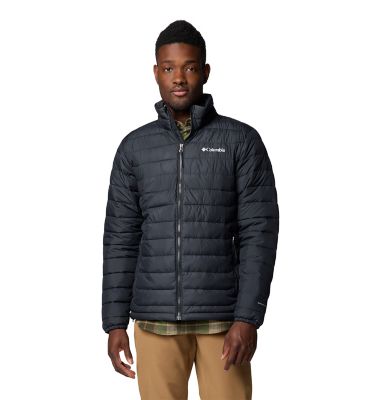
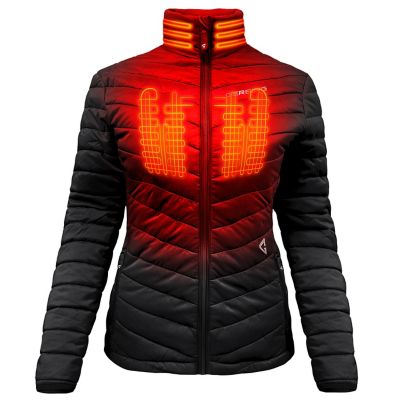
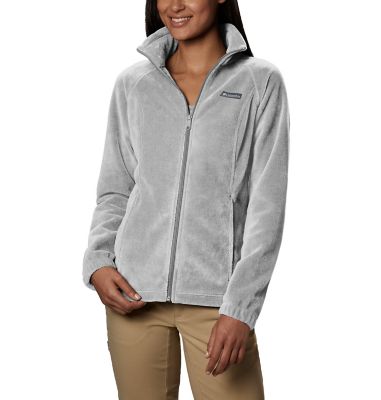
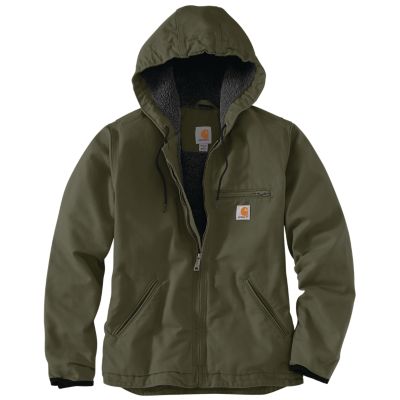
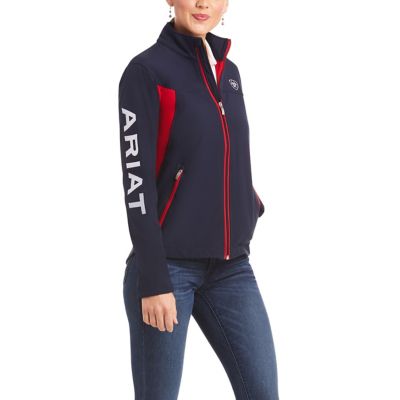
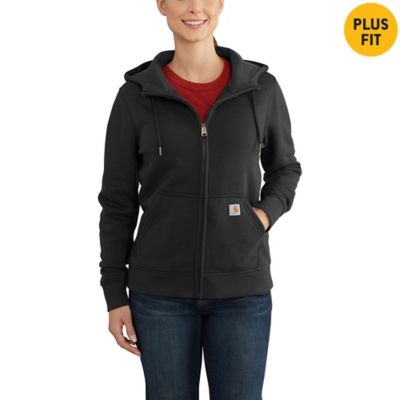
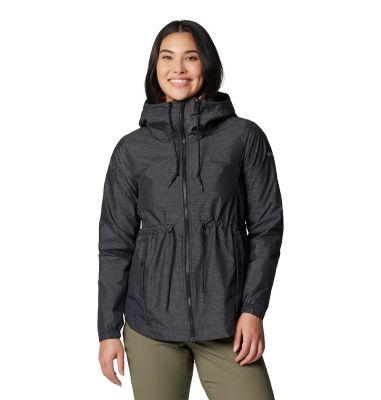
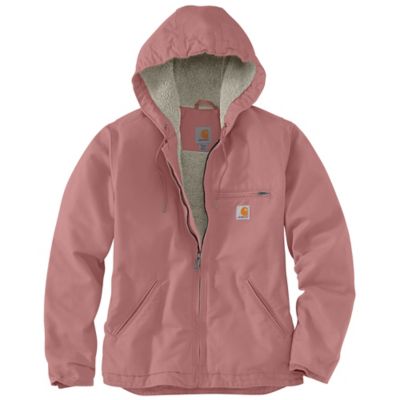
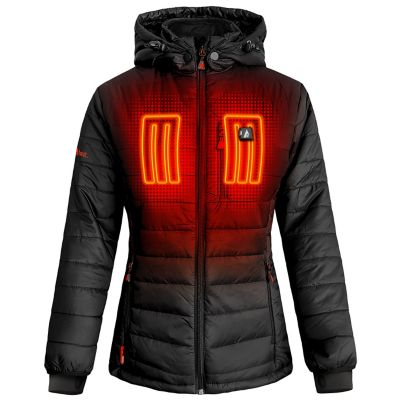
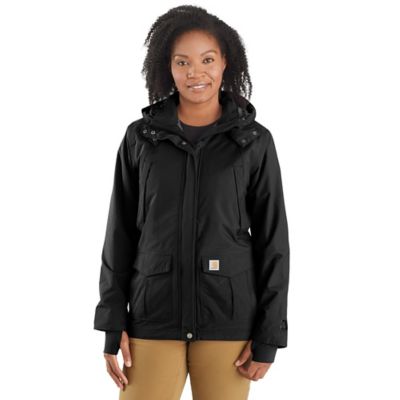
Women’s jackets for snow are made to help keep cold air, falling snow and melting moisture from cutting a day short. They can be useful for skiing and snowboarding, but they also earn their keep during ordinary winter jobs such as feeding animals before sunrise, clearing a walkway, walking the dog, watching outdoor games or heading to work on a slick morning. A good snow jacket usually combines a weather-resistant outer fabric with insulation and practical details that help hold in warmth without making movement feel stiff. When comparing options, start with the conditions where the jacket will be worn most often. A heavily insulated jacket works well for standing around in bitter cold, while a lighter shell or midweight insulated layer may be a better fit for active use, changing temperatures and layering. Waterproofing matters when snow is wet, when a jacket is worn in steady precipitation or when a long day outside includes kneeling, brushing snow from equipment or sitting on a lift. Look for sealed or critically sealed seams, water-resistant zippers and a waterproof rating suited to the job. Ratings around 10,000 to 20,000 mm are commonly considered a solid choice for regular wet-weather and snow use, while a simpler water-resistant finish may be enough for light flurries and brief trips outdoors. Breathability is important, too. A jacket that lets heat and sweat escape can feel much more comfortable when walking uphill, shoveling, carrying firewood or spending a full day on the slopes.
Insulation is another key part of choosing women’s snow jackets. Synthetic insulation is often a dependable choice for damp weather because it continues to provide warmth even when exposed to a little moisture, dries fairly quickly and is usually easy to care for. Down can feel wonderfully warm and lightweight in dry, truly cold conditions, though it needs more protection from moisture and may require extra care. Some jackets use reflective linings or specially designed heat-retaining materials to add warmth without a bulky feel. Consider how the jacket will fit over base layers and sweaters, especially if it will be worn during the colder months. There should be enough room to raise the arms, bend, drive, reach into a feed bin or swing a ski pole, but not so much extra fabric that cold air can easily move through. Adjustable cuffs help keep snow from running up sleeves, while a drawcord at the hem can block drafts around the waist. A high collar, soft chin guard and a hood that adjusts over a hat or helmet add useful protection when wind picks up. For skiing or snowboarding, details such as a powder skirt, wrist gaiters, a helmet-compatible hood and underarm vents can make a noticeable difference. Pit vents are especially handy during active runs or chores when body heat builds. For everyday wear, a two-way zipper, fleece-lined pockets and a removable hood may be more valuable than sport-specific features. Pockets should close securely and leave enough room for gloves, keys, a phone, goggles or a lift pass, with an inside pocket helping keep small electronics close to the body.
The right snow jacket can be a practical gift for someone who enjoys winter recreation, works outdoors or simply spends a lot of time in cold, snowy places. It may suit a daughter heading to a mountain trip, a spouse who walks the dogs in every kind of weather, a friend who helps with winter chores or a student looking for dependable outerwear for a cold commute. Pay attention to sizing and layering habits when giving a jacket as a gift, since some people prefer a trim fit while others need extra room for a thick sweatshirt or insulated vest. Color and visibility can matter as well; brighter shades are easier to spot against a gray sky or snowy field, while neutral colors can transition from the trail to town. For extra coverage around the hips and upper legs, take a look at
Women's Long Winter Jackets. Before wearing a new jacket in heavy weather, check the care label and follow its washing and drying instructions. Regular cleaning helps preserve water-repellent finishes, and fabric softener can interfere with some technical materials. Store the jacket clean and fully dry, avoid crushing insulated fills for long periods and inspect zippers, cuffs and seams when the season changes. With the right balance of warmth, weather protection, mobility and storage, a women’s snow jacket can handle everything from a brisk walk across a frosty yard to a full day enjoying fresh powder.