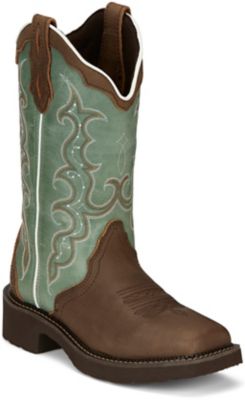
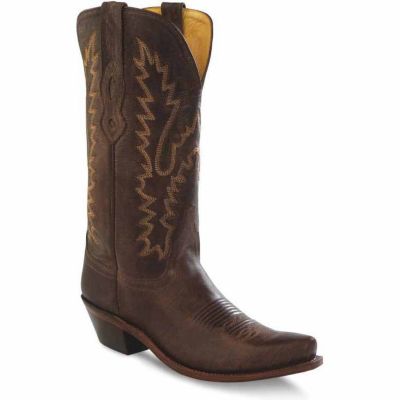
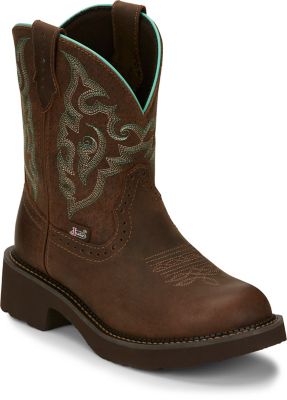
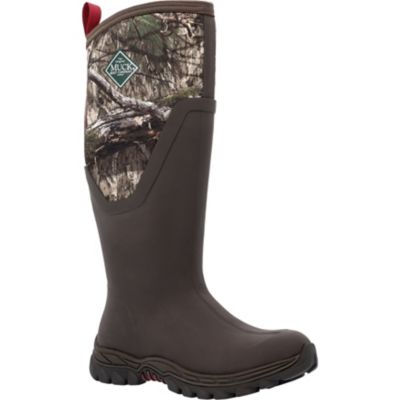
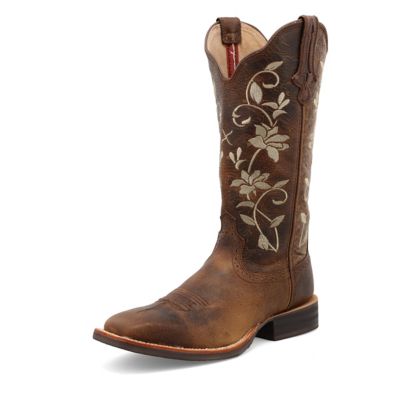
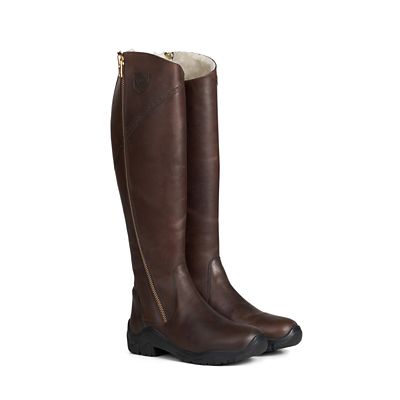
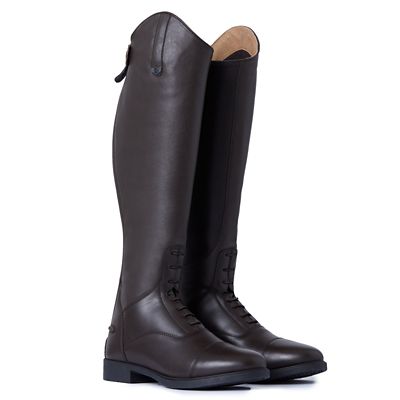
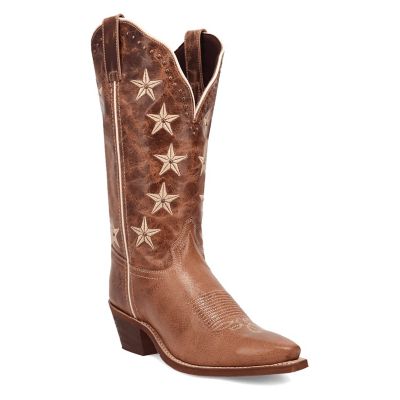
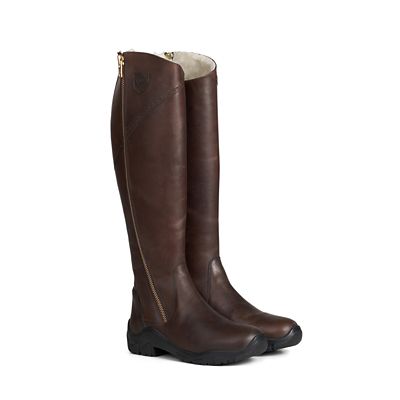
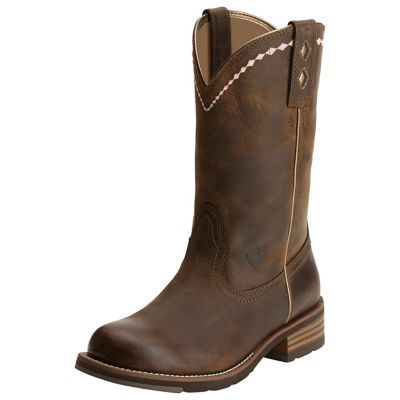
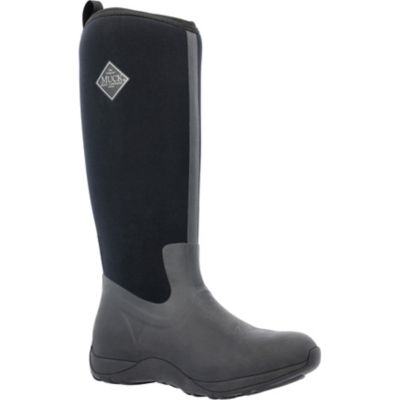
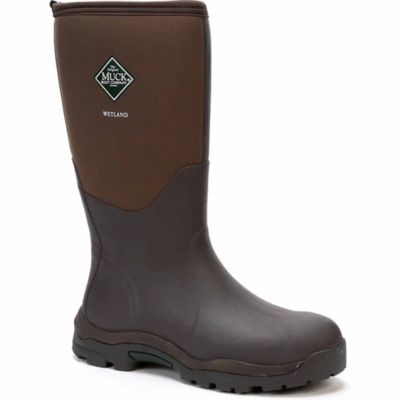
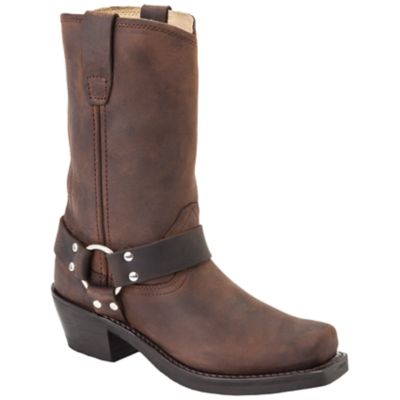
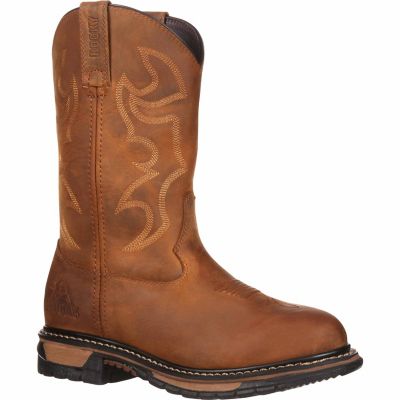
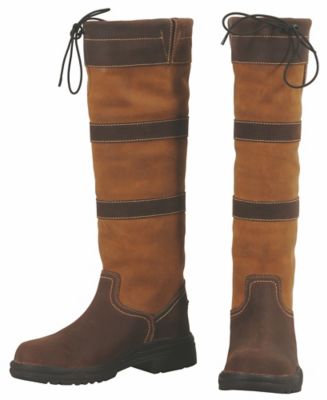
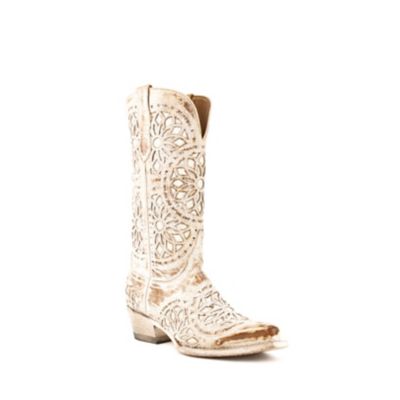
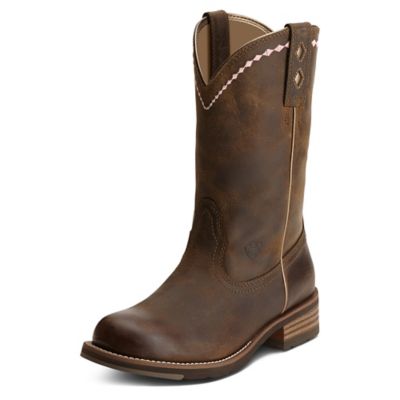
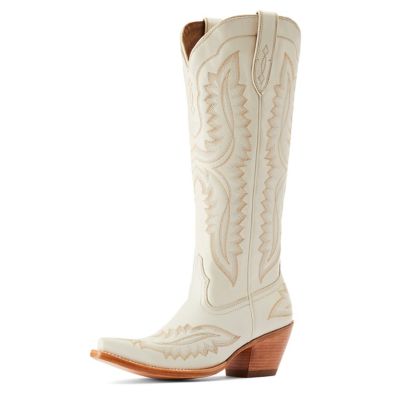
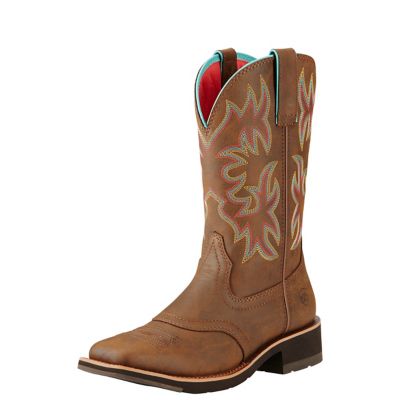
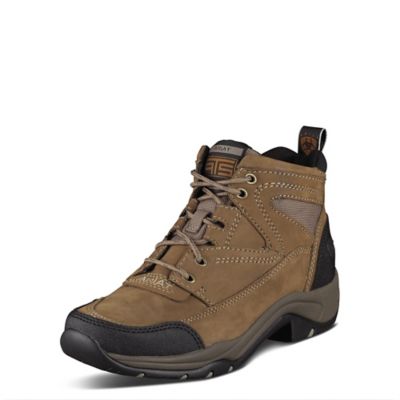
Women’s brown tall boots bring an easy, down-to-earth look to everything from jeans and a button-down to a simple dress for a night in town. The taller shaft gives an outfit a little more structure, while brown keeps the look grounded and easy to pair with denim, cream, olive, navy, and other everyday colors. Shades can range from light tan and honey brown to deep chocolate, with each bringing a different feel to the same outfit. Lighter shades show stitching and surface detail clearly, while darker browns tend to blend more quietly with clothing. A smooth finish looks a bit more polished; a softly textured surface feels more laid-back. Tall boots also cover more of the lower leg than ankle-height styles, though the exact height depends on the design and the wearer’s proportions. A shaft that reaches just below the knee on one person may sit lower on another, so the listed measurements tell more than a photo alone. Western-inspired shapes often feature shaped shaft openings, stitched patterns, and heels with a distinct profile. Riding-inspired styles usually have simpler lines, while everyday fashion boots may include buckles, side zippers, or a closer-fitting shaft. Those details help set the look, but they do not establish whether a boot is suited to riding, chores, or workplace demands. For everyday wear, a tall brown boot can look right at home at a family gathering, a county fair, a local concert, or a stop at the feed store. Slim jeans tuck neatly into a shaft with enough room, while a skirt or dress lets the full boot show. Jeans worn over boots need enough space through the leg opening to fall smoothly rather than bunch around the shaft. The best match comes down to how the boots fit into a person’s actual routine, whether that means plenty of walking, mostly sitting, or getting dressed for an occasion that calls for something a little sharper than everyday shoes.
Materials and construction make a noticeable difference in how women’s brown tall boots feel on the foot and how they hold up over time. Leather can develop a softer feel and changes in its surface with regular wear, though the amount of give depends on the leather, lining, and construction. Suede has a soft, textured appearance and needs care suited to its nap. Synthetic uppers offer another option, with flexibility, breathability, and cleaning needs that vary by material. Inside the boot, smooth lining and well-placed seams matter just as much as the outside finish, especially along the heel and calf where rubbing can become distracting over a long day. Fit involves more than the number printed on the box. Toe shape, foot width, instep height, shaft height, and calf circumference all affect whether a pair feels comfortable. Pointed and tapered toes need enough space for the foot without pressing the smaller toes together, while rounded and square shapes can feel different even in the same size. The ball of the foot should sit comfortably at the widest part of the boot, and the arch should line up with the foot’s natural position. Pull-on styles need enough room at the instep for entry without becoming loose once the foot settles inside. A slight amount of heel movement can occur in some pull-on designs, but constant slipping, pinching, or numbness is not something to shrug off. Side zippers can make taller shafts easier to get into, especially when the calf fit is closer. Measuring around the fullest part of the calf and considering the thickness of socks or tucked-in jeans helps make sense of shaft measurements. Heel height and shape also influence the feel underfoot: a broad, lower heel generally provides a steadier base than a narrow, taller one. Outsole pattern, cushioning, and flexibility deserve attention for anyone spending time on gravel paths, hard floors, or uneven ground. Appearance alone cannot tell how much traction or support a boot provides.
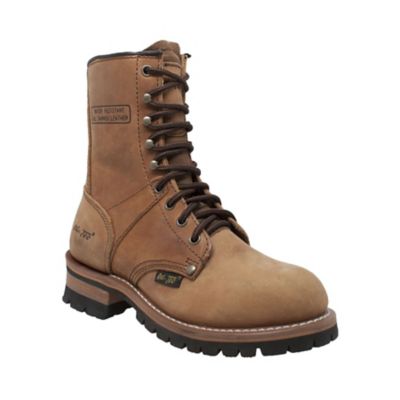
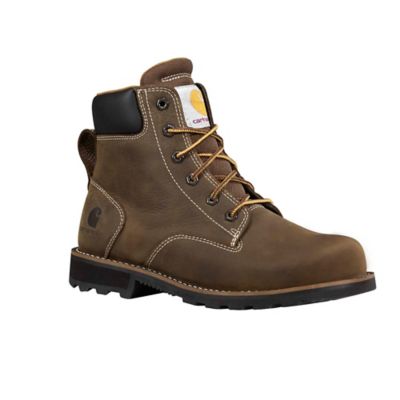
Keeping tall brown boots looking good starts with care that suits the upper material rather than treating every brown finish the same way. Dust from a barn aisle or gravel lane can settle along stitching, seams, and the welt, so gentle cleaning helps keep that grit from building up. Smooth leather often benefits from a soft cloth and a leather-care product recommended for that finish. Conditioner can help maintain suppleness, but too much may leave residue or alter the color, and a small test on an out-of-sight area helps reveal how the material responds. Suede calls for a brush and products intended for suede rather than ordinary leather polish. Synthetic surfaces may need only a lightly dampened cloth, depending on the maker’s care directions. Zippers work best when dirt is kept away from the teeth, and a boot should never need a hard tug to close over the calf. Letting boots air out between wears and keeping them away from direct heat helps protect their shape and finish. Shaft supports can keep taller uppers from folding sharply in storage, while attention to worn heels and soles can catch problems before the boot becomes uncomfortable. Intended use matters just as much as upkeep. A tall shaft does not automatically mean a boot has a safety toe, electrical hazard protection, or an outsole suited to a particular job. For routines that call for job-focused features,
Women's Brown Work Boots offer a related category to consider alongside the requirements of the work itself. Tall brown boots can also make a thoughtful gift for someone who already enjoys this style, especially when the giver knows her usual size, calf fit, and preferred heel height. Familiar details make the difference: room for her go-to jeans, a toe shape she likes, and a shaft height that feels right when she sits or walks. Those practical touches help a good-looking pair become boots she reaches for again and again.