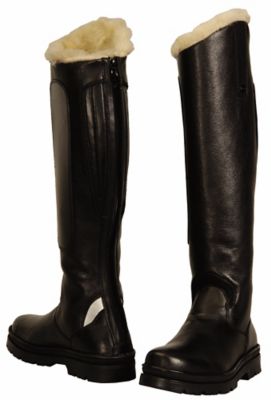
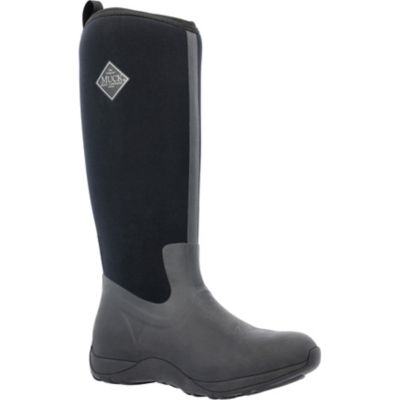
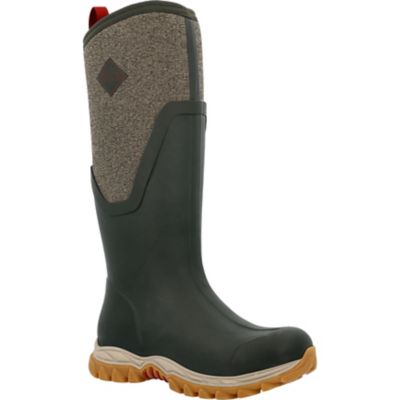
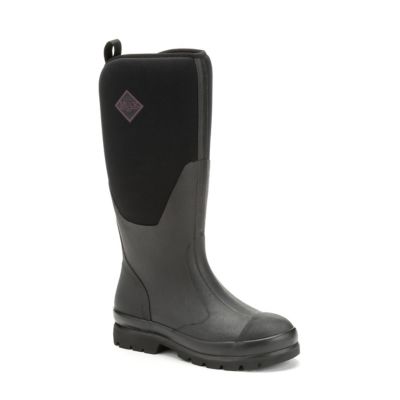
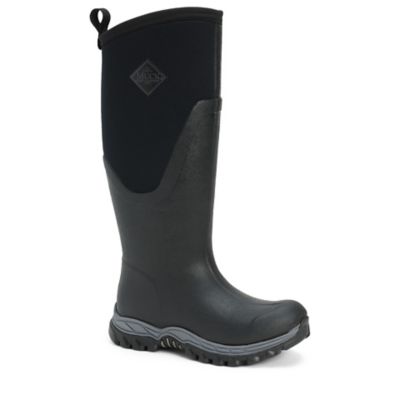
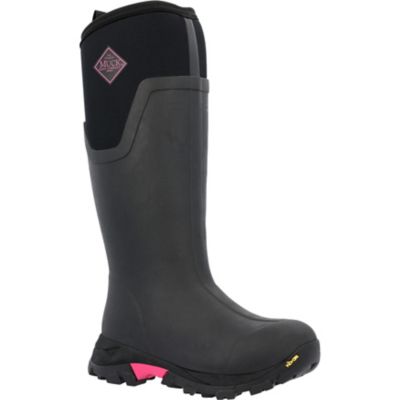
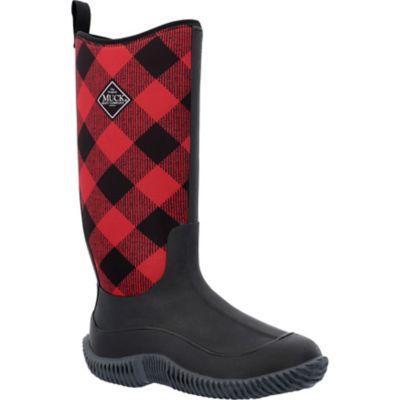
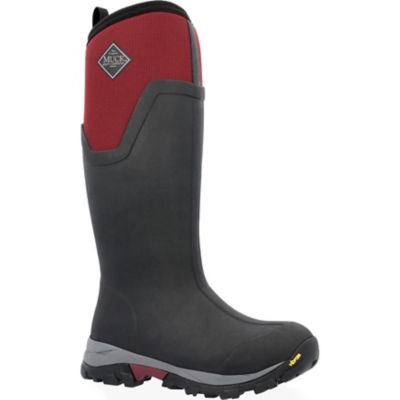
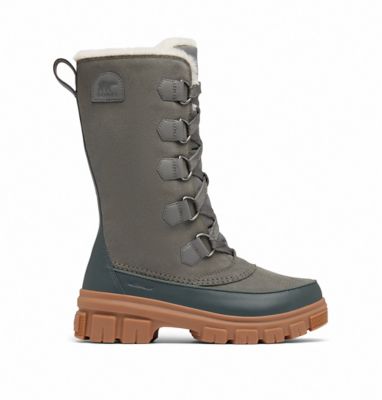
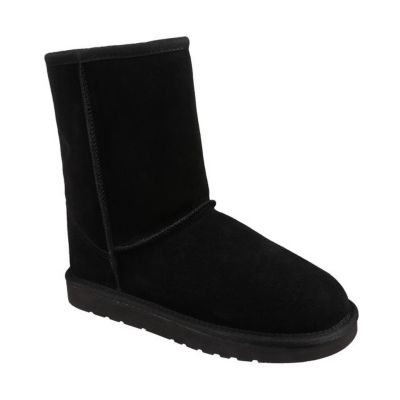
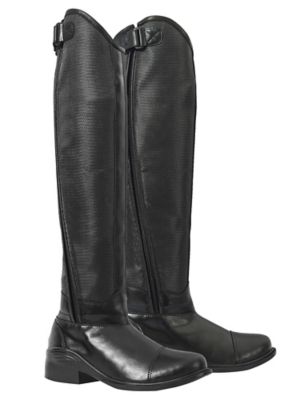
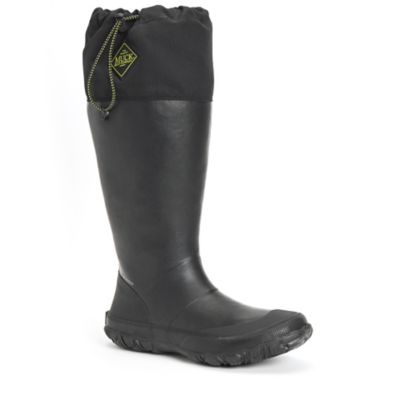
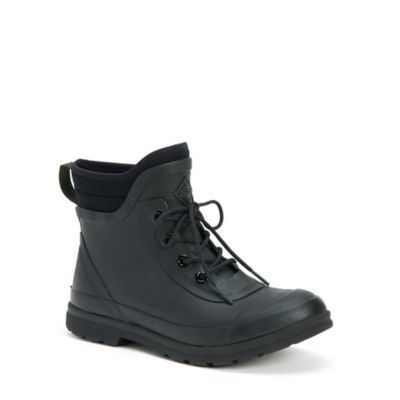
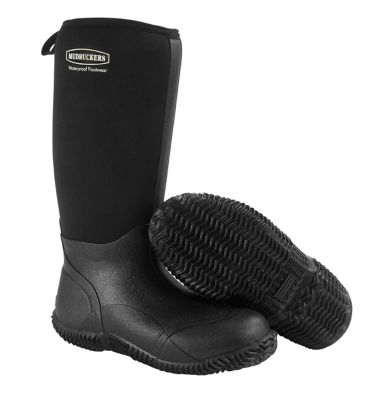
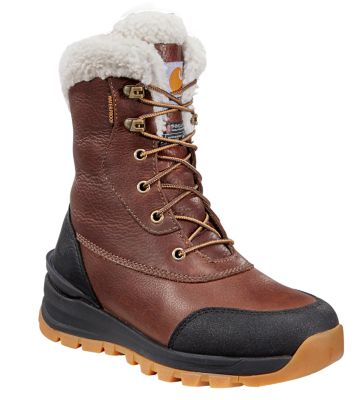
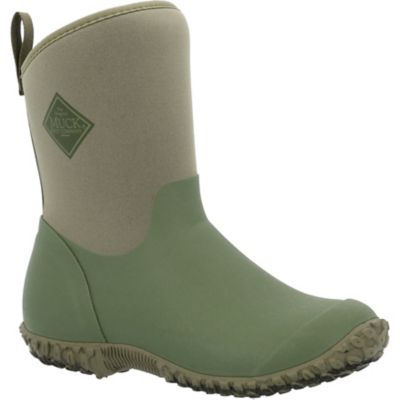
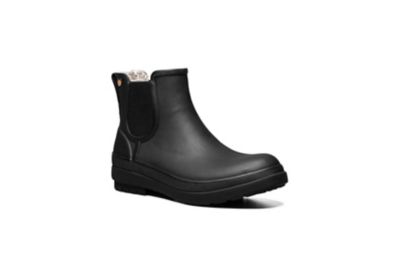
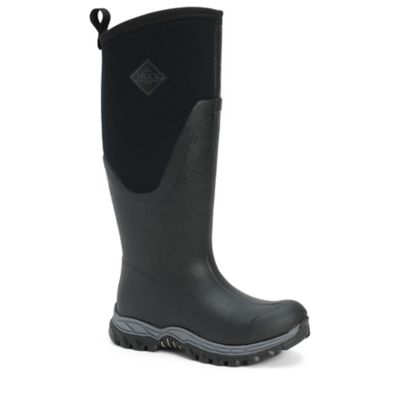
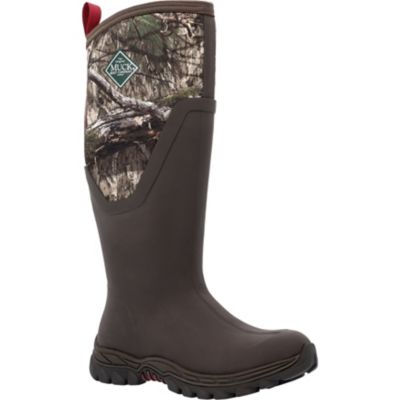
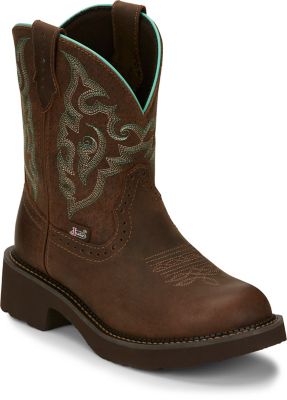
Women's tall winter boots offer extra coverage for cold days that involve more than a quick walk from the house to the truck. Their higher shafts help shield the lower legs from snow, splashes and chilly wind, whether the day's plans include feeding livestock, walking the fence line or heading into town. Heights range from around mid-calf to just below the knee, with coverage depending on the boot design and the wearer's height. That extra reach comes in handy when snow piles along a cleared path or wet grass brushes against pant legs. Materials make a difference in how these boots feel and where they work best. Rubber lower sections suit muddy lanes and slushy yards because their surfaces wipe clean easily, while flexible neoprene can add stretch and help retain warmth. Leather offers a different feel, with a supportive upper that softens with wear and needs regular attention to stay supple. Textile uppers can reduce weight and allow easier movement, especially when paired with reinforced areas around the foot. Waterproof membranes, sealed seams and water-shedding outer materials serve different purposes, so a water-resistant upper should not be mistaken for protection against prolonged soaking. For days built around wet snow, standing puddles and melting slush,
women's tall waterproof snow boots focus on the kind of moisture protection that matters under those conditions. Even with waterproof construction, water can enter over the top of the shaft. Tall coverage also does not turn an everyday winter boot into footwear intended for every job. Barn chores, long walks and time spent standing outdoors place different demands on the sole, upper and insulation. A boot that feels comfortable while collecting eggs may need different support from one worn for hours on a gravel lot. The strongest match starts with the ground underfoot, the amount of walking involved and how much exposure to moisture the day is likely to bring.
Warmth in women's tall winter boots comes from the whole design rather than a thick lining alone. Synthetic insulation helps hold warm air around the foot, while fleece linings offer a soft feel against socks. Some designs have removable liners that can be taken out to dry, an especially helpful detail after a long stretch outdoors. Insulation weights and temperature ratings can help describe a boot, but they are not promises of the same comfort for every wearer. Activity level, wind, dampness, sock choice and circulation all affect how warm feet feel. Standing beside a gate while waiting for livestock to move can feel colder than walking briskly across the same pasture. More insulation may suit long periods of standing, while a lighter arrangement can feel less stuffy during steady movement. Fit matters just as much. There should be room to move the toes without the foot sliding around, and the intended winter socks belong in the fit decision from the start. Thick socks squeezed into a narrow boot can leave feet feeling colder rather than warmer. Wool-blend or synthetic socks generally manage perspiration better than cotton, helping limit the damp feeling that develops during active chores. Tall shafts add another measurement beyond foot length: calf room. A comfortable opening needs space for the calf and whatever clothing will sit inside it, whether that is leggings, jeans or thermal layers. Adjustable closures and stretch panels can help accommodate those differences, while a zipper can make getting dressed easier without pulling hard on the shaft. Heel hold, arch support and cushioning matter during repeated trips between the feed shed and barn. Underfoot, deeper tread can help bite into snow and loose ground, while well-spaced lugs may shed packed material more readily. No ordinary outsole guarantees footing on ice, and frozen steps still call for care. Weight and flexibility deserve attention, too; a heavily built boot can feel reassuring underfoot but tiring over a long walking day, while a softer shaft may bend more comfortably when crouching.
A tall winter boot also needs to fit into the rhythm of daily life. Pull-on designs make it easier to get out the door for a quick check on the animals, while lace-up construction offers more control over the fit through the ankle and lower leg. Neither closure is automatically better; the useful choice depends on mobility, clothing and the amount of adjustment needed. Smooth outer surfaces are practical around mud and bedding, while stitched leather and softer textile uppers may feel more at home with jeans for errands and everyday outings. Pant placement changes the experience as well. Tucking a close-fitting pant leg into the shaft keeps loose hems away from slush, though there needs to be enough calf space to avoid bunching. Pants worn over the top need an opening wide enough to fall comfortably around the boot. Long service depends partly on construction and partly on what happens after the boots come off. Reinforced toes, securely attached soles and protected seams help footwear handle repeated wear, but grit left in creases and moisture trapped inside can shorten its life. Mud is easier to manage before it dries into a hard crust, and road salt should be cleaned away according to the material's care directions. Rubber, leather and textile uppers do not all need the same treatment. Leather may benefit from a compatible conditioner, while membranes and coated fabrics need cleaners that will not interfere with their intended performance. Liners and insoles, when removable, can dry separately, and boots should air out away from direct heaters or other intense heat. A boot tray near the door gives melting snow somewhere to go without leaving footwear shut inside a damp bag. Women's tall winter boots can also make a thoughtful gift for someone who tends animals, spends time outdoors or wants more coverage on snowy walks. Foot size, calf measurements, preferred socks and everyday activities make that choice more personal than looks alone. The pair that earns its place by the door is one that suits the wearer's routine, moves comfortably and has protection suited to the conditions ahead.