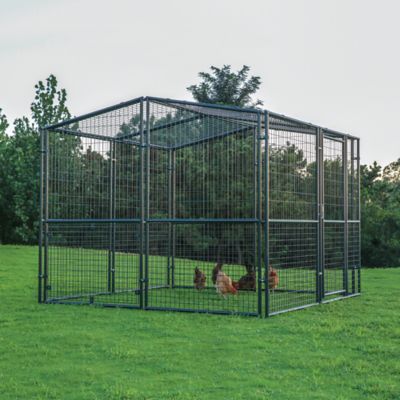
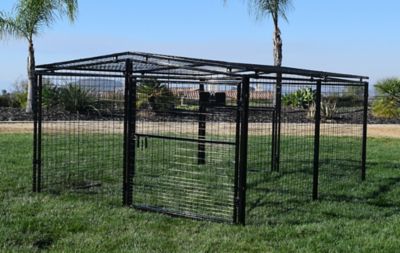
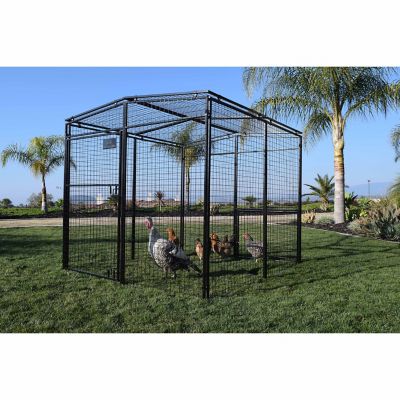
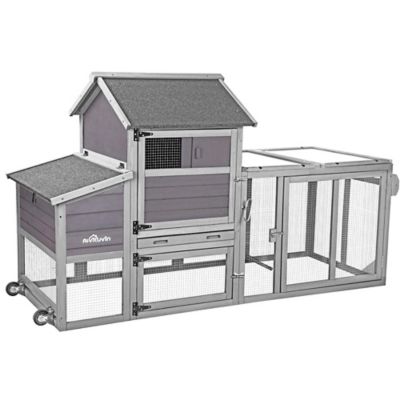
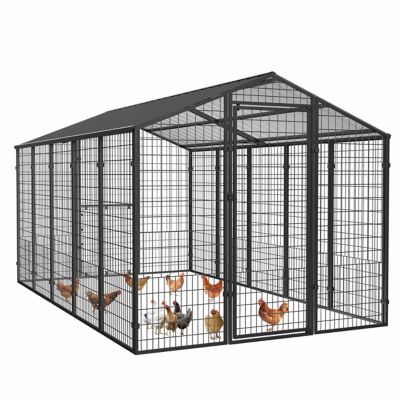
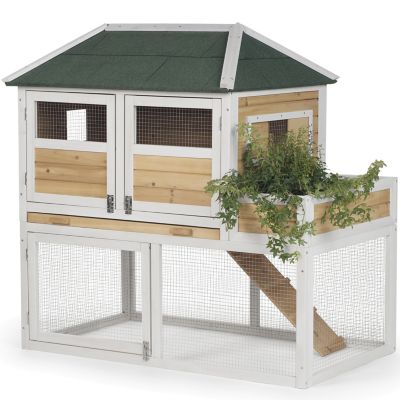
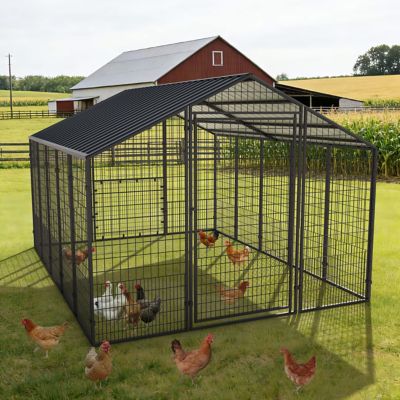
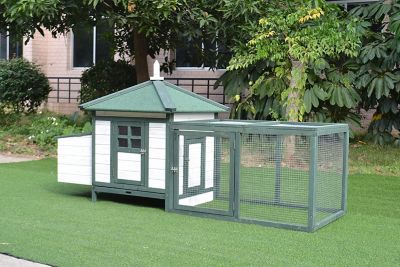
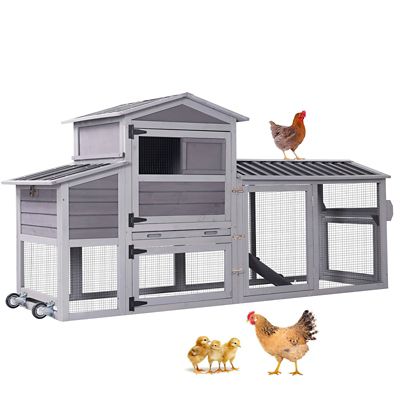
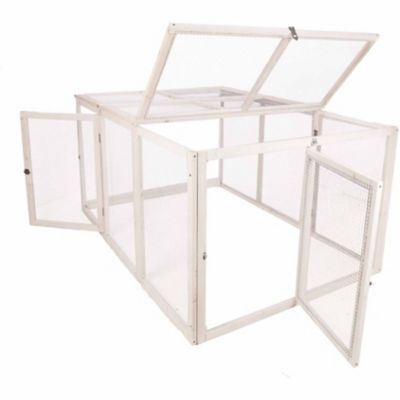
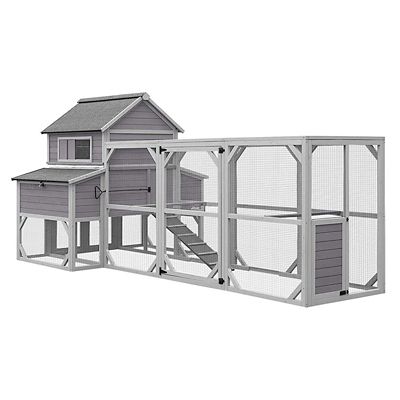
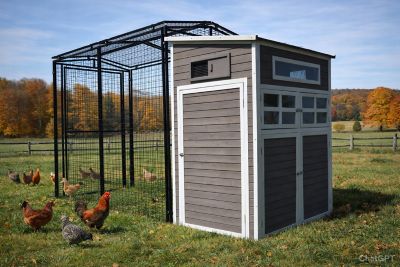
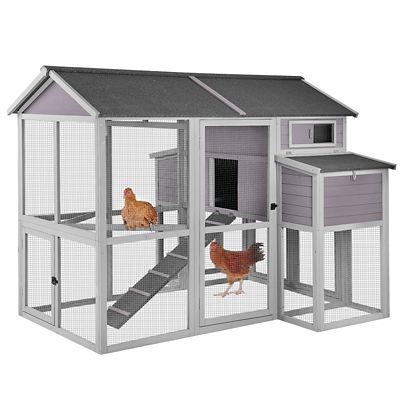
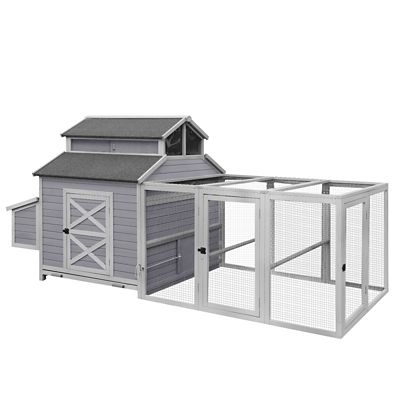
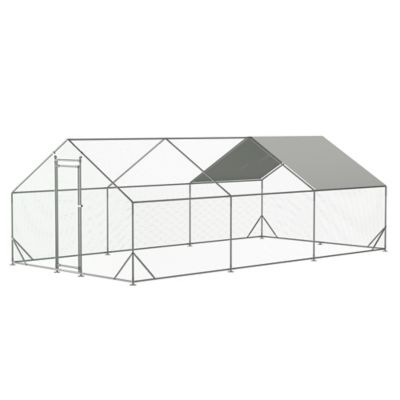
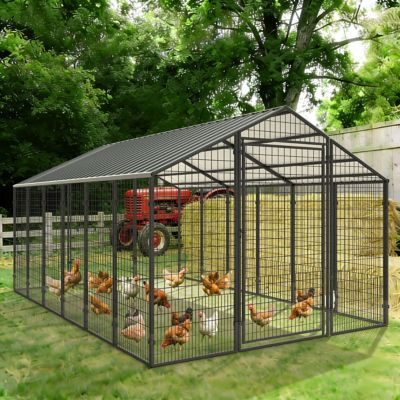
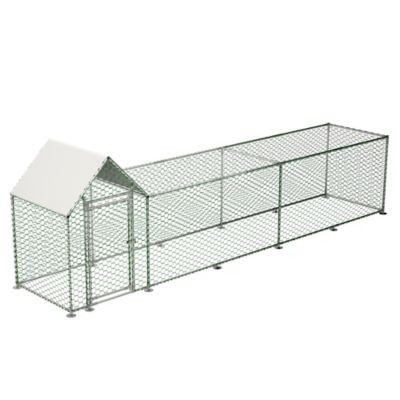
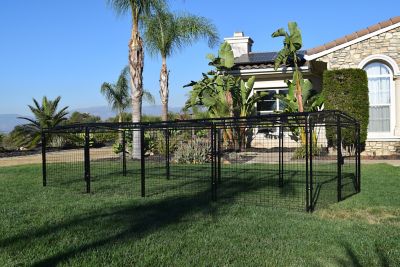
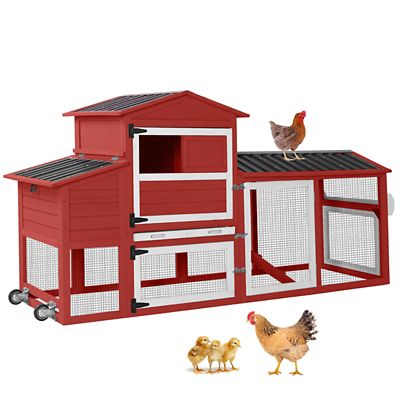
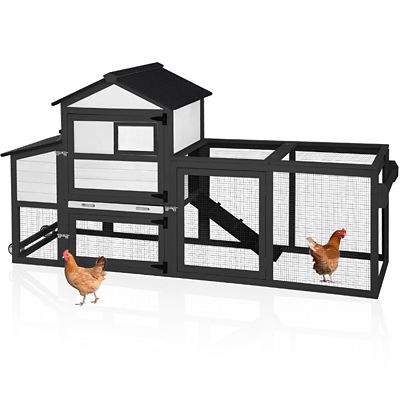
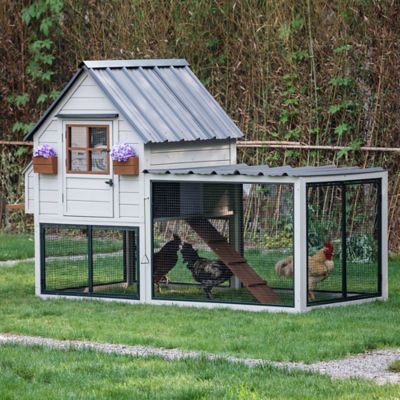
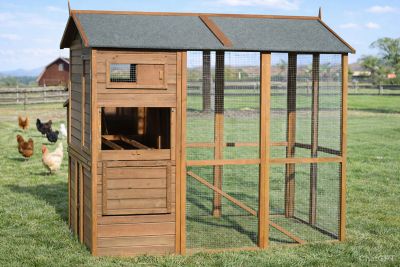
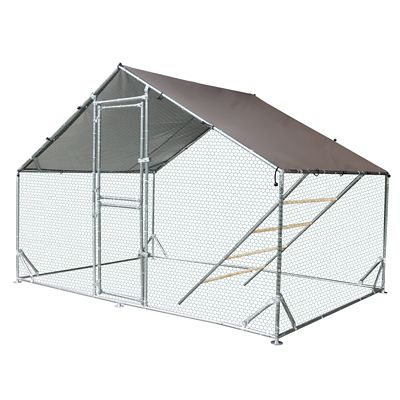
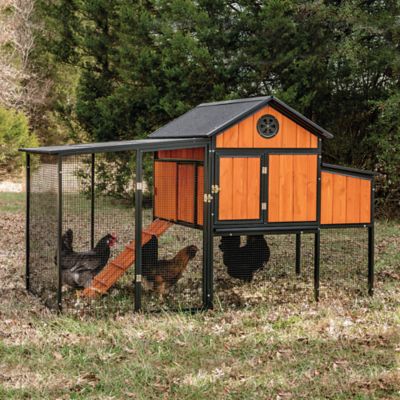
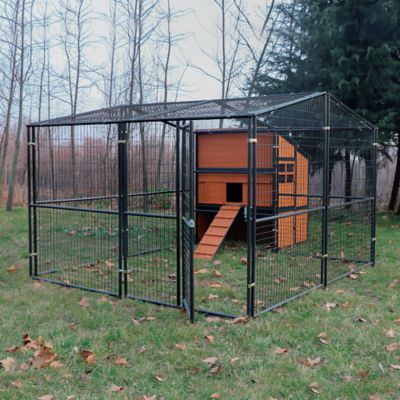
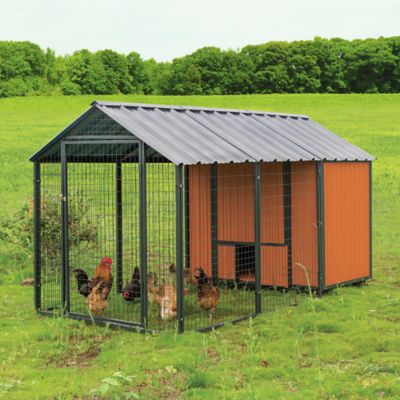
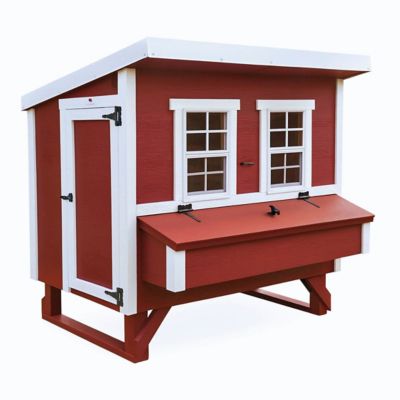
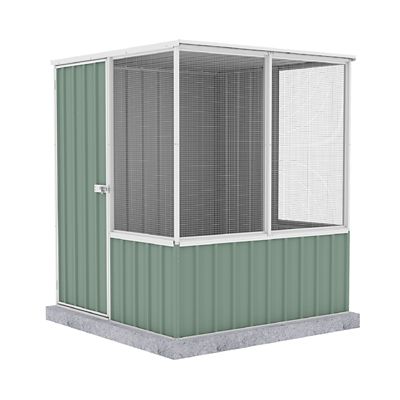
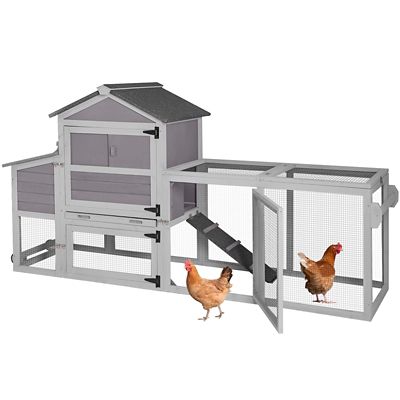
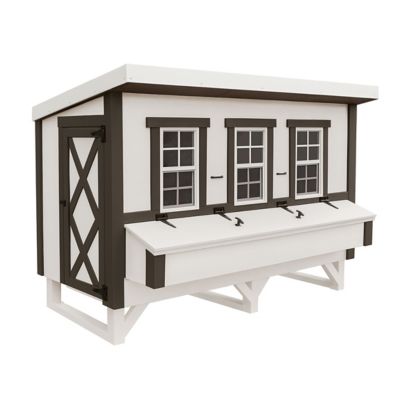
Wire chicken coops give a backyard flock or small farm flock room to move while keeping daily chicken chores within reach. Their open mesh sides make it easy to spot a tipped waterer, check on a hen scratching along the edge, or see whether the flock has settled in before closing up. Depending on the design, a wire enclosure may serve as a run attached to a separate henhouse or form part of a larger coop setup with an enclosed sleeping area. That distinction matters: wire fencing provides a boundary, but chickens still need suitable shelter, roosting space, and nesting areas. The right fit starts with the birds and the space around them. A few full-size laying hens have different needs than bantams, and a flock with a rooster may need a layout that gives birds more room to move past one another. Overall dimensions tell only part of the story. Feeders, waterers, ramps, and other fittings take up floor space, so the usable area should leave room for walking, scratching, and dust bathing without crowding. A long, narrow enclosure may fit beside an existing outbuilding, while a wider footprint may work better in an open section of the yard. Door placement also affects how naturally the setup fits into the day. An entrance facing the main chore path can make carrying feed less awkward, and enough clearance around the enclosure allows room for a wheelbarrow, bedding supplies, and routine maintenance. For households adding chickens to an established property, a coop that connects neatly with existing fencing or shelter can make the whole poultry area feel more organized. For a first flock, straightforward access and a sensible layout often matter more than a complicated design with features that take extra effort to manage. Space for future adjustments can be helpful, too, especially when moving a feeder or adding another roost changes how the birds travel through their enclosure.
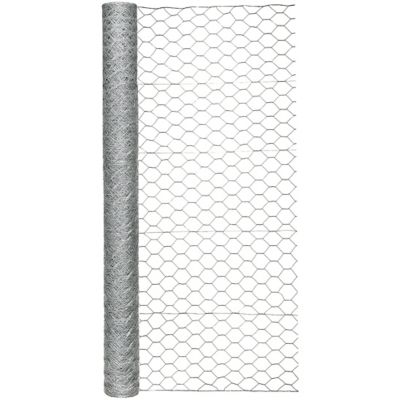
The wire, frame, and connections all play a part in how a chicken coop holds up to everyday activity. Galvanized steel wire is common in poultry enclosures because its zinc coating helps resist corrosion, while coated mesh adds another surface layer that needs care during assembly and cleaning. Welded wire has intersections joined together, while traditional hexagonal poultry netting has a different construction and level of rigidity. Those differences affect how the enclosure responds to pressure from birds, handling, and animals outside the fence. Traditional chicken wire can help contain chickens, but it should not be treated as a complete barrier against determined predators. Mesh opening size matters just as much as the overall appearance. A gap that keeps an adult hen inside may still allow a chick to slip through or an outside animal to reach into the run. Smaller openings around accessible edges can address some of those concerns, though the entire structure still needs attention. Wire thickness, weld condition, frame strength, and the way panels attach all contribute to the enclosure’s performance. Gauge numbers can help describe thickness, but comparisons make the most sense between wires of the same material and construction. Corners, door edges, and the connection between a run and a henhouse deserve a close look because gaps in those spots can undermine an otherwise sturdy setup. Overhead mesh may help limit access from birds of prey, but it does not replace a solid shelter roof. Along the ground, an apron or buried barrier may help discourage digging when installed according to the enclosure’s design and site requirements. Latches should close fully and resist casual lifting or pawing; a simple hook may not provide enough protection where raccoons are a concern. For another look at enclosures with flock protection in mind, explore
Secure Chicken Coops. No enclosure removes every risk, but well-matched materials and secure connections make a meaningful difference in a flock’s everyday setup. Protection works best when the perimeter, entry points, and attached shelter function together rather than depending on one feature alone.
Living with a wire chicken coop comes down to small details that show up at feeding time, egg gathering, and cleanout. A walk-in design can make tending a flock easier on the back, provided the doorway and interior height suit the person carrying the feed bucket. Smaller access doors may be practical for reaching a feeder or opening a passage to the henhouse, but they do not always make it easy to reach every corner. Hinges that move freely, doors that clear the ground, and latches that line up without forcing them can save plenty of fuss over the life of the enclosure. Smooth wire edges and properly secured fasteners matter around both birds and hands, especially where chickens brush against a panel or someone reaches through an opening. Care is generally centered on keeping connections tight, clearing buildup, and checking for trouble before a small issue spreads. Manure and damp bedding should not remain packed against metal surfaces, and cleaning methods should suit the wire coating and frame finish. Loose clips, broken welds, bent mesh, and exposed sharp ends call for attention rather than a makeshift patch that leaves another gap. Gate alignment can also change if the ground settles or a frame shifts, so a door that once latched easily may need adjustment. Portable enclosures bring another consideration: moving handles, wheels, overall weight, and bracing need to match the way the structure will travel around the property. A stationary setup instead calls for a firm installation and access around its perimeter. Whether the flock belongs to a family collecting breakfast eggs, a homesteader managing a larger poultry area, or a longtime chicken keeper replacing an awkward run, the most practical wire coop is one that suits both the birds and the daily routine. Room to scratch, access for chores, and materials that can be inspected and maintained help make the enclosure a useful part of the place rather than another obstacle between the feed shed and the henhouse.