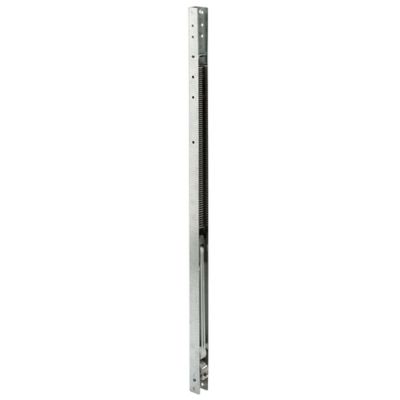
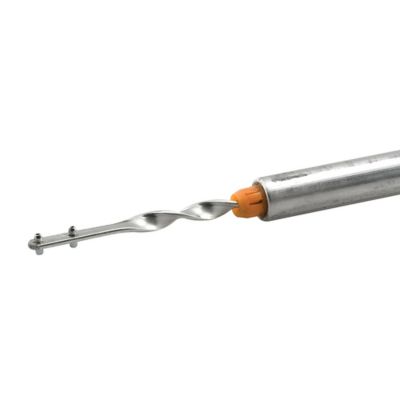
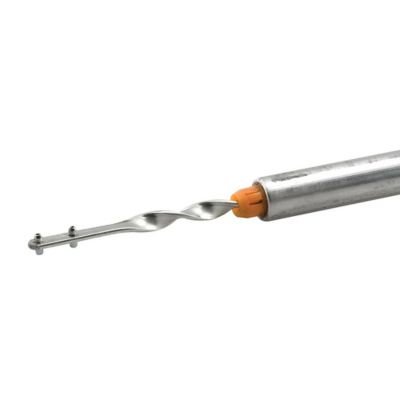
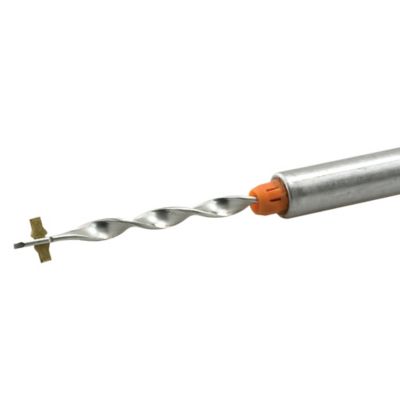
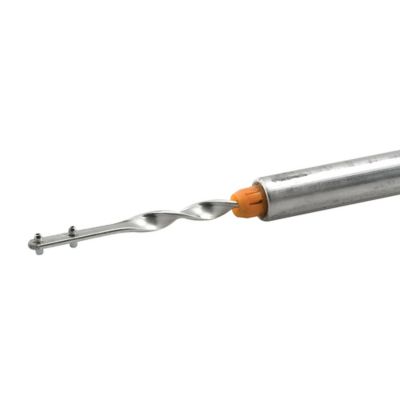
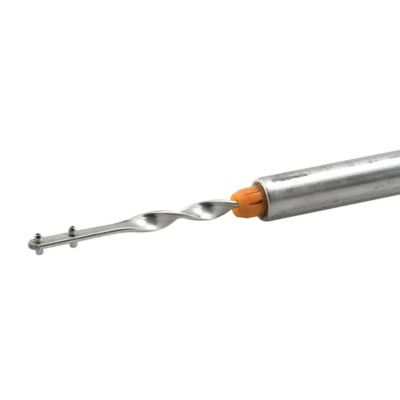
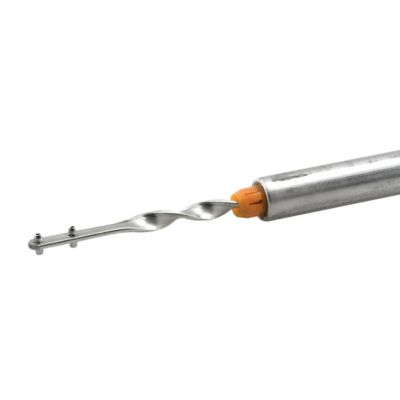
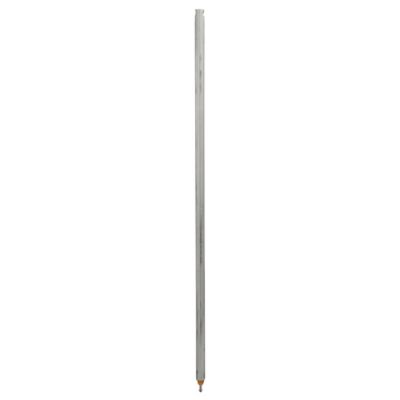
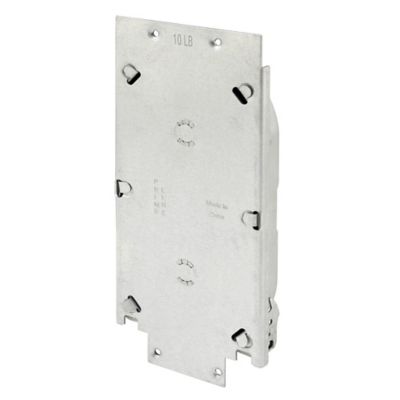
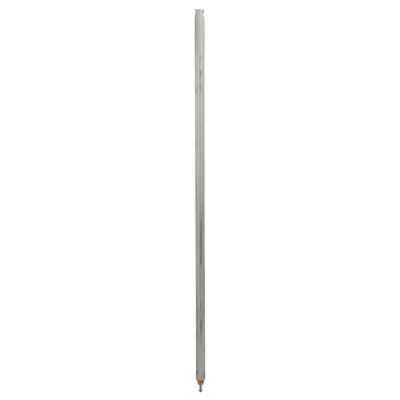
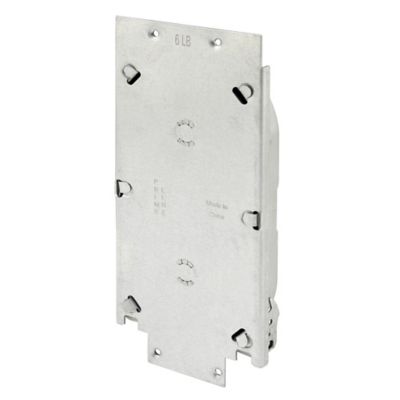
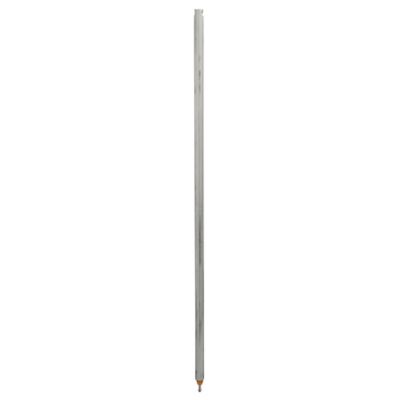
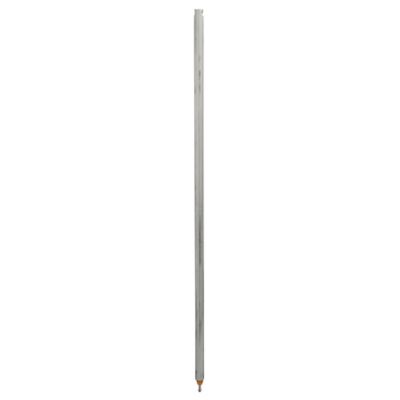
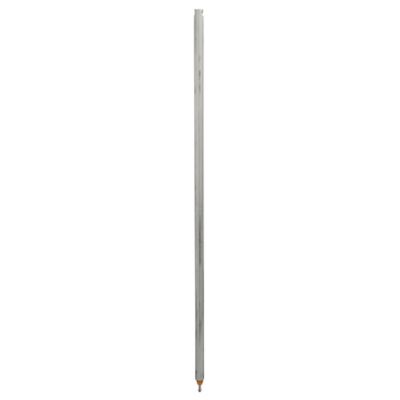
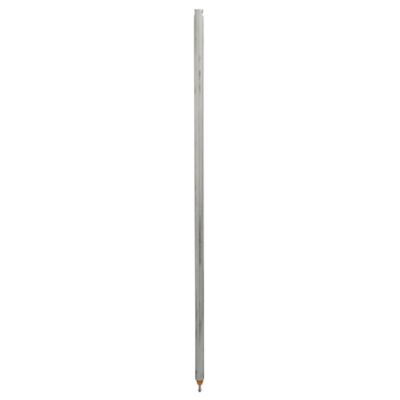
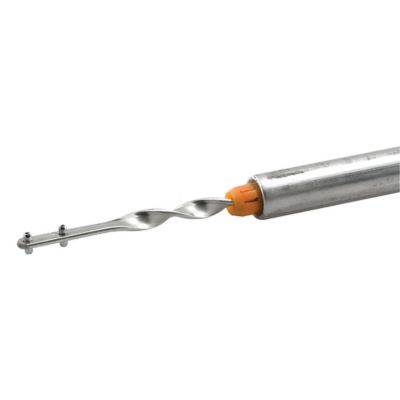
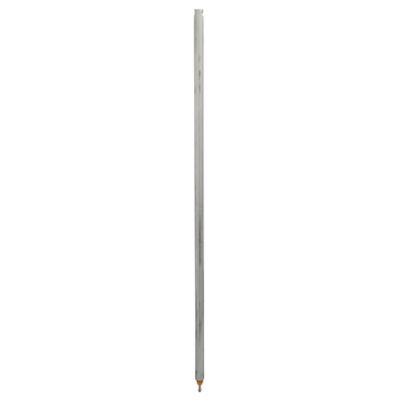
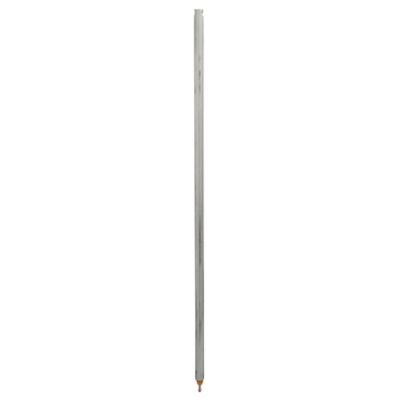
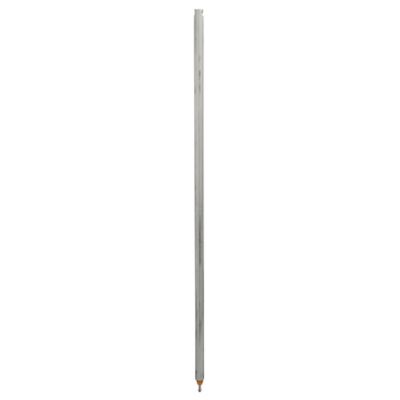
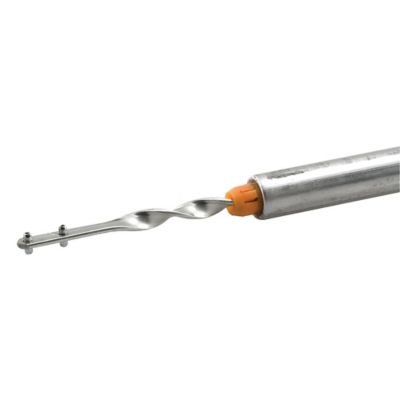
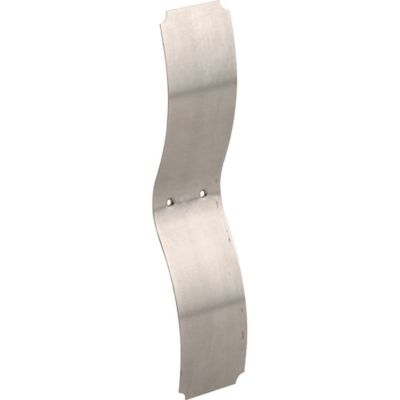
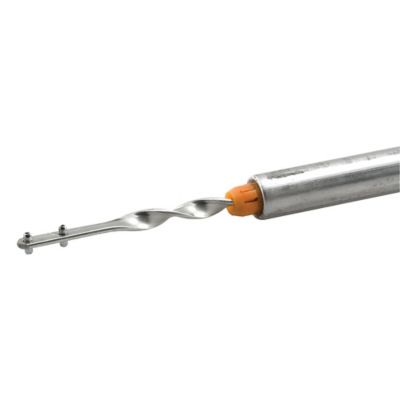
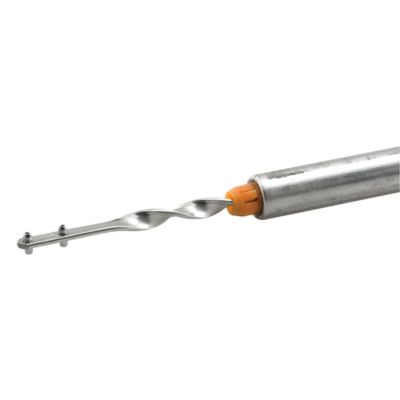
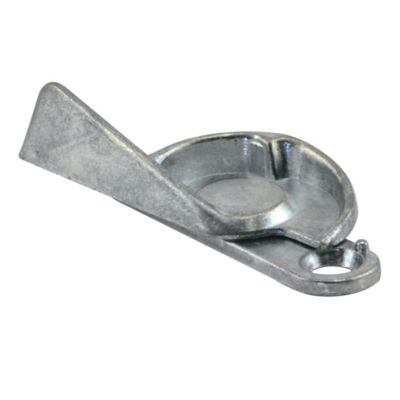
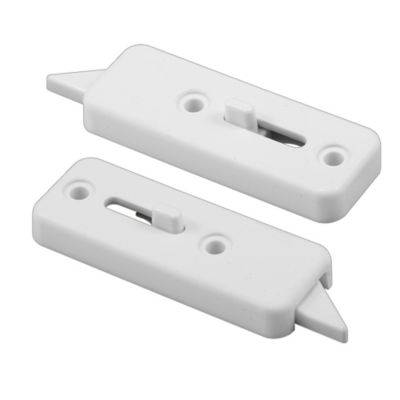
Window sash spring balances help offset the weight of a sliding window sash, making the glass-and-frame assembly easier to raise and helping it stay open at the intended height. The sash is the moving part of the window, and the balance usually sits alongside it within the jamb or behind a cover. These mechanisms do the lifting work that sash weights and cords handle in some older wood windows, but they rely on spring tension rather than a hanging counterweight. They belong in windows built for that balance system, whether the frame is wood, vinyl, or aluminum. In a single-hung window, the lower sash moves; in a double-hung window, both sashes can move and may have separate balance requirements. Several common balance styles serve this purpose, but their parts and mounting arrangements differ. Channel balances, often called block-and-tackle balances, combine a metal channel with a spring, cord, and pulley arrangement. The channel ends and attachments connect that assembly to the window’s operating hardware. Spiral balances have a tube containing a spring mechanism and a spiral rod that connects to the sash or a balance shoe. Their tension must suit the sash weight and the window design. Pullman-style balances generally contain a coiled spring and a retracting tape or ribbon, with mounting arrangements that vary by window construction. Some fit into applications involving traditional wood sash, but they are not an automatic substitute for another balance style. Steel housings and springs are common, while cords, guides, shoes, and end fittings may include synthetic materials. Plating or other protective finishes can help shield metal surfaces from corrosion, though long service life also depends on proper fit and a window that travels freely. For a farmhouse kitchen window, a workshop window, or a bedroom sash, the goal is straightforward: steady support without a wrestling match every time the window opens. The balance works with the tracks, sash hardware, and frame alignment rather than making up for trouble elsewhere in the window.
Fit comes down to more than finding a spring assembly that looks about the same. Window sash spring balances need to match the operating style, mounting details, dimensions, and weight range specified for the window. Tilt-in and non-tilt windows can have different connections, even when the visible metal housings look similar. A tilt-in sash may connect through pivot bars and balance shoes, while another design may rely on different clips, brackets, hooks, or terminal fittings. Those small details matter because they determine how the lifting force reaches the sash. Housing length, tube diameter or channel width, end-fitting shape, and attachment position can all affect compatibility. Length measurements generally refer to the metal channel or tube rather than every projecting attachment, but the balance maker’s measurement convention takes priority. Stamped numbers, labels, and colored tips or bushings can help identify a replacement, provided they are read within the correct manufacturer’s system. A color on one spiral balance does not necessarily represent the same weight range on another, and a channel stamp may encode information rather than state the sash weight directly. Matching the existing identification with the window specifications is more useful than relying on color alone. Sash weight matters just as much as size: a balance with too little lifting force can leave the window hard to raise or unable to hold its position, while too much force can make the sash resist closing or move upward unexpectedly. Changes to glass or sash construction can also change the weight requirement. Many windows have a balance on each side of the sash, and both sides need compatible support. Where the manufacturer calls for replacement as a pair, keeping the assemblies matched helps avoid uneven movement. Homeowners handling routine repairs, property caretakers maintaining several buildings, and tradespeople working on window restoration all benefit from these fit details. The right match supports the window’s original operation without forcing unrelated hardware into place or treating one balance style as interchangeable with another.
Everyday performance gives a good picture of how the whole window assembly is getting along. A sash that drops, hangs crooked, catches partway through its travel, or takes a hard shove to move deserves attention, but those symptoms do not always point to the spring alone. Paint buildup, debris in the tracks, damaged shoes, loose attachments, or a frame that is out of alignment can also interfere with movement. A spring balance works best when the sash has a clear, properly aligned path. Care usually centers on keeping accessible tracks and hardware free of grit, checking for frayed cords or damaged fittings, and following the window manufacturer’s cleaning and lubrication directions. Spraying oil into every opening can attract dirt or affect materials that need a different treatment, so more lubricant is not automatically better. Rust, bent housings, broken cords, and loose mounting points are reasons to have the assembly assessed rather than keep forcing the window. Spring mechanisms store energy, and a sash can be heavy enough to cause injury if its support gives way. Any repair needs proper sash support and the tensioning tools or procedures specified for that design; unfamiliar or concealed assemblies are a good reason to bring in a window repair professional. A balance is also separate from a window lock, opening limiter, or other safety hardware and should not take their place. For a kitchen sash opened above a deep sink or a tall window beside a workbench, even travel and dependable support make ordinary tasks less awkward. Screen hardware has a different job:
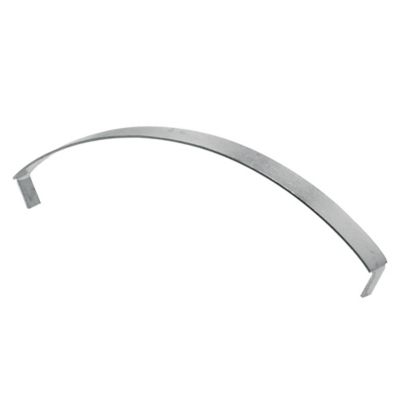
Window Screen Tension Springs help hold a screen frame in its track or opening, rather than counterbalancing the glass sash. Keeping those functions separate makes it easier to identify the hardware involved. Correctly matched sash balances, sound attachments, and clear tracks work together to keep a sliding window practical for everyday life around the house or shop.