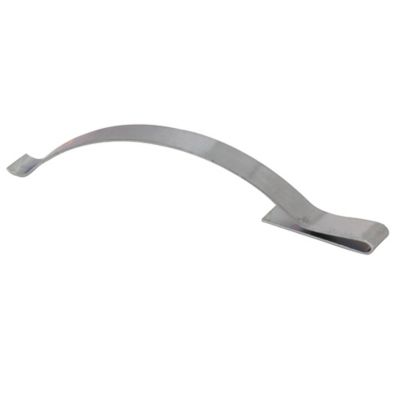
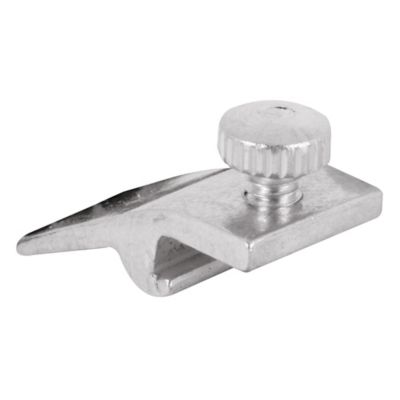
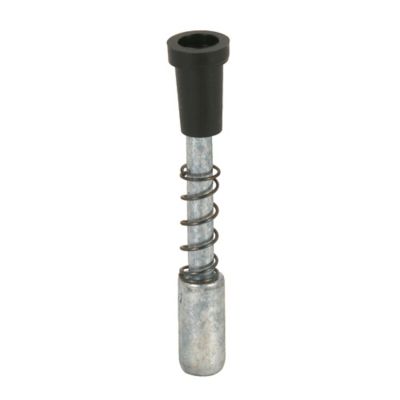
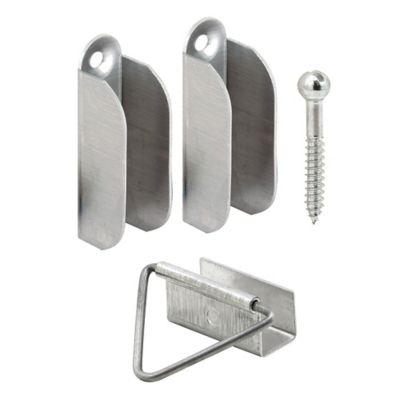
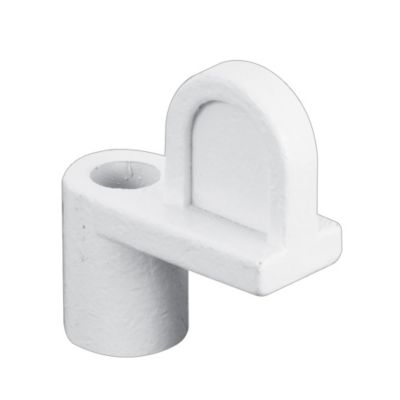
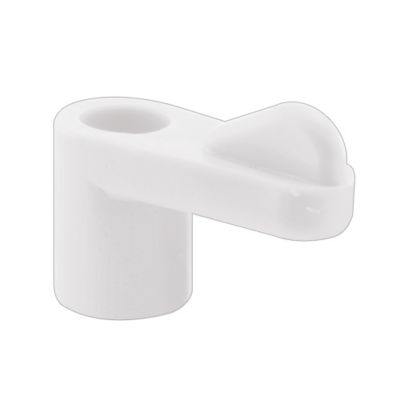
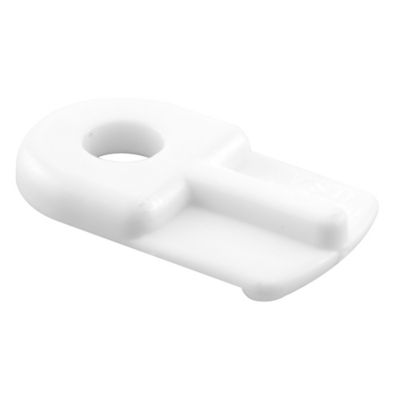
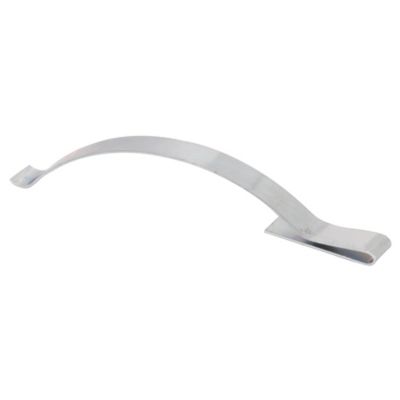
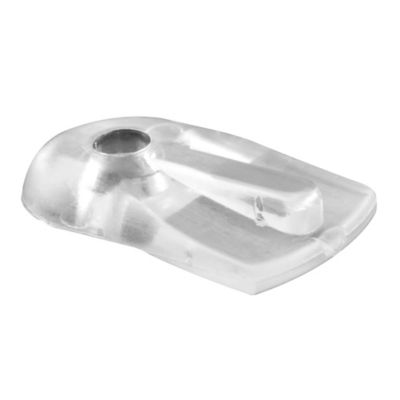
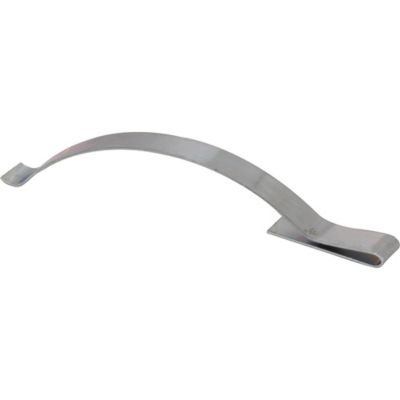
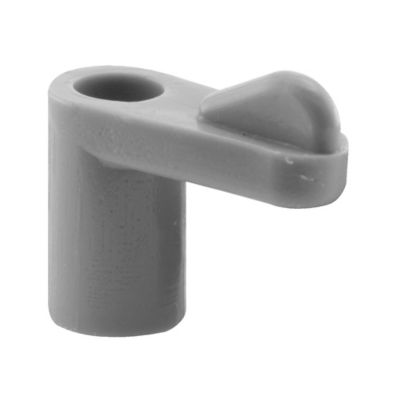
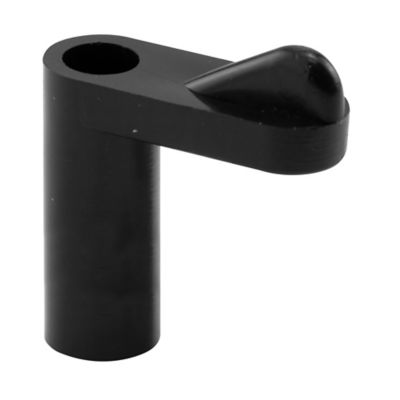
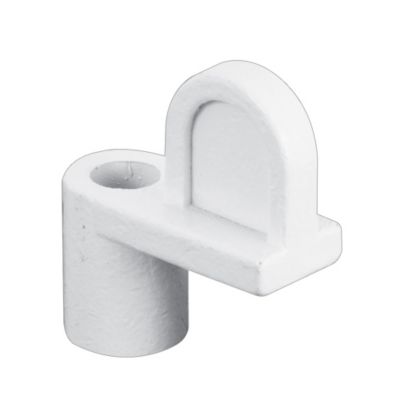
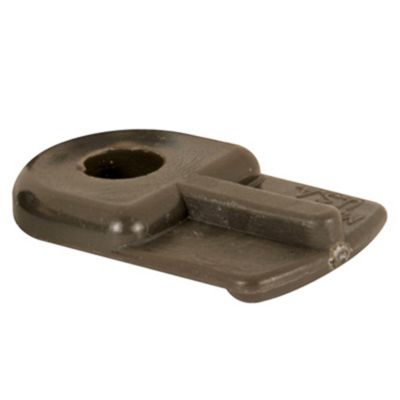
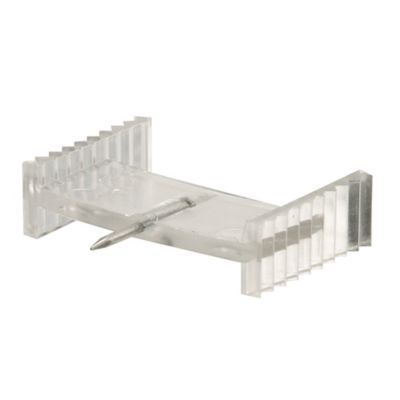
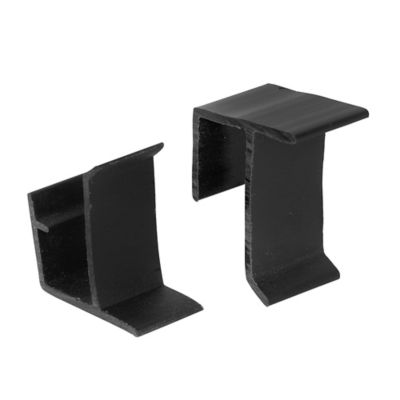
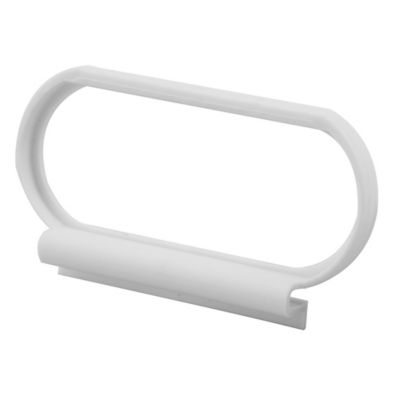
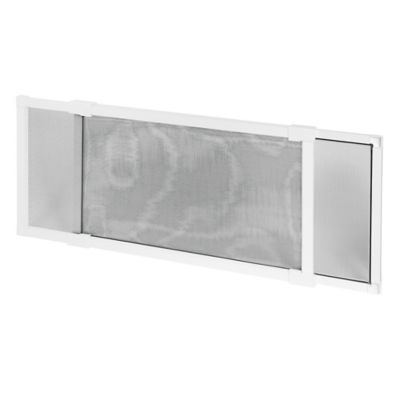
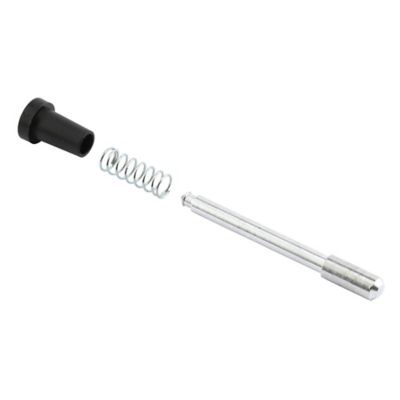
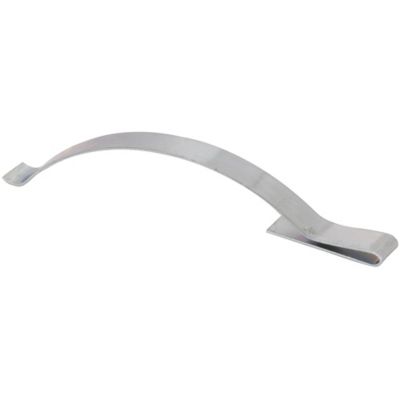
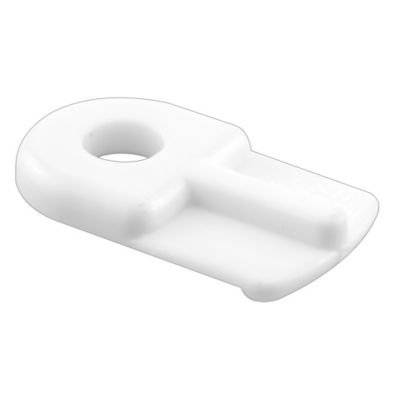
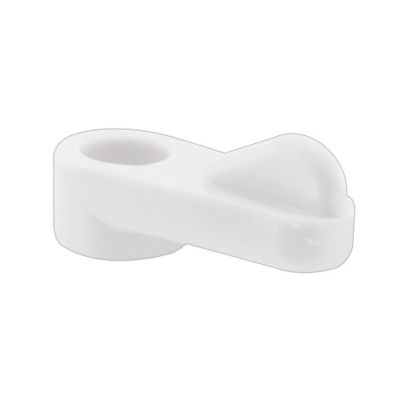
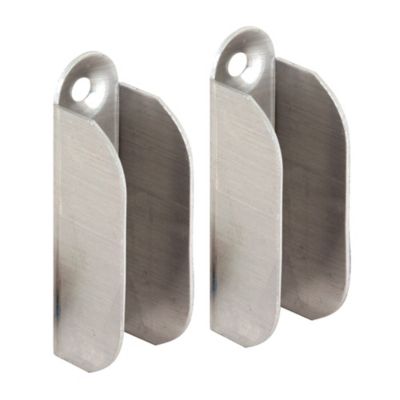
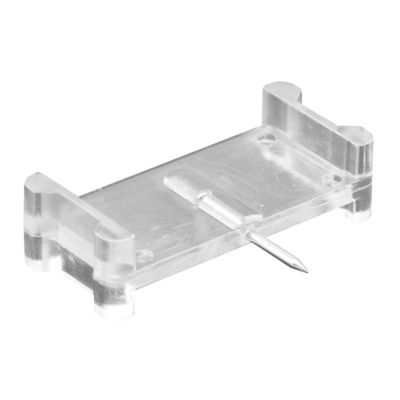
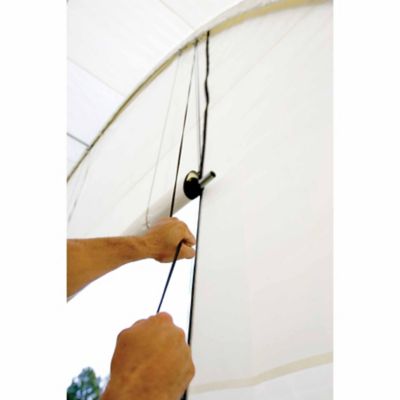
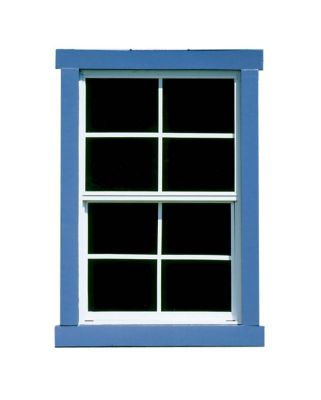
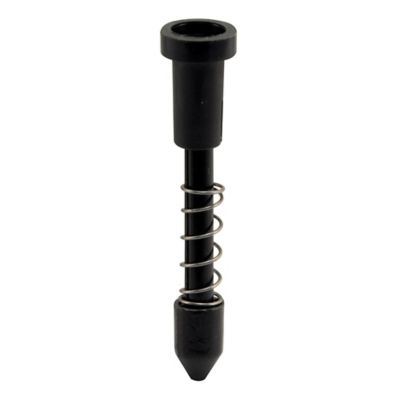
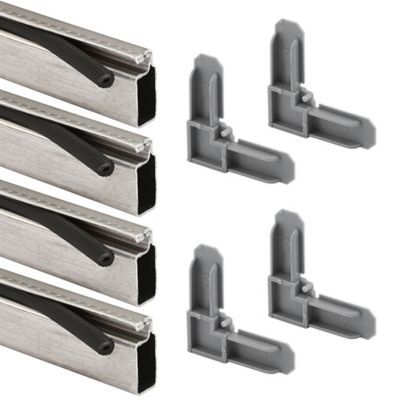
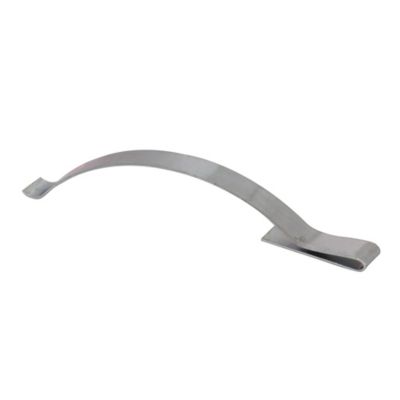
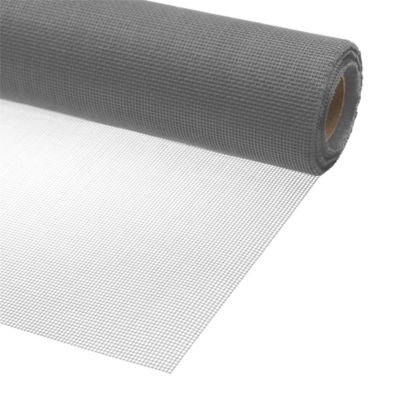
Window screen clips are small hardware pieces that help hold a removable window screen securely in its frame. They are commonly used on older homes, farmhouses, workshops, garages, cabins, sheds, and other buildings where screens need to be taken out and put back in as the seasons change. A good set of clips can help keep a screen from shifting, rattling, bowing outward, or slipping loose when a breeze moves through an open window. They are also handy when replacing worn, cracked, or missing hardware during routine home maintenance. Before choosing clips, look closely at the screen frame and window opening. Measure the frame thickness, check the space available around the edge, and note how the existing hardware attaches. Some screens use clips that rotate, while others use spring-loaded or screw-mounted pieces. Material matters, too. Plastic clips can be a practical choice for light-duty indoor screens, while metal hardware may be better suited to windows that see frequent use, strong wind, or rough handling around a busy homestead. If the building is near damp ground, a livestock area, or a breezy open field, corrosion-resistant hardware can help the repair hold up through changing weather. Keep the screen frame supported while removing old clips, and inspect the frame for bent corners, loose joints, or damaged mesh before installing anything new. A clip can secure the edge, but it cannot correct a frame that has lost its shape. For homes with several matching windows, compare the existing clips before ordering so the replacements work with the frame style and provide a consistent fit throughout the room.
These clips are useful for more than a single quick repair. A homeowner may keep a few on hand in the same drawer as spare screws, weatherstripping, and window-cleaning supplies, especially in a rural home where a screen can get bumped by a dog, brushed by a curious cat, or knocked loose while moving furniture. They can also help renters, landlords, maintenance crews, and caretakers make simple repairs without replacing an entire screen assembly. During the cooler months, many people remove screens for washing, storage, or storm-window installation, and dependable clips make it easier to put everything back when the weather warms. In a mudroom or back entry, a secure screen helps keep flies and mosquitoes outside while fresh air moves through the house. On a porch or enclosed breezeway, properly fitted hardware can make the space more comfortable for morning coffee, sorting garden produce, or keeping an eye on chores in the yard. When selecting a replacement, think about how often the screen will be removed, whether children or pets may press against it, and whether the window is exposed to wind. The clip should sit flat, hold the frame firmly, and allow removal without forcing the screen or scraping the window casing. It is wise to compare the clip’s mounting hole size and screw requirements with the hardware already in place. If the old screw holes are enlarged, a slightly different mounting location or suitable replacement fastener may provide a better grip. A small screwdriver, a soft brush, and a rag are often enough for the job. Clean dust and grit from the frame before fitting the clip, since buildup can keep the hardware from sitting flush. Work slowly around older windows, where brittle frames and faded plastic may crack if twisted too hard.
Window screen clips can be a thoughtful, practical addition to a housewarming basket, a first-home maintenance kit, or a gift for someone settling into a cabin, workshop, or country property. They take up very little room but can save a trip to the hardware aisle when a screen comes loose on a warm afternoon. They also pair naturally with other window-maintenance supplies, including replacement screen material, spline, repair patches, cleaning tools, and
Window Screen Latches when a window needs a different style of closing or securing hardware. Take a few minutes to identify the type of screen frame before purchasing, since clips made for one design may not reach the frame edge or may interfere with the window track. Pay attention to the number of clips needed as well; wide screens and frequently opened windows may benefit from several attachment points rather than relying on one clip at the center. For a screen that is stored during cold weather, remove it carefully, wash it with mild soapy water, let it dry completely, and keep it flat or supported so the frame does not warp. When reinstalling it, check that the mesh is tight, the frame is square, and each clip turns or fastens fully into place. A secure screen should stay put during ordinary use while still being easy to remove for cleaning and seasonal upkeep. Whether the repair is on a kitchen window overlooking the garden, a workshop where sawdust and dust collect, or a spare room in an older farmhouse, the right clips provide a straightforward way to keep screens fitted neatly and ready for fresh air.