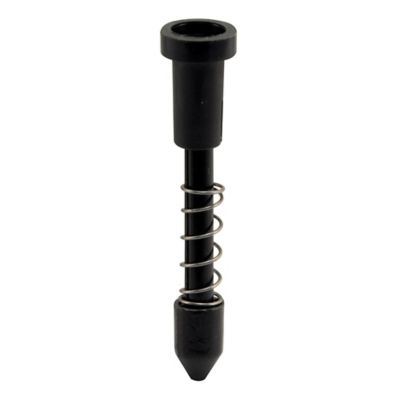
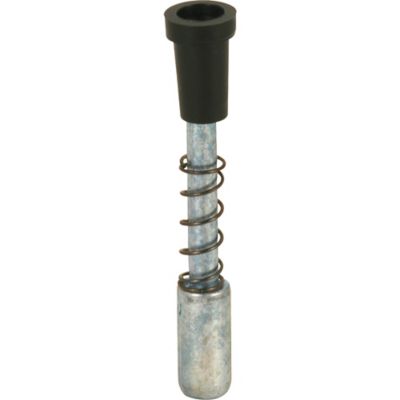
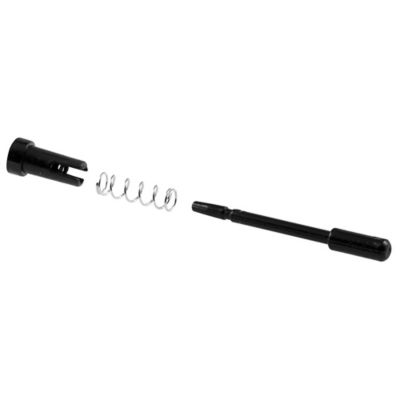
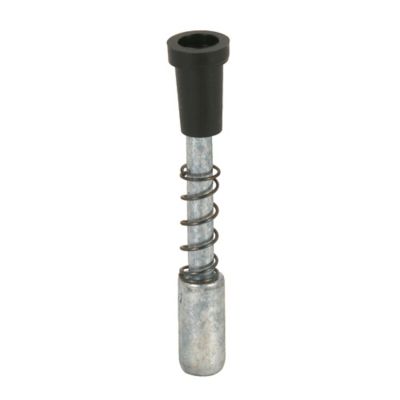
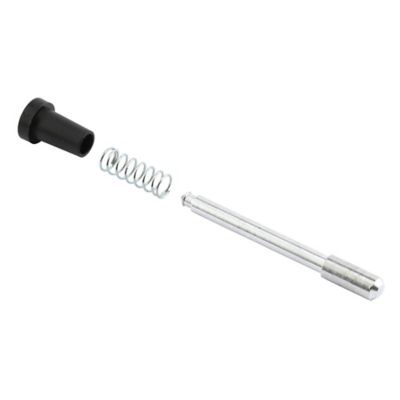
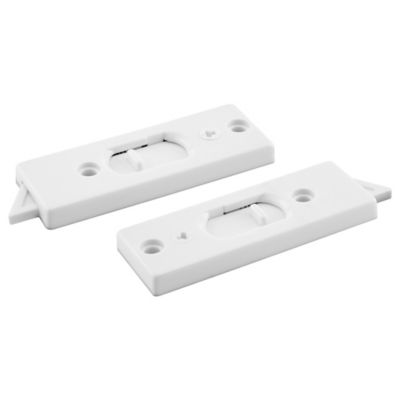
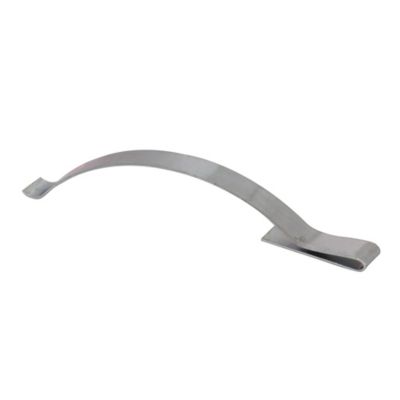
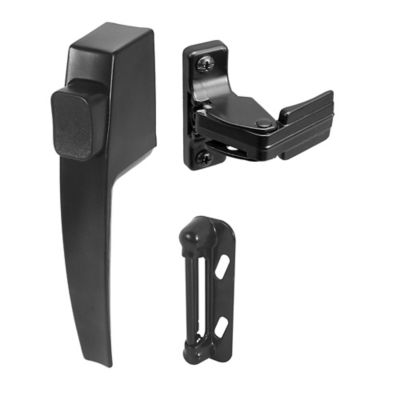
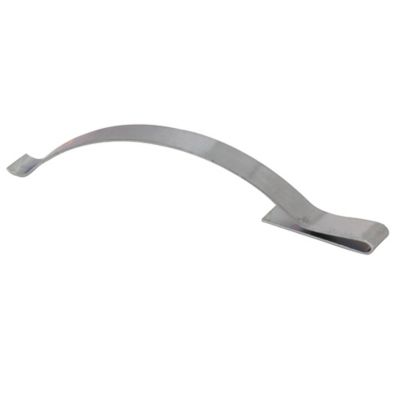
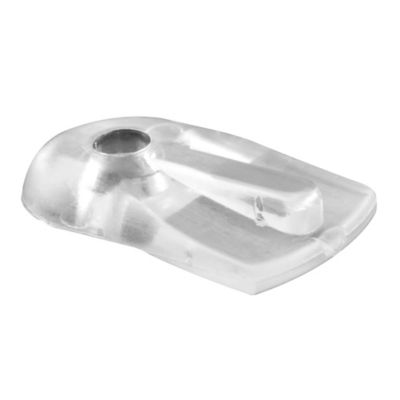
Window screen latches are small parts that help keep screens seated in their frames, making it easier to enjoy fresh air while keeping leaves, flying insects and curious pets where they belong. They can be helpful around farmhouses, cabins, workshops, rental homes, garages and outbuildings where screens see plenty of regular handling. A loose latch may seem like a minor nuisance at first, but a screen that shifts in the breeze can let in more than mosquitoes. Wind, dust, grass clippings and bits of chaff can find their way indoors, especially near open barn doors or a busy back porch. Replacing a worn latch or adding one where a screen needs extra support can help the panel sit snugly against the frame. These parts also come in handy when a screen has been removed for cleaning and needs to go back in place without a lot of fuss. Anyone caring for an older home knows how one little piece can make a difference: a latch that no longer catches, a spring that has lost its tension or a fastener that has gone missing can turn a simple window into a daily annoyance. Keeping the right replacement on hand can make screen maintenance more manageable, whether the work is part of a larger home project or a quick fix before opening the windows on a mild afternoon.
When selecting a window screen latch, start by looking at the way the screen frame is built and how the existing latch attaches. Measure the available space, note the position of the mounting holes and compare the shape of the replacement part with the latch already on the window. Some screens sit inside a channel, while others rest against the outside of the frame, so the latch needs to match that arrangement without rubbing against the sash or preventing the window from closing. Pay attention to the material and finish as well. A screen near a kitchen sink, mudroom or covered porch may encounter moisture more often than one in a dry upstairs room, while windows around a livestock area may face dust and grit. A part that is simple to wipe clean and easy to operate with one hand can be especially helpful when carrying groceries, garden tools or a cup of coffee. It is also worth checking how much room there is for fingers, since a latch placed close to the frame can be difficult to turn. If several windows share the same style, compare each one before ordering; older homes sometimes have small differences from room to room. For a broader selection of clips, catches, fasteners and related parts, browse
Window Screen Hardware to help match the latch to the rest of the screen setup. A careful look at the frame, measurements and mounting method can save a trip back to the store and help the repair go smoothly.
Window screen latches are practical additions for homeowners, landlords, caretakers and anyone maintaining a place with plenty of fresh-air windows. They can also make a thoughtful housewarming gift for someone settling into a country home, fixing up a hunting cabin or getting an older rental ready for the next season. A small assortment of screen parts can be useful for a new homeowner who is still finding little repairs around the property, or for a family member who spends weekends improving a porch, workshop or guesthouse. During the cooler months, screens may get less attention as windows stay closed, making it a good time to inspect frames, brush away dirt and replace parts that have begun to stick or loosen. When warmer weather returns, a properly latching screen is ready for open windows, evening breezes and the sounds of the yard without leaving a gap along the frame. On rural properties, it helps to check screens after mowing, hauling hay, washing windows or moving equipment nearby, since vibration and flying debris can shift a panel or stress its fittings. A quick test is simple: open the window, set the screen in place, engage the latch and gently press around the frame to see whether it stays seated. If the screen moves, rattles or leaves a visible opening, the latch may need attention. Keeping replacement parts with other home repair supplies means a small screen problem does not have to interrupt chores, porch time or a quiet evening with the windows open.