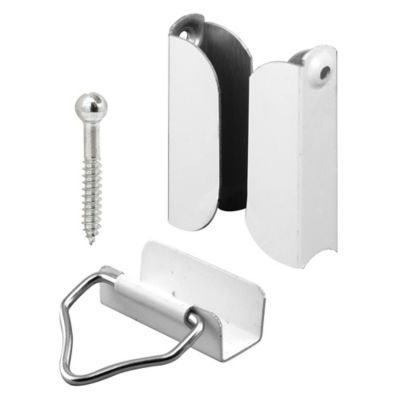
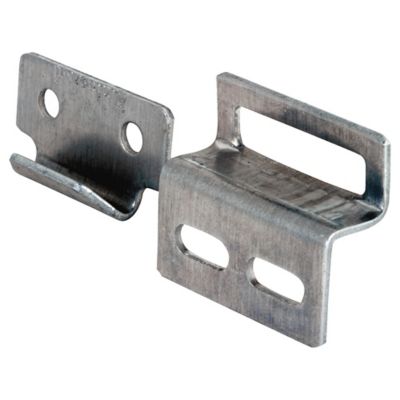
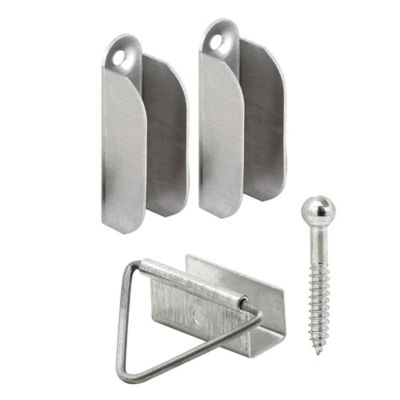
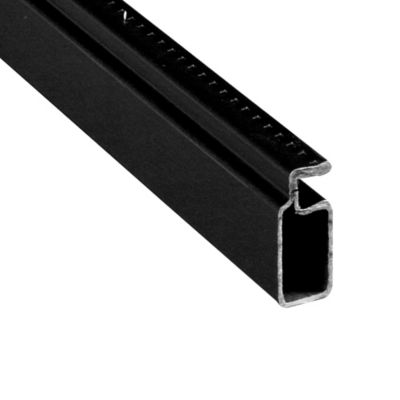
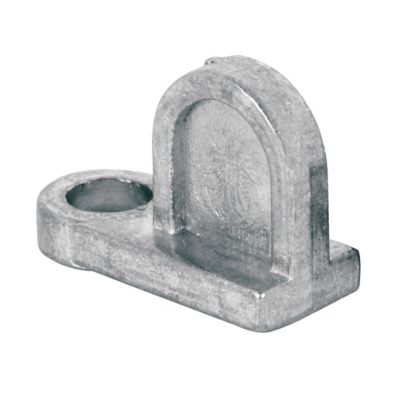
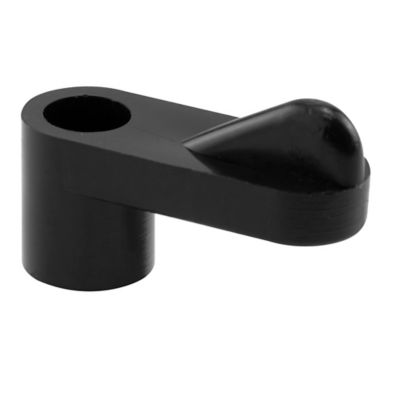
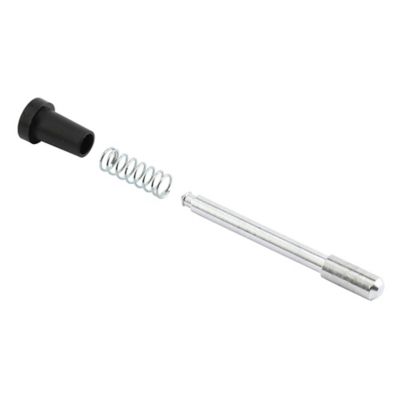
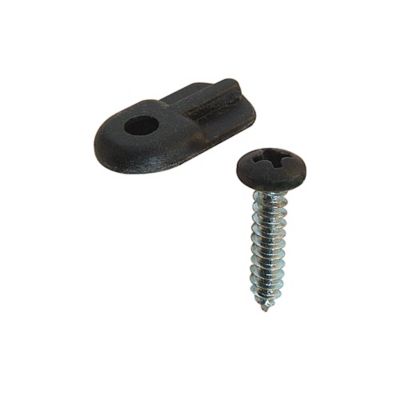
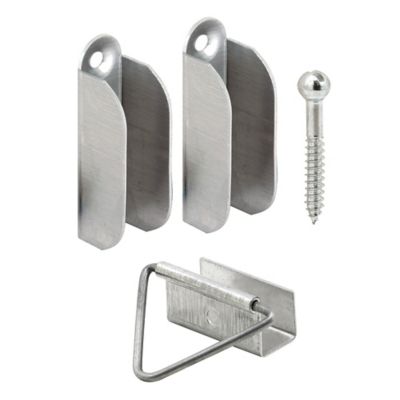
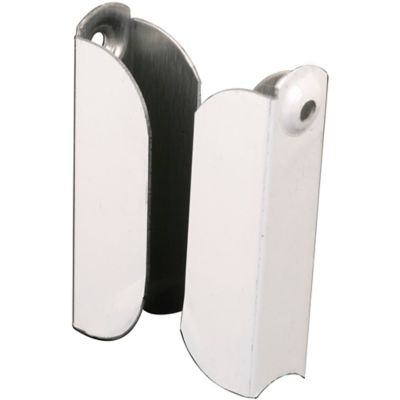
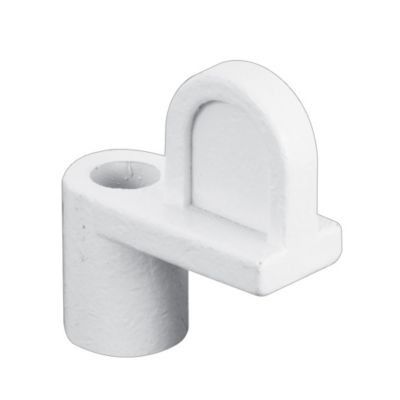
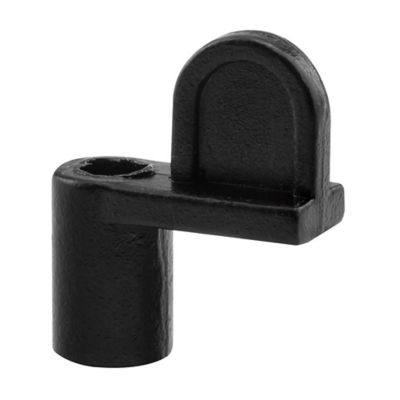
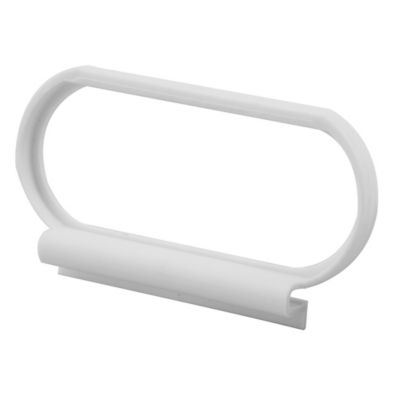
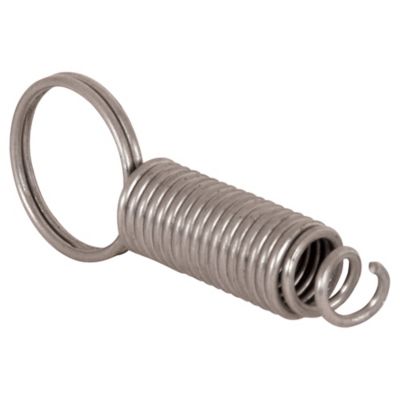
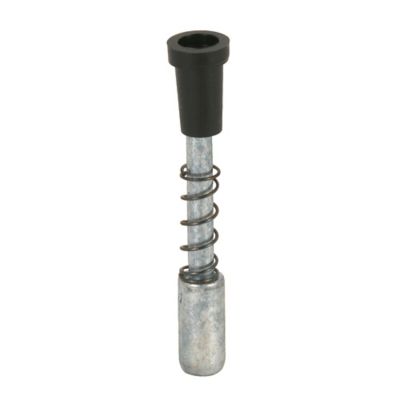
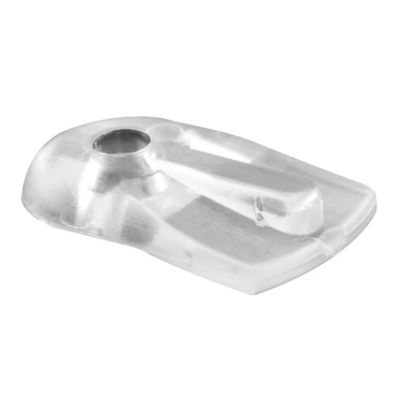
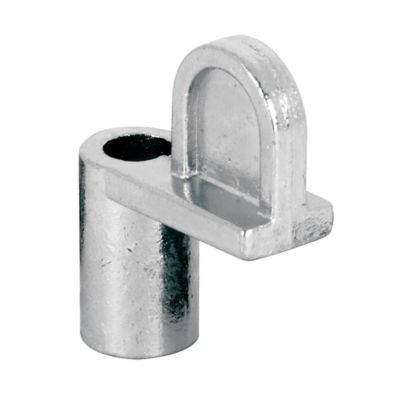
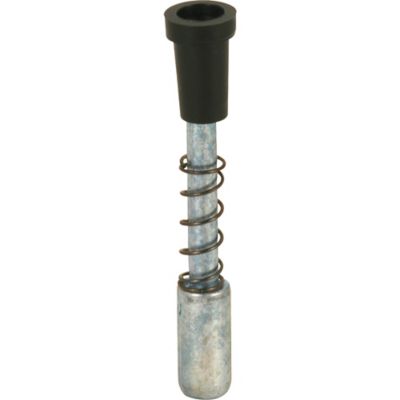
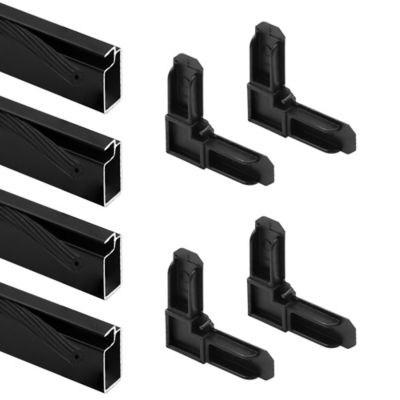
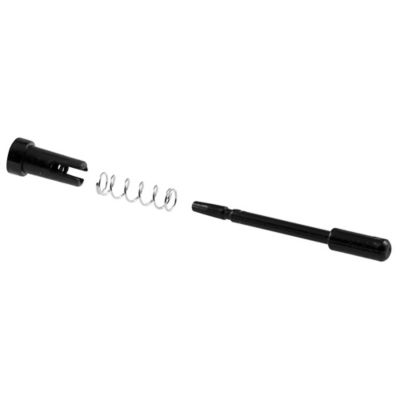
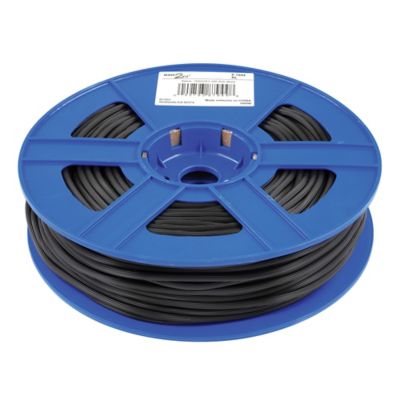
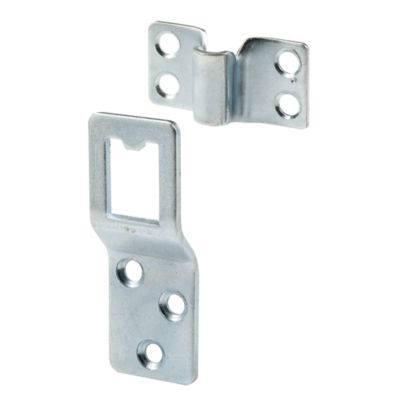
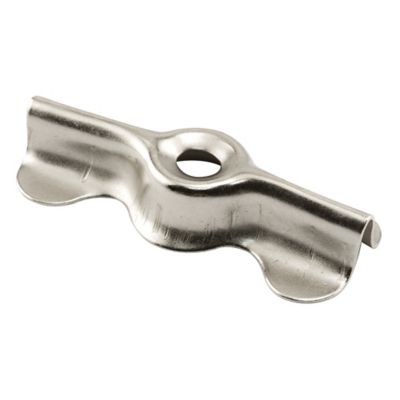
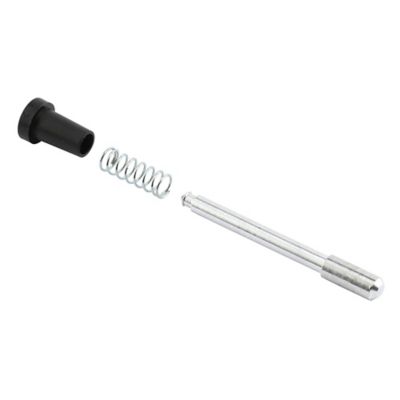
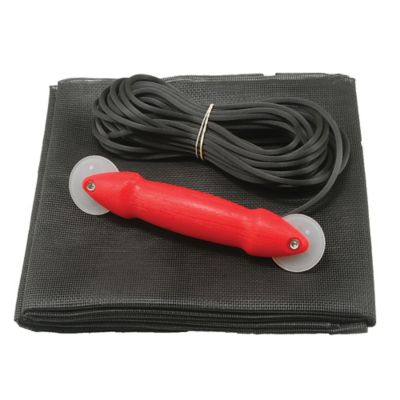
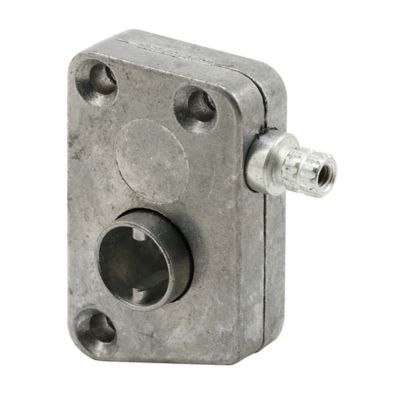
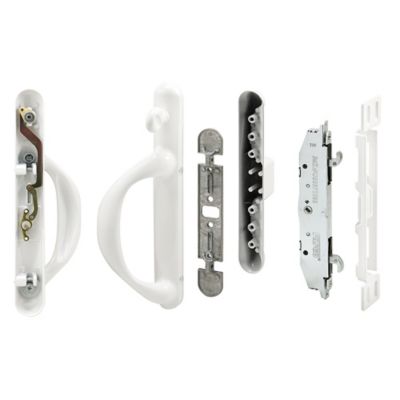
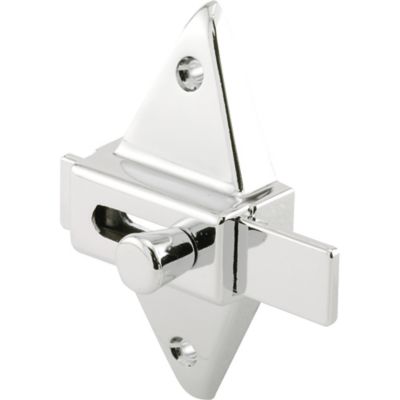
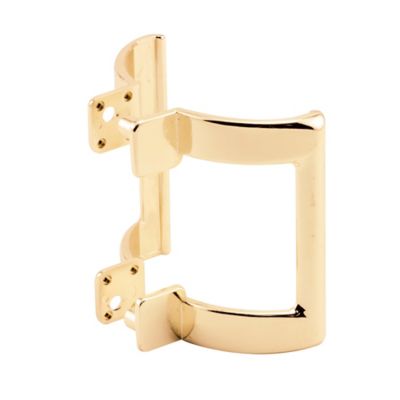
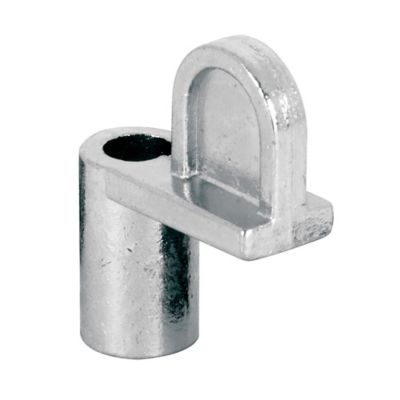
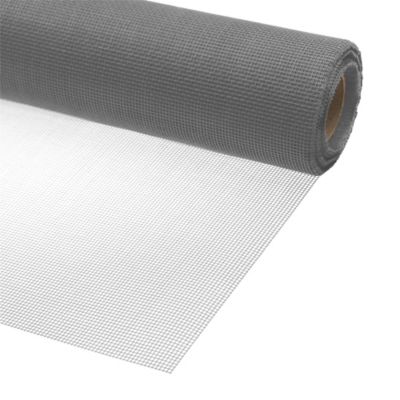
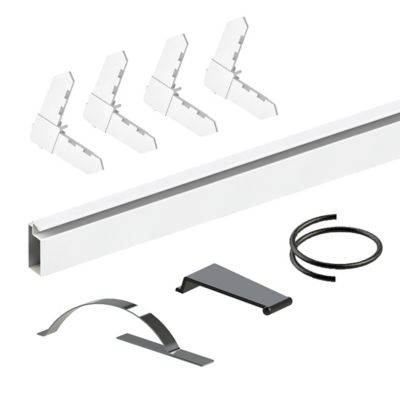
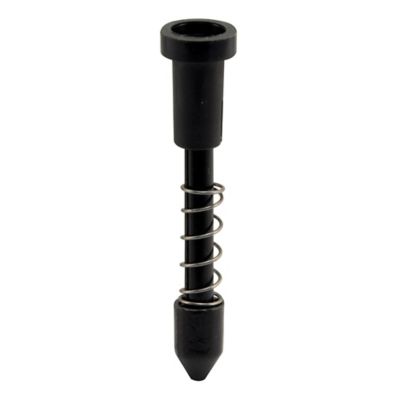
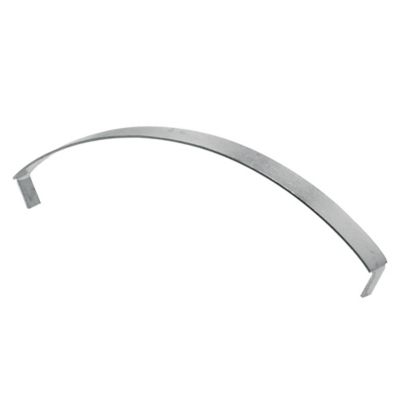
Window screen hardware includes the small parts that hold a screen frame in a window opening, secure its corners, retain the mesh, and make the screen easier to remove. Depending on the screen design, that can mean retaining clips, spring fasteners, corner connectors, pull tabs, or spline that seats the mesh in a frame channel. These parts do different jobs, so a good match starts with the screen assembly rather than the window’s width and height alone. A clip that holds an exterior frame against a window casing is not interchangeable with a spring that fits inside a frame rail, even when both help keep a screen in place. Frame thickness, channel shape, fastener placement, and the space between the screen and window all affect fit. For a farmhouse kitchen window opened above the sink or an upstairs bedroom screen removed for cleaning, the right hardware helps the assembly sit neatly without making removal a struggle. Small details matter here: a pull tab needs enough clearance for fingers, a retaining clip needs to overlap the frame properly, and a corner connector needs to match the profile of the frame rails. Spline size also needs to suit both the groove and the mesh, since a poor fit can leave the screening loose or make it difficult to seat without distorting the frame. Existing hardware can provide a helpful reference for shape and dimensions, though a bent or cracked part may no longer reflect its original fit. Matching the fastening method matters just as much as matching the measurements. Some assemblies rely on screws, others use tension or parts that snap into a matching channel. That distinction is especially helpful in homes with several window styles, where two screens that look alike from across the room may have entirely different attachment points. A compatible connection keeps each part doing its intended job without forcing the surrounding frame out of square.
Material choice affects how window screen hardware handles repeated removal, contact with moisture, and everyday wear. Aluminum is common in screen frames because it keeps weight down, while steel fasteners can provide firm attachment where the assembly calls for them. Stainless steel and corrosion-resistant finishes may be worth considering where moisture reaches the hardware, but compatibility with the surrounding frame still matters. A protective coating works best when it remains intact, and the wrong combination of metals can contribute to corrosion in damp conditions. Plastic and nylon components serve another purpose: they can provide lightweight corner connections, pull points, or contact surfaces without placing bare metal against the frame. Their suitability depends on the part’s design and location, since repeated flexing, sunlight exposure, and strain can eventually lead to cracking or loss of spring. Metal is not automatically the best choice for every position, either. A stiff replacement part in a connection designed to flex may interfere with removal or put extra pressure on a narrow frame rail. The hardware should support the assembly’s design, not overpower it. Fastener length deserves similar attention. A screw needs to suit the attachment point without extending into a moving sash, obstructing a channel, or contacting glass. Low-profile parts can matter where the screen sits close to tracks, handles, or another window component. On windows that get opened often, easy-to-grip pull points and retainers that release cleanly make routine handling less awkward. On a screen that stays in place for long stretches, a snug connection and resistance to loosening may take priority. Rental property owners, homeowners, and maintenance crews may all have different handling needs, but the same basic considerations apply: compatible materials, suitable attachment, and enough clearance for the window to operate as intended. Hardware that fits well should not require the screen to bend, scrape, or bind each time it moves.
The condition of the surrounding screen helps determine how much a hardware change can accomplish. A sound frame with a missing retainer presents a different situation from a frame with split corners, damaged channels, or rails that no longer lie flat. Replacement hardware can restore a connection, but it cannot straighten every bent assembly or make torn mesh whole again. When damage extends beyond the fastening points,
Window Screen Replacement offers a broader place to look for the project. Keeping the whole assembly in mind helps prevent a small repair from becoming a repeated chore. A clip that continually works loose may point to worn mounting holes or a screen that does not sit correctly, while a pull tab that keeps breaking may be taking more strain than its design allows. Everyday care is generally straightforward and should follow the material and window manufacturer’s recommendations. Dust and grit around attachment points can interfere with moving parts, and gentle cleaning helps keep those connections clear without scraping protective finishes. Harsh cleaners, forceful bending, and overtightened screws can damage otherwise serviceable parts. Screens removed for cleaning benefit from being supported by their frames rather than carried by the mesh or a single small tab. Keeping each screen and its matching hardware together also saves confusion in a house where window dimensions vary from room to room. These practical details matter whether the job involves one stubborn kitchen screen or several assemblies around a rental home. Properly fitted hardware helps maintain the screen’s position so the mesh can do its job of limiting insect entry while allowing airflow. It does not turn an ordinary window screen into a security barrier, a child guard, or pet containment. For households with children or animals, those needs call for separate, purpose-built protection. Within its intended role, well-matched window screen hardware keeps a simple household feature easier to handle and maintain, without asking a small clip, corner, or spring to do more than it was designed to do.