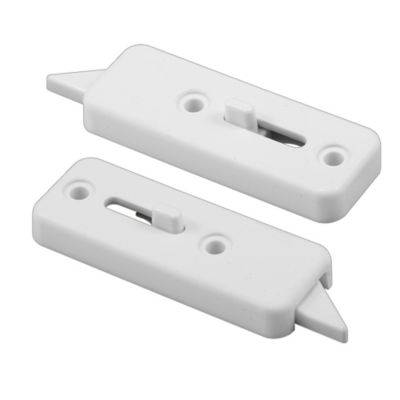
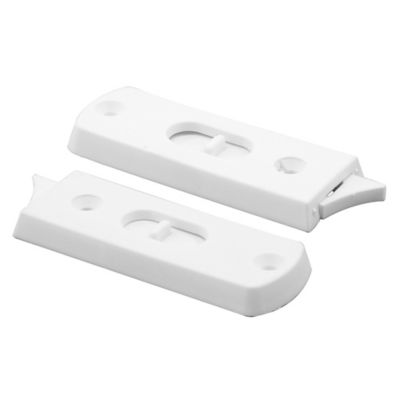
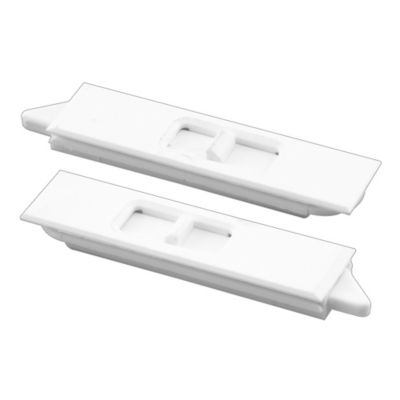
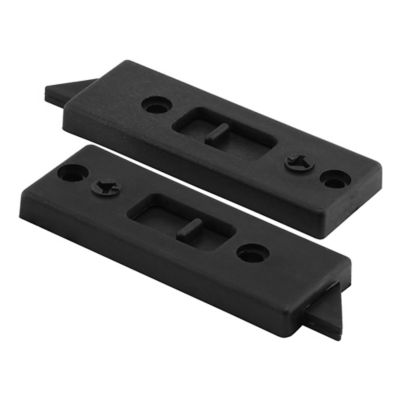
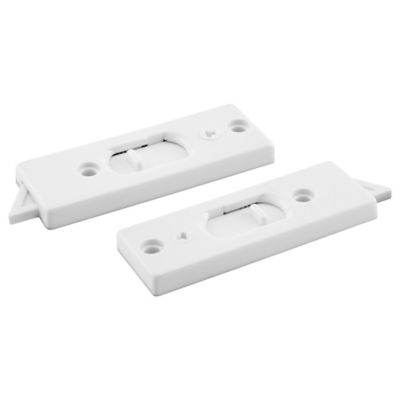
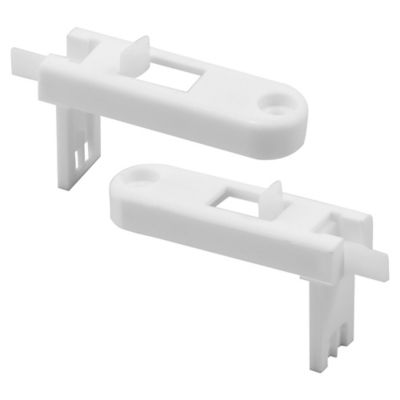
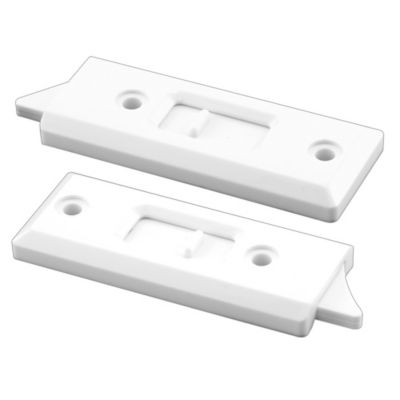
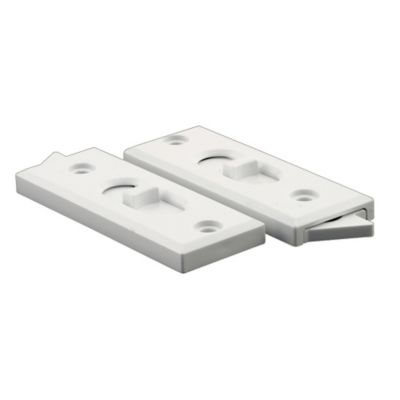
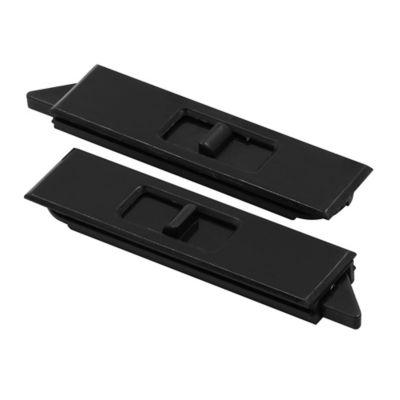
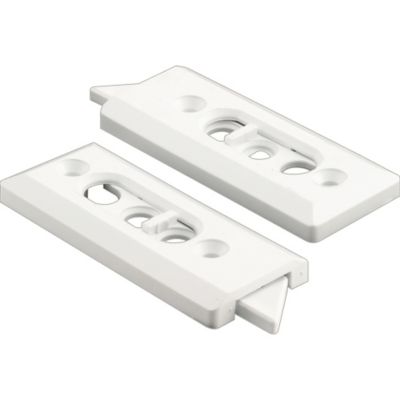
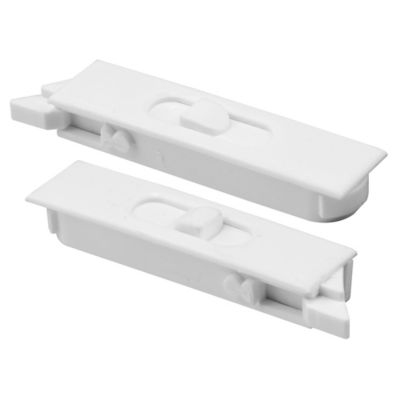
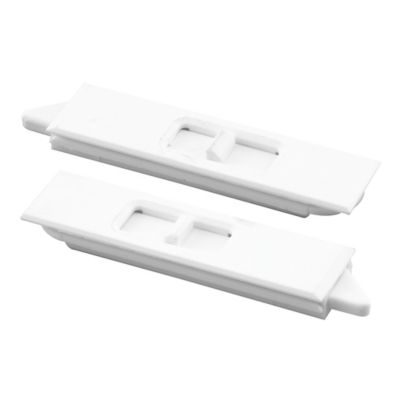
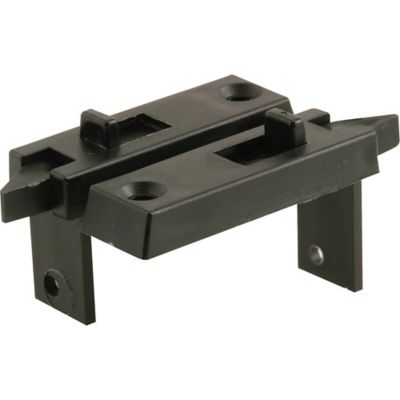
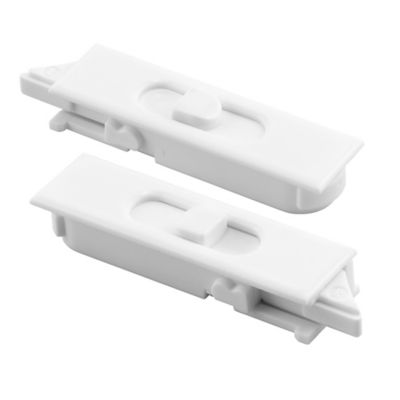
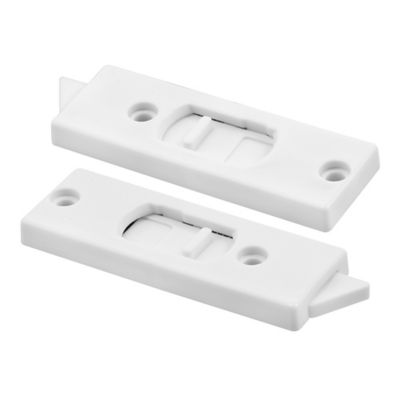
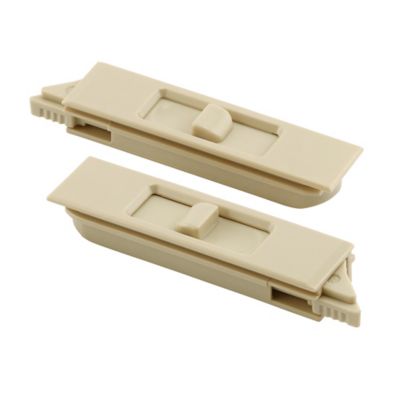
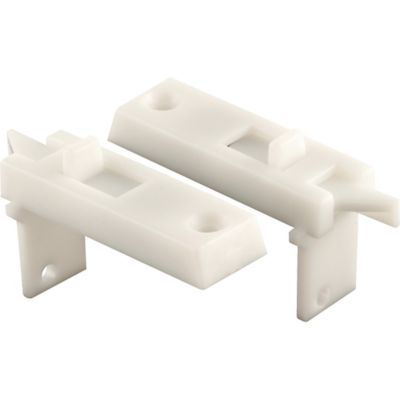
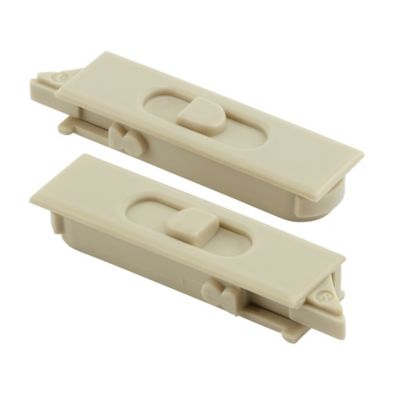
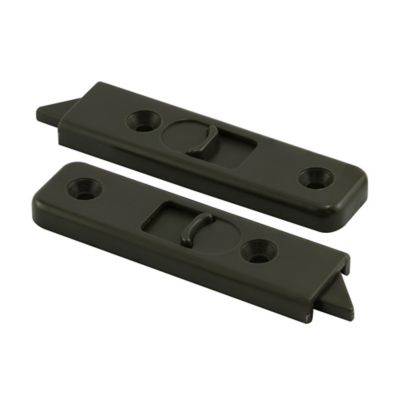
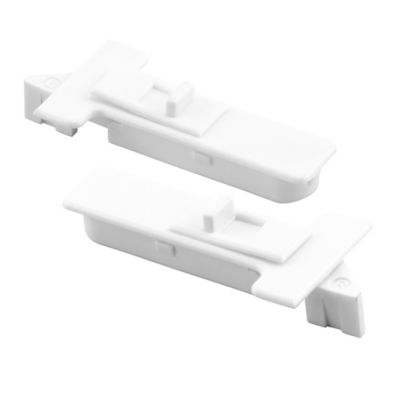
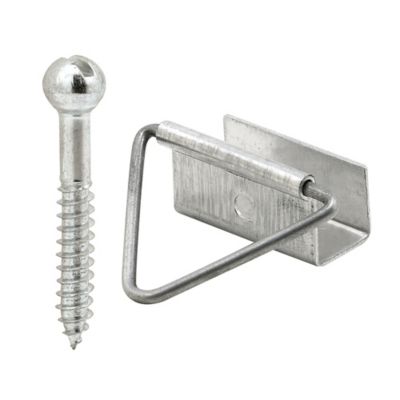
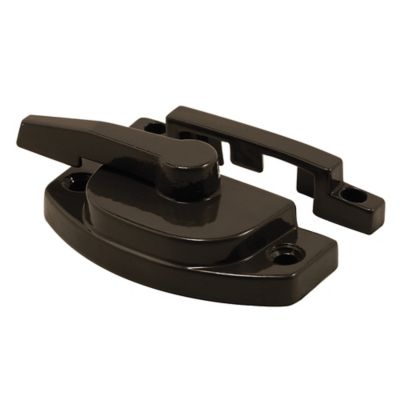
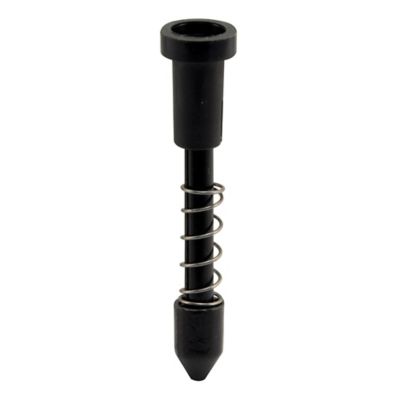
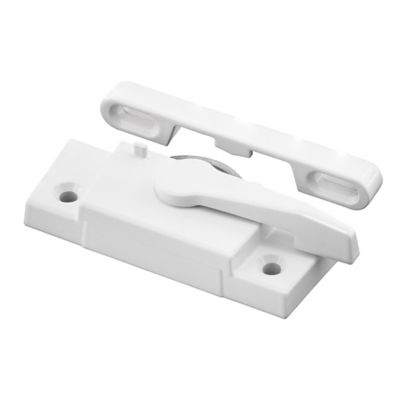
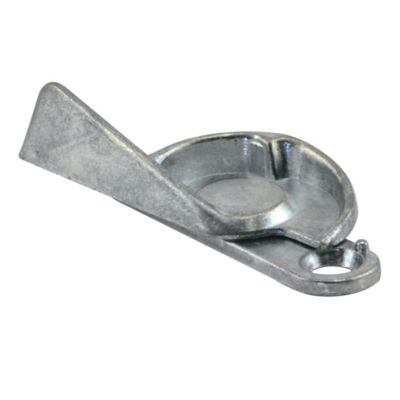
Double-hung window tilt latches are small catches that hold a tilting window sash in its upright track and release so the sash can tip inward for cleaning or maintenance. Most have a spring-loaded latch nose that retracts when the release tab is moved, then extends again to engage the window’s jamb or guide track. On a typical tilt-in sash, a latch sits near each upper corner. These little parts do a different job from the balance system, which helps support the sash as it moves up and down, and from the sash lock, which fastens the window closed. A worn or broken tilt latch can leave a sash loose at an upper corner even when the center lock still works. Common replacement styles include surface-mount, snap-in, and internal tilt latches. Surface-mount latches fasten to the top of the sash with screws and have a visible housing. Snap-in, sometimes called drop-in, latches fit into a matching opening in the sash rail and generally stay in place with retaining tabs rather than exposed mounting screws. Internal designs sit within the sash assembly and may connect to a separate release mechanism. Those differences matter more than a similar-looking thumb tab or matching finish. Double-hung windows have two movable sashes, but the tilt features and hardware can differ between the upper and lower sash, so each position deserves a separate look. For a farmhouse kitchen, an upstairs bedroom, or a rental property, the right replacement helps restore the window’s intended tilt function without changing the whole assembly. When the trouble is with the catch that holds the window shut rather than the corner releases,
Replacement Window Sash Locks addresses that separate hardware need. Keeping those functions straight makes it easier to choose a part that matches the actual problem instead of replacing hardware that is still doing its job.
Fit comes down to the shape and measurements of the original hardware, not just the fact that the window is double-hung. For a surface-mount tilt latch, the distance between mounting-hole centers is an important starting point, along with the housing’s overall length, width, and height. The latch nose also needs the correct projection and profile to engage the intended track without dragging or coming up short. Snap-in designs call for a close match to the opening in the sash, including its length, width, depth, and retaining-tab arrangement. A replacement that looks right from above may sit too high, drop too far into the rail, or fail to stay seated if the underside differs. Internal mechanisms bring their own fit requirements, such as attachment points and the way the release connects to the catch. Window maker information, series markings, and the original part’s shape can help narrow the match, especially when several windows in the same house came from different installation projects. Left- and right-hand versions are another detail worth checking. Some latches come as matched pairs, while others are designed for one side only; a mirrored housing does not necessarily work on either corner. Match the supplier’s handing description rather than assuming every listing defines left and right from the same viewing position. The sash material matters, too. Vinyl, aluminum, and wood assemblies can have different mounting arrangements, even when their latches look much alike. Existing screw size and length deserve attention because a longer screw is not automatically a better choice near glass or concealed window components. For screw-mounted hardware, sound attachment points are just as important as the latch itself. Cracked sash material, stripped holes, or a distorted rail can keep a correctly sized replacement from seating as intended. A good fit leaves the housing properly seated, the release accessible, and the latch nose positioned to engage without having to shove, twist, or hold the sash out of line.
Materials and construction affect how tilt latches handle everyday operation. Molded plastic housings are common on vinyl-window hardware, while other designs have metal housings or components; many combine a molded body with a metal spring or catch. The material alone does not establish compatibility or service life. Housing thickness, spring action, retaining features, mounting support, and the condition of the surrounding sash all play a part. A finish that blends with the window can keep a repair unobtrusive, but matching color should come after matching the mechanism. In a busy household, a latch needs to move freely through its intended travel and return fully when released, rather than hanging halfway in the housing. Dust, paint buildup, and residue around the tab can interfere with that movement. Gentle cleaning with a soft cloth and a cleaner permitted by the window manufacturer helps keep exposed surfaces clear without scratching the sash. Avoid soaking the mechanism or adding lubricant unless the manufacturer recommends it, since some products can affect plastics or leave a film that collects grit. Painting over a release tab or filling the latch opening can also prevent full movement. Homeowners tackling a small repair, property caretakers maintaining several houses, and folks looking after an older family place all benefit from hardware that matches the existing window closely. For a room with windows above a deep sink or a wide counter, restoring the intended inward-tilt feature can make the outside glass easier to reach from indoors. Even so, tilt latches are not substitutes for window guards, opening-control devices, or functioning balances. The sash still needs support during tilting, following the window manufacturer’s directions. If it drops, twists, or will not stay raised, the problem may involve balances, pivot bars, or other hardware rather than the tilt latches alone. A properly matched latch belongs in a sound window assembly, with both corners engaging as intended and the sash moving without a struggle.