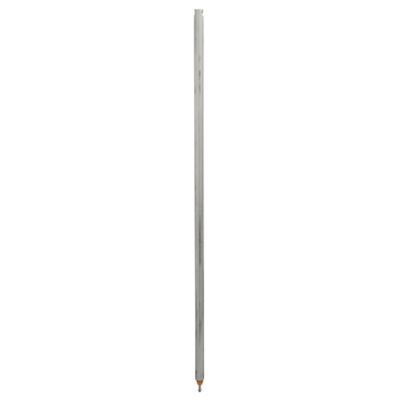
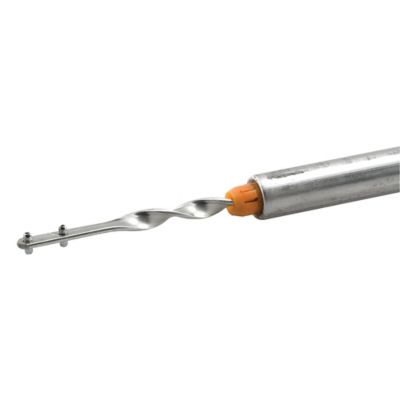
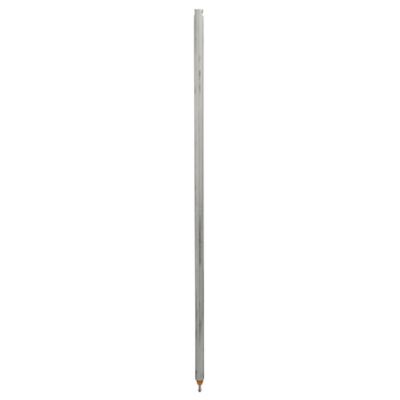
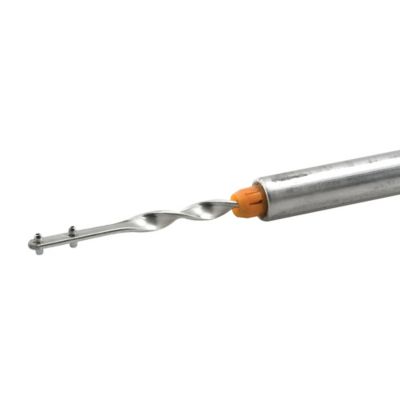
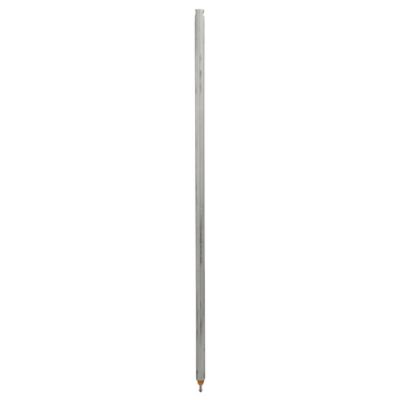
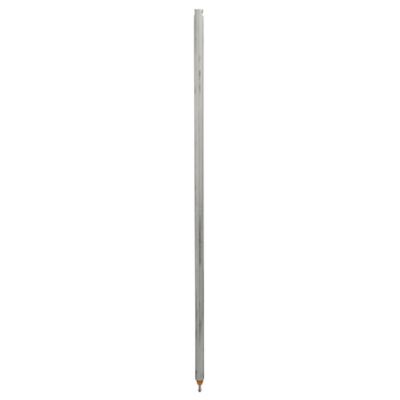
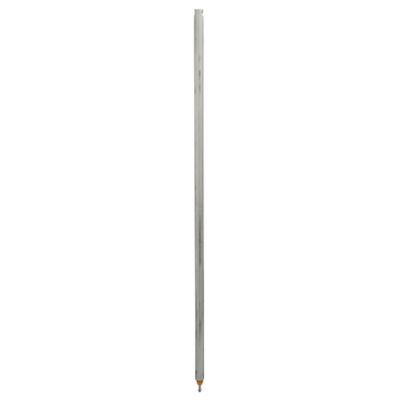
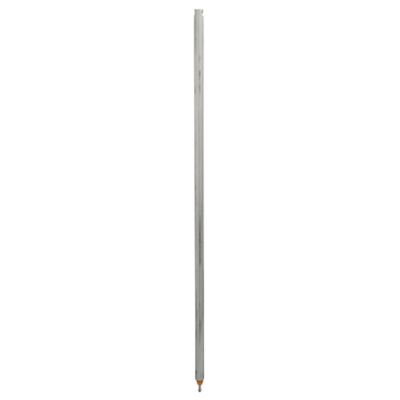
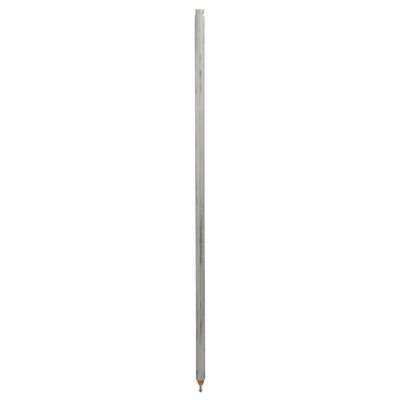
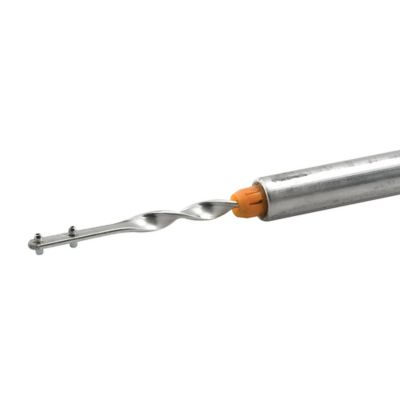
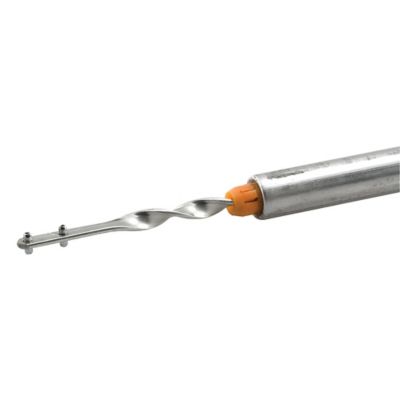
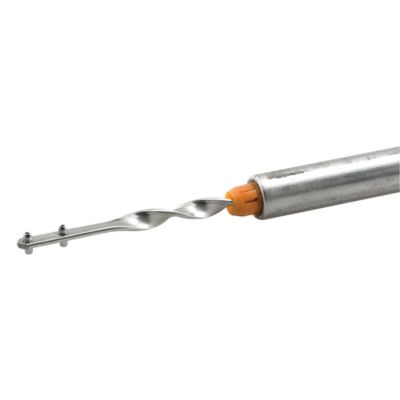
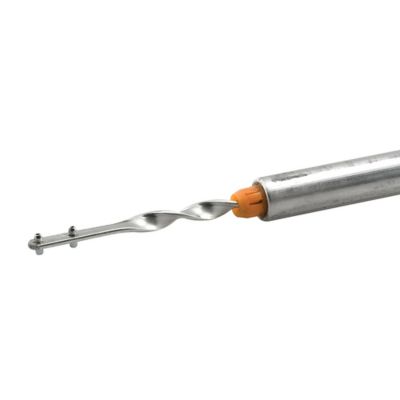
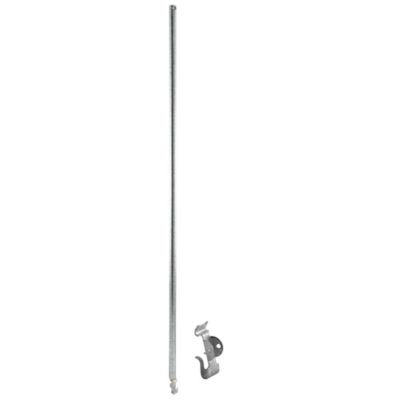
Spiral tilt window balances are the spring-loaded supports that help a tilt-in window sash stay open and move smoothly in its frame. Inside each balance, a spring-loaded rod works with a metal tube to counter some of the sash weight, making the window easier to raise, lower, and tilt inward for cleaning or maintenance. When a balance wears out, the sash may feel heavy, drop unexpectedly, refuse to stay open, or sit unevenly in the frame. Replacing the balance with the right size and weight rating can help restore steady operation without replacing the entire window. These parts are useful for homeowners caring for older houses, rental property owners maintaining several units, repair professionals, and handy folks who prefer to keep common window parts on the shelf before a small problem turns into a drafty, hard-to-use window. They can also be a practical addition to a home maintenance kit or a thoughtful housewarming gift for someone fixing up an older farmhouse, rental, cabin, or workshop. Since tilt windows are often opened for fresh air during milder weather and closed tightly during the cooler months, a properly working balance helps make everyday window use feel dependable from season to season.
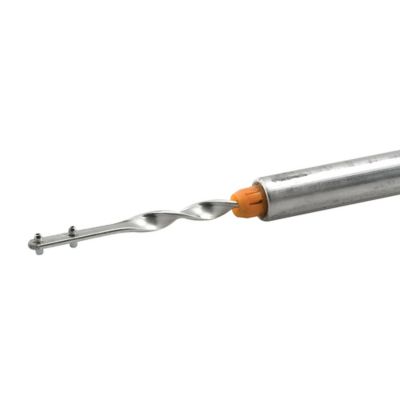
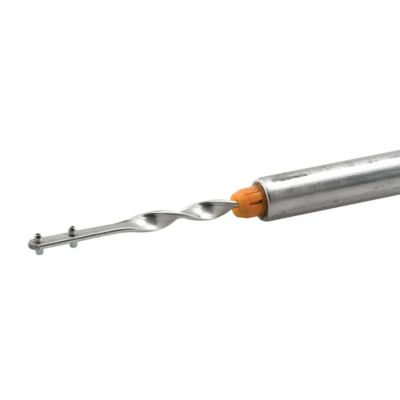
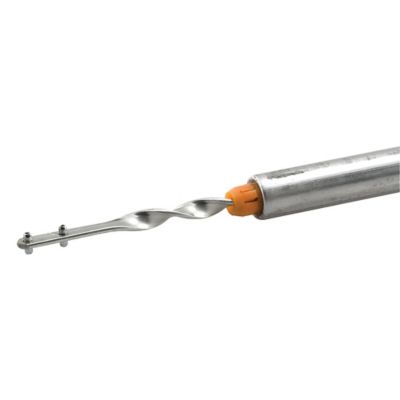
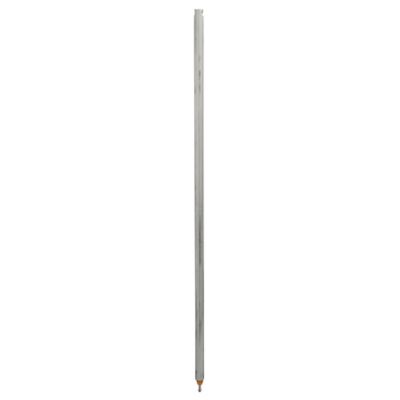
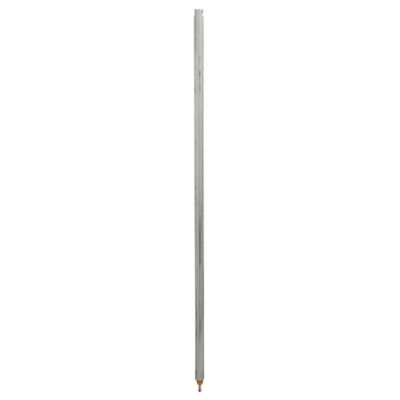
Matching the replacement balance starts with the original part and the window itself. Measure the metal tube from end to end, counting only the tube and leaving out the plastic tip, bushing, and exposed spiral rod. Tube length is one of the most important details because a balance that is too short or too long may not fit the sash correctly or provide the right range of movement. Check the tube diameter as well; common sizes include 3/8 inch and 5/8 inch, but the existing balance is the best reference for confirming what belongs in the window. The color of the tip or bushing also matters because it generally identifies the weight class, or the amount of sash weight the balance is designed to support. Color codes can vary by style and manufacturer, so compare the old part carefully and use the sash weight or replacement specifications when available. It is wise to inspect the pivot shoes, sash pins, clips, and window tracks at the same time. Dirt, bent hardware, worn shoes, or damaged mounting points can make a good balance seem faulty. For a home with several matching tilt windows, record each tube length, diameter, tip color, and window location before ordering. Keeping a quick note or photo with those details can save a return trip to the ladder, especially when the same style of window appears throughout the house.
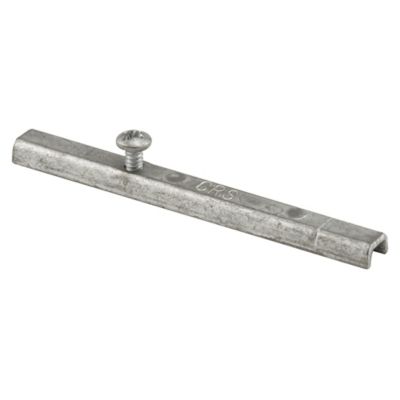
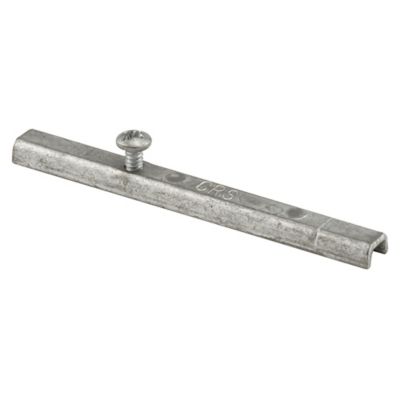
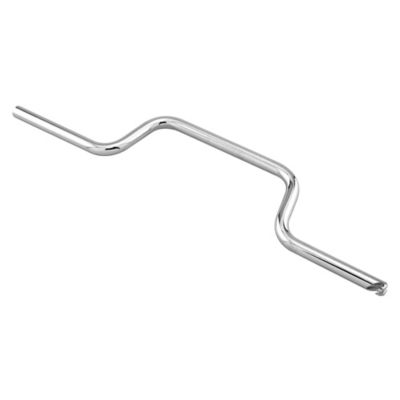
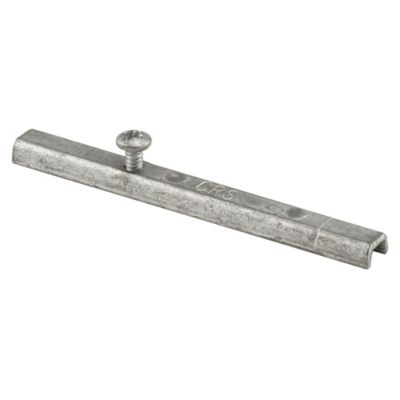
Replacing or adjusting a spiral tilt window balance calls for patience and the right charging tool. Before starting, protect the work area, keep the sash supported, and follow the instructions supplied with the balance. Tilt the window sash inward and disengage it from the pivot shoes only when you can handle its weight safely; larger sashes may need another person. To release existing tension, attach the charging tool to the pin, pull down slightly, and turn counterclockwise to unwind the spring according to the part instructions. When setting up a replacement, pull the spiral rod out and turn it clockwise to add tension, often in the range of two to eight turns depending on sash weight and the balance design. Do not guess at tension or force a stuck part. Too little tension can leave the sash dropping or drifting closed, while too much can make the window difficult to operate and put extra strain on the hardware. Reconnect the rod to the pivot shoe, reinstall the sash, and test its movement slowly, keeping fingers clear of pinch points. If the sash is unusually heavy, the frame is damaged, or the balance does not match the original measurements, a qualified window repair professional can help confirm the correct setup. For related tilt-window hardware, browse
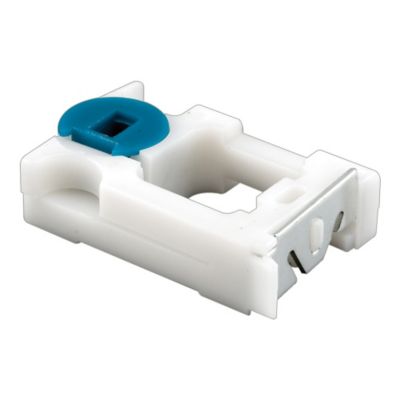
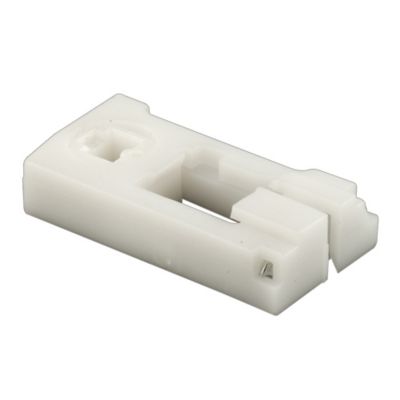
Double Hung Window Tilt Latches to help keep the sash secure during normal use. With the right measurements, a suitable weight rating, and careful handling, these compact parts can help an older tilt window open, close, and stay put the way it should.