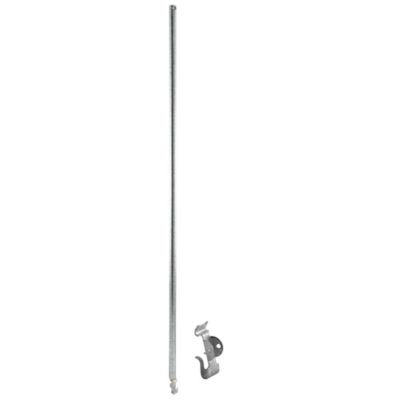
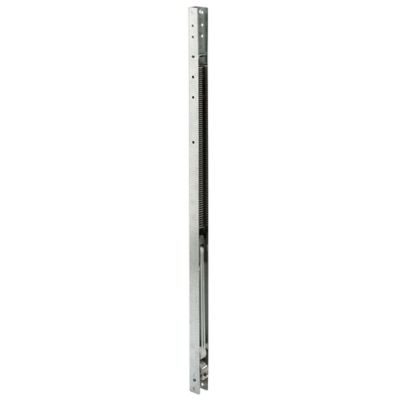
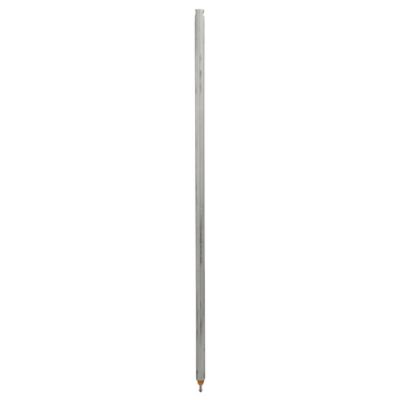
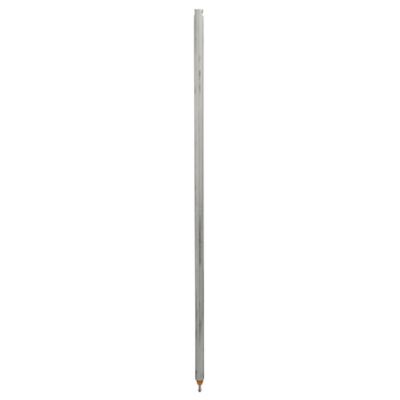
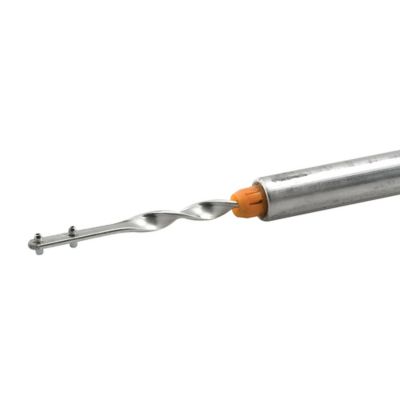
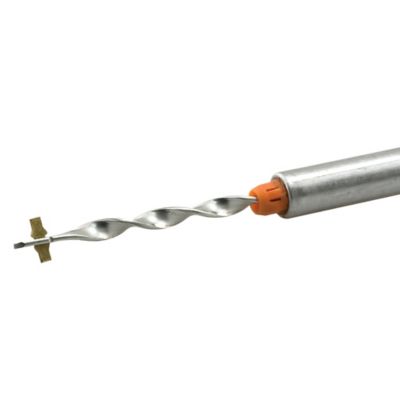
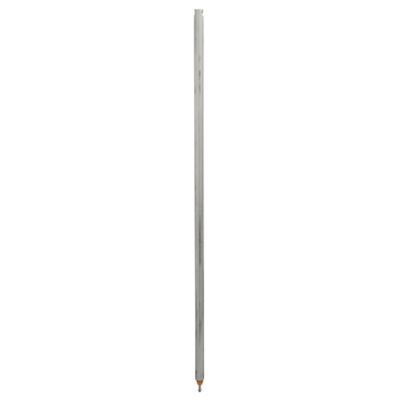
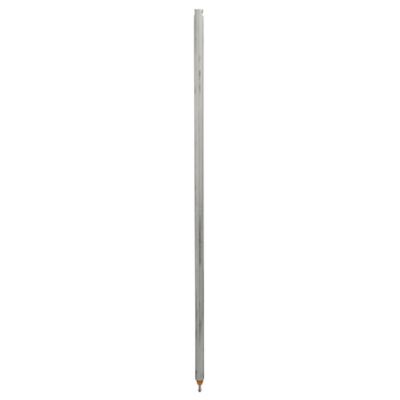
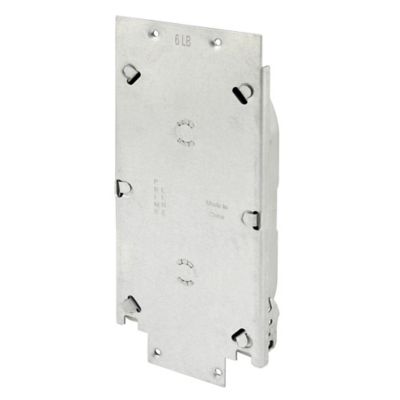
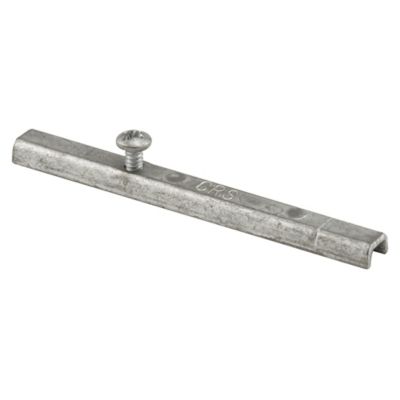
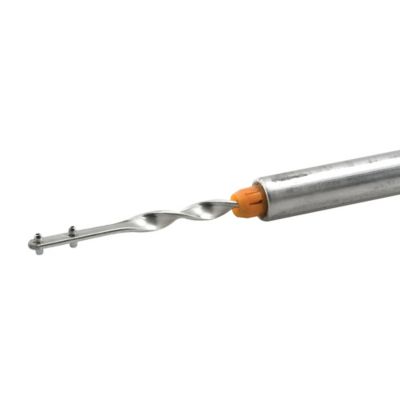
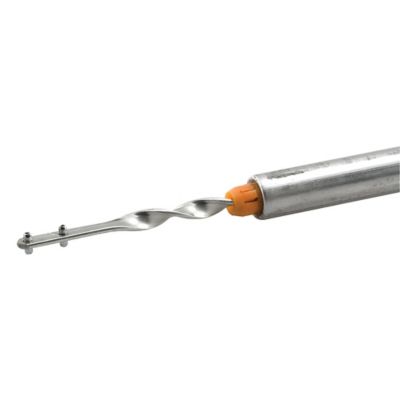
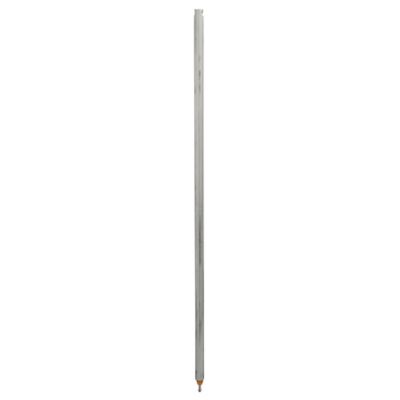
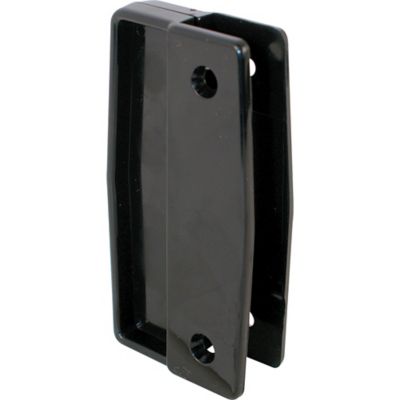
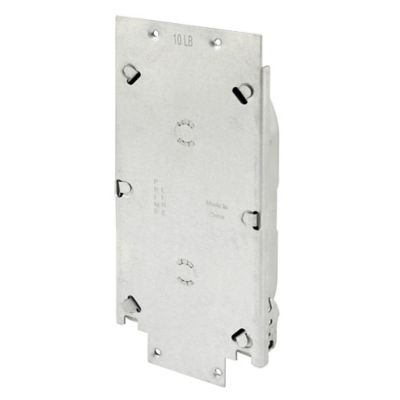
Window balance replacement parts help restore the smooth, steady movement of single-hung and double-hung windows in houses, workshops, barns, rental properties, cabins, and other buildings. When a balance wears out, a sash may feel heavy, drop when raised, sit crooked in the frame, or refuse to stay open. A window that once lifted with one hand can suddenly take both hands and a shoulder, especially in older homes where years of dust, paint, humidity, and everyday use have taken their toll. Replacing the worn balance can help the sash open and close more evenly, reduce strain on the window frame, and make it easier to bring in fresh air during warm weather or keep drafts shut out during the cooler months. These parts are commonly used by homeowners handling routine maintenance, landlords preparing a rental between tenants, maintenance crews caring for offices or outbuildings, and do-it-yourselfers working through a list of small repairs. They can also be a practical addition to a housewarming or home-maintenance gift for someone fixing up an older place, though the exact part must match the window. Before shopping, identify the window style and inspect the old hardware carefully. Common balance designs include channel balances, also called block and tackle balances, which use a metal channel with cords and pulleys; spiral balances, which use a rod-style spring that may be adjusted by twisting; and constant force balances, which use a coiled spring band and are often found on larger single- or double-hung sashes. The right choice depends on the window construction, sash size, original balance design, and the amount of weight the hardware is made to support.
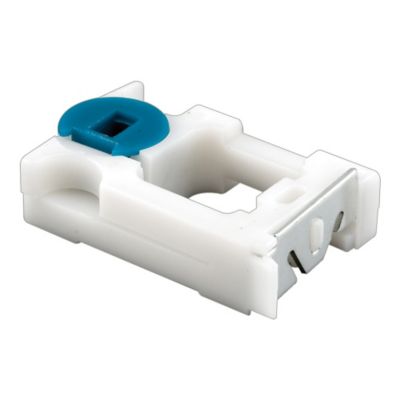
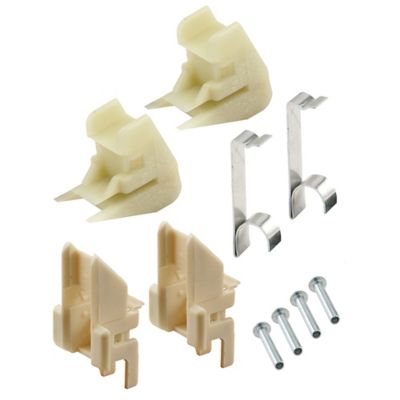
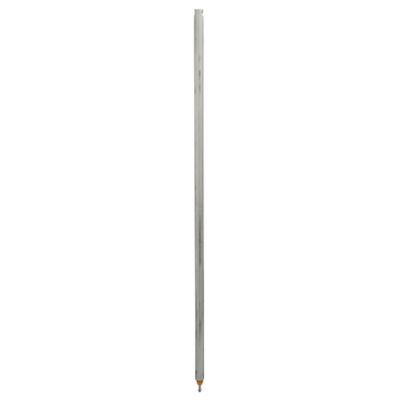
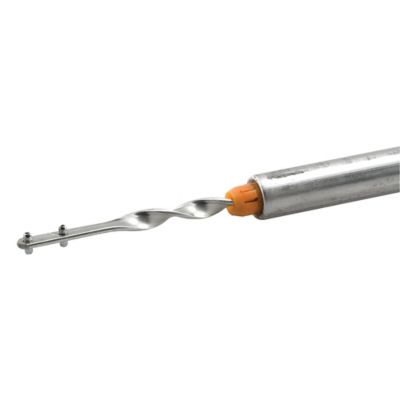
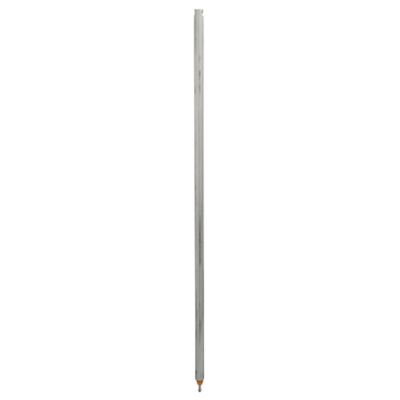
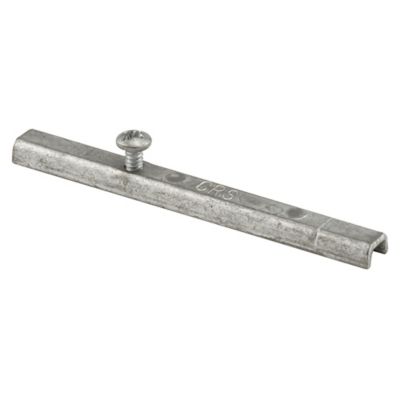
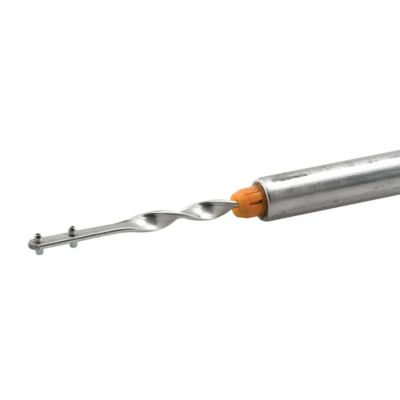
Matching the replacement balance is more than finding a part that looks close. Remove the sash only according to the window manufacturer’s instructions and work carefully, since a sash can be awkward and heavier than it appears. Keep the old balance nearby while comparing measurements and connection points. For a channel-style balance, measure the metal channel itself from end to end, leaving out plastic end shoes, clips, hooks, and other terminal pieces. The original metal length is an important starting point, but it is not the only detail that matters. Look for a stamped or printed number-and-letter code on the channel, since that marking often identifies the weight range the balance is designed to support. If the code is worn away, record the sash weight and compare the old balance with replacement sizing information before placing an order. A balance with the wrong tension can leave a sash difficult to lift, unable to stay open, or prone to dropping. Inspect the top and bottom ends as well. Plastic shoes, terminal clips, hooks, and other fittings need to match the way the balance connects to the window frame and sash. Small differences in the terminal ends can keep an otherwise similar part from fitting correctly. For spiral balances, compare the rod length, tube style, tip, and connection hardware, and make note of whether the original uses a particular color-coded tip or adjustment arrangement. Constant force balances also require close attention to spring size, mounting points, and sash weight. Keeping one old part intact for comparison is helpful, and taking clear photos before removal can make it easier to remember how cords, clips, or hooks were positioned.
A little preparation helps turn a frustrating window repair into a more manageable piece of household upkeep. Set aside a clean work area, label left- and right-side parts when needed, and protect the sash and sill from scratches while the hardware is being changed. Many window balances are installed in pairs, and replacing matching components together can help the sash move evenly, particularly when both sides show similar wear. Check for cracked shoes, frayed cords, bent channels, loose fasteners, or damaged window tracks while the sash is out. Dirt and old paint buildup in the track can also make a good balance seem faulty, so clean the contact areas and make sure the sash travels freely before deciding the repair is complete. Use eye protection and take extra care with spring-loaded parts; tension may be stored in the balance even after the window is removed. If the sash is large, heavy, or difficult to control, having another person nearby is a sensible way to prevent damage and avoid a strained back. Some repairs are straightforward for an experienced do-it-yourselfer, while unusually tall windows, stuck balances, damaged frames, or unfamiliar spring systems may call for help from a qualified repair professional. For shoppers comparing related parts, the selection of
Window Sash Spring Balances can help when the original window uses a spring-based design. Whether maintaining a farmhouse with older wood windows, freshening up a rental, or keeping a shop comfortable through changing temperatures, choosing the correct balance length, tension rating, style, and terminal hardware is the key to a dependable fit and a sash that operates the way it should.