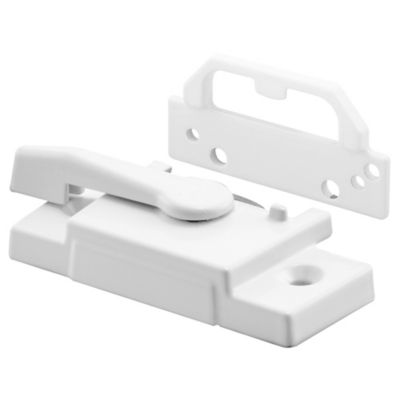
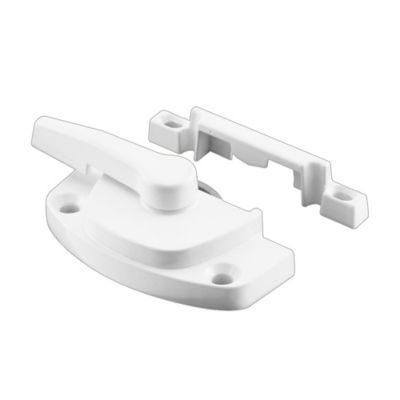
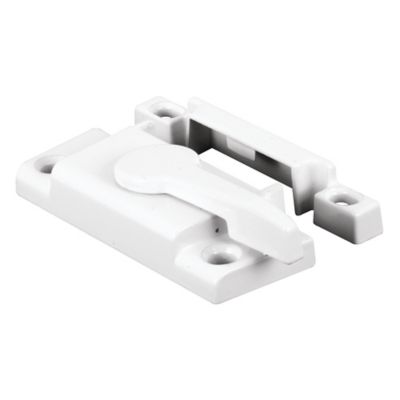
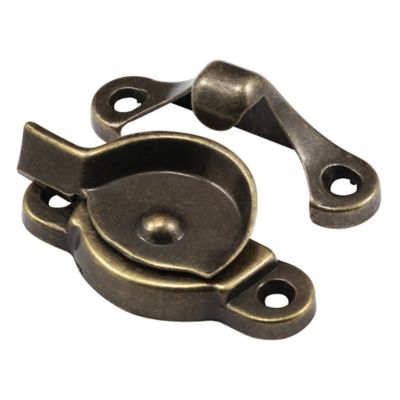
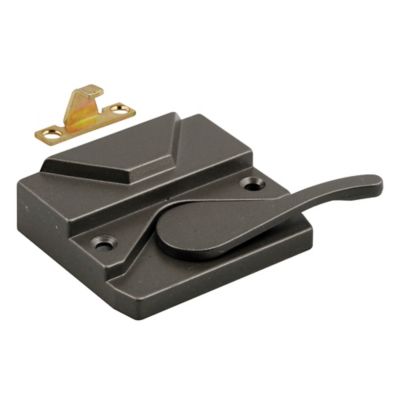
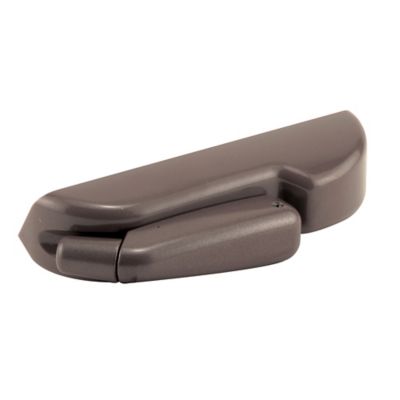
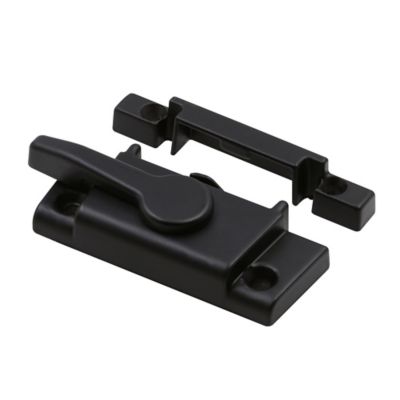
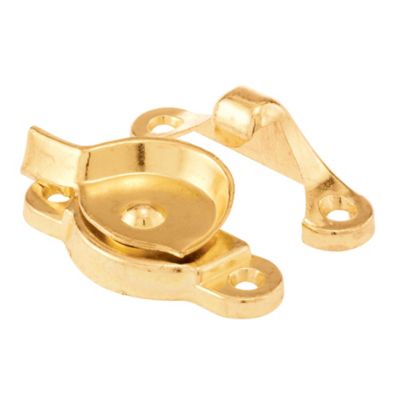
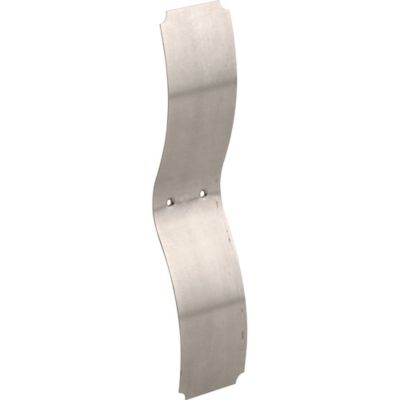
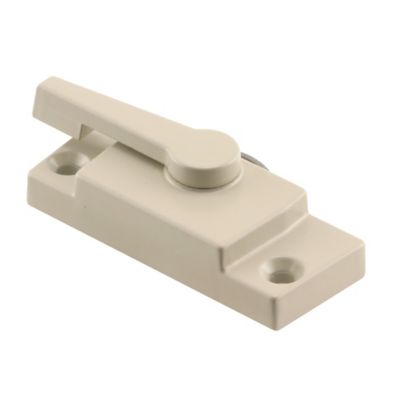
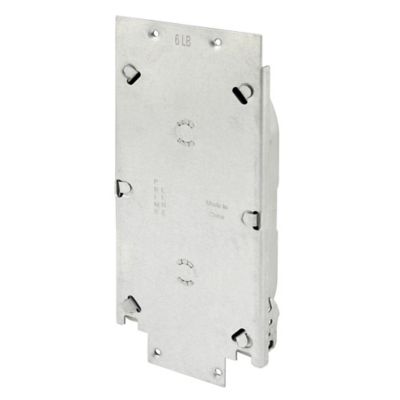
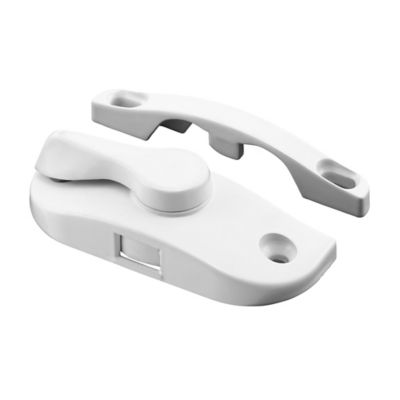
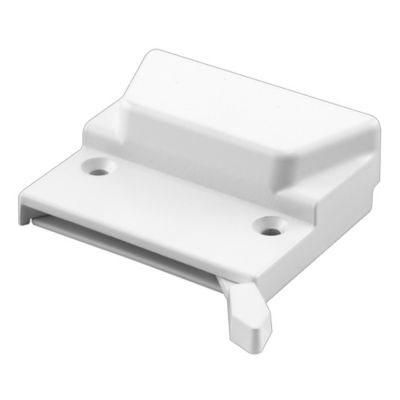
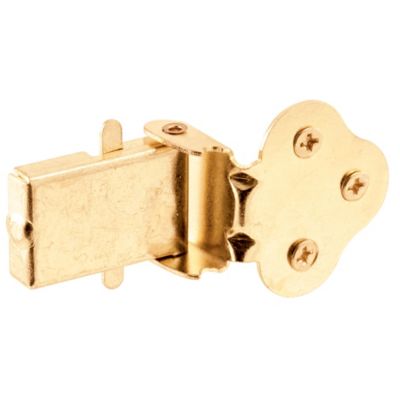
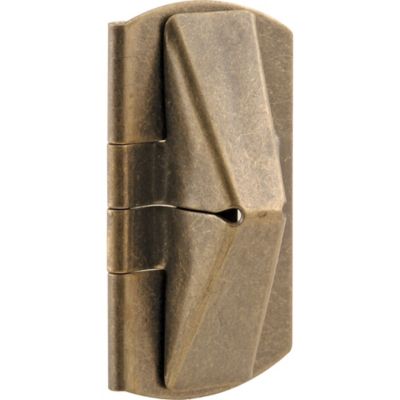
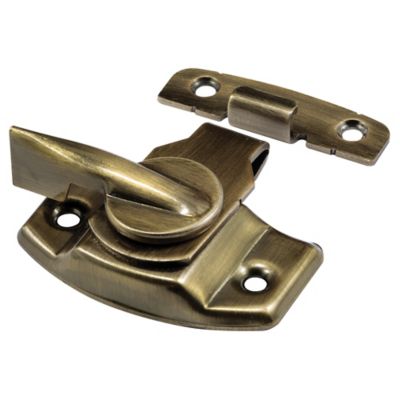
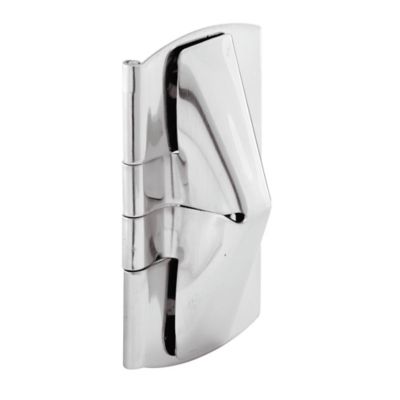
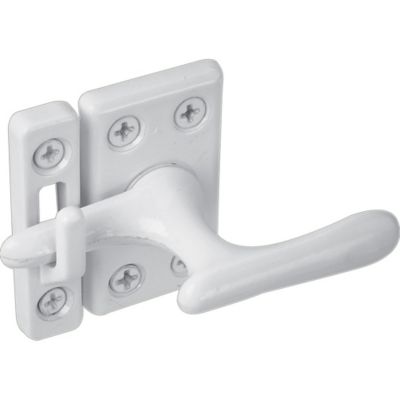
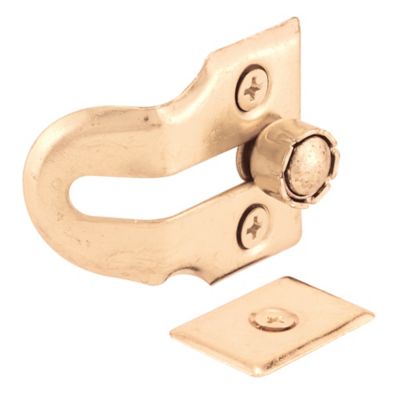
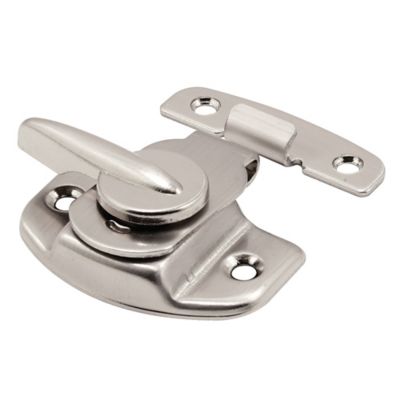
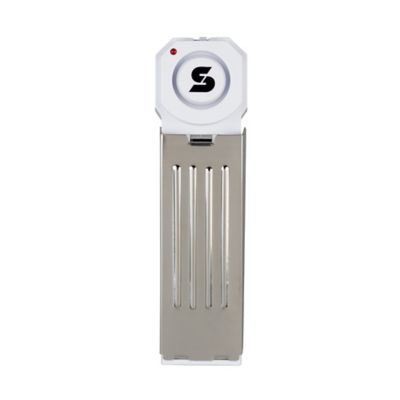
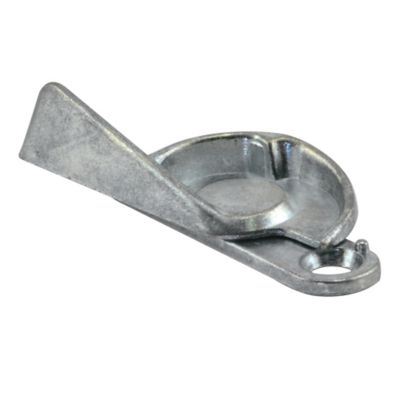
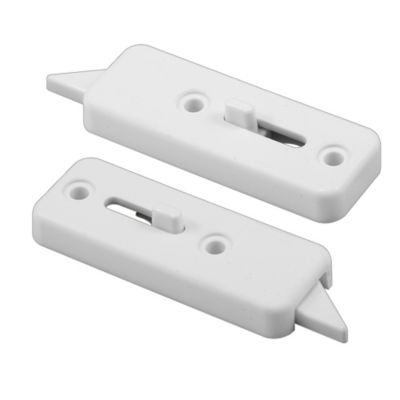
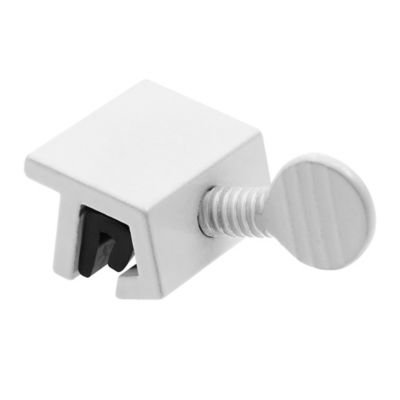
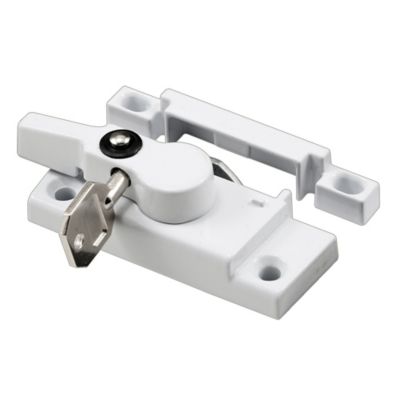
Window locks for wood windows help bring a firmer close to older and newer wood frames alike. The right choice starts with the way the window moves. Single-hung and double-hung windows slide up and down, with two sashes meeting near the center of the frame. These windows generally call for a sash lock, also called a cam-action latch. When the lever turns, the cam draws the sashes together, helping hold them closed and reducing a loose gap where outside air can sneak in. A flip lock or vent latch works in a different way. It can limit how far a sliding sash opens, making it useful when you want fresh air without leaving the window fully open. This type of stop can be handy in a child’s room, a guest room, or a farmhouse kitchen where a little airflow helps clear cooking smells during the cooler months. For a closer look at options for vertically sliding windows, visit
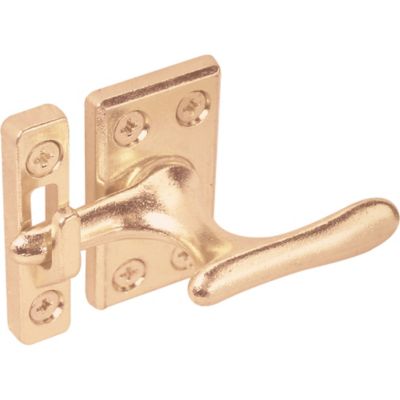
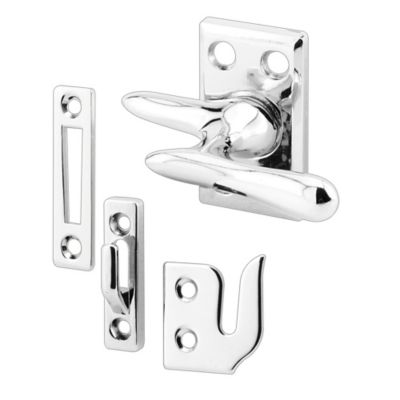
Window Locks for Double Hung Windows. Casement windows require a different style because they swing inward or outward from hinges rather than travel along a track. Casement locks often include a keeper, the small receiving piece mounted opposite the latch, and the spacing between the frame and sash can vary from one window to the next. Matching the lock to the window’s movement is the first step toward a proper fit and a firm close.
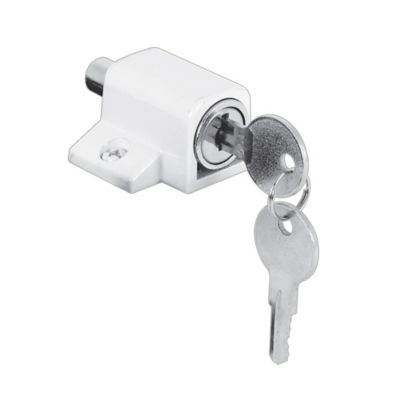
Before choosing a window lock, take a few measurements and look closely at the existing hardware. For a replacement sash lock, measure the distance between the mounting screw holes, then check the position of the keeper and the amount of wood available around the holes. Older frames may have several layers of paint, enlarged screw openings, or small changes in alignment from years of opening and closing. A lock with matching hole spacing can save extra drilling and help keep the new hardware seated in the same general spot. If the original holes no longer hold a screw snugly, the frame may need a little repair before installation. Compare the lock body with the width of the meeting rails, and make sure the lever has room to turn without rubbing the glass, trim, or nearby hardware. Finish is another practical consideration. Brass, chrome, and plated steel can blend with the handles, hinges, and latches already on the window, whether the room has a bright, polished look or a more low-key farmstead feel. A key-locking bolt may be worth considering where an added layer of control is wanted, such as on a ground-floor window, a child’s room, or a room that sees little traffic at the back of the house. Window locks are not a substitute for sound frames, intact glass, or a complete home security plan, but a properly fitted lock can help keep a closed window from shifting open.
Wood calls for a careful touch during installation. Mark the screw locations with the lock and keeper in place, check that the two parts meet cleanly, and pre-drill small pilot holes before driving screws into the frame. Pilot holes help reduce the chance of splitting, especially in older, dry wood or near an existing opening. Keep the drill straight, avoid overtightening, and test the window several times before finishing the job. The sash should move smoothly, close evenly, and stay aligned when the lock is engaged. A thin layer of suitable lubricant on moving metal parts may help with a stiff lever, while paint or debris around the meeting rails should be cleared so the lock can pull the sashes together instead of forcing them out of line. For casement windows, check that the keeper lines up with the latch as the sash swings shut and that the lock does not place strain on the hinges. A window lock can make a thoughtful housewarming present for someone settling into an older home, tending a rural property, or preparing a nursery, since it is a small practical item that supports everyday peace of mind. It can also be a handy addition before the cooler season brings more closed windows, rattling wind, and the need to keep warm indoor air where it belongs. Take time to match the window style, hole spacing, finish, and desired opening control, and the finished setup will feel natural each time the window is opened, closed, and latched.