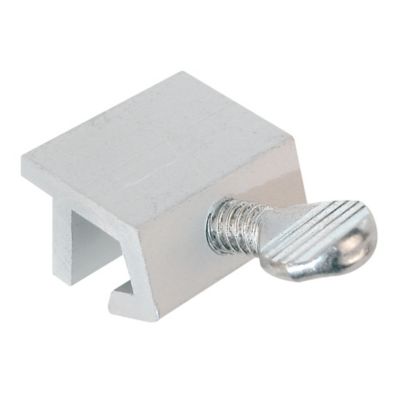
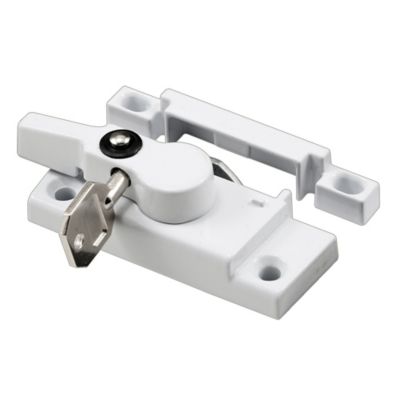
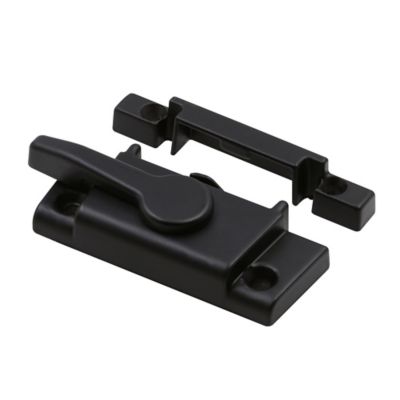
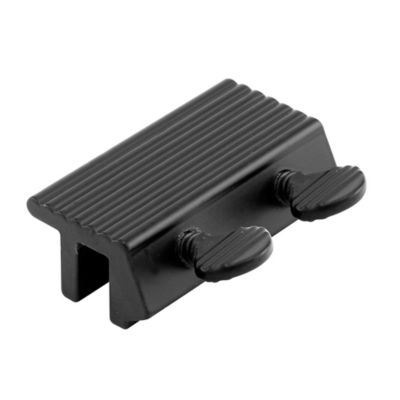
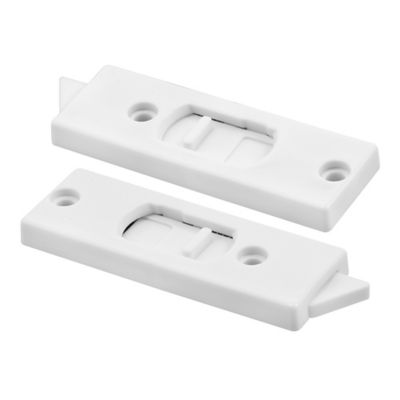
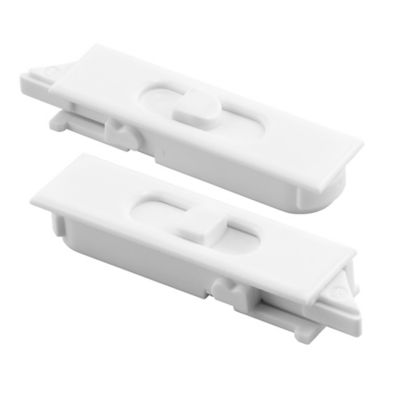
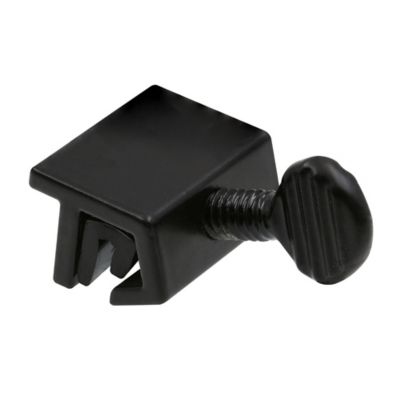
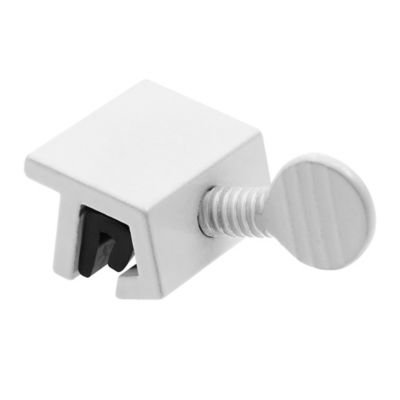
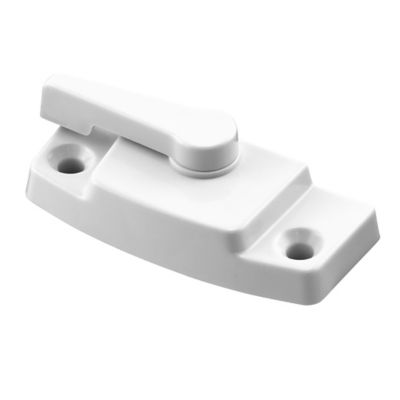
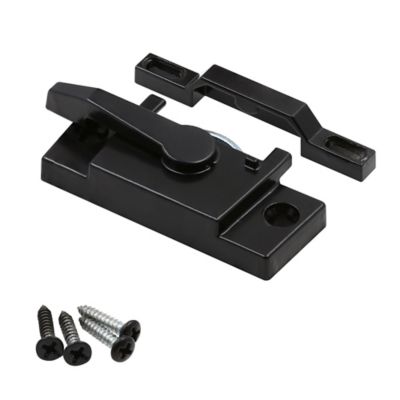
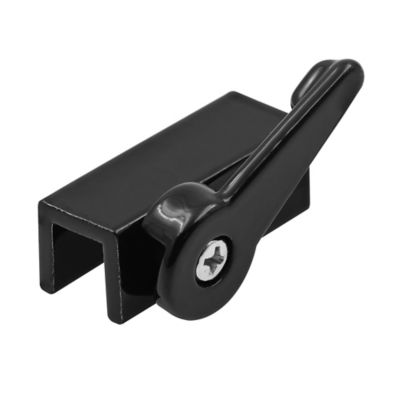
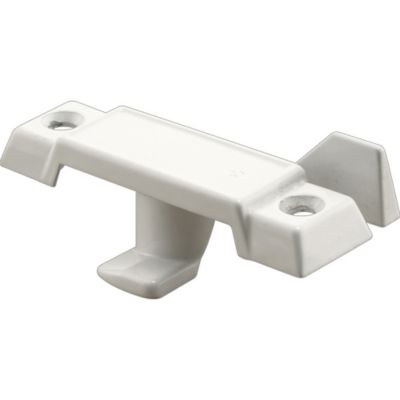
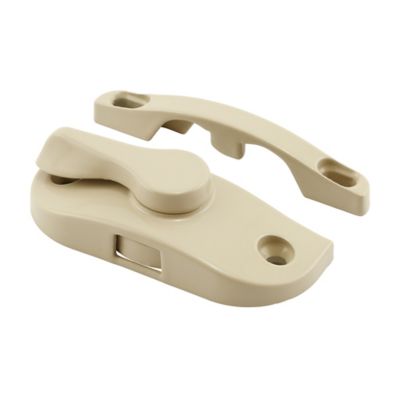
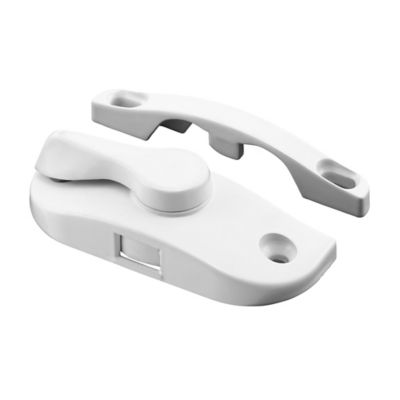
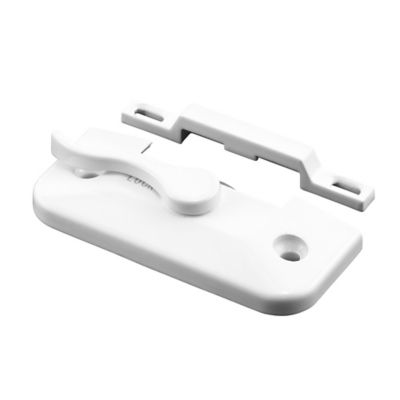
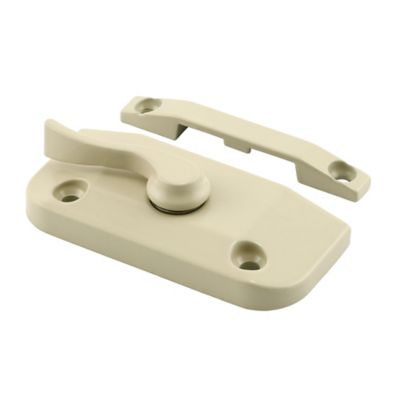
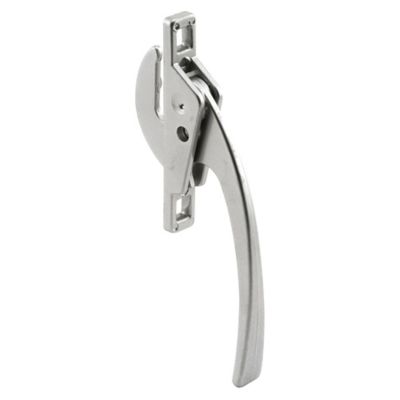
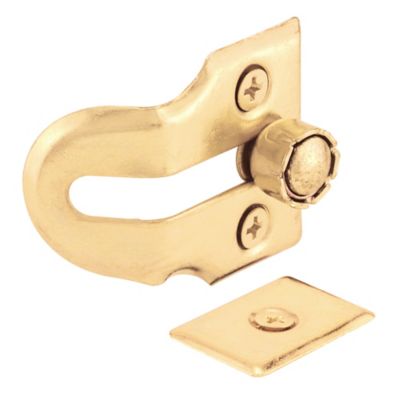
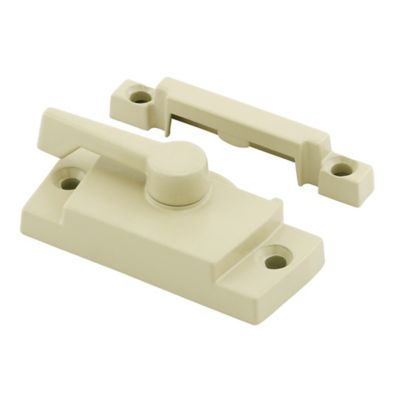
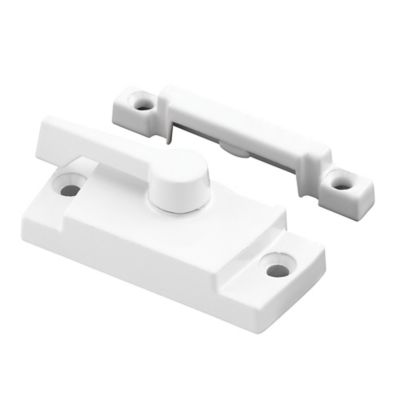
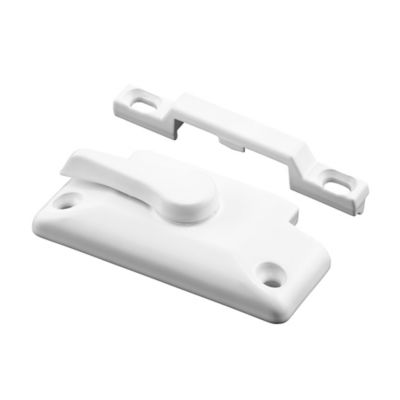
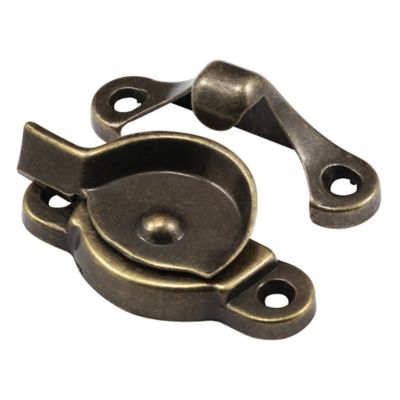
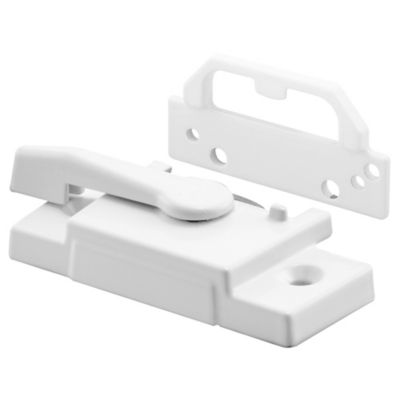
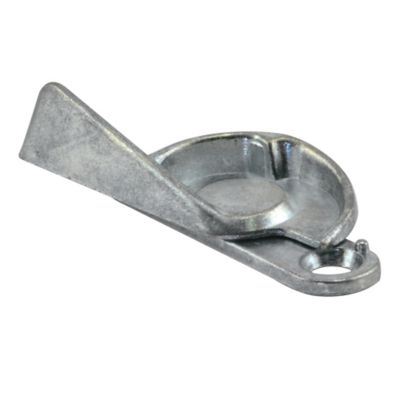
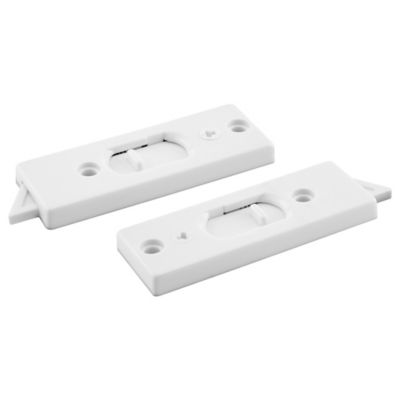
Window locks are a simple way to add another layer of security, safety, and peace of mind around the house, garage apartment, workshop, hunting cabin, or rental property. A good window lock helps keep a window from being opened farther than intended, which can discourage unwanted entry and help prevent children or pets from pushing a window open and getting into a dangerous situation. It can also be useful in rooms where you want fresh air without leaving a window fully open. During the warmer part of the year, a ventilation lock can let in a steady breeze while limiting the opening to a narrow gap. As the weather turns cooler, a properly fitted lock can help keep the window pulled closed and reduce rattling around the frame. Window locks come in several styles because windows are built in several different ways. Sliding window locks, sometimes called track locks, fit onto the track of a horizontal or vertical sliding window and tighten in place to stop the sash from moving. These are handy for windows that do not have a dependable built-in latch, as well as older windows in farmhouses, barns converted into living space, and outbuildings. Sash locks are made for many single-hung and double-hung windows, where one or both panes move up and down. A cam-style sash lock typically pulls the meeting rails together as it closes, helping hold the window shut. Keyed window locks replace or supplement a standard latch and require a key to open, offering an added deterrent in rooms where extra security is a priority. Ventilation locks and wedge-style locks limit how far a window opens, making them useful for bedrooms, nurseries, porches, offices, and other spaces where airflow matters. No window lock takes the place of sound doors, sturdy window frames, outdoor lighting, and good everyday habits, but the right one can make a noticeable difference in how secure and comfortable a space feels.
Before choosing window locks, take a close look at the window itself instead of relying on a one-size-fits-all assumption. Identify whether the window slides side to side, moves vertically, swings outward, or uses a fixed pane beside an operating section. Measure the available track, rail, or frame area, and check the material around the mounting point. Wood, vinyl, aluminum, and composite frames can call for different fasteners or lock styles, and an older window may have a worn latch, loose track, or slightly uneven sash that affects fit. Pay attention to the lock’s clearance, tightening method, and opening range, especially if you want to use it as a vent lock. A model that fits firmly without bowing the frame is generally a better choice than one that has to be forced into place. For keyed styles, keep the key in a known location that adults can reach quickly. Any window designated as an emergency exit needs special care: a lock should not prevent safe escape during a fire or other emergency, and local building requirements may apply. Homes with young children, visiting grandchildren, or curious dogs may benefit from locks that restrict opening while still allowing sunlight and airflow. In a workshop or outbuilding, a heavy-duty lock can help secure a window after tools are put away for the evening. For a rental, spare room, or older family home, replacement window locks can be a practical housewarming or home-maintenance gift, particularly when a loose latch has been patched more than once. Keep the installation straightforward by cleaning dirt from the track or frame, checking that the window closes squarely, and following the included directions for hole placement and tightening. Avoid overtightening, which can damage softer frames or make the window difficult to operate. After installation, test the lock several times from both sides as appropriate, check that the window stays closed or opens only to the intended position, and inspect the fasteners occasionally for looseness, rust, or wear. You can also browse related
Locking Hardware when coordinating window security with latches, hasps, cabinet locks, and other hardware around the property.
The best window lock depends on the room, the window style, and the way the space is used every day. A horizontal slider in a sunroom may need a track lock that can be released when the room is being aired out, while a double-hung bedroom window may be better served by a sash lock or a controlled-opening style. A keyed option can make sense for a seldom-used basement window or a storage area, but it is important to keep emergency access and household routines in mind. If the window is hard to close, the sash drags, or the frame has rot or damage, repair that underlying problem before depending on a new lock. For homes in rural areas, where detached buildings may be spread out and outdoor activity can keep everyone busy, small security improvements are easy to overlook; checking each accessible window at the start of a seasonal cleanup can help catch loose hardware before it becomes a bigger concern. The same habit works for cabins, barns with finished rooms, garages, and porches that are opened and closed as the weather shifts. Window locks also help bring consistency to a property with mixed window styles, letting you choose a suitable solution for each opening rather than forcing every window to use the same hardware. Look for durable construction, a secure grip, smooth operation, and a finish that suits the surrounding frame. Consider how often the window will be opened, who needs to operate it, and whether the lock must resist moisture, dust, or heavy everyday use. With the right fit and a careful installation, window locks can help protect people, pets, belongings, and comfortable indoor air without making ordinary window use a hassle.