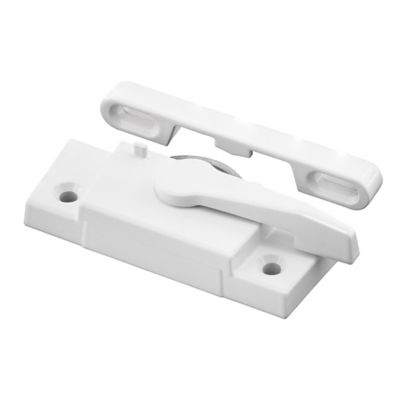
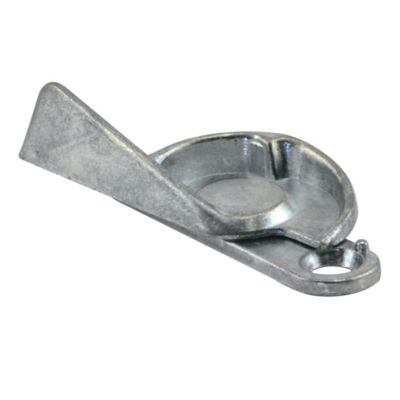
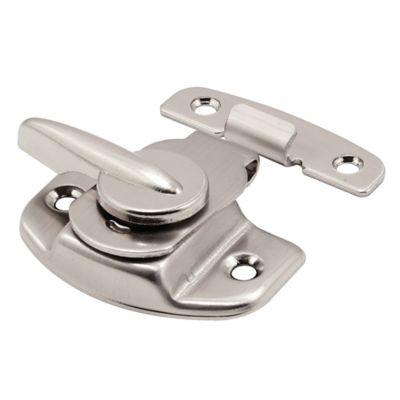
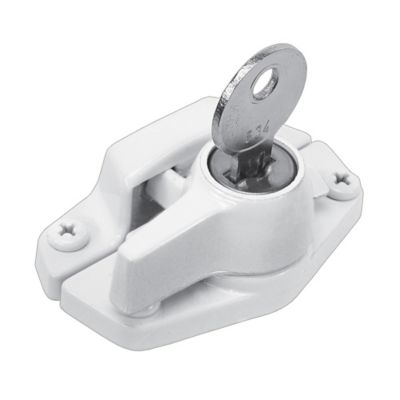
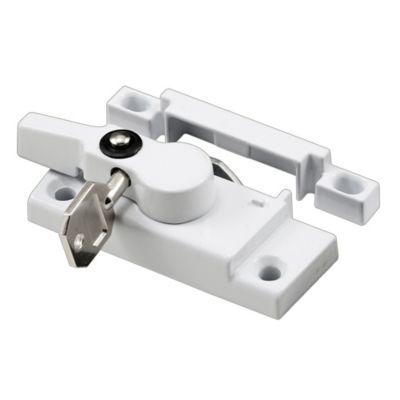
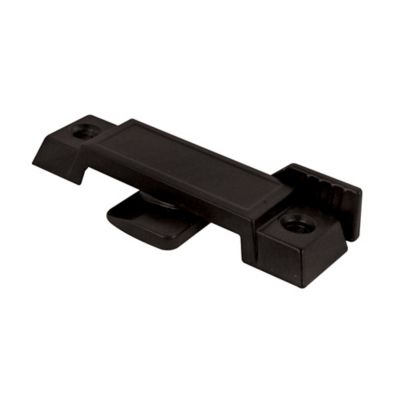
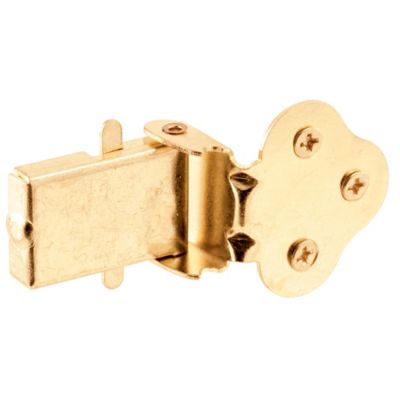
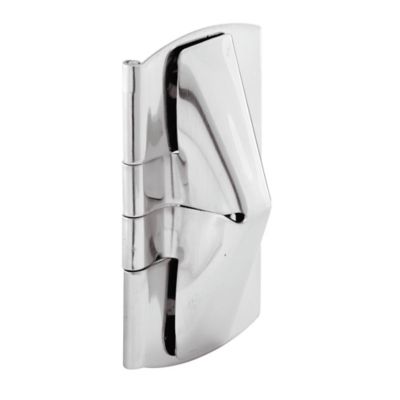
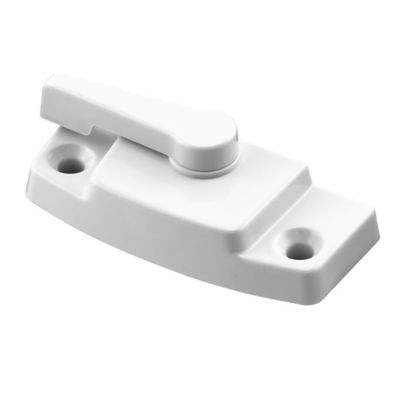
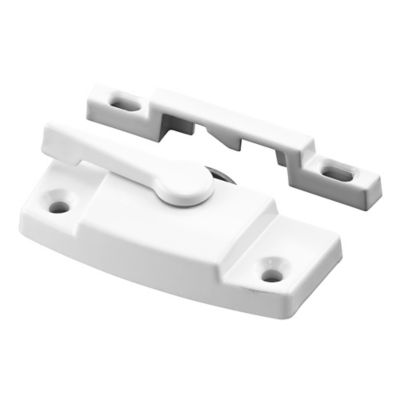
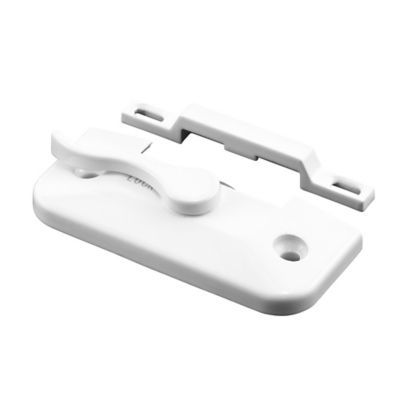
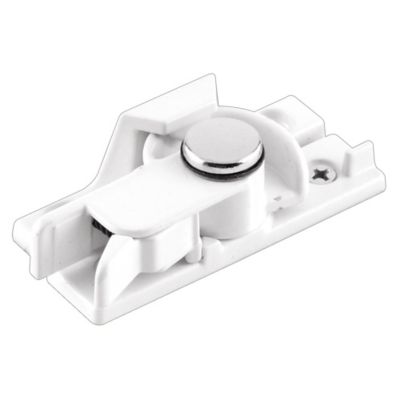
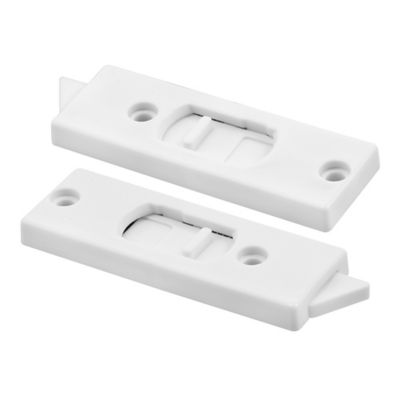
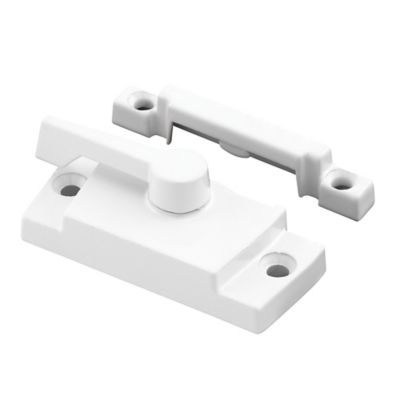
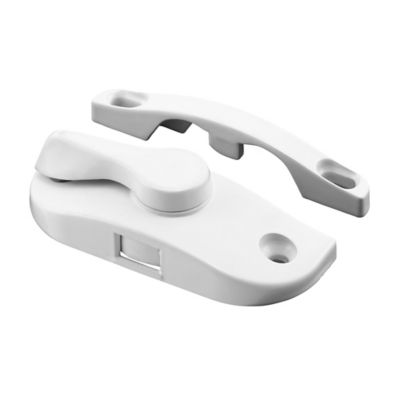
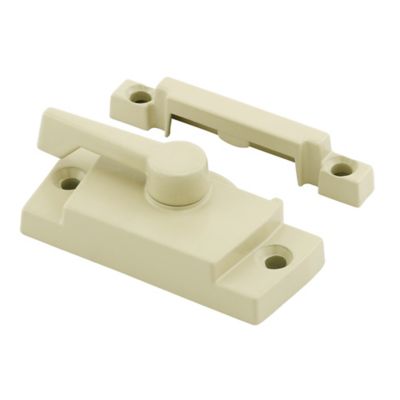
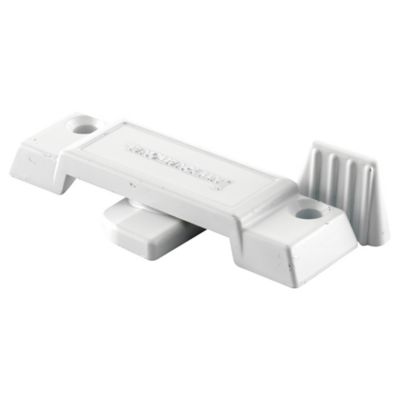
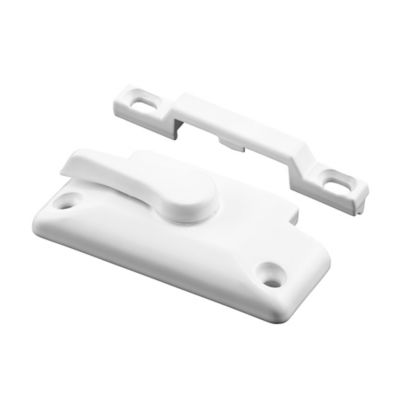
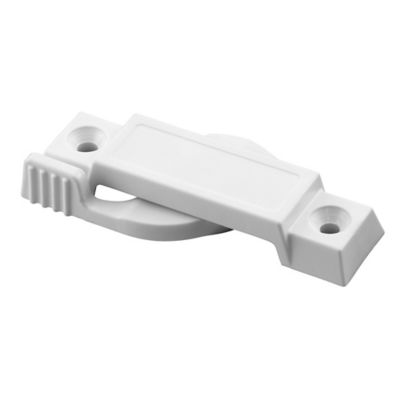
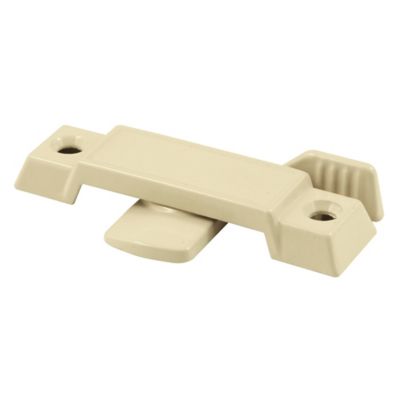
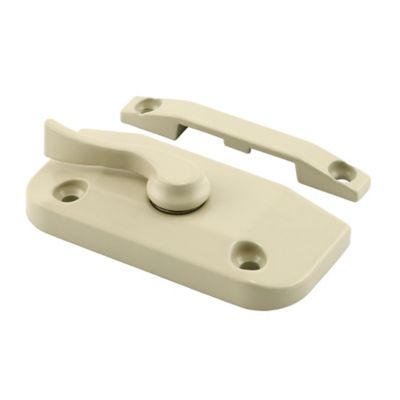
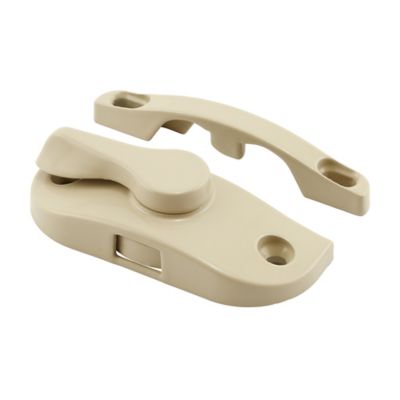
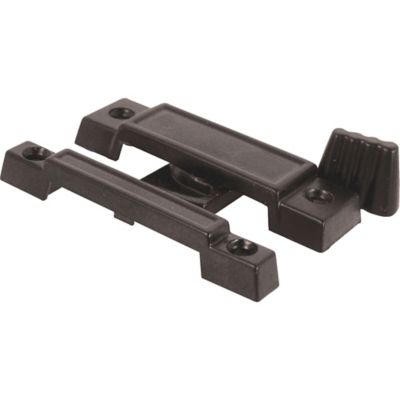
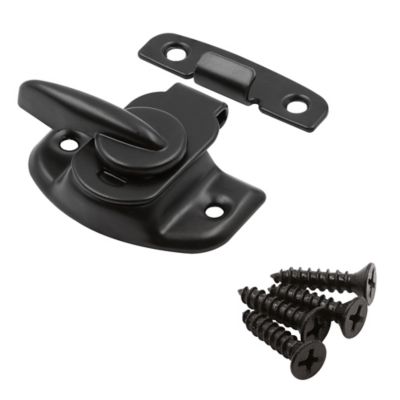
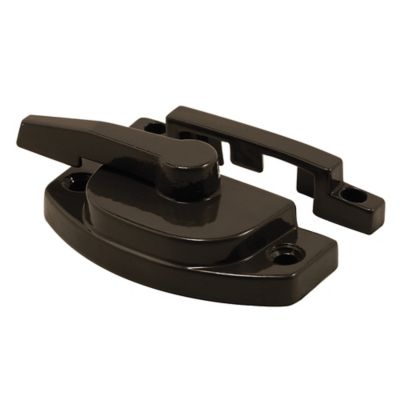
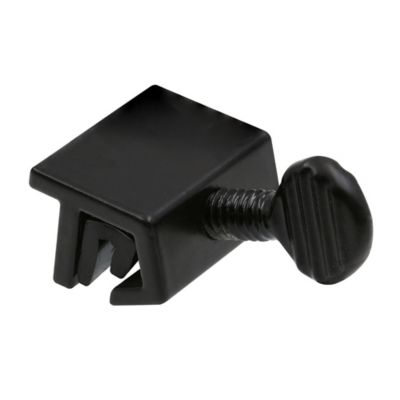
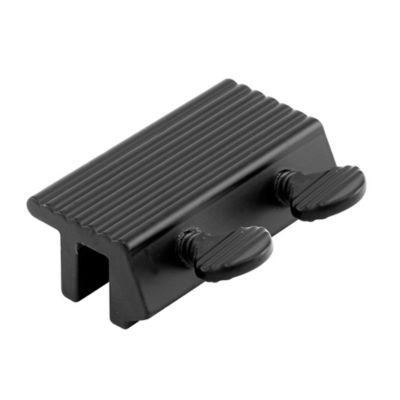
Window locks for single hung windows help secure the movable lower sash when the window is closed, often by fastening it to the fixed upper sash where the two sections meet. That horizontal meeting point is where many sash locks and matching keepers sit. The lock’s lever turns or slides into the keeper, holding the sash in place until the mechanism is released. This makes the hardware a practical part of everyday upkeep in a farmhouse kitchen, a bedroom over the garage, or a workroom beside the back porch. Replacement sash locks and latches come in several configurations, so the right match depends on the window’s construction rather than its appearance alone. Common designs include rotating cam locks, lever-operated sash locks, and supplemental stops that limit sash travel. These mechanisms serve different purposes: a sash lock secures a closed window, while a travel stop restricts how far the sash can move. A tilt latch, which releases certain sashes for inward tilting, is another separate component and should not be mistaken for the main lock. Metal construction is common, with steel, zinc alloy, and aluminum among the materials found in window hardware. Each design balances the strength of its body, the movement of its working parts, and the space available on the sash. Painted, plated, or other protective finishes affect both appearance and resistance to corrosion. A finish that coordinates with nearby handles and hinges can help a replacement blend into the room, but matching the mounting pattern and engagement is more important than matching color alone. Low-profile hardware can also matter where blinds, shades, or a narrow meeting rail leave little clearance. For a window opened every day, a lever that feels comfortable and moves without catching makes a noticeable difference. On a seldom-opened window in a spare room, straightforward operation still matters when someone needs to release it without a struggle. The best fit is hardware that suits the frame and closes with a firm, natural motion rather than extra force.
Fit is the main consideration when choosing replacement window locks for single hung windows. Two locks can look nearly alike from across the room yet have different screw spacing, body dimensions, or keeper heights. The distance between mounting-hole centers is an important measurement, along with the width and depth of the mounting surface. The keeper’s position matters just as much because the locking cam or latch must reach it and engage fully. A replacement that covers the old screw holes is not necessarily a working match if its locking surface sits too high, too low, or too far forward. Wood, vinyl, and aluminum windows can also call for different attachment details. A wood sash may provide a solid mounting surface, while a vinyl or aluminum assembly can depend on a particular profile, reinforcement, or manufacturer-specified attachment point. For timber sashes,
Window Locks for Wood Windows can help narrow the search by frame material. On any frame, the existing hardware’s shape, screw locations, and relationship to the meeting rail provide useful reference points. A clear view of the old lock and keeper can reveal details that a simple length measurement misses, such as an offset base or a raised mounting platform. The space around the lever deserves attention, too, especially when a deep window stool, screen assembly, or window covering sits nearby. Homeowners replacing a broken latch, landlords maintaining rental houses, and property caretakers handling several window styles all benefit from matching each opening individually instead of assuming every window takes the same hardware. Older houses often contain windows installed at different times, even within the same room. A stubborn lock may also point to a sash that is not seated correctly, a damaged keeper, or a frame alignment problem rather than a failed lock alone. Hardware should hold properly aligned parts together; it should not have to pull a badly shifted sash into position. Sound attachment points and an intact frame give replacement hardware the foundation it needs to work as intended.
Everyday care helps window locks stay easy to operate and makes developing problems easier to spot. Dust, grit, paint buildup, and loose fasteners can interfere with a small latch long before the main body shows much wear. A soft cloth and cleaning methods approved for the finish are generally better choices than abrasive pads that can scratch coated surfaces. Any lubricant should suit the mechanism and the window manufacturer’s recommendations, since an unsuitable product can affect nearby materials or leave residue that gathers dirt. Stiff movement is worth checking rather than overcoming with a harder push. A lever that binds, a keeper that shifts under pressure, or a screw that no longer holds can signal a need for attention. Fasteners also need to suit the frame: a screw that is too long can reach parts it should not touch, while overtightening can damage the mounting surface. Cracked hardware, worn engagement surfaces, and stripped attachment points deserve more than a cosmetic touch-up. In a busy household, the practical goal is a window that closes fully, locks without fuss, and releases as intended. Locking hardware does not repair a broken sash balance, support a falling sash, or make damaged glass safe. Security and fall prevention also call for separate consideration. A standard sash lock is not a substitute for a window guard, and an insect screen is not a barrier against a fall. Supplemental opening controls should be selected for their stated purpose and compatibility rather than treated as interchangeable with closed-window locks. Where a window serves as an emergency escape opening, added hardware must not interfere with required operation; keyed or secondary devices deserve particular care under applicable building and fire requirements. Whether the task involves one kitchen window or several rooms across a property, properly matched hardware supports a simple routine: the sash sits where it belongs, the lock engages fully, and the window remains manageable for the people who need to operate it.