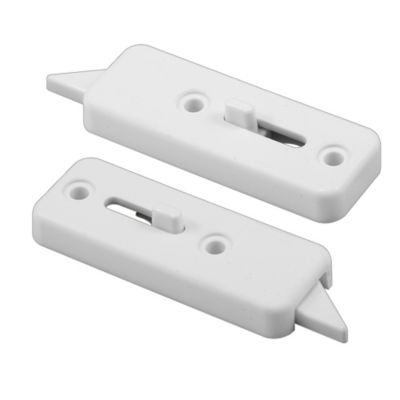
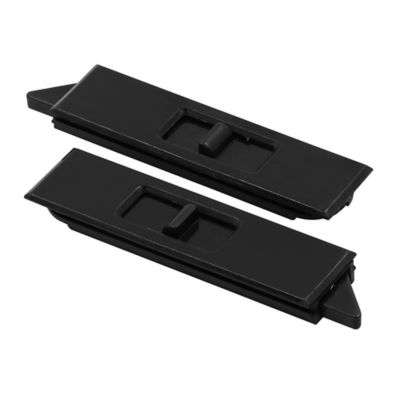
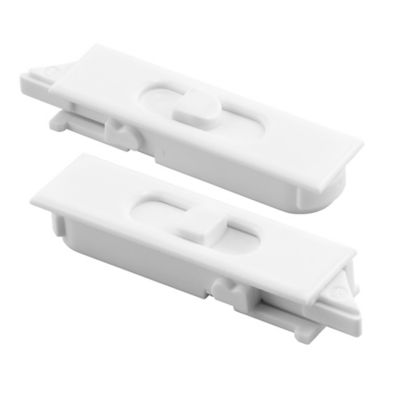
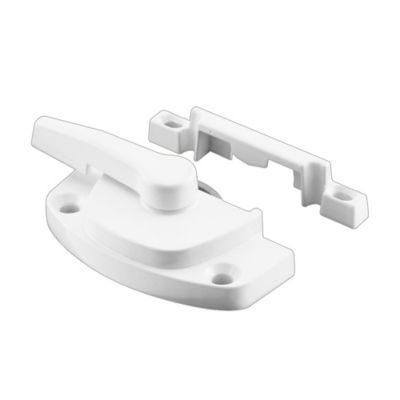
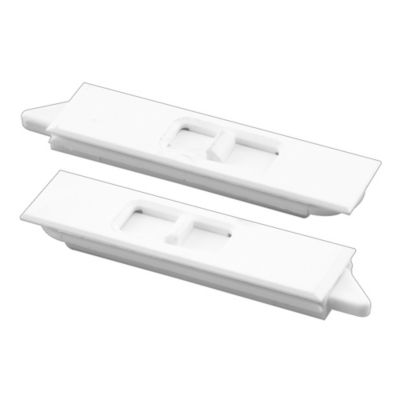
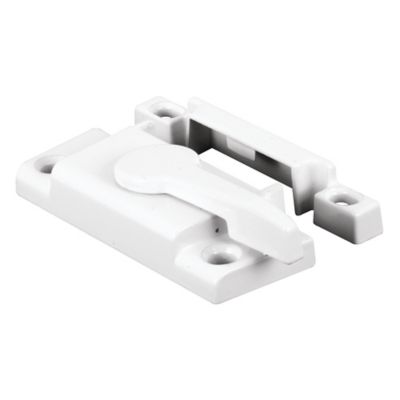
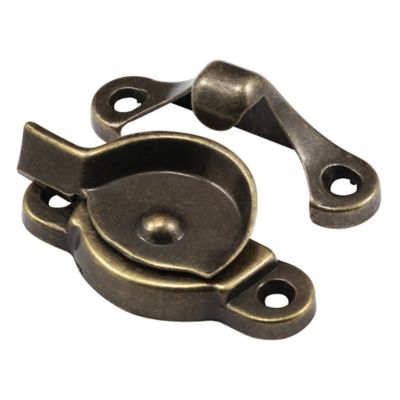
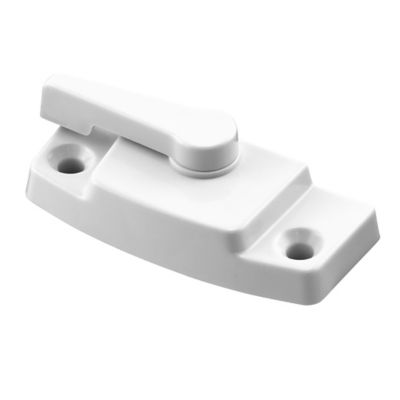
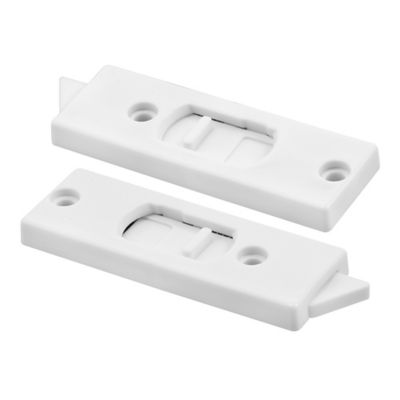
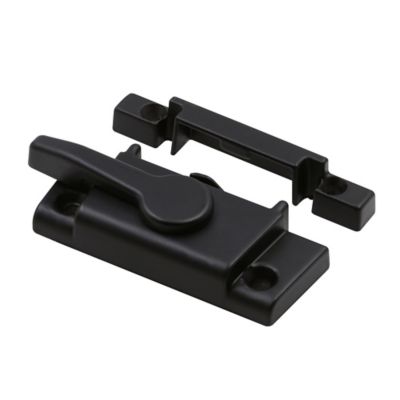
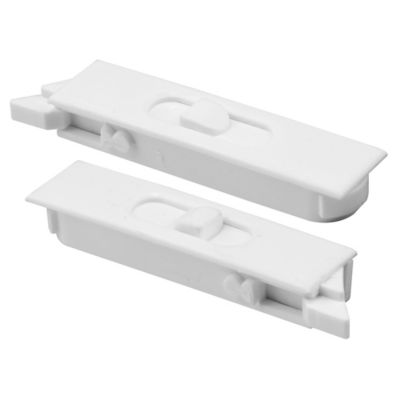
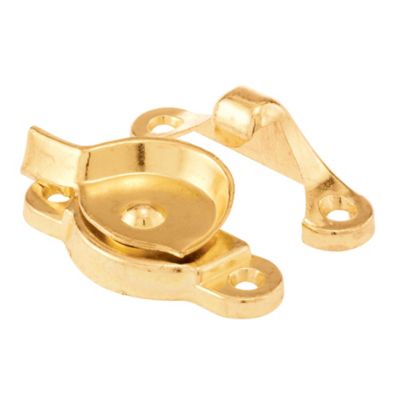
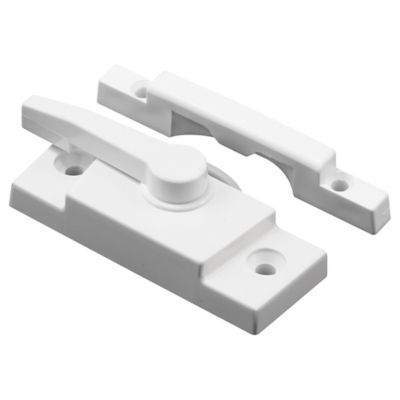
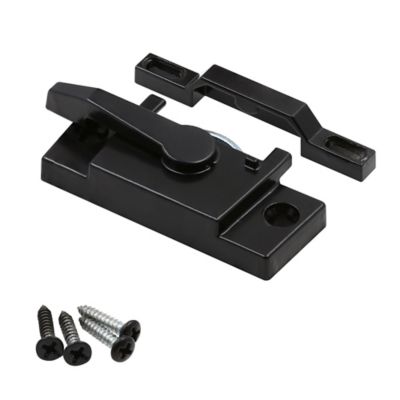
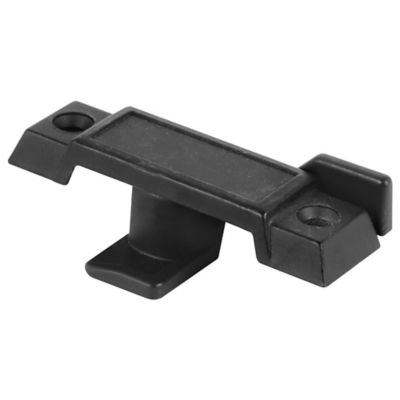
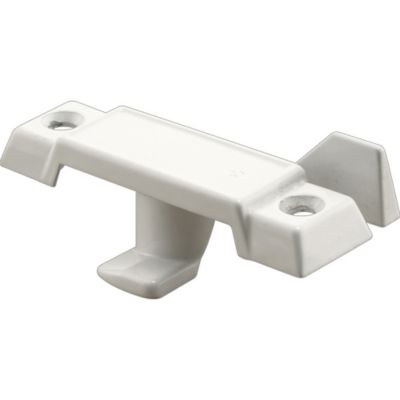
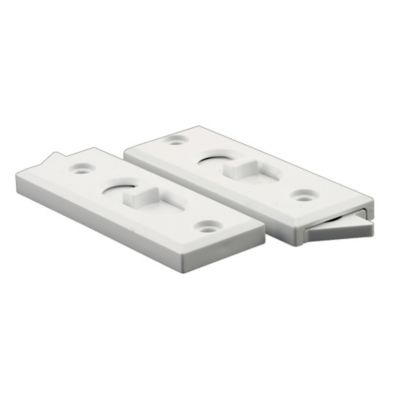
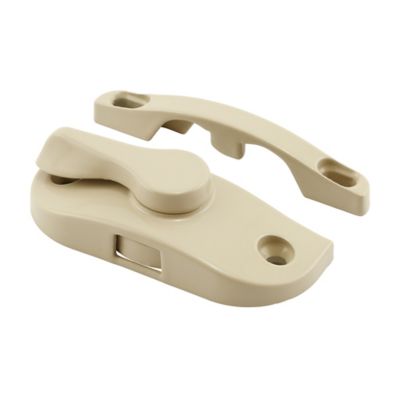
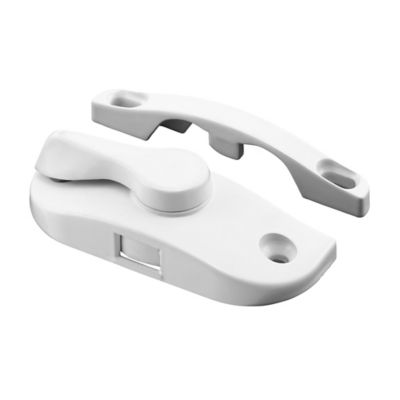
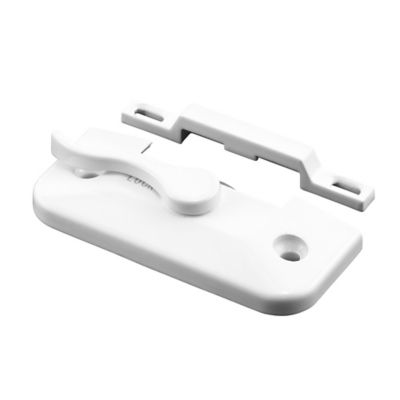
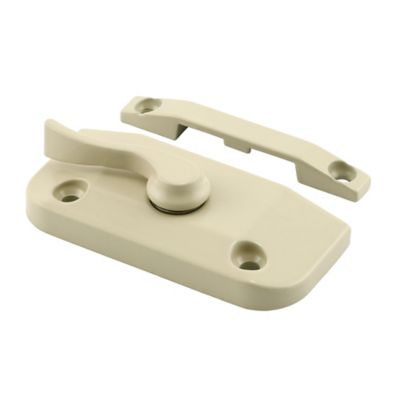
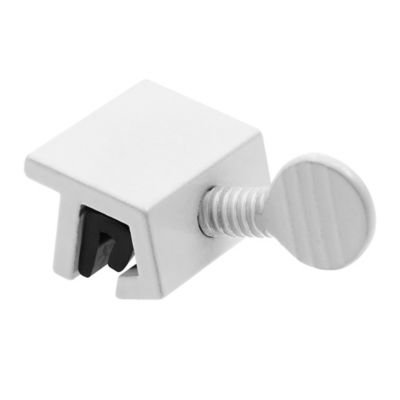
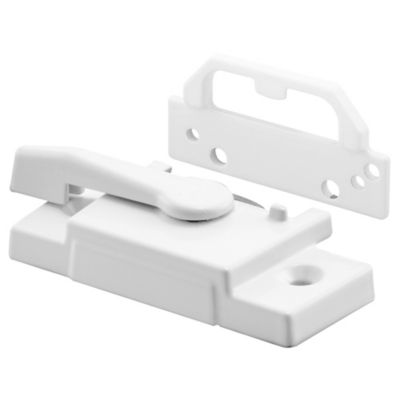
Window locks for double hung windows help keep both the upper and lower sashes together at the meeting rails, also called checkrails, so the window stays closed, snug, and harder to pry apart. Double-hung windows are common in older farmhouses, country homes, rental properties, workshops, and newer houses alike, and the right replacement lock can make a loose or worn window feel secure again. Standard cam-action sash locks use a swinging lever that catches a keeper on the opposite sash and pulls the two sections tight as the lever turns. This draw-tight action can help reduce rattling, small drafts, and movement around the center of the window. Keyed sash locks add a locking mechanism that requires a key, which can be useful in homes with young children, ground-level windows, guest houses, or rooms where extra control is wanted. Ventilating or draw-tight locks may offer more than one latch position, allowing a window to be secured fully closed or held slightly open for airflow, depending on the design. Window pins and vent stops work differently by physically limiting how far a sash can move. They are often considered for child safety, first-floor windows, bedrooms, porches, and spaces where fresh air matters but a fully open window is not desirable. These products can be useful during the cooler months when windows need to stay firmly shut against wind, and they remain handy as the weather warms and windows are opened for natural ventilation.
Before choosing a lock, match the hardware to the window frame and the way the window is built. Wood, vinyl, and aluminum frames can use different mounting patterns, screw sizes, and keeper shapes, so take a close look at the existing lock before ordering a replacement. Measure the space around the meeting rails and note whether the old hardware sits centered, offset, or near the edge of the sash. A wood window may have room for several styles of surface-mounted hardware, while a vinyl window can have narrower rails or preformed areas that limit placement. Aluminum frames may call for hardware made to fit their slimmer profile. The existing screw holes can be helpful, but they should not be the only consideration; a replacement should sit flat and allow the cam or latch to engage the keeper without rubbing. Finish and color are also worth considering when several windows are being updated, especially in a farmhouse kitchen, screened porch, barn apartment, or older home where matching hardware helps the room look cared for. If a double-hung window refuses to lock, the issue may not be the lock itself. Over time, gravity, settling, worn balances, or repeated use can cause the top sash to slip downward or the two sashes to become misaligned. A bent keeper, loose fastener, painted-over edge, or damaged meeting rail can have a similar effect. Look for a latch that does not line up cleanly, a lever that feels unusually tight, or a sash that needs to be lifted before it will catch. Hardware should not be forced, and any damaged frame, cracked sash, or persistent gap may need attention before a new lock can work as intended.
Window locks for double hung windows can be a practical addition for homeowners, landlords, property managers, renters with permission to make hardware changes, and anyone restoring an older house one room at a time. They may also make a thoughtful housewarming gift for someone moving into a fixer-upper, buying a country home, or preparing a nursery, guest room, or hunting cabin for regular use. A simple cam lock can suit a frequently used living room or kitchen window, while a keyed lock or window pin may be preferred for a child’s room, a basement-level window, or a remote property that sits empty between visits. When selecting among these options, consider who uses the room, how often the window is opened, whether ventilation is important, and whether the hardware needs to be operated quickly in an emergency. A lock should hold the sash securely without making ordinary cleaning or seasonal maintenance difficult. It is also smart to inspect nearby windows, since a single loose lock may be part of a larger pattern of aging hardware. Clean contact surfaces, snug fasteners, and properly aligned sashes all help window hardware perform better, but a lock is not a replacement for sound window construction, secure doors, good lighting, or a broader home-safety plan. For homes with traditional timber frames and old-fashioned sash details, browse
Window Locks for Wood Windows to find hardware suited to that style of window. With the right fit and a little attention to how each sash moves, these small pieces of hardware can help keep rooms quieter, windows steadier, and everyday home life more comfortable.