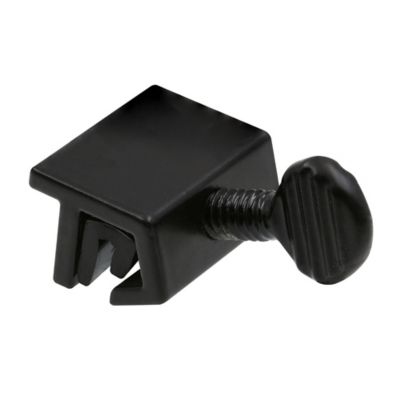
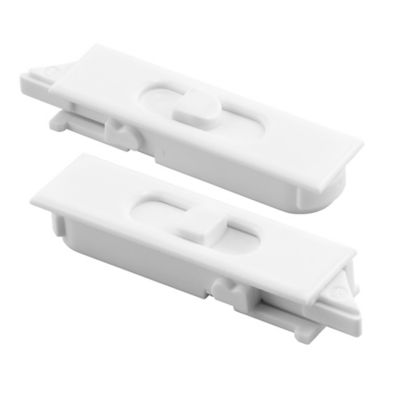
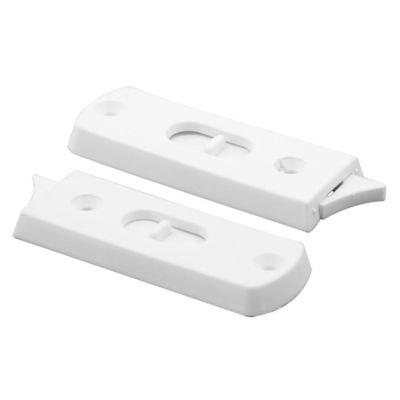
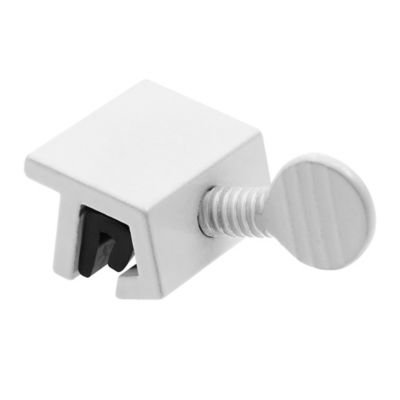
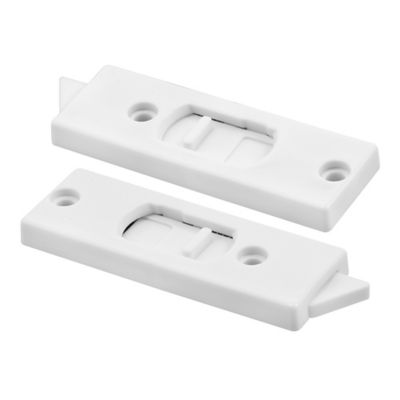
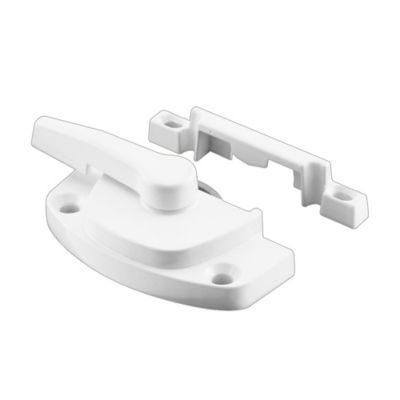
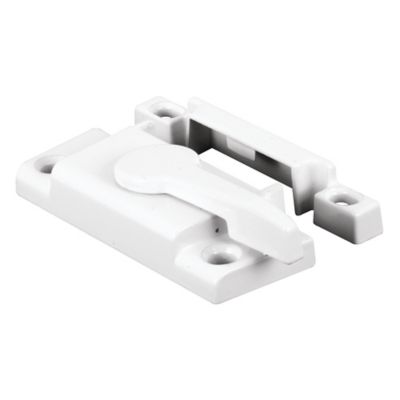
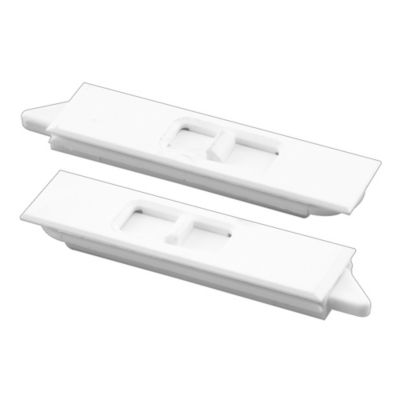
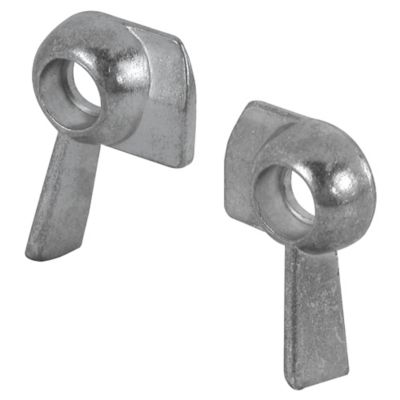
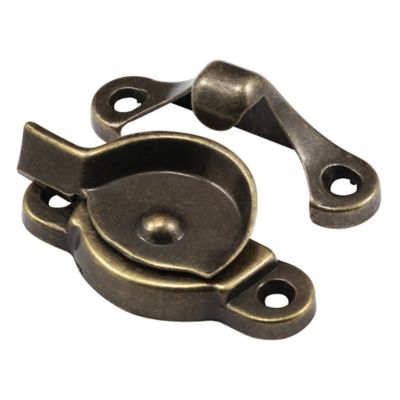
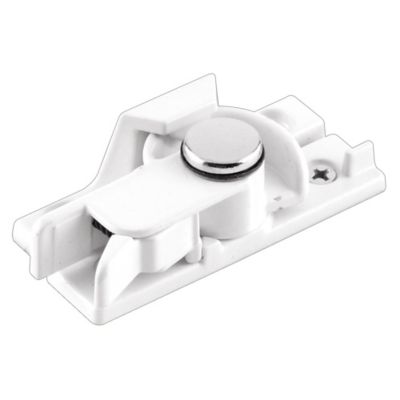
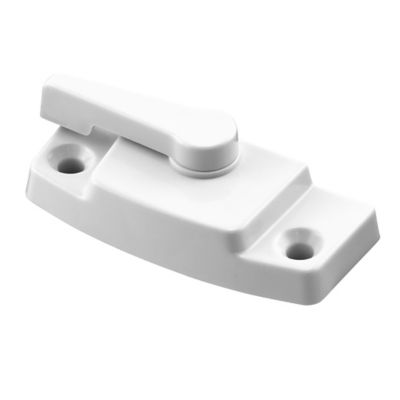
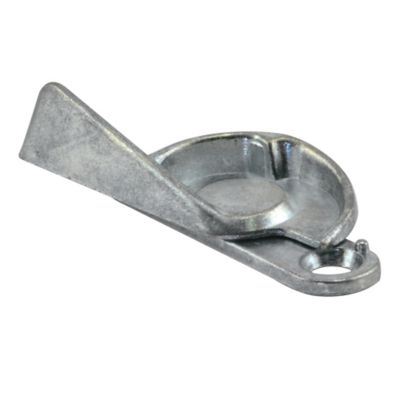
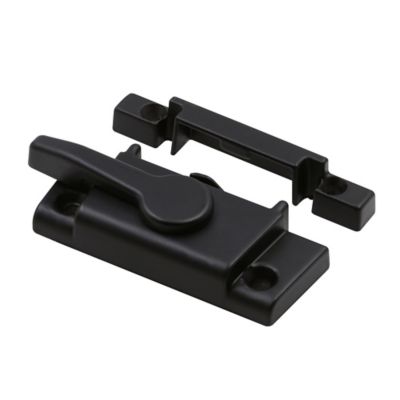
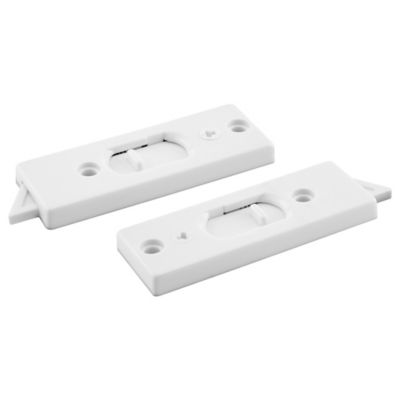
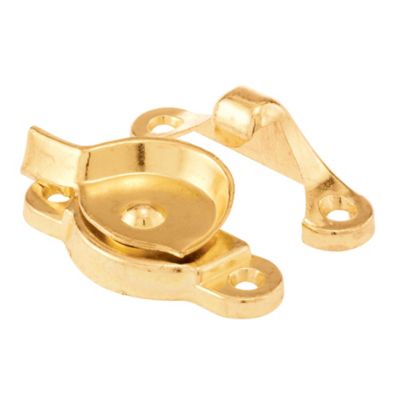
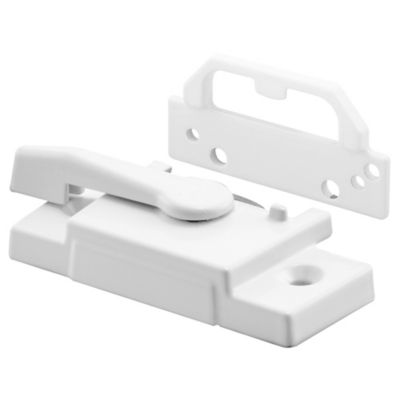
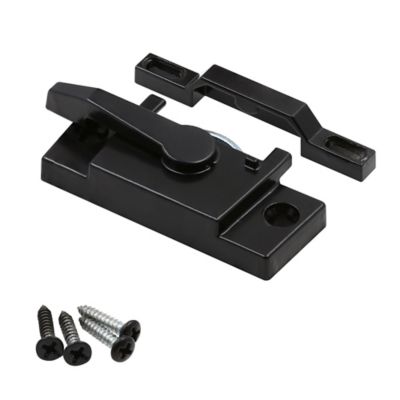
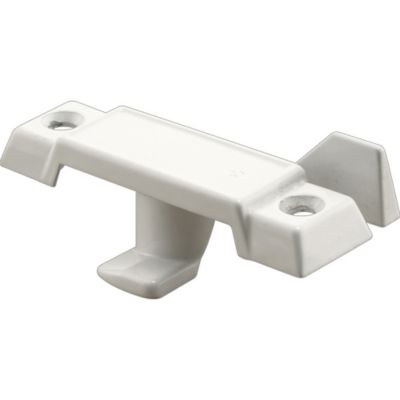
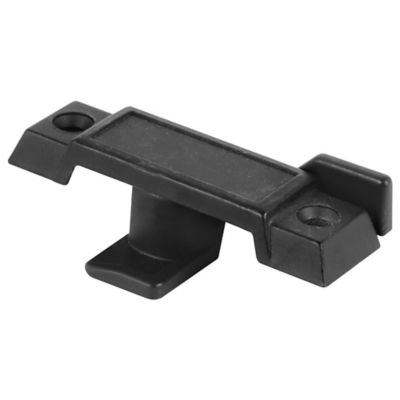
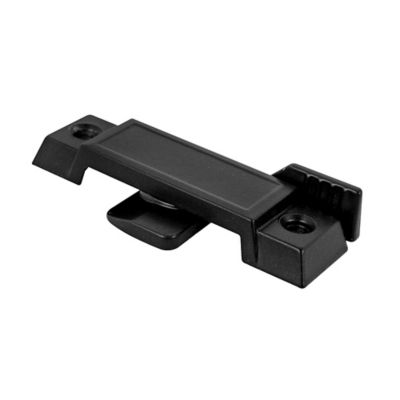
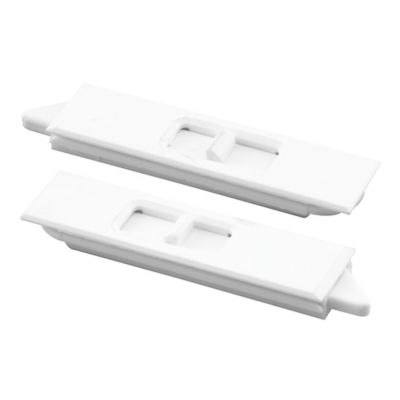
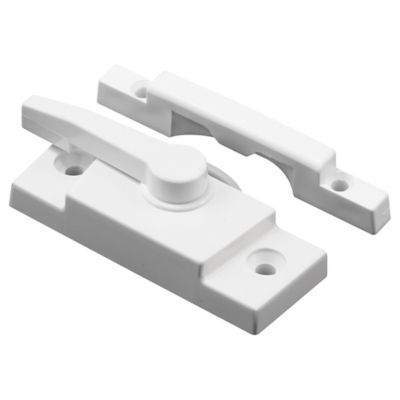
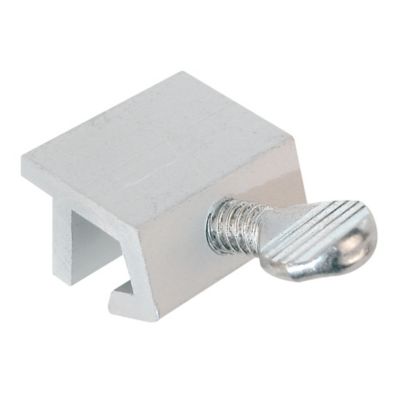
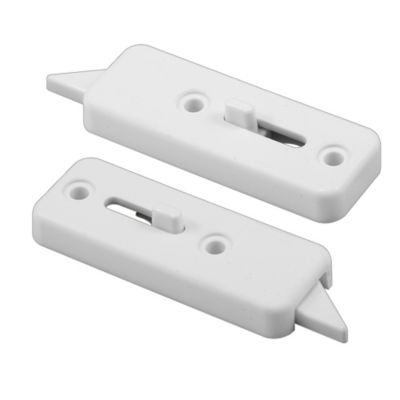
Vertical sliding window locks are made for single-hung and double-hung windows, where one sash moves up and down along a track. They help keep the window closed, limit how far it can open, or hold a small opening for fresh air while blocking the sash from sliding farther. That makes them useful in farmhouses, workshops, cabins, rentals, garages, outbuildings and family homes alike. A sash lock, sometimes called a sweep latch, installs where the upper and lower meeting rails come together. When its arm turns into place, it draws the sashes snugly against one another, helping reduce rattling and drafts along the center seam. Track-mounted locks and thumbscrew stops work a little differently. They attach along the side frame or window track and can stop the sash at a selected height, which is handy when you want airflow without leaving the window wide open. Many of these stops install without drilling, making them a practical choice for renters, seasonal cabins, older homes or anyone who would rather not make permanent changes to the frame. Adjustable jaw and action-style locks can grip vinyl, aluminum or other frame rails, while track clamps can provide a firm barrier in windows where a traditional meeting-rail latch is not a good match. Standard options often fall in the $4 to $15 range, though the final price depends on the material, design, pack size and intended window style. For more options organized around a common window configuration, browse
Window Locks for Single Hung Windows.
Before choosing a vertical sliding window lock, take a close look at the window itself. Measure the width of the meeting rails, inspect the side channels and note whether the frame is wood, vinyl or metal. A lock made for a flat wood rail may not sit correctly on a rounded vinyl edge, and a clamp designed for a narrow aluminum track may not have enough reach for a wider frame. Check whether the window opens from the bottom, the top or both, and decide whether you need a permanent latch or a removable stop. A sash latch is suited to a window that needs to close tightly each time, while a thumbscrew or track clamp may be a better fit when you want to set a repeatable opening for ventilation. Look for the listed mounting method, screw spacing, jaw range and frame compatibility before placing an order. If the window has an unusual shape, a replacement frame or a deep track, compare measurements with the lock’s specifications instead of relying on appearance alone. Installation is usually straightforward: clean dust and old residue from the frame, position the lock where the moving sash will meet it, mark the holes if drilling is required, and tighten the hardware without forcing it. On a track-mounted stop, place the unit squarely against the channel before tightening the thumb screw. It should hold the sash in place without crushing vinyl, bending metal or scraping the finish. After installation, slide the window several times and check that the lock engages fully, the sash stays aligned and the screen can still move as intended. A little care during setup can prevent a loose latch, a stuck window or a stop that shifts when the sash is lifted.
These locks can be helpful for parents who want to limit the opening of an upstairs window, older adults who prefer an easier way to secure a sash, landlords preparing a rental between tenants, and homeowners tending to a porch, barn office or country workshop. They also make a sensible housewarming gift for someone settling into an older home with loose or missing window hardware. During the cooler months, a properly fitted sash latch can help keep a window pulled snug against the frame, while a vent stop can provide controlled airflow on milder days without leaving the sash fully open. In a busy home, check the lock from time to time for loose screws, bent parts, paint buildup or debris in the track. Windows near kitchens, barns and gravel drives can collect dust quickly, so wiping the frame and clearing the channel helps the lock sit as intended. A lock is not a substitute for supervision, a full window inspection or other home safety measures, and no stop should block an emergency exit when that window is designated for escape. For windows that serve as egress openings, confirm that the lock can be released quickly from inside and follow local building requirements. The right vertical sliding window lock should match the frame, fit the way the window moves and suit the daily routine of the household. Whether the goal is a snug closure, a measured ventilation gap or a simple way to keep a sash from drifting open, comparing the window style and mounting space first helps you bring home hardware that fits the job.