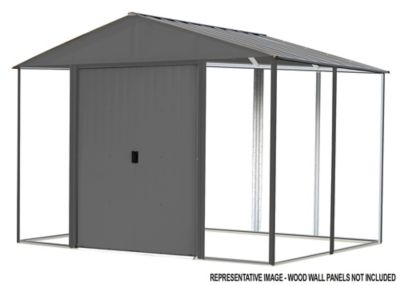
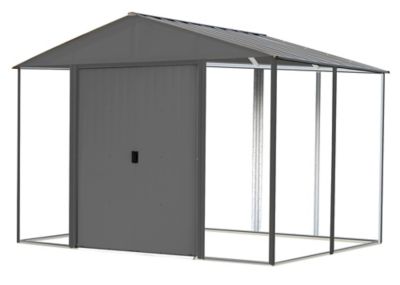
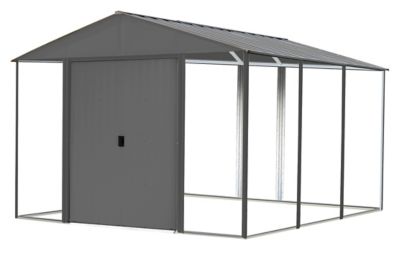
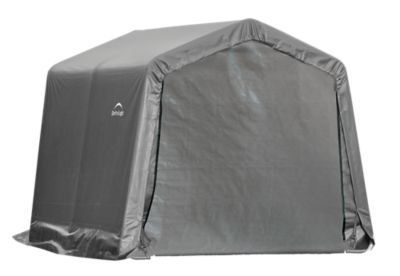
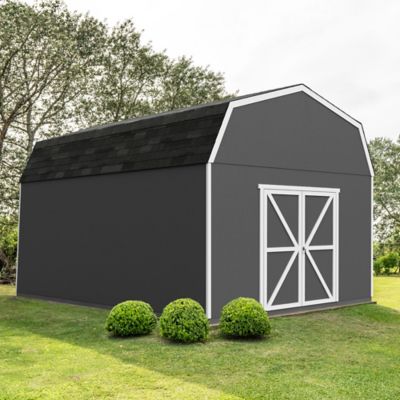
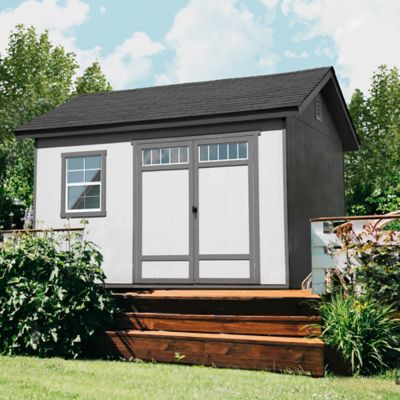
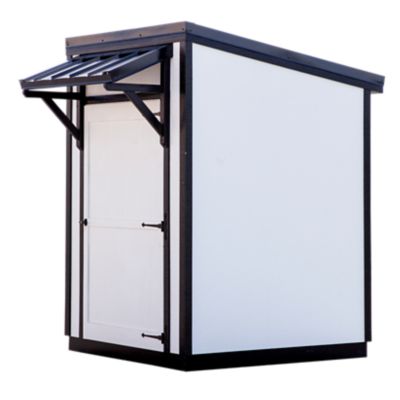
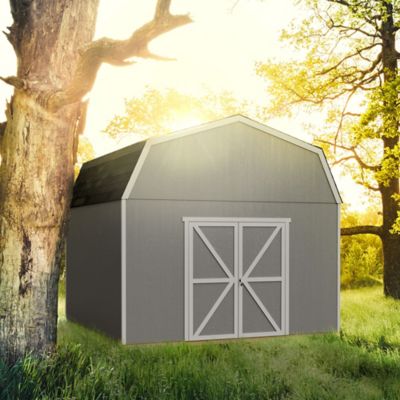
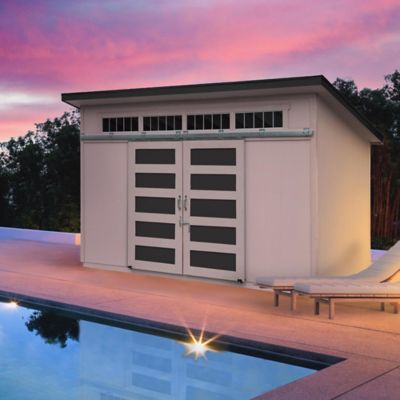
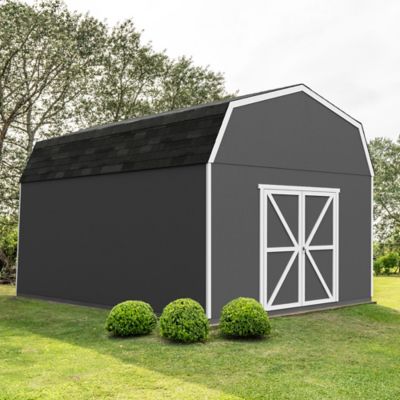
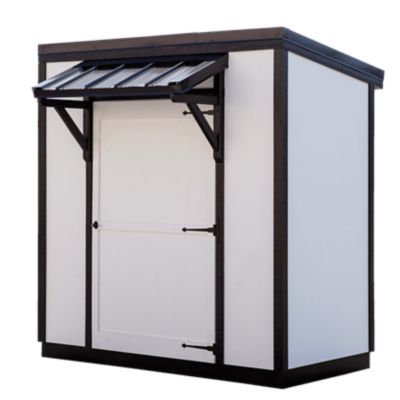
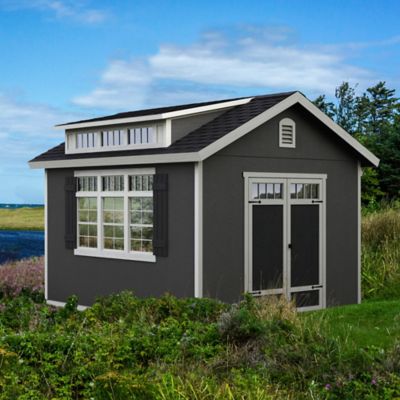
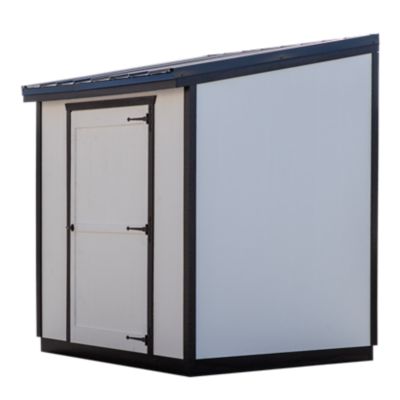
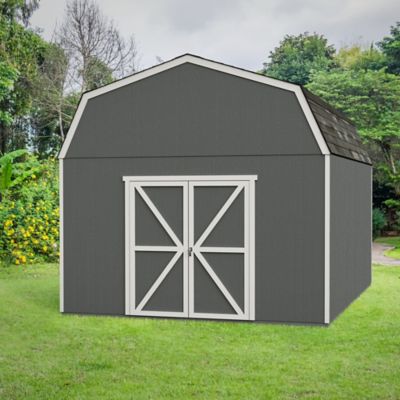
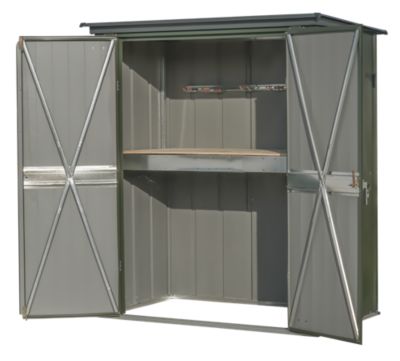
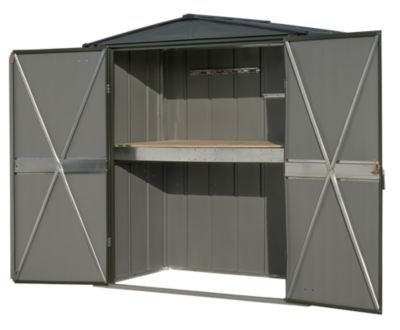
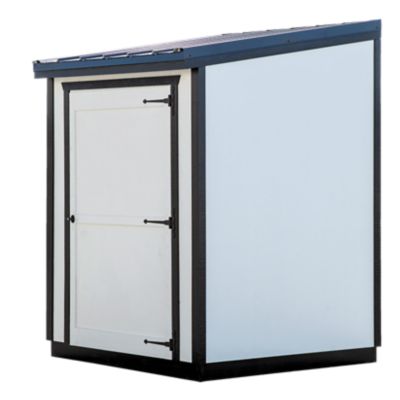
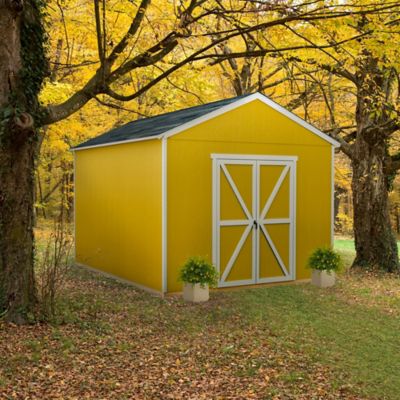
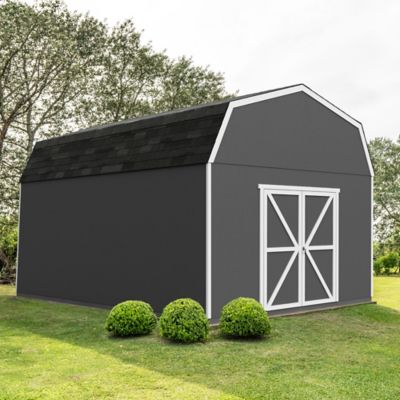
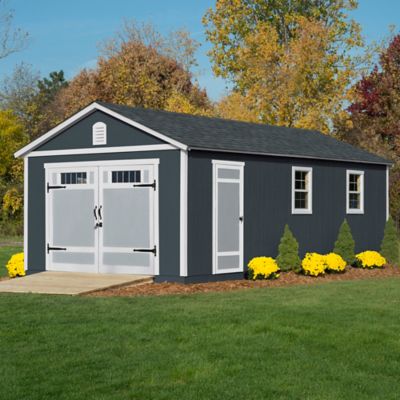
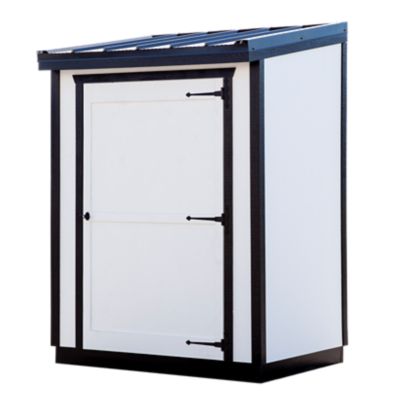
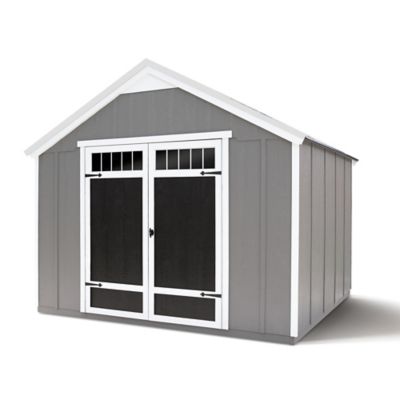
Shed kits turn a planned spot in the yard into storage space for the gear that tends to crowd a garage, porch, or barn aisle. Rather than starting with loose lumber and a drawing, these kits provide a set of building components designed to fit together, with the contents and amount of assembly varying by model. Some have precut framing and siding, while others feature wall panels or interlocking sections. Their main job is straightforward: give garden tools, mowing equipment, bicycles, and property-care supplies a place of their own. A small shed can keep shovels and rakes close to the garden, while a larger layout may leave room for a riding mower, attachments, and shelves along one wall. Common footprints include compact sizes around 8 by 4 feet or 8 by 6 feet, midsize layouts from 8 by 8 feet to 10 by 12 feet, and larger structures reaching 12 by 20 feet or more. Those measurements are a starting point, not a promise of usable floor space. Listed dimensions may describe the exterior, foundation footprint, or roof span, so interior measurements matter when fitting equipment inside. Door clearance deserves just as much attention as square footage. A mower needs an opening wide enough for its full width, along with room to steer through without clipping a doorframe. Double doors can make loading easier, but their swing takes up space outside the shed. Inside, an open center aisle keeps a wheelbarrow from trapping the tool needed next. Wall height, roof shape, and shelf placement also affect how much a building can hold without turning every trip into a shuffle. For a busy acreage or a backyard garden, the right fit is often less about filling every inch and more about being able to reach the gear at the back. Room for a broom and a clear walking path makes everyday storage work better than a floor packed from corner to corner.
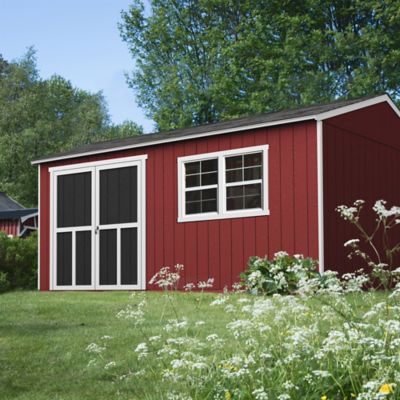
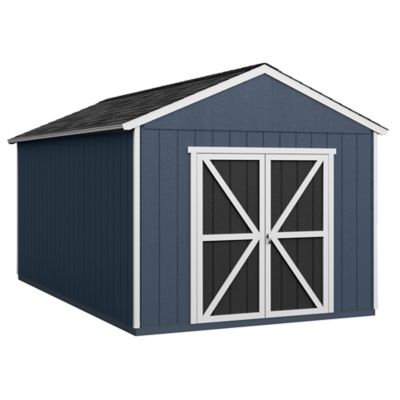
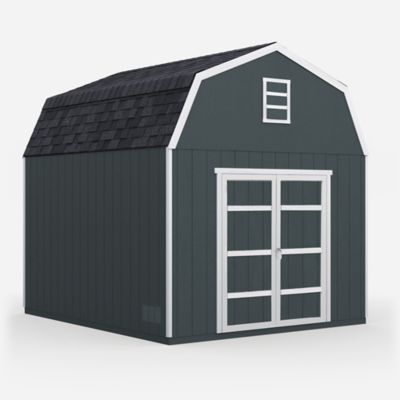
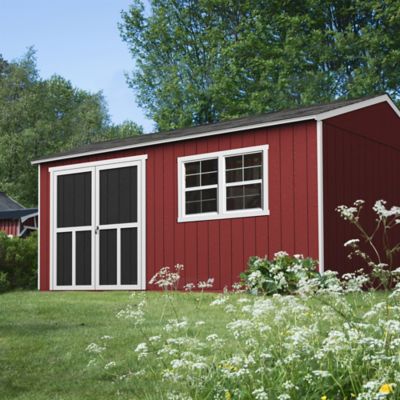
Material choice shapes the look, upkeep, and construction of a shed kit. Wood sheds have a familiar outbuilding appearance, with framing that may support shelving, hooks, or a workbench when the building’s design allows those additions. Wood siding and trim generally need paint, stain, or another specified finish, along with periodic checks for peeling coatings, soft spots, and gaps at joints. Engineered wood panels can have their own fastening and finishing requirements, so the manufacturer’s directions matter as much as the appearance. The
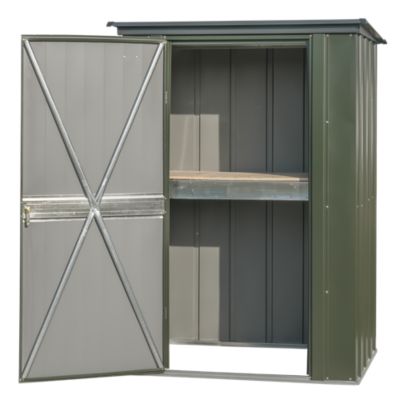
Wood Kits collection is a place to compare options for a framed structure that can coordinate with nearby buildings through an appropriate finish. Metal shed kits commonly feature coated or galvanized steel panels, though construction varies. Protective coatings help limit corrosion, and scratches or exposed edges may need attention under the manufacturer’s care instructions. Metal panels also need the right fasteners and anchoring system; panel thickness alone does not tell the whole story about structural strength. Resin and plastic shed kits often appeal to shoppers who want less finishing work, since their panels generally do not need painting and are not subject to wood rot or metal rust. Their care instructions may call for gentle cleaning, clear tracks and hinges, and checks of panel connections. Across all three material groups, good upkeep includes keeping debris away from the base, watching for loose hardware, and making sure doors continue to close without dragging. Interior fittings deserve a close look, too. A shovel rack that works on framed wood walls may not attach safely to a thin metal panel or molded resin wall without an approved mounting system. For gardeners, small-property owners, and folks keeping equipment near a pasture or workshop, these differences affect everyday convenience as much as appearance. A shed that suits the work should offer appropriate attachment points, enough headroom, and surfaces that can be maintained without making the building itself another ongoing chore. Matching the material to that routine helps set realistic expectations for care and service life.
What comes in the kit is another important distinction, because a shed kit is not always a complete building package. Flooring, foundation materials, roof covering, fasteners, paint, vents, ramps, and anchoring hardware may be included, optional, or supplied separately. A floor frame is not necessarily the same thing as a finished floor, and roof panels or sheathing may still need a specified covering. Assembly instructions and component lists help clarify those differences before the project reaches the yard. Some kits call for several people to handle panels and hold sections in position, while others require more measuring, cutting, or finishing. Tool requirements and access for carrying components to the site belong in the planning, whether the work falls to a handy property owner or a hired installer. The building also needs a foundation that meets its specifications. Depending on the design and local requirements, that might involve a concrete slab, a prepared gravel base with an approved support system, or another specified foundation. Level support helps panels line up and doors operate properly, while drainage and ground clearance help keep moisture from collecting against the structure. Local rules may address permits, property-line setbacks, height limits, utility easements, and anchoring, even for a modest storage shed. Floor load ratings matter when the contents include heavy equipment, and a ramp needs an appropriate load rating and secure fit rather than simply matching the doorway width. Ventilation can help manage interior moisture, but an ordinary storage shed should not be treated as living space or an animal shelter without the proper design and approvals. Fuel, fertilizers, and other potentially hazardous supplies need storage arrangements that follow their labels and applicable rules. Locks, door hardware, and visibility from the house are worth weighing when valuable tools will stay inside. With the right footprint, construction, and foundation requirements matched to the property, a shed kit can give everyday equipment a sensible home and leave the garage ready for the jobs that belong there.