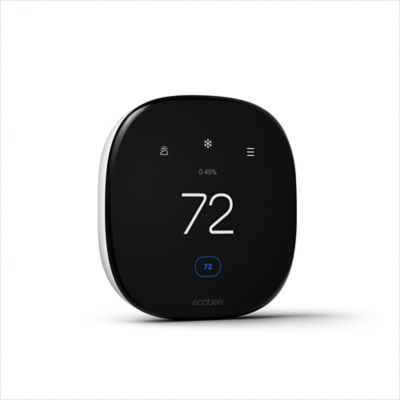
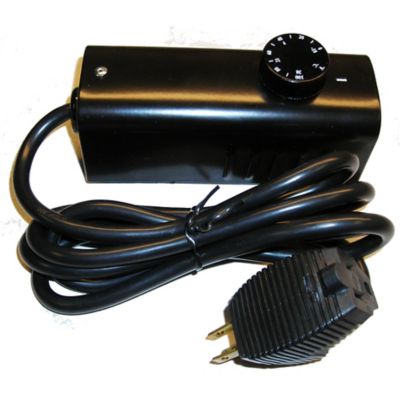
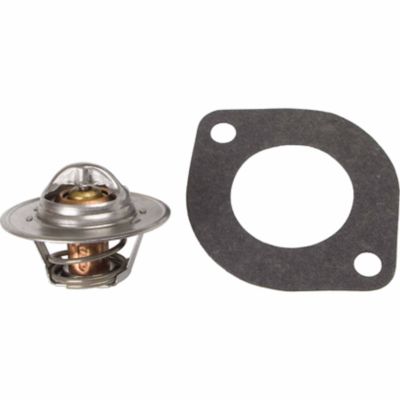
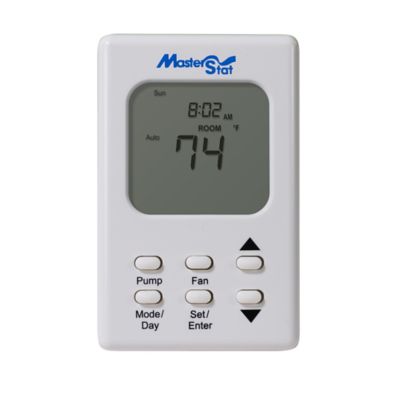
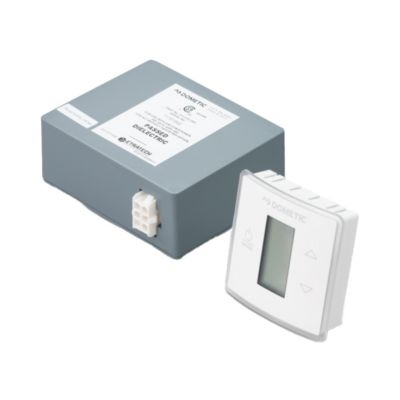
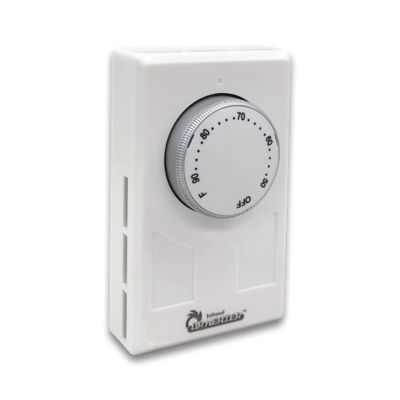
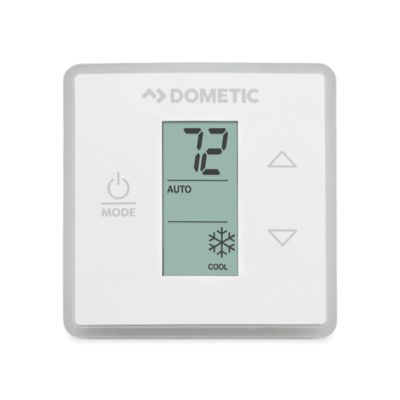
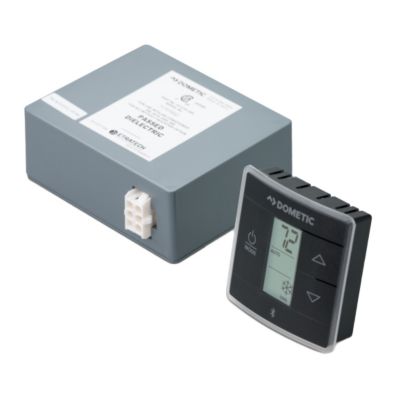
Wi-Fi controlled thermostats make it easier to manage the comfort of your home, workshop, cabin or other finished space from wherever the day takes you. Once connected to your home’s wireless network, these thermostats can let you adjust heating and cooling settings from a phone or tablet, whether you are settling in for the evening, heading home from the farm or checking on a house that sits several miles down the road. Instead of leaving the heat running at the same temperature all day, you can set a schedule that follows the household routine: a lower setting while everyone is away, a comfortable temperature before the family gets home, and a nighttime setting that suits the way you sleep. During the cooler months, that kind of control can be especially handy when a cold snap rolls through or the weather changes faster than expected. Some models also provide energy-use reports, reminders and other information that can help you spot patterns in your heating and cooling habits. Voice-control compatibility may allow simple commands through a connected smart-home assistant, while app alerts can help you keep an eye on temperature settings when you are traveling. Features vary from one thermostat to another, so shoppers should compare display style, scheduling options, app functions, remote sensors and compatibility with the smart-home system already used in the household. For a broader look at home temperature equipment, visit
Thermostat Controls.
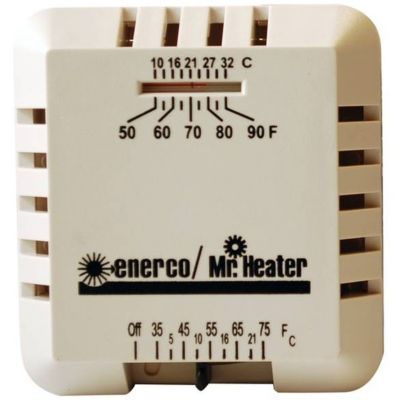
The most important purchase consideration is making sure the thermostat matches the heating and cooling system already installed. Before choosing a Wi-Fi controlled thermostat, look at the wiring behind the existing wall plate and identify the type of system in the home. Common setups include gas, oil or electric furnaces, central air conditioning, boiler systems and heat pumps, but not every thermostat supports every configuration. Many connected thermostats use a common wire, often called a C-wire, to receive continuous low-voltage power. If the current thermostat does not have a C-wire, some installations may require a power extender kit or another approved wiring solution. Certain homes, cabins and older properties use systems with unusual wiring, line-voltage heaters or millivolt controls, which may need a different thermostat altogether. Take a clear photo of the existing wiring and note the letters beside each terminal before removing anything; those details can save a trip to the hardware counter and make it easier to confirm compatibility. It is also worth checking whether the thermostat supports single-stage or multi-stage heating and cooling, auxiliary heat, emergency heat, humidifiers, dehumidifiers or other equipment connected to the system. A Wi-Fi signal is another practical part of the decision. In a farmhouse with thick walls, a detached guesthouse or a basement mechanical room, the wireless connection may be weaker than it is in the living room. A thermostat may still control the system at the wall if the internet goes out, but remote app features generally depend on both the thermostat and phone having a working connection. Installation can be straightforward for someone familiar with low-voltage wiring, but shutting off power, labeling wires and following the manufacturer’s instructions are essential. When the wiring or equipment is unclear, a qualified HVAC professional is the safer choice.
Wi-Fi controlled thermostats can be useful for busy households, older adults who appreciate simple remote adjustments, homeowners who travel, and anyone trying to keep a closer eye on comfort and energy use. They fit naturally into a daily routine that includes early morning chores, school drop-offs, long shifts, evening livestock checks or weekends spent away from home. A homeowner can warm the house before returning from a cold day outdoors, lower the setting after heading to a hunting camp, or check a property without making a special drive just to change the temperature. They can also make a thoughtful housewarming, wedding, graduation or holiday gift for someone settling into a new home, particularly when paired with other practical household supplies. For a family member caring for a seasonal cabin or rental property, remote access offers an added layer of convenience, though it should not replace freeze protection, regular inspections or dependable maintenance. Scheduling is often the biggest everyday benefit: a well-planned routine can reduce unnecessary heating and cooling while keeping bedrooms, living areas and workspaces comfortable when they are in use. Some thermostats learn household patterns, use occupancy information or offer remote sensors to help address rooms that run warmer or cooler than the rest of the house. Even with those features, good results start with sensible settings, clean filters, sealed drafts and properly maintained HVAC equipment. Keep the thermostat away from direct sunlight, drafty doorways, fireplaces and heat-producing appliances, since those locations can give a misleading reading. Whether it is being installed in a busy family home, a quiet country property or a small office attached to a shop, the right Wi-Fi controlled thermostat should be selected for the system, wiring, wireless coverage and everyday habits of the people using it.