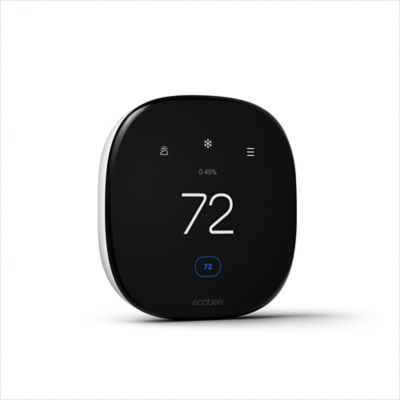
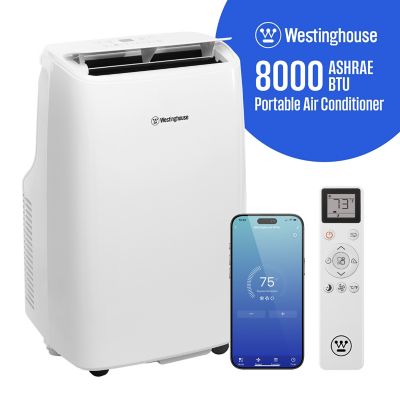
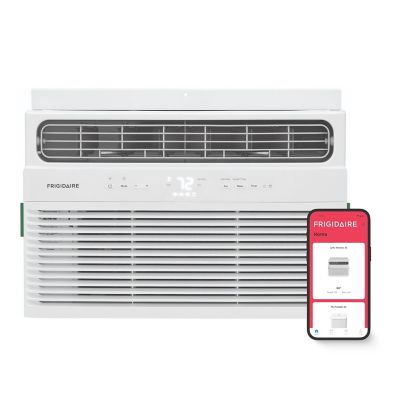
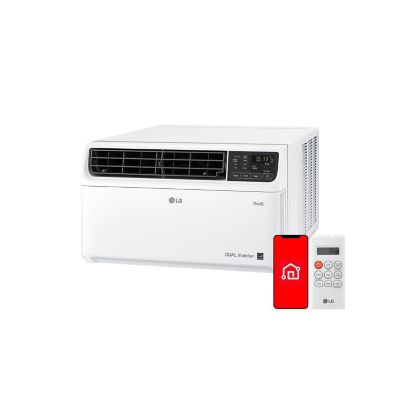
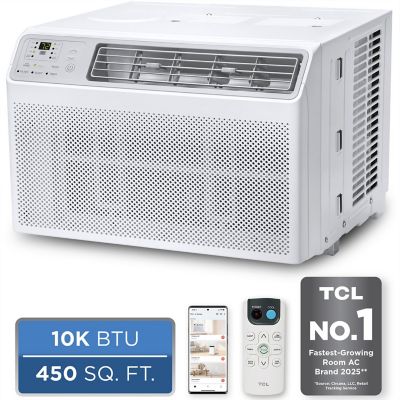
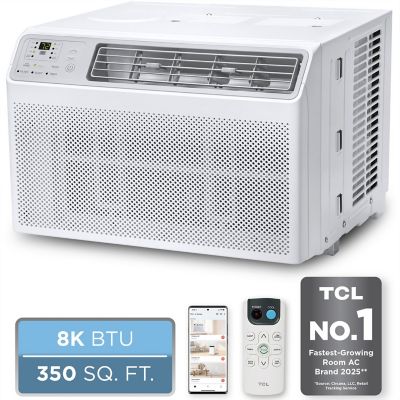
Smart HVAC systems bring heating, cooling, ventilation, and home monitoring together through connected controls, sensors, and automation. At the center of many setups is a smart thermostat that connects to Wi-Fi and lets you adjust indoor temperatures from a phone, tablet, or compatible voice-control device. Instead of running heating or cooling at one fixed setting, the system can follow a schedule, recognize when the house is empty, and adjust output to help maintain a comfortable temperature without unnecessary run time. Depending on the equipment and controls involved, a smart HVAC setup may also include variable-speed heating or cooling equipment, zoning controls, smart vents, air-quality sensors, humidity monitors, filter-life alerts, and leak detection. These pieces can work together to provide a clearer picture of what is happening throughout the home. A sensor in a bedroom may help identify a hot or cold spot, while a humidity reading can point to a need for better ventilation or dehumidification. A notification about a dirty filter can help keep airflow moving before the system has to work harder. For a closer look at heating and cooling equipment, controls, and related home comfort supplies, browse
Hvac Products. Smart HVAC technology can be useful in a wide range of homes, from a small house with one central system to a larger property with separate zones, outbuildings, workshops, or rooms that warm and cool at different rates. It can also be helpful for households with changing schedules, older family members, pets, or livestock areas where dependable temperature and ventilation matter. Remote access is handy when you are away at work, traveling, or spending a long day outdoors and want to check the indoor temperature before heading home. During warmer weather, automated cooling can help keep the house from becoming stuffy, while during the cooler months, scheduling can provide a warm welcome without leaving the heat running at full strength all day.
Choosing smart HVAC equipment starts with matching the controls to the system already in place. Check whether your existing setup uses central heating and cooling, a heat pump, electric or gas equipment, radiant heat, or another configuration, since not every thermostat or sensor works with every system. Wiring is another important detail. Some smart thermostats need a common wire for steady power, while others may require an adapter or professional installation. If the home has multiple heating or cooling zones, look for controls that can manage each area separately rather than treating the whole house as one room. Equipment size, insulation, ductwork, window placement, and ceiling height all affect how well a smart system performs. A properly sized, efficient system with clean filters and sealed ducts will usually make better use of automation than an oversized or neglected setup. Consider the strength of the home’s Wi-Fi signal, the location of the thermostat, app compatibility, voice-control preferences, data settings, and the type of alerts you want to receive. Simple controls may suit someone who prefers a set schedule, while households with pets, shift workers, or rooms used at different times may appreciate occupancy sensing and room-by-room adjustments. Installation and electrical work should be handled according to the manufacturer’s requirements and local codes, especially when replacing major equipment or connecting high-voltage components. A smart system does not remove the need for routine care: replace filters at the appropriate interval, keep outdoor equipment clear of leaves and grass, check vents for obstructions, and have heating and cooling equipment inspected when needed. These small habits can help reduce strain, support steady airflow, and make alerts more useful. Smart HVAC controls can also make a thoughtful housewarming gift for someone settling into a new home, a practical upgrade for a parent who wants easier temperature management, or a helpful addition for a friend who is trying to keep an older home comfortable. For a gift, confirm the recipient’s HVAC type and wiring before purchasing, or choose a monitoring accessory that complements the system they already use. In a farmhouse, ranch house, garage apartment, or family home, the real value comes from comfort that feels more even, information that arrives before a minor issue becomes a major repair, and a system that quietly adjusts to the way people actually live. During the stretch from warm afternoons into crisp evenings, connected HVAC controls can help balance changing conditions while giving homeowners a convenient way to manage comfort, airflow, humidity, and energy use from wherever the day takes them.