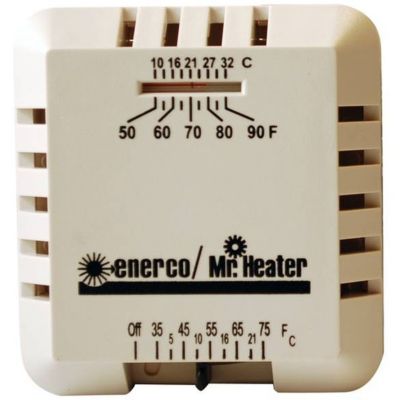
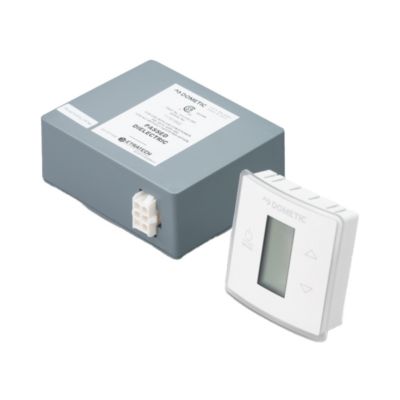
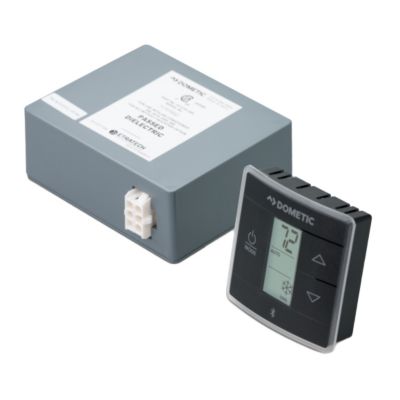
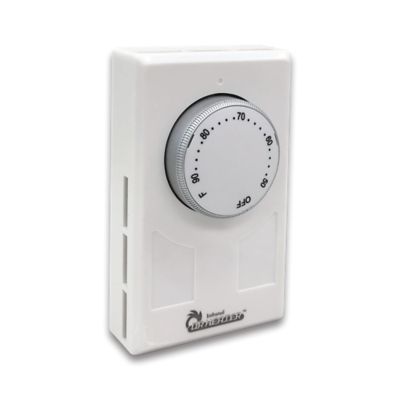
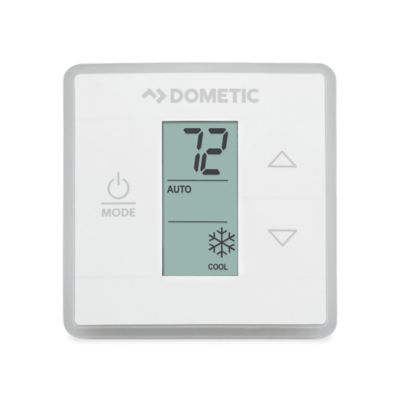
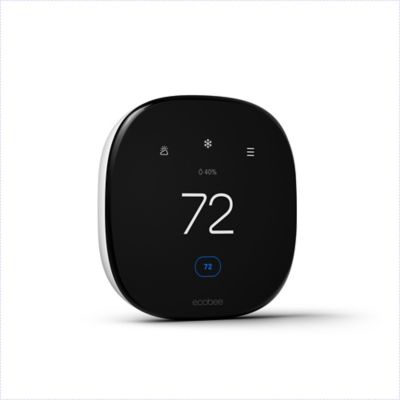
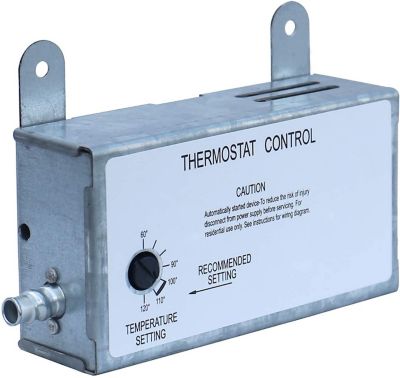
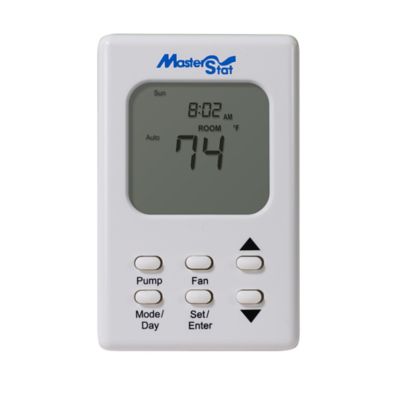
Thermostat controls regulate heating and cooling equipment by sensing the surrounding air and signaling the system when the temperature moves beyond a selected setting. In a home, that might mean starting a furnace before the kitchen feels chilly or calling for air conditioning when a living room gets too warm. The thermostat handles the signal; the connected equipment supplies the heating or cooling. Manual, programmable, and smart thermostats offer different ways to manage that process, with the right fit depending on the equipment, the household routine, and how much control someone wants away from home. Manual thermostats keep things straightforward with a dial, slider, or buttons for changing the setting by hand. They suit folks who prefer a simple display and do not need a daily schedule. Programmable thermostats allow different settings for sleeping hours, time away, and time at home, so a household can follow a familiar routine without making every adjustment at the wall. Depending on the model, schedules may cover the whole week, separate weekdays from weekends, or allow different settings each day. Smart Wi-Fi thermostats add connected features that may include phone access, temperature alerts, occupancy sensing, or voice control through compatible services. Those features can be handy when chores run long or a trip to town takes more time than planned, though app access depends on the model, its power supply, and a working network connection. Common operating modes include Heat, Cool, and Off, while some controls also offer automatic switching between heating and cooling. Fan settings are separate: Auto generally runs the blower when the system calls for it, while On generally keeps the blower running continuously on compatible equipment. Clear displays, readable numbers, and straightforward controls matter just as much as extra features, especially when several people in the household need to make adjustments. For a farmhouse kitchen, a family room, or a separate office, an interface that makes sense at a glance can keep everyday operation simple.
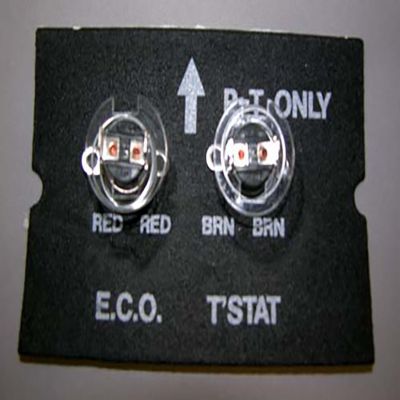
Equipment compatibility comes before appearance when comparing thermostat controls. Many central heating and cooling systems operate with low-voltage thermostats, commonly 24 volts, while some electric baseboard and wall heaters require line-voltage controls rated for the circuit and connected load. Those control types are not interchangeable. A thermostat intended for a conventional furnace and air conditioner may not support a heat pump, multiple heating stages, or auxiliary heat. Heat pump systems can require specific connections and settings for the reversing valve and backup heat, so matching the control to the system specifications matters more than matching the look of the old wall unit. Wiring requirements also vary. Some electronic controls run on batteries, some draw power from the heating and cooling system, and others need a common wire, often called a C-wire, to supply continuous power. Wire color alone does not establish compatibility; terminal labels, equipment documentation, and the thermostat's wiring requirements provide the necessary details. Professional installation is a sensible choice when the wiring is unclear, the system has several stages, or line voltage is involved. Physical fit deserves attention, too. The housing dimensions, mounting arrangement, and any backplate affect how the control sits over an existing wall opening. Molded plastic enclosures are common for indoor wall controls, but a household thermostat is not automatically suited to a dusty shop, damp utility area, or washdown space. Intended location and environmental ratings help establish whether a control belongs in that setting. Sensor placement also affects performance: direct sunlight, a nearby supply vent, drafts, or heat from an appliance can influence the reading without reflecting the rest of the room. Some compatible systems support remote room sensors, which may help account for a bedroom or living area away from the main thermostat. Large buttons, a backlit screen, and easy-to-read status indicators can be especially helpful in a dim hallway or for anyone who would rather see a plain setting than work through several menus.
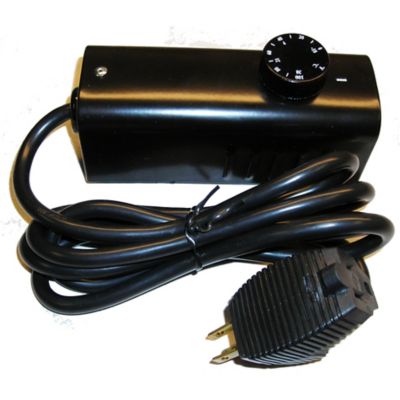
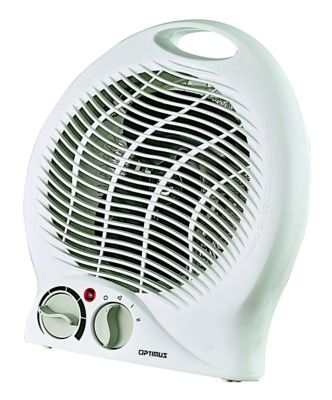
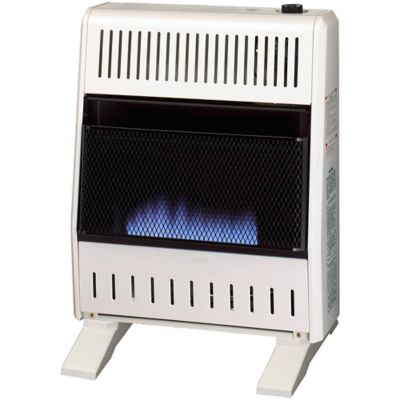
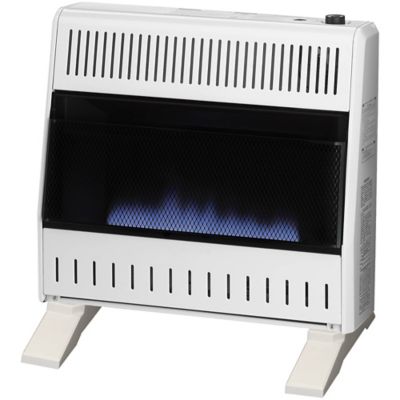
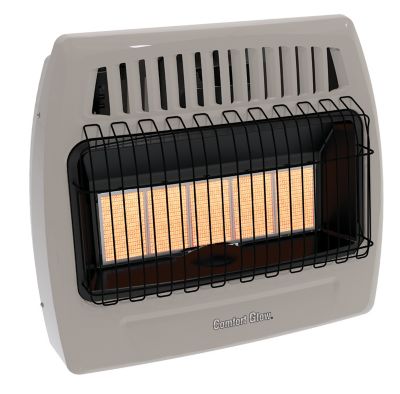
Thermostat controls can serve spaces beyond the main living area, but the heating equipment and the room's intended use set the limits. A workshop where someone spends several hours repairing fence tools has different needs from a seldom-occupied storage building, and neither should be treated as an automatic match for a household wall thermostat. Plug-in temperature controllers, remote-sensor controls, and equipment-specific thermostats may serve particular applications when their voltage, amperage, switching capacity, and operating range match the connected appliance. A plug-in controller does not make every portable heater suitable for unattended operation, and a thermostat cannot replace an appliance's required safety features. For spaces where propane heat is appropriate,
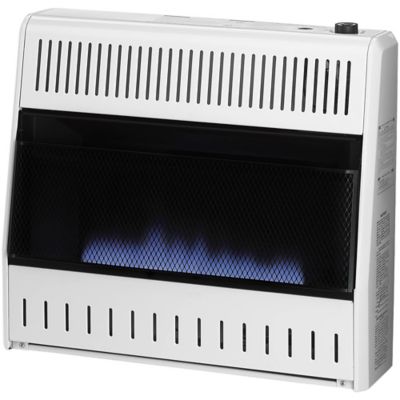
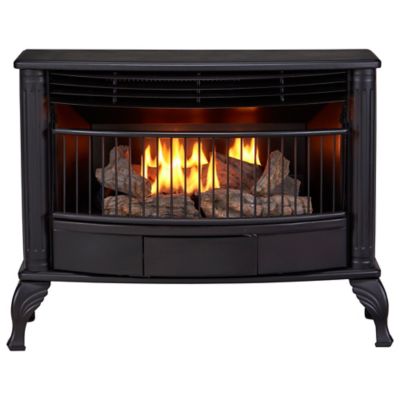
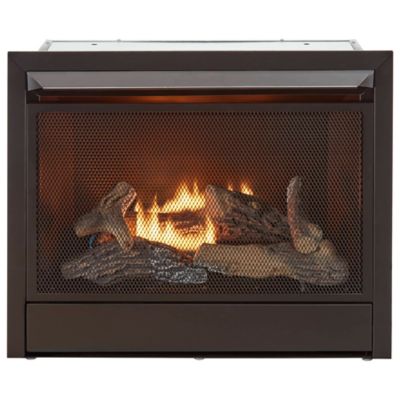
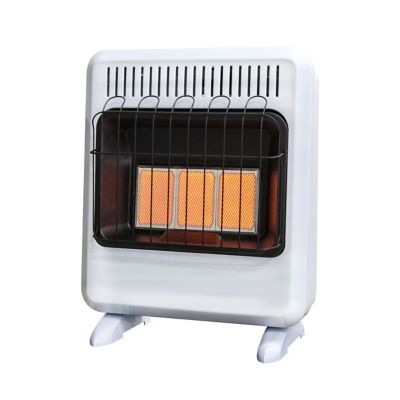
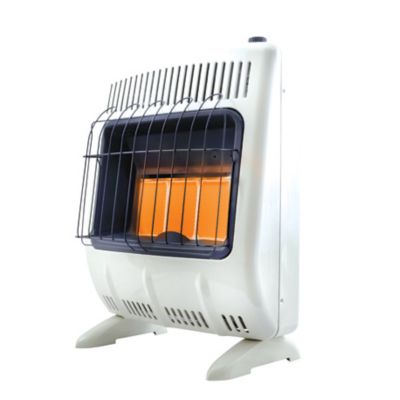
Thermostat Controlled Propane Heaters are a related category to consider alongside the heater's ventilation requirements, location restrictions, and operating instructions. Thermostat operation does not change whether a fuel-burning heater is approved for indoor use, nor does it remove requirements for clearances, ventilation, or carbon monoxide protection. Controls for homes, shops, and other buildings also benefit from ordinary care that keeps the display, buttons, and sensing openings free of dust. Cleaning methods should follow the manufacturer's directions, since moisture and cleaning sprays can damage electronics. Battery-powered controls need fresh batteries when indicated, and connected models depend on suitable power and network service for their online features. Temperature alerts can provide useful notice, but they are not a substitute for checking on a property or maintaining its heating system. A thermostat also cannot make an undersized heater produce more heat or fix uneven airflow through a building. Its job is to manage compatible equipment within the limits of that system. Whether the priority is a plain dial for everyday adjustments, scheduled settings around work and chores, or remote access while away, a good match brings together the right electrical specifications, practical controls, and features that fit the way the space is occupied.