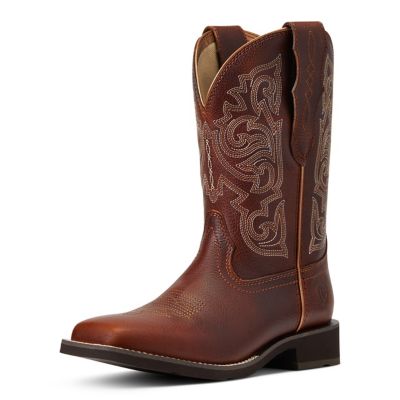
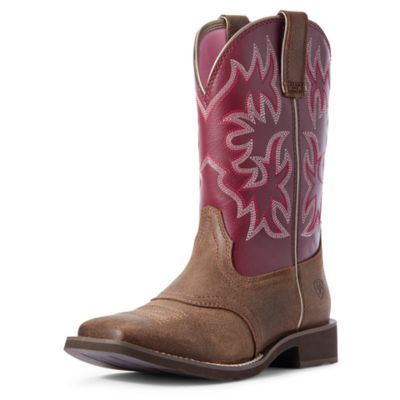
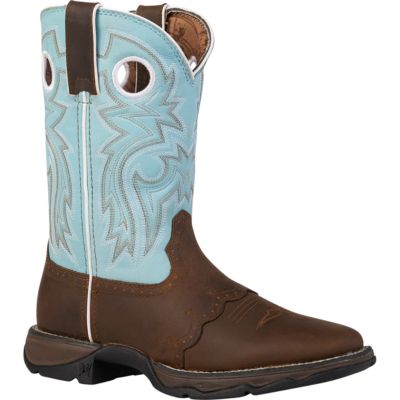
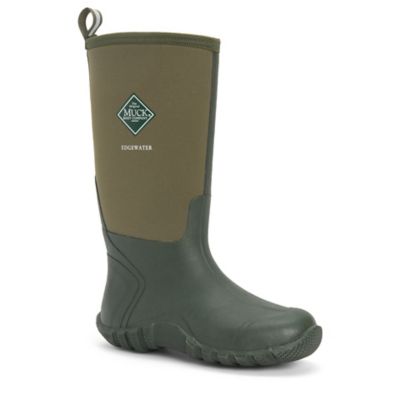
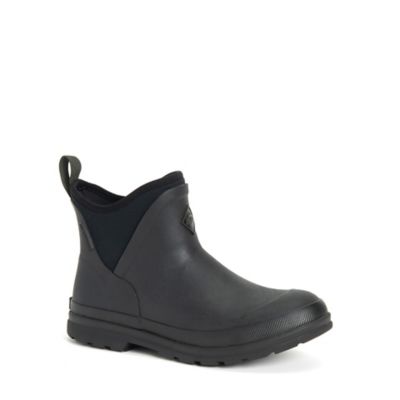
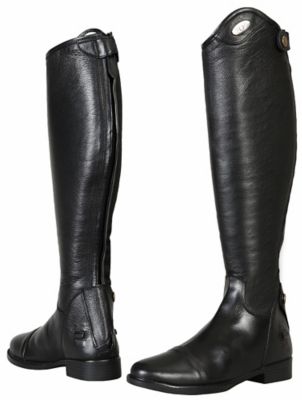
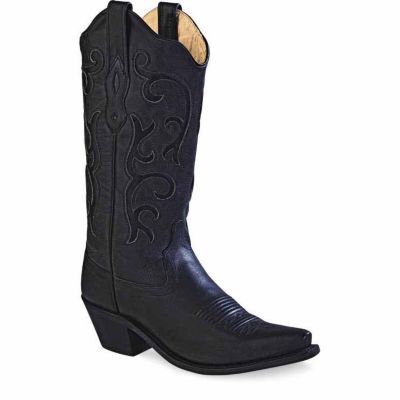
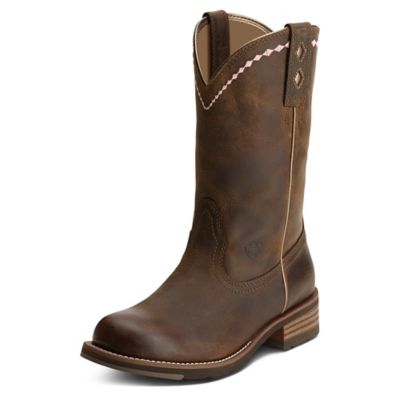
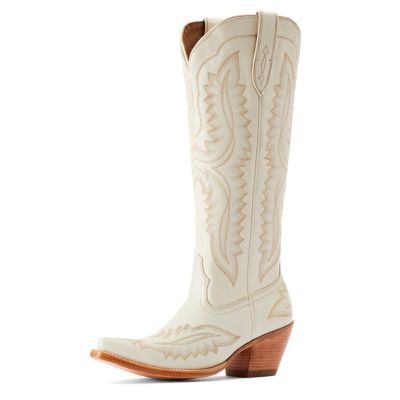
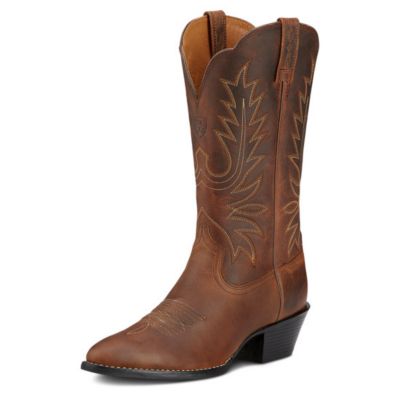
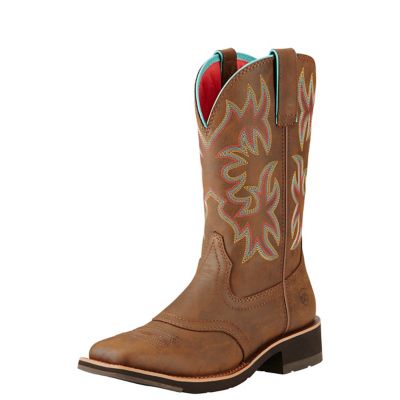
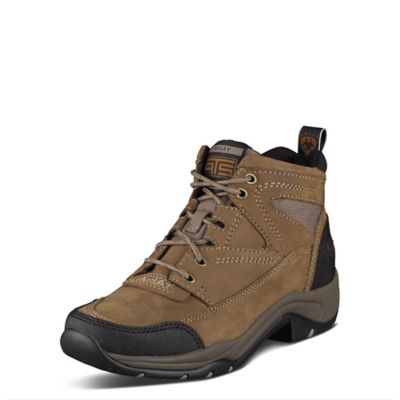
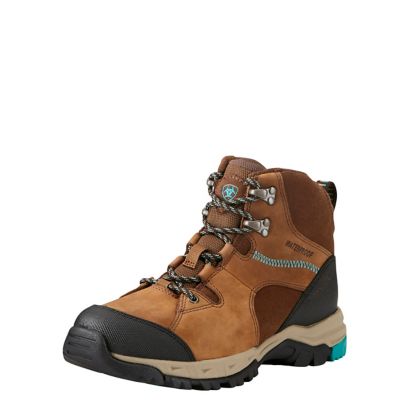
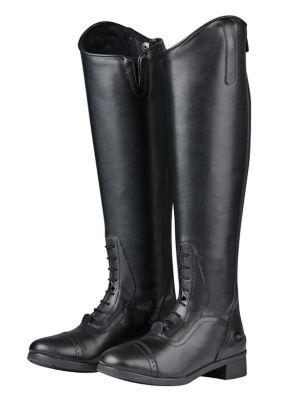
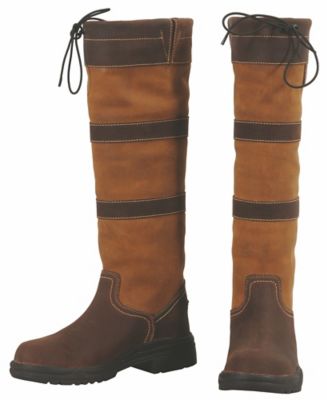
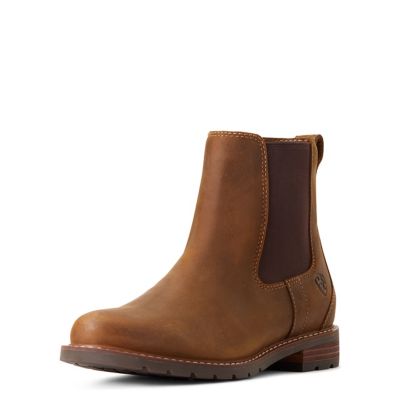
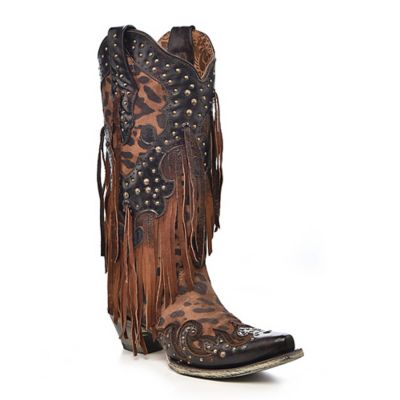
Wide calf boots for women offer more room around the lower leg without requiring a larger foot size. That extra space can make a difference for women with fuller calves, muscular legs or a preference for tucking jeans into taller footwear. A wide calf describes the boot shaft, while a wide width describes the fit around the foot; the two features are separate, and a boot may have one without the other. There is no single calf measurement that defines every wide calf boot, so the listed shaft circumference matters more than the label alone. Circumference can also change with shoe size, and shaft height determines where the opening sits on the leg. A mid-calf style and a knee-high style may feel quite different even when their listed opening measurements match. The most helpful comparison is between the boot’s measurements and the wearer’s calf at the same height, with room for the clothing that will go underneath. A comfortable shaft should close without a struggle and allow sitting, walking and bending without pinching behind the knee or pressing hard against the calf. At the same time, more space is not always better: an opening that gapes farther than intended can let the shaft shift or rub with each step. Women’s wide calf boots span western-inspired silhouettes, simple pull-on shapes and zippered tall styles, giving shoppers different ways to balance legroom with the look they want. Some suit jeans and a tucked-in shirt for a trip into town, while others pair naturally with a skirt or dress for supper out. For shoppers comparing shaft heights as well as calf room,
Women's Tall Boots offers another place to consider taller silhouettes. The distinction is worth keeping in mind: a tall boot describes height, not necessarily a roomier calf opening.
Materials and construction influence how a wide calf boot feels, moves and holds its shape over time. Leather often starts out more structured and gradually softens where the foot and ankle bend, though that softening should not be counted on to fix a shaft that is too tight. Smooth leather has a different care routine from suede or other brushed finishes, which need tools and treatments suited to their surface. Synthetic uppers can offer a consistent finish and straightforward wipe-down care, but their flexibility varies with the material and construction. Stretch panels add give in selected areas, while adjustable buckles or laces may allow the opening to be fine-tuned within a limited range. A buckle is not always functional, so the closure details deserve a closer look. Full-length zippers can make getting dressed easier when a pull-on shaft is awkward to manage, especially with jeans tucked in. Interior zipper guards and smooth linings help keep hardware and seams from rubbing against socks or skin. Underfoot, cushioning, arch shape and the flexibility of the sole all contribute to comfort, but a soft footbed cannot make up for a cramped toe box or a heel that slides excessively. Pointed, round and square toe shapes create different outlines and can feel different across the forefoot, depending on the boot’s construction. Heel height also affects how weight sits over the foot. A lower, broad heel may feel steadier for someone spending time on their feet, while a taller heel changes both posture and stride. The practical fit is one that leaves the toes room to settle naturally, supports the foot without squeezing and keeps the ankle from feeling trapped. Wide calf sizing is only one part of that balance; foot width, instep height and room for the intended socks matter just as much.
Intended use helps narrow down which features earn their keep. A pair chosen for a desk job, errands and an evening at the county fair has different demands from footwear meant for chores around a barn. For everyday walking, a manageable boot weight, a stable heel and a sole that bends comfortably at the forefoot can matter more than bold stitching or a tall shaft. Outsole tread affects footing, but appearance alone does not establish slip resistance or suitability for workplace hazards. Boots worn around machinery, livestock or a jobsite need features appropriate to those tasks, and a western shape by itself does not make a boot work-rated or suitable for riding. Where those uses matter, the stated specifications should support them. Construction details such as secure stitching, firmly attached soles and reinforcement around pull tabs can also influence how well boots stand up to repeated wear. A little routine care helps preserve both appearance and structure. Dirt left along seams and sole edges can be abrasive, so removing it with a suitable brush or cloth is worthwhile before putting boots away. Leather conditioner should match the leather finish, and suede calls for a different approach rather than an all-purpose treatment. Zippers work best when the surrounding material is clear of trapped fabric and loose grit; forcing a zipper against a tight shaft puts unnecessary strain on the closure. Storing tall boots upright with shaft support helps limit deep folds, while letting the lining air out between wears keeps the inside more pleasant. Wide calf boots can also be a thoughtful gift for a woman who enjoys taller footwear but has had trouble finding enough room through the leg. Shoe size alone is not enough for that choice, making her preferred calf measurement, shaft height and foot width especially helpful. Whether the goal is an everyday pair for town or a polished finish for a favorite dress, the right match brings together comfortable legroom, a well-fitting foot and materials that suit the way the boots will be worn.