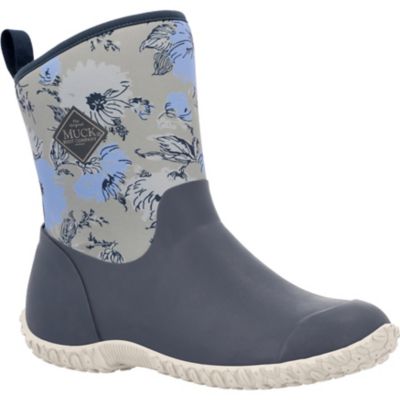
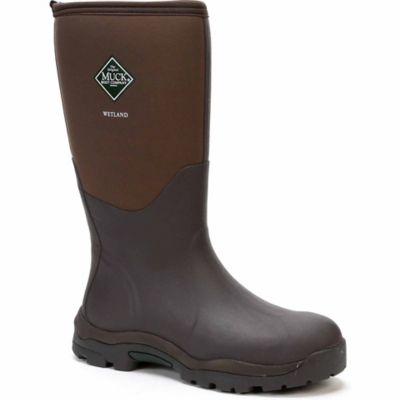
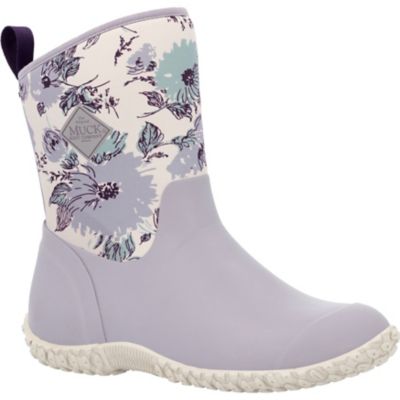
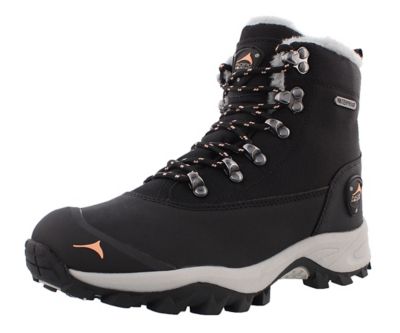
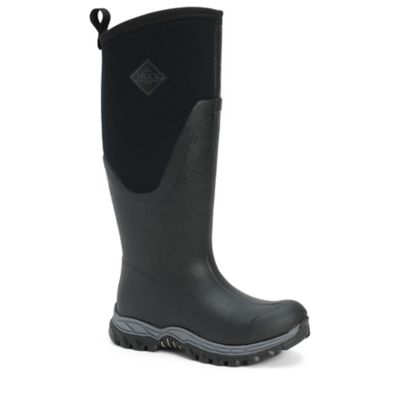
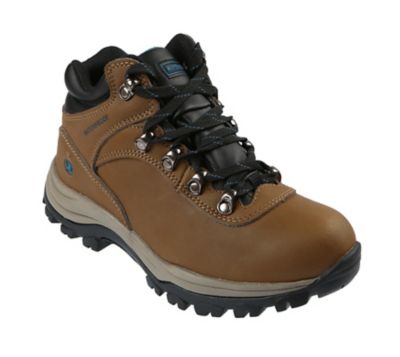
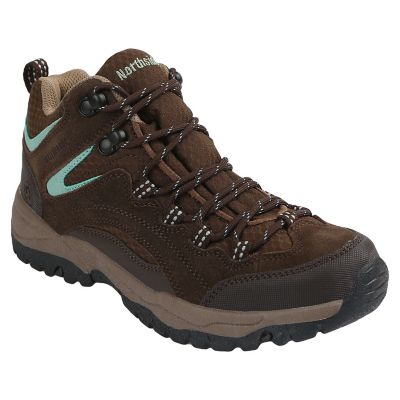
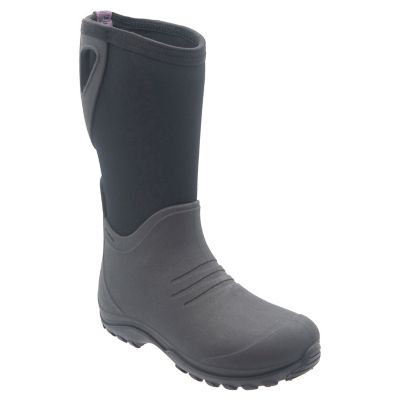
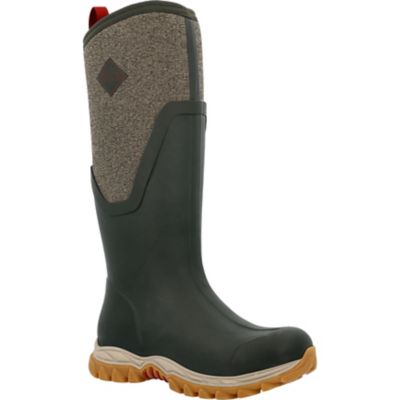
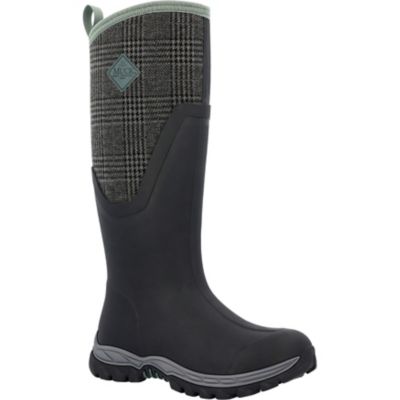
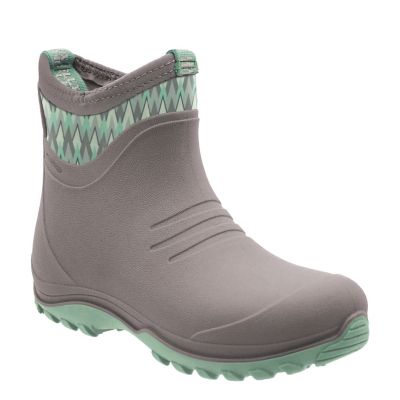
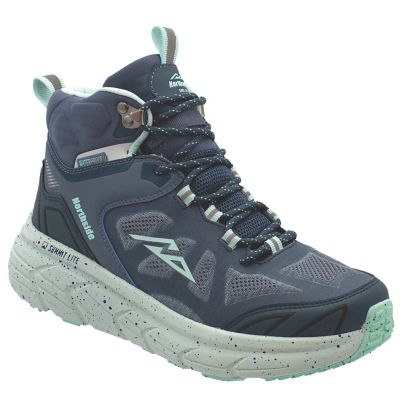
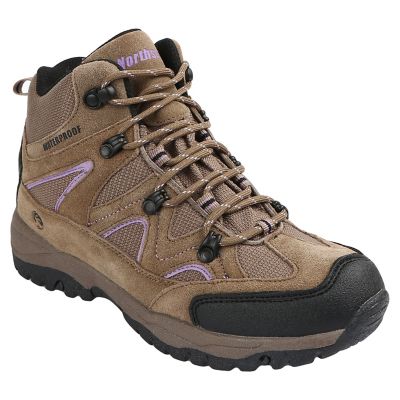
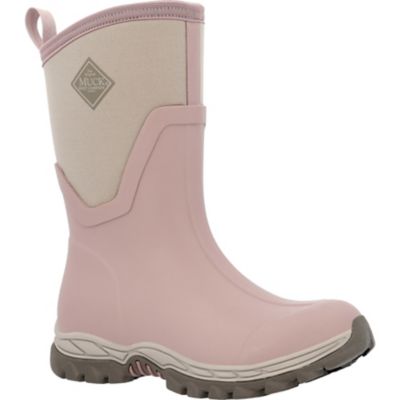
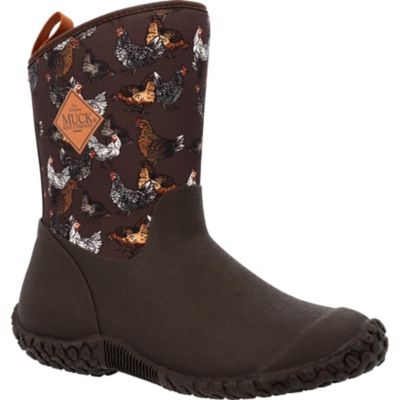
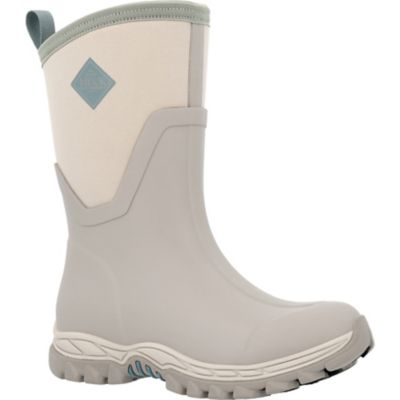
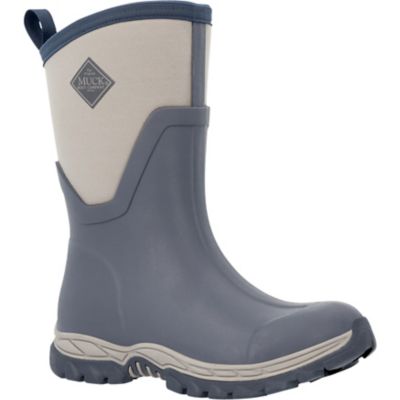
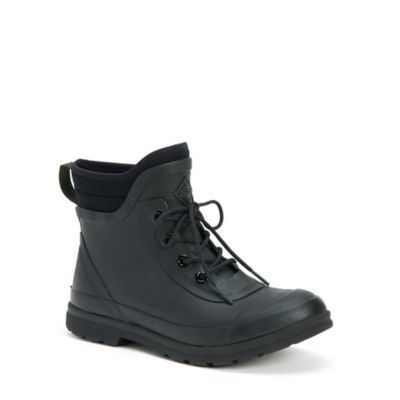
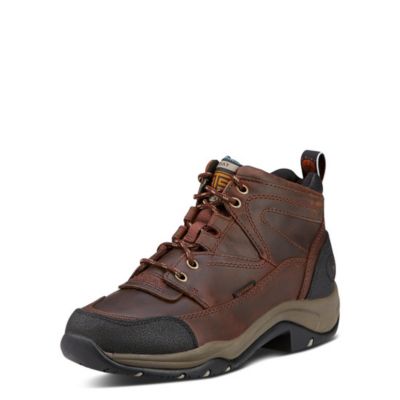
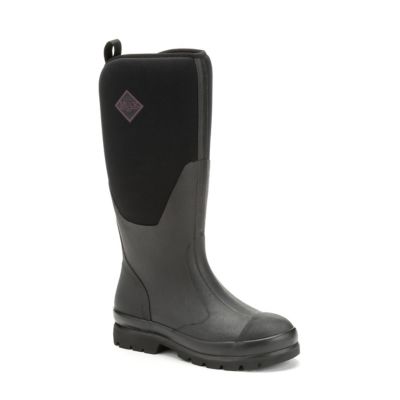
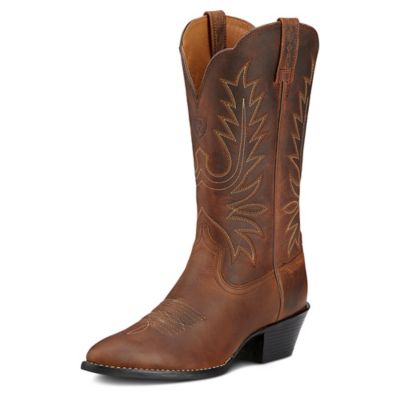
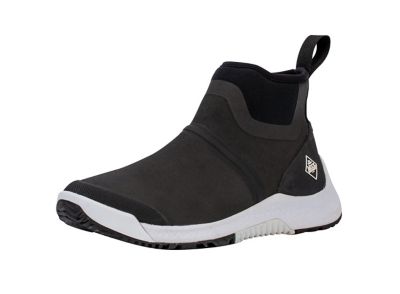
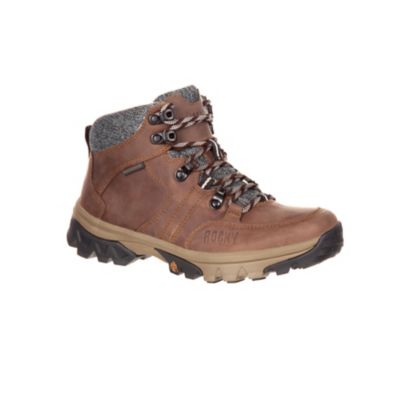
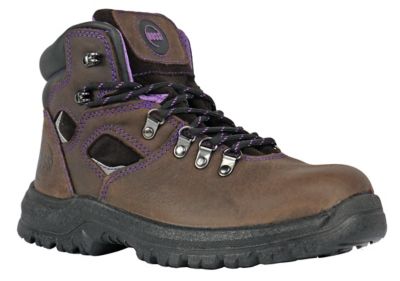
Outdoor boots for women bring together foot coverage, underfoot traction, and support for everything from feeding time to a walk beyond the back fence. The right construction depends on where those steps lead. Barn aisles, gravel drives, wooded trails, and muddy gates each put different demands on a pair of boots, so an easy-clean chore boot serves a different purpose than a lace-up built for miles on uneven ground. Full-grain leather offers a substantial feel and stands up well to scuffs when properly cared for. Suede and nubuck have a softer, textured surface that calls for cleaning products suited to the finish. Textile panels and synthetic uppers can reduce weight and make a boot feel more flexible, while rubber uppers put easy cleanup and protection from splashes front and center. Material alone does not tell the whole story, though. Stitching, sole attachment, toe reinforcement, and the way the upper bends all influence how a boot handles regular wear. Waterproof construction can help keep water from reaching socks through the upper and seams, but water-resistant leather is not the same thing as a waterproof boot. Water can still enter over the collar, and a breathable lining cannot keep feet completely free of perspiration during a long stretch of activity. Boot height matters, too. An ankle-height design gives coverage without much material around the lower leg, while a taller shaft offers more coverage through grass and mud. Lace-up styles allow adjustments across the foot and around the ankle; pull-on styles make it simpler to head out the door when there are animals waiting. Neither design suits every task. A woman checking fence on foot may value a secure heel and flexible stride, while someone moving between a wash rack and feed room may care more about a smooth exterior that rinses clean. Those everyday details matter more than a rugged appearance alone.
Comfort starts with a fit that stays comfortable past the first few steps. Women's outdoor boots should leave enough room for toes to spread without allowing the foot to slide forward on a downhill stretch. The heel should feel secure, with no persistent rubbing, and the widest part of the foot should sit comfortably within the boot rather than pressing against its edges. Width and instep shape matter just as much as the size printed inside. A roomy toe box does not necessarily mean a loose heel, and a taller shaft does not automatically provide better ankle support. Trying boots with the socks intended for chores or trail walks gives a better sense of the space inside, especially when an orthotic or replacement footbed will be part of the setup. Removable insoles can make that adjustment easier, provided the change does not crowd the toes or lift the heel too high. Leather may soften with wear, but break-in time should not be expected to fix pinching, numbness, or a boot that is too short. Underfoot construction also shapes the feel of a long day. Cushioned midsoles help soften repeated steps, while firmer platforms and supportive shanks can reduce how much uneven ground is felt beneath the foot. More cushioning is not always better when steady footing matters. A flexible forefoot helps with a natural walking motion, while a more structured sole may feel better when carrying feed or crossing rocky ground. Outsole design deserves the same attention. Spaced lugs can shed mud more readily than tightly packed tread, while the rubber compound and contact area influence grip on hard surfaces. No tread pattern guarantees traction on every surface, and mud packed into the sole can change how it grips. For work that requires protective footwear, the stated safety rating matters; a reinforced-looking toe is not necessarily a safety toe. Matching those details to the job keeps the focus on function rather than looks.
Regular care helps women's outdoor boots hold their shape and stay ready for another trip down the lane. Dirt left along seams and folds can work against the material as it flexes, so brushing away loose grit is a useful habit after a long walk or a round of chores. Mud is easier to remove before it becomes a hard crust, but soaking an entire boot is not the answer for every material. Leather, suede, textiles, and rubber each have their own cleaning needs, and the maker's care directions take priority. Smooth leather may benefit from a compatible conditioner, while suede and nubuck generally need products made for their textured surfaces. Rubber should be cleaned without treatments that could damage the material. Removable footbeds can be taken out for drying when the care directions allow, and boots should air-dry away from direct heat. Setting them beside a heater or forcing the drying process can affect leather, adhesives, and other components. A quick check of the tread, seams, laces, and sole edges helps catch wear before a loose lace or separating outsole interrupts the day. Compressed cushioning, uneven heel wear, and recurring leaks are also worth paying attention to, even when the upper still looks presentable. Color and finish can fit into the decision without taking over: darker shades pair easily with work pants and trail clothing, and
black hiking boots for women offer a straightforward look for walks, campground paths, and trips into town. Outdoor boots can also make a thoughtful gift for a woman who tends livestock, walks her property, or would rather spend a free afternoon on a trail. Her usual activities, preferred boot height, foot width, and sock choice are better starting points than appearance alone. A pair that fits her routine has a place by the door, whether the next stop is the chicken coop, the equipment shed, or a path through the woods.