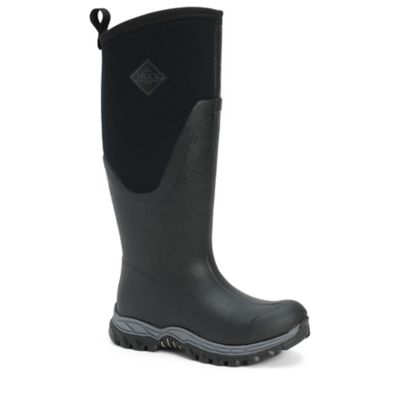
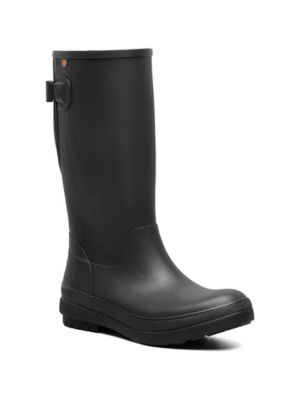
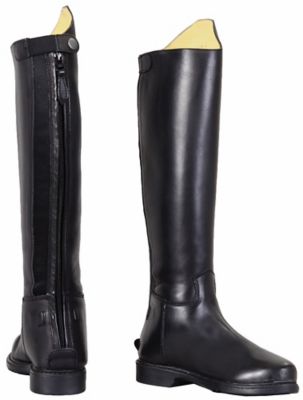
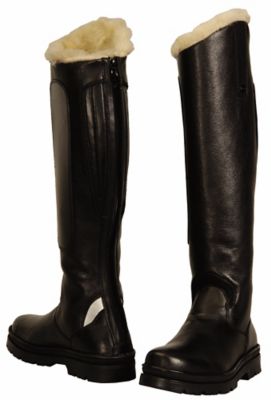
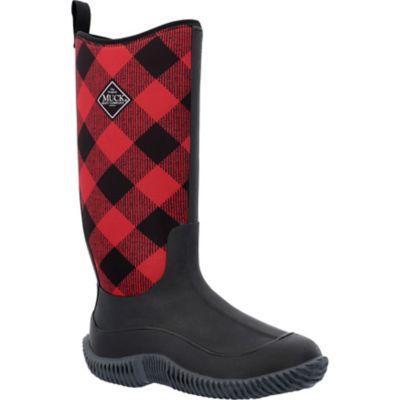
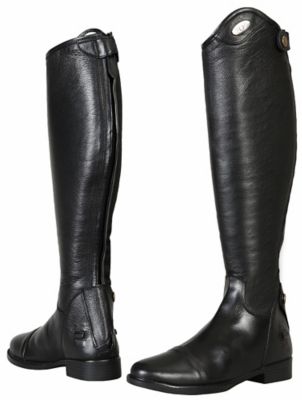
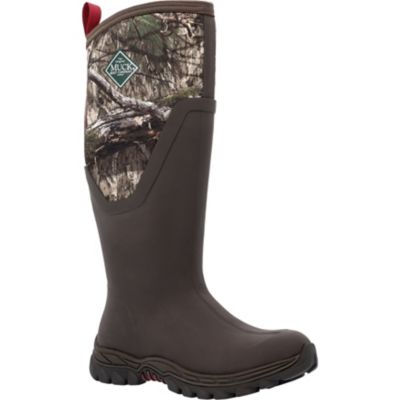
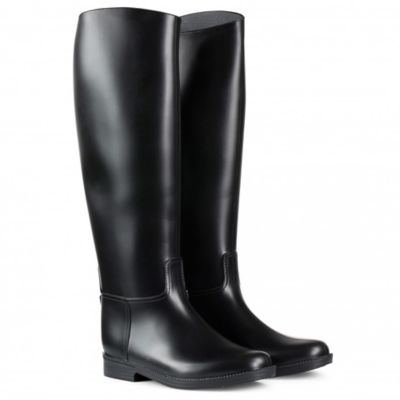
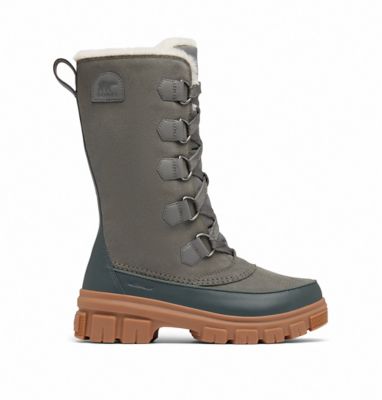
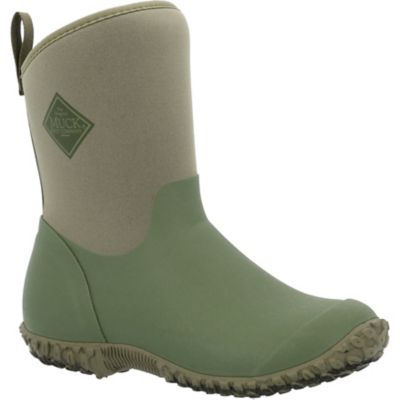
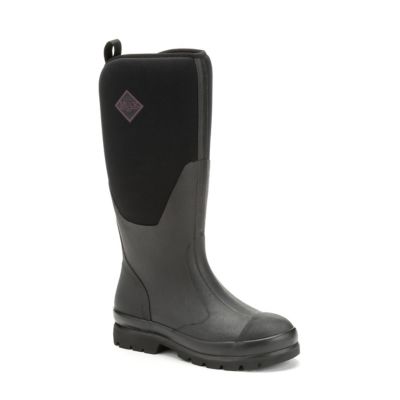
Boots for tall women bring together everyday comfort, a good fit through the leg and proportions that feel right with the rest of an outfit. Being tall does not automatically mean having a larger shoe size or a wider calf, and a tall woman does not have to wear a tall boot. Ankle boots, mid-calf styles, knee-high boots and over-the-knee silhouettes can all have a place in the lineup. The difference comes down to where the shaft ends on the leg, how much room it leaves around the calf and what the day has in store. Knee-high boots generally reach just below the knee, while over-the-knee styles extend above it; on longer legs, the same shaft measurement may land lower than expected. Riding-inspired boots often have a straighter shaft and a low heel, giving them a clean look with tucked-in pants or a simple dress. Western boots bring shaped shafts, stitched details and toe profiles ranging from rounded to square or pointed. Ankle boots leave more of the leg uncovered and pair easily with straight-leg jeans, while taller shafts create a longer line under skirts and dresses. Heel height is a matter of preference and purpose, not a rule tied to the wearer’s height. A flat or low-heeled boot keeps the feel easygoing, and a block heel adds lift with a broader base than a slender heel. For a woman heading from a gravel driveway to a day in town, the outsole and underfoot cushioning can matter just as much as the silhouette. Boots that look at home with denim can also dress up with a skirt and a tucked-in shirt. The right balance is personal: some women want a close-fitting shaft, while others like a little room and a relaxed outline. Taller shoppers benefit from looking beyond labels such as “tall” or “knee-high,” since those names describe the boot’s shape rather than guarantee where it will sit on every leg.
Fit starts at the foot, even when shaft height is the main attraction. There should be room for the toes without the foot sliding forward, and the widest part of the foot should line up comfortably with the widest part of the boot. A pointed toe may extend beyond the toes by design, so extra space at the very tip does not necessarily mean the size is wrong. Foot width, instep height and heel hold all affect comfort, especially during long stretches of standing or walking. Pull-on boots can allow some initial heel movement, depending on their construction, but rubbing, pinching or a foot that shifts around calls for a closer look at the fit. Through the leg, shaft height and calf circumference answer two different questions: how far the boot reaches and how much space it provides around the calf. Neither measurement can be worked out from a woman’s height alone. Published shaft measurements also depend on the measuring method and sometimes the shoe size, making size-specific details helpful when comparing shapes. A knee-high shaft should leave enough clearance behind the knee to sit comfortably without the top edge digging in. Calf room matters with clothing, too. A boot that fits over leggings may feel quite different over jeans, particularly where a seam or folded hem adds thickness. Narrow, standard, wide and extra-wide calf descriptions are useful starting points, but the actual circumference is more informative than the label by itself. Stretch panels can offer a little give, adjustable buckles may change the fit within a limited range, and side zippers can make getting boots on and off less of a chore. None of those features replaces the need for the right foot and leg measurements. Socks belong in the fit picture as well; a thicker pair takes up more space than a thin everyday sock. For gift shopping, knowing the recipient’s usual size, preferred width and calf measurements takes much of the guesswork out of choosing a tall-shaft style.
Materials and construction help determine how boots feel, how they wear and how much attention they need between outings. Leather can gradually soften and develop creases that follow the foot and ankle, though a painfully tight boot should not be counted on to stretch into a comfortable fit. Suede has a softer, textured surface that calls for a different cleaning approach than smooth leather. Synthetic uppers vary in flexibility and finish, and they may appeal to shoppers who prefer a nonleather option. Inside the boot, linings, seams and the shape of the footbed influence comfort throughout the day. Cushioning can soften the feel underfoot, while support depends on the whole boot rather than padding alone. Underneath, outsole material and tread deserve attention for the surfaces where the boots will spend their time. A smooth fashion sole serves a different purpose from a treaded work outsole, and a riding-inspired appearance does not by itself make a boot suitable for horseback riding. Actual riding or jobsite needs call for footwear designed for those tasks. For everyday wear, solid stitching, secure sole attachment and reinforcement in high-wear areas are useful details to consider. Care should match the material: loose dirt can often be brushed away, smooth leather may benefit from a compatible conditioner, and suede generally calls for a suede brush and products intended for that finish. Manufacturer care directions take priority, especially with treated surfaces or mixed materials. Boots keep their shape better when stored upright with shaft support rather than folded over in a heap, and giving each pair time to air out helps keep the inside fresh. Easy access matters, too; a zipper or pull tab can make a tall shaft simpler to manage before heading out the door. For shoppers with a separate seasonal footwear need,
Women's Tall Winter Boots offers a more focused place to browse. Whether the goal is an everyday pair for town, a Western look for evenings out or a taller silhouette to wear with dresses, comfort and leg proportions belong alongside material and style in the decision.