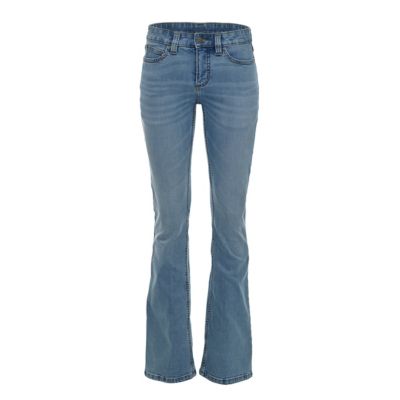
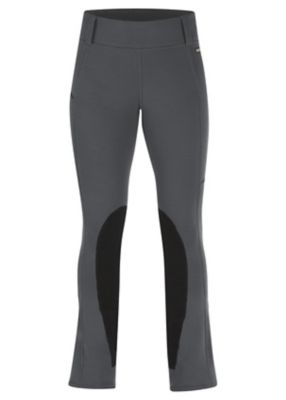
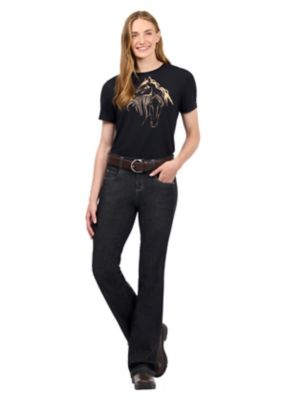
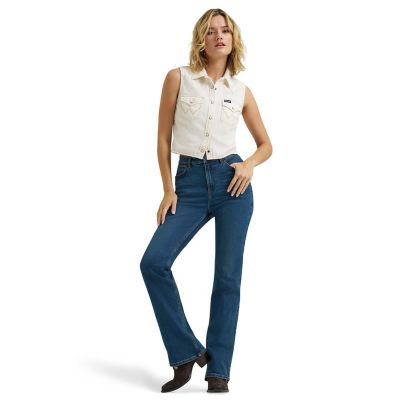
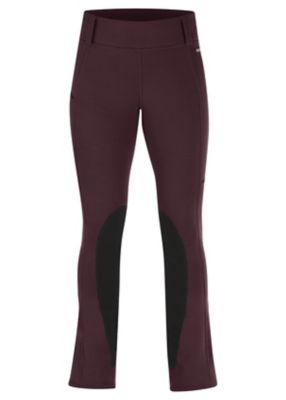
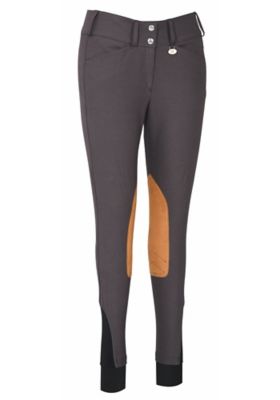
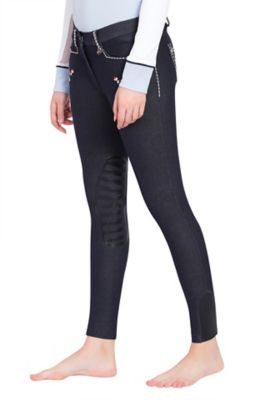
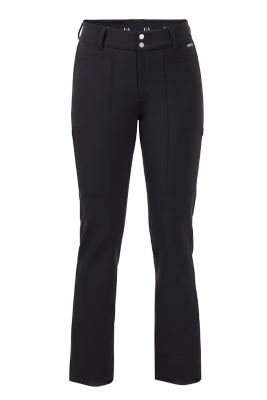
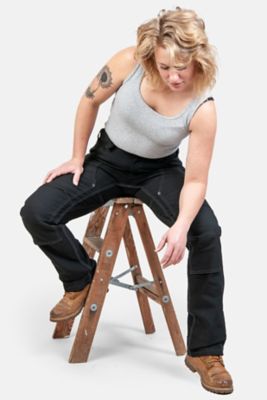
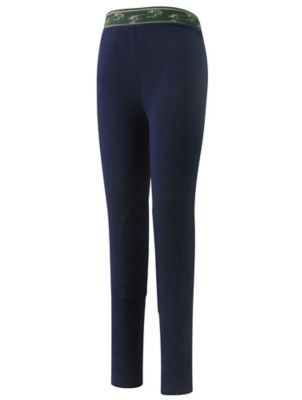
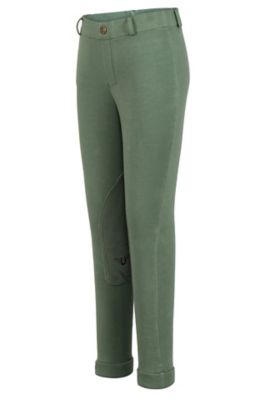
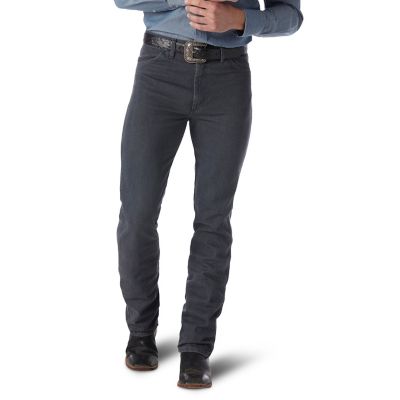
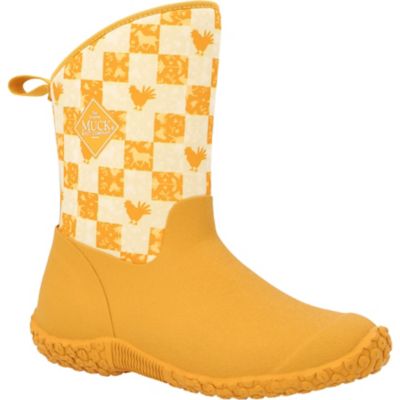
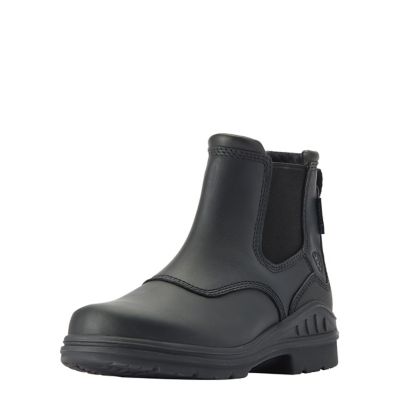
Women’s pants for boots include bootcut, flare, kick-boot and straight-leg styles, with the best match depending on the leg opening, inseam and shape of the boot shaft. Bootcut pants widen gently below the knee, leaving room for western boots without adding much extra fabric through the thigh. Flare pants have a more pronounced opening and bring a fuller silhouette to outfits built around pointed toes, stitched leather shafts and taller heels. Kick-boot styles generally have a smaller flare and a shorter hem, making them a natural match for ankle boots when a little space above the foot is part of the look. Straight-leg pants can work over narrower boot shafts, while slim pants may fit inside tall boots without much bunching. Each cut has its place, whether the day means checking fence, heading to the feed store or meeting friends for supper. For pants worn over boots, enough room at the calf helps the fabric fall smoothly instead of catching on the shaft. The hem also needs to work with the heel: a length that clears the ground in a walking boot may look different with a higher western heel. Full-length pants generally look neat when they cover part of the boot without dragging underfoot, while cropped cuts leave more of the footwear showing. Rise makes a difference, too. Mid-rise pants sit below the natural waist, while high-rise cuts offer more coverage through bending, reaching and sitting. A contoured waistband can help reduce gaps at the back, especially on a pair with more room through the hips and thighs. The overall balance matters more than the cut name alone, since two pairs labeled bootcut can have noticeably different knee shapes, openings and inseams. That range gives women room to find pants that feel at home with both their boots and their daily routine.
Fabric and construction give women’s boot-friendly pants much of their everyday character. Cotton denim has the familiar texture and structure associated with jeans, with heavier fabrics often feeling firmer and lighter fabrics tending to drape more easily. Denim with a small amount of elastane or another stretch fiber can allow more movement when climbing into a truck, crouching beside a garden bed or stepping across uneven ground. Fabric recovery matters alongside stretch: pants that return toward their original shape are less likely to feel loose at the knees after hours of wear. Rigid denim has a different appeal, with a structured feel that gradually softens through wear and washing. Twill and canvas offer alternatives to denim, including smoother surfaces and work-oriented fabrics suited to chores around the property. Reinforced seams, bar tacks at pocket corners and substantial belt loops are construction details worth noticing where clothing gets pulled, rubbed and put through repeated movement. Pocket placement affects comfort as well as appearance. Front pockets need enough depth for small essentials without making the hip feel crowded, while back pockets should sit comfortably when driving or spending time in a saddle. For riding, smooth inner-leg seams and a waistband that stays comfortable while seated can make a noticeable difference; suitability still depends on the pants, boots and type of riding. For hands-on work, room through the seat and thigh helps keep a boot-friendly cut from feeling restrictive above the knee. Dark washes and plain finishes can move easily from chores to casual plans, while faded washes bring a more relaxed feel. Stitching, pocket shape and hardware add character without changing the basic job of the pants. A pair intended for long stretches of movement has different demands than one worn mainly for an evening out, even when both have the same flare at the hem.
Fit, length and care all play a part in how women’s pants settle around boots over time. Waist, hip and inseam measurements give a better starting point than a size label alone, since cuts can vary in the seat, thigh and rise. Petite, regular, tall and plus-size proportions may also change where the knee narrows and where the flare begins, not just the overall length. The boots worn most often are part of that fit picture. A wide western shaft needs more clearance than a close-fitting ankle boot, and a broad work-boot toe can look crowded beneath a narrow opening. Trying pants with the intended boots makes the hem’s resting point easier to judge, along with any catching at the calf or pulling across the knee. Sitting and taking a few full steps reveal details that standing still can miss. Care requirements depend on the fabric blend and finish, so the garment label remains the place to check washing and drying directions. Turning denim inside out can help limit surface rubbing in the wash, and fastening closures can reduce snagging against other clothing. Cotton-rich fabrics may shrink with heat, while stretch blends can lose some of their shape when care directions are overlooked. A hem that repeatedly scrapes the ground will also wear faster, making the right inseam useful for more than appearance. Women who spend their days around horses, livestock, shops or acreage may appreciate pants that leave room to move, while others want an easy match for boots worn to errands, gatherings and evenings in town. As a gift, boot-friendly pants make the most sense when the recipient’s preferred rise, size and inseam are known. Households shopping for more than one person can also browse
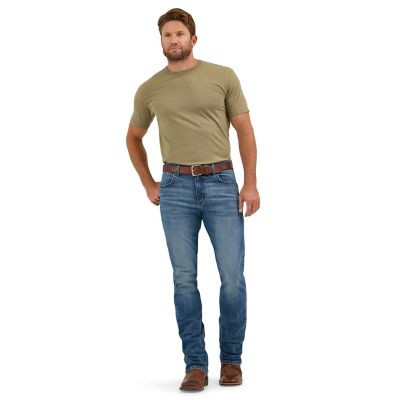
Men's Jeans for Boots. Across different cuts and fabrics, the aim stays straightforward: comfortable movement, a hem that sits right and enough room for the boots that go with everyday life.