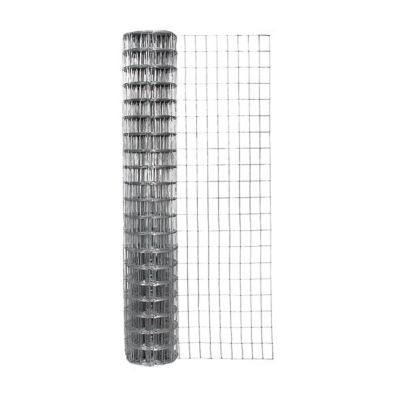
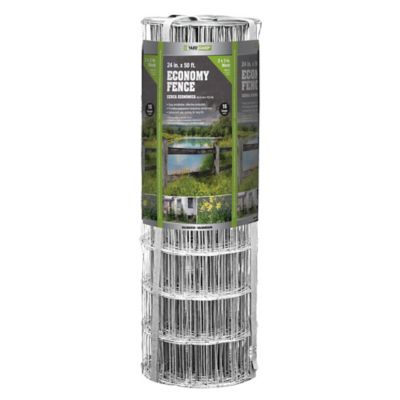
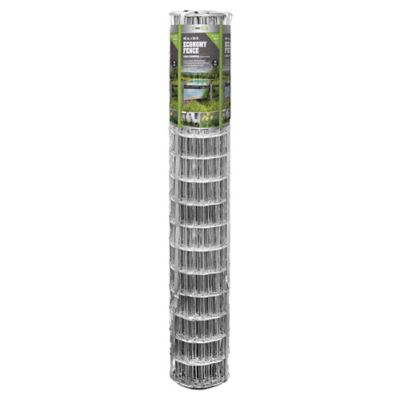
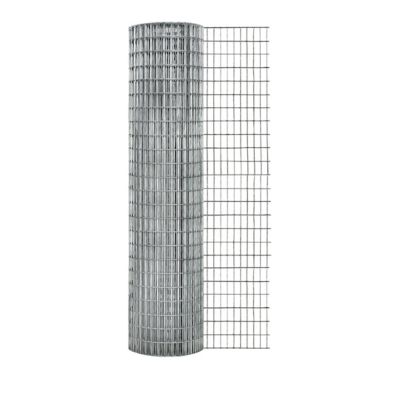
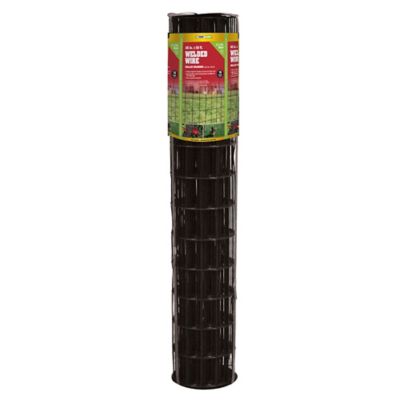
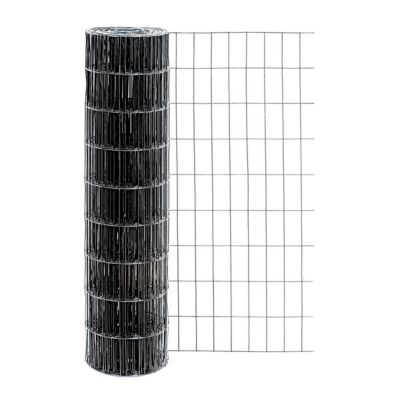
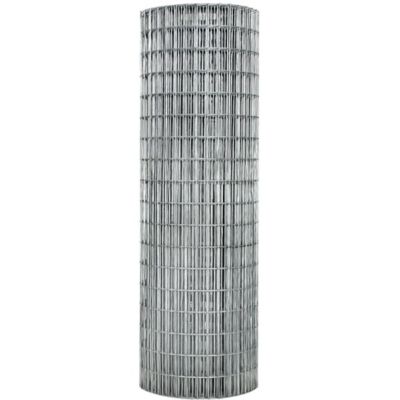
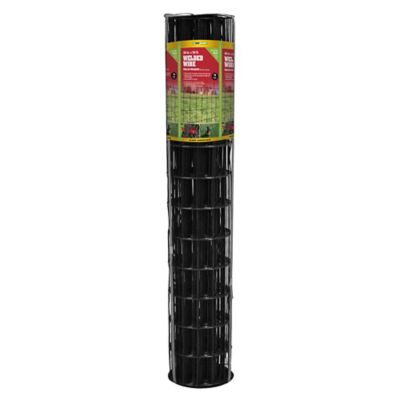
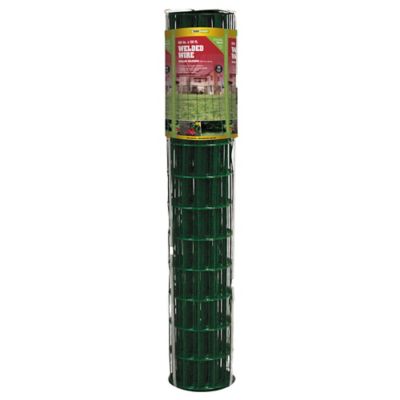
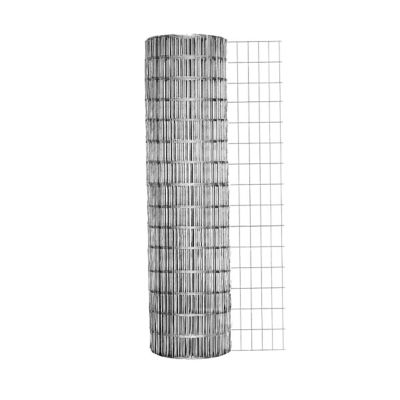
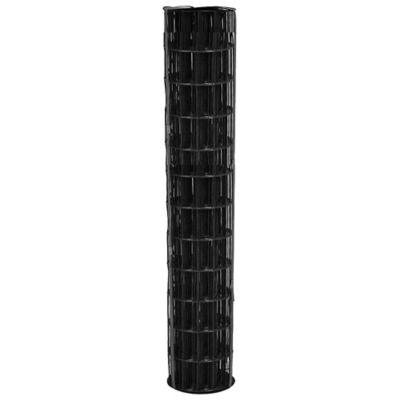
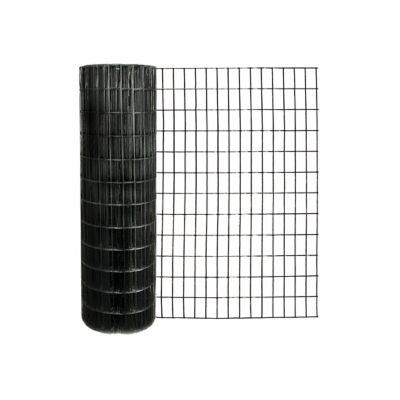
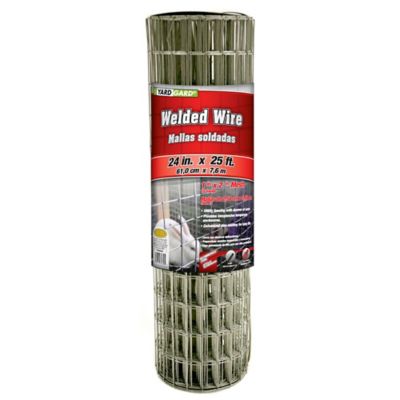
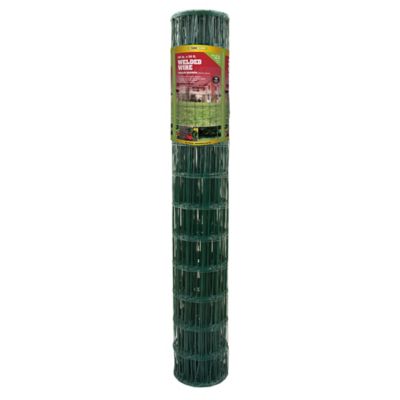
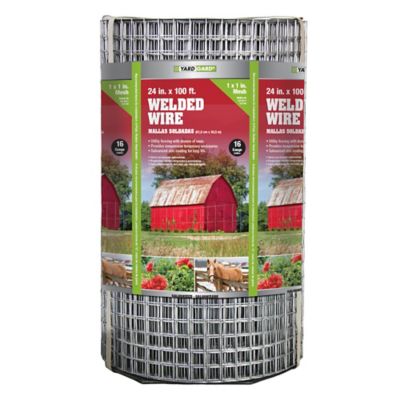
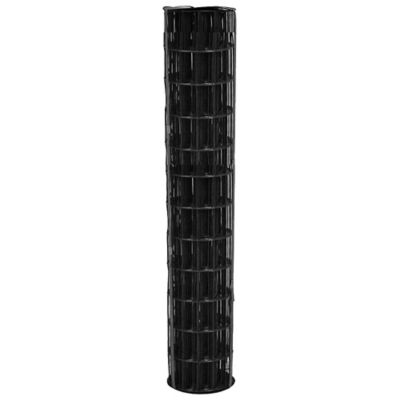
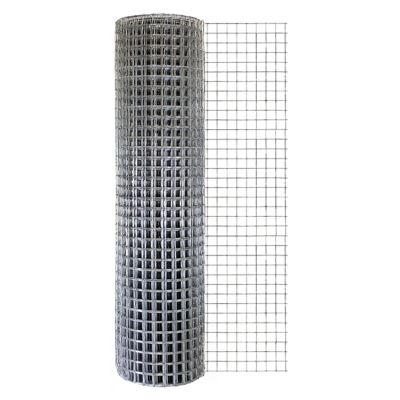
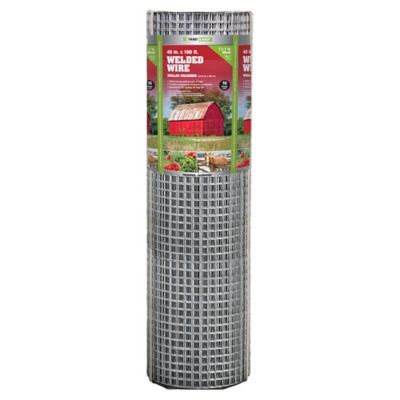
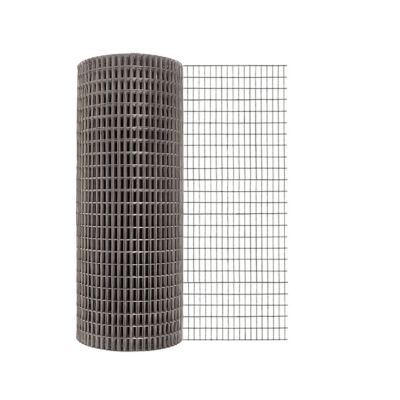
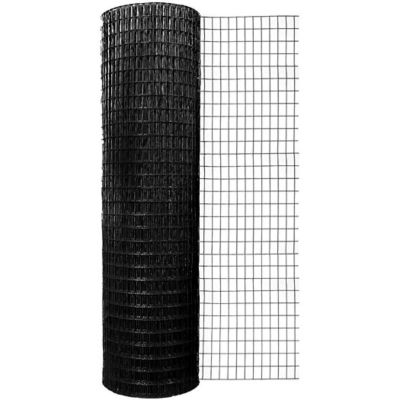
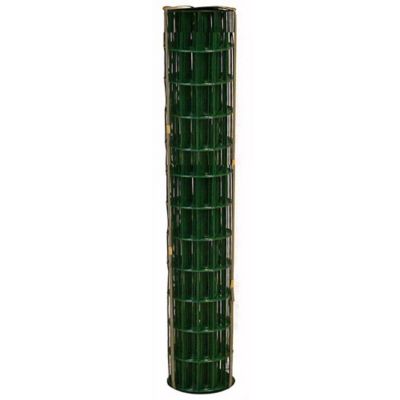
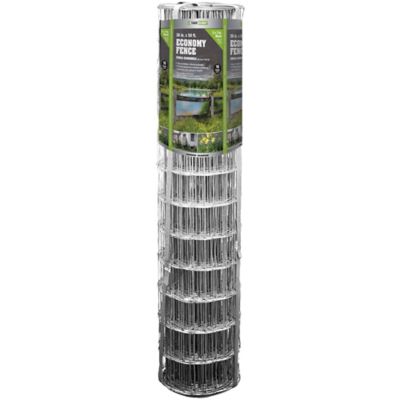
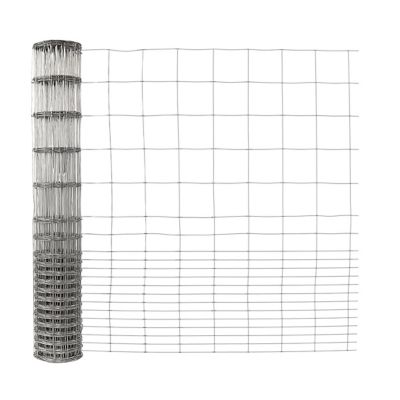
Welded fences bring a straightforward, open look to gardens, yards, and working spaces around the property. Their grid comes from horizontal and vertical wires joined at each crossing, creating a mesh that holds its shape rather than shifting freely at the intersections. That structure makes welded wire fencing a practical choice for marking off a vegetable patch, separating a chore path from an animal area, or giving a suitable pet a clearly defined space. The open pattern keeps sightlines clear, so a garden stays in view from the porch and a fenced section does not feel like a solid wall across the yard. Different wire thicknesses, opening sizes, and fence heights serve different jobs, though, and appearance alone does not tell the whole story. A light mesh around tender plants has a different purpose than a heavier fence beside an animal enclosure. Rabbits slipping toward a row of beans call for attention to openings near the ground; a dog that jumps, digs, or pushes against a boundary calls for a closer look at the entire enclosure. Welded fencing is not automatically the right match for every animal, especially livestock that lean, rub, or strike a fence with considerable force. Animal size, temperament, and pressure on the fence matter as much as the dimensions of the space. For poultry areas, the mesh opening and strength need to match both the birds inside and the predators outside, with roof coverage and ground-level protection considered separately. A simple perimeter does not address every route into an enclosure. Around a home garden or small acreage, the appeal is often a boundary that does its job without hiding the property behind it. The best fit comes from matching the construction to the task, whether that means keeping feet out of a planting bed, dividing a backyard, or creating a secondary barrier within a larger fenced area. Those distinctions help separate a tidy garden border from a fence expected to handle daily animal contact.
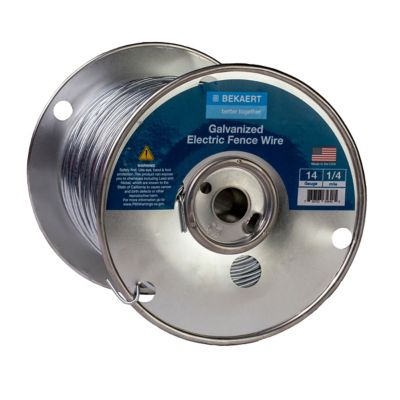
Material and construction details have a big say in how a welded fence performs over time. Steel wire supplies the structure, while finishes such as galvanizing help protect the metal against corrosion. A vinyl or other polymer coating can add another protective layer and change the appearance, but the coating does not replace the strength of the wire underneath. Wire gauge is worth a close look: within the same gauge system, a lower number generally indicates thicker wire. Coated-wire measurements may describe the core wire or the overall diameter, so those figures are most helpful when their basis is clear. Mesh dimensions deserve the same attention. Smaller openings can limit access by smaller animals, while larger openings leave more room for noses, paws, or heads to pass through. The right spacing depends on the intended enclosure, not simply on whether a fence looks substantial from a few steps away. Height matters, too, especially where climbing or jumping is a concern, but a taller fence alone will not solve a digging problem. For layouts that call for rigid sections,
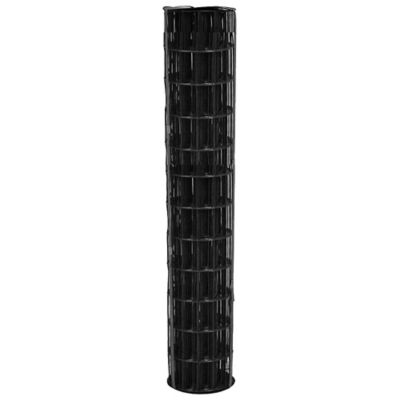
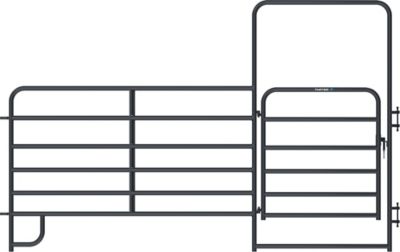
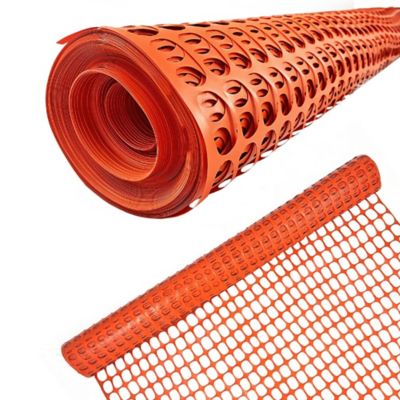
Welded Panels offer a different format from rolled mesh. Panels generally hold their form during handling, while rolls cover continuous runs with fewer section joints and need suitable support to stay neat. Neither format eliminates the need for sound posts, secure attachments, and properly planned corners. A narrow side yard, a broad garden edge, and a small holding area may each call for a different balance of rigidity, opening size, and layout. Finish color can also affect how noticeable the fence feels against grass, shrubs, or outbuildings. That visual choice belongs alongside practical details such as access for trimming vegetation and enough clearance to work along the fence line. A fence that looks right but blocks a mower route or crowds a gate can turn an ordinary chore into a squeeze.
A well-matched welded fence fits the way a property gets worked every day. Gate placement is a good example: a walk-through opening may handle feed pails just fine, yet leave too little room for a wheelbarrow, garden cart, or mower. The route between the shed, garden, and animal area deserves as much thought as the straight fence runs. Ground contours also affect the finished result. Rigid mesh does not follow dips and rises in the same way as a more flexible fence, and gaps beneath a section can undermine an otherwise suitable enclosure. Support spacing, attachment methods, and any ground-level barrier need to suit the fencing and the job, with manufacturer directions providing the details for a particular installation. Corners, ends, and gates take concentrated strain, so a sturdy-looking stretch of wire cannot make up for a loose end post or sagging entrance. Cut edges and projecting wire ends deserve attention wherever people or animals may brush against them. Along a planting bed, room between the mesh and growing plants makes tending and harvesting less awkward; beside a pet area, clear access helps with cleanup and routine checks. Ongoing care is mostly about catching small problems before they spread. Broken welds, bent sections, loosened fasteners, damaged coatings, and shifting posts can all change how the enclosure functions. Soil and plant buildup against the wire can make inspection harder and keep moisture against the metal, so an accessible fence line has practical value beyond its appearance. Coating repairs should follow the fencing manufacturer’s recommendations rather than relying on a finish that may not suit the material. Gates and latches also need attention because an enclosure is only as secure as its easiest opening. For homeowners, gardeners, and small-acreage caretakers, welded fencing offers a useful way to organize space while keeping the property open to view. The right combination of wire, mesh, supports, and access points makes the boundary fit the work happening on either side of it.