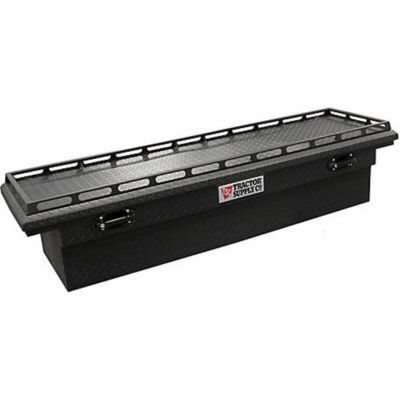
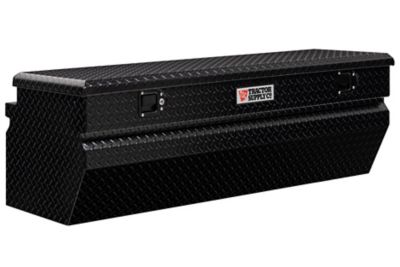
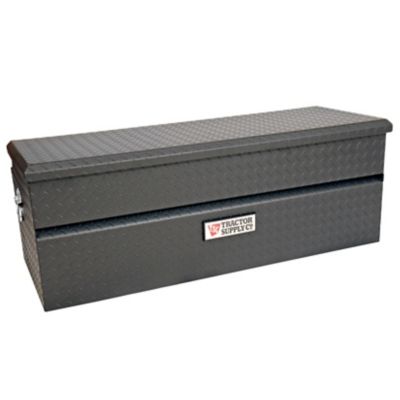
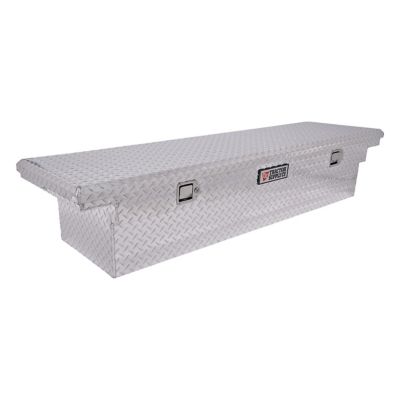
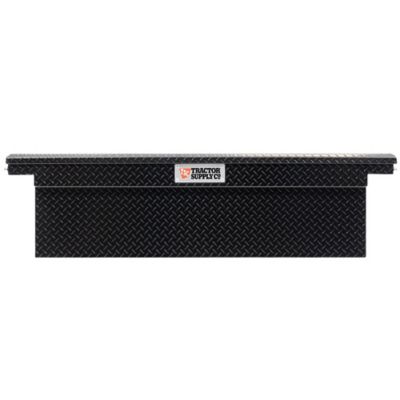
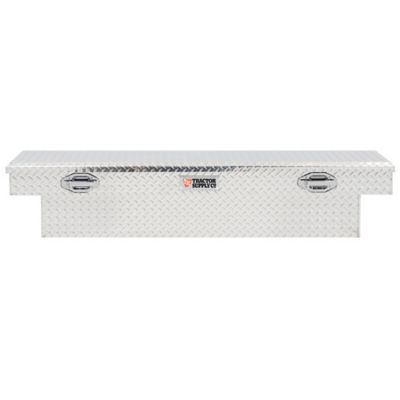
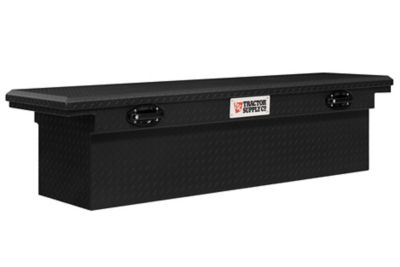
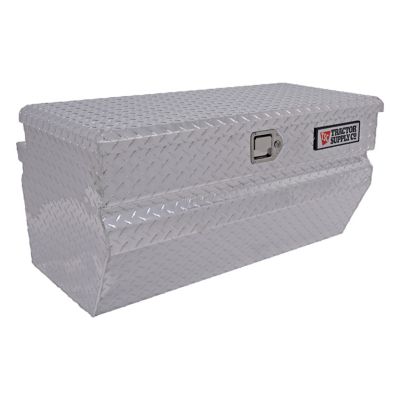
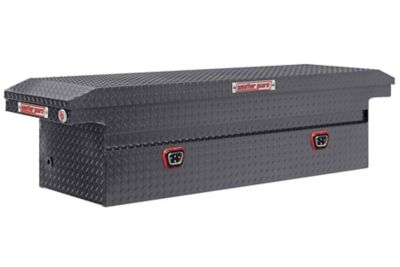
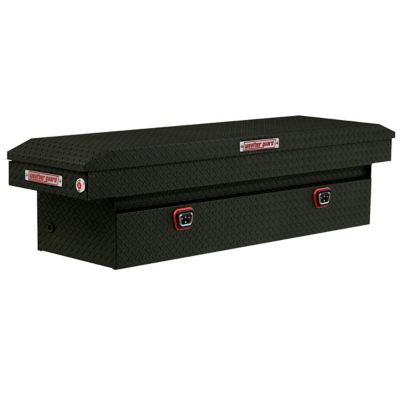
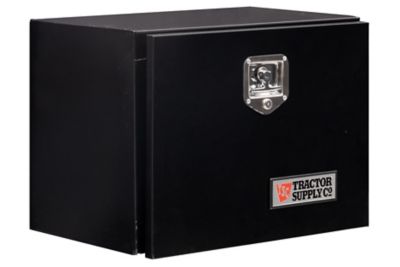
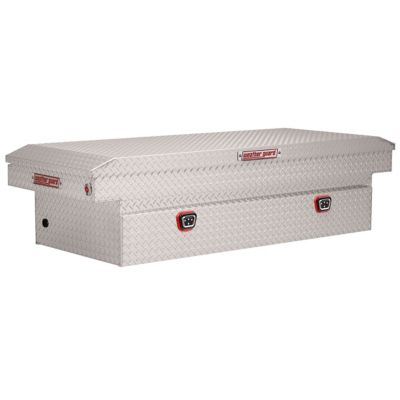
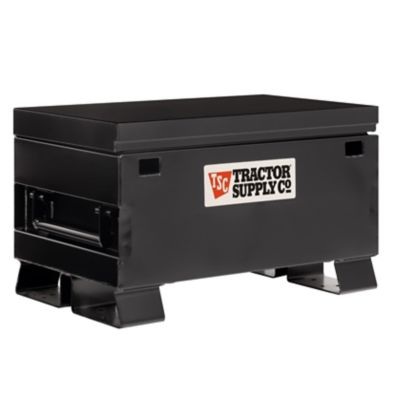
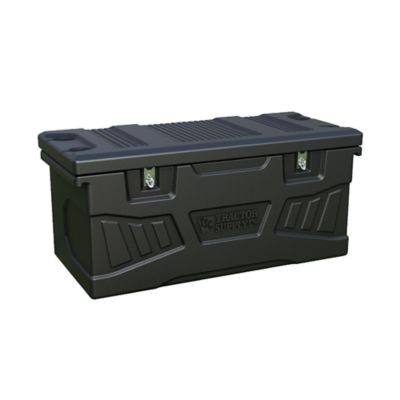
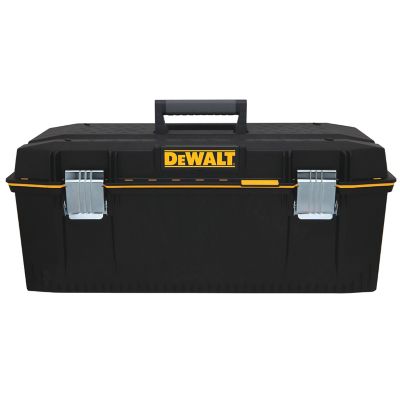
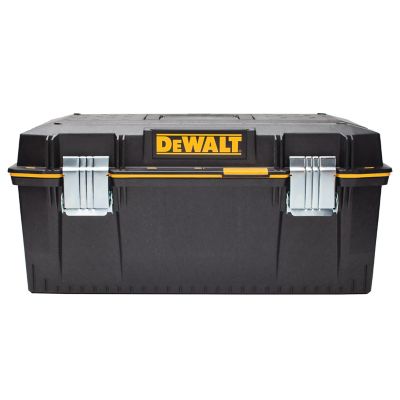
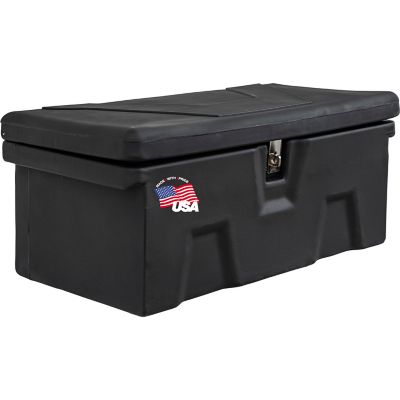
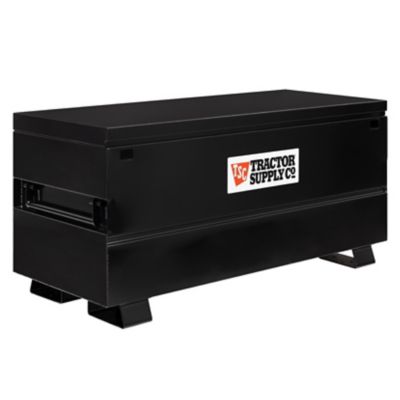
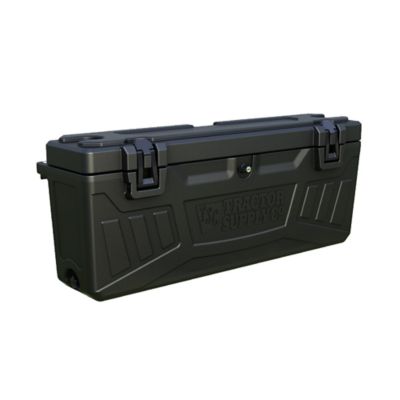
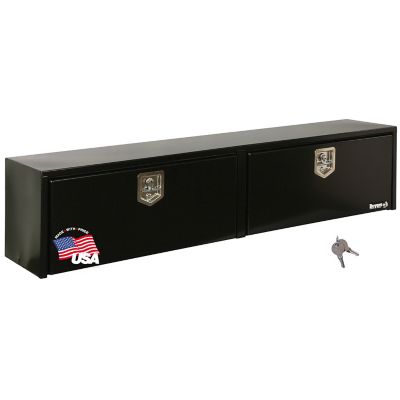
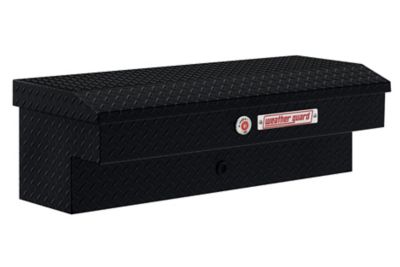
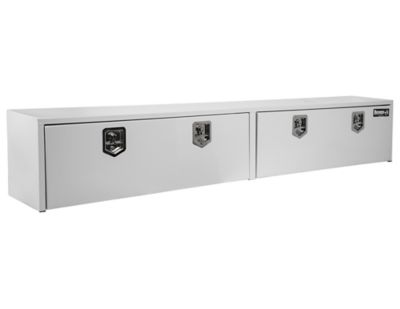
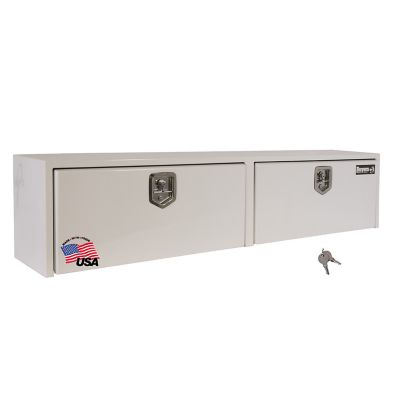
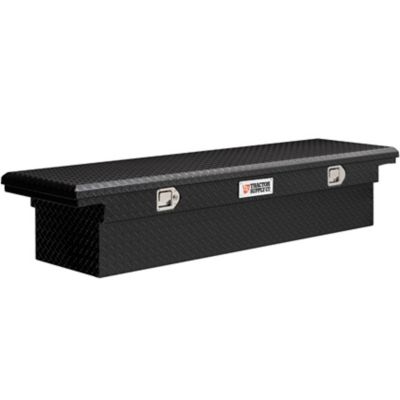
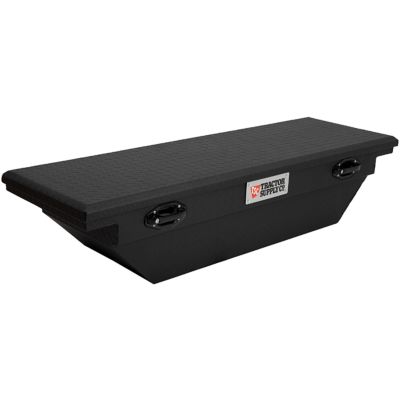
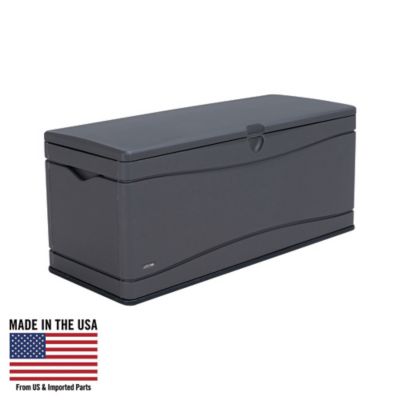
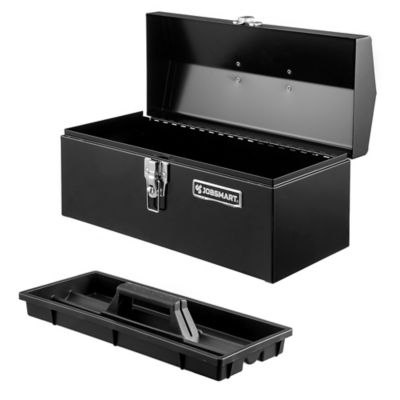
Weatherproof tool boxes help shield hand tools, fasteners, and other work gear from rain, blowing dust, snow, and road spray. They make sense wherever the work takes you beyond a sheltered shop, whether that means fixing a gate across the pasture, hauling equipment between properties, or keeping a repair kit in the truck bed. The protection comes from the whole enclosure: a fitted lid, a continuous gasket, latches that hold the lid firmly against the seal, and a body that stands up to everyday bumps. Weatherproof does not automatically mean waterproof, and the term alone does not establish how much water a box can handle. A stated ingress protection rating gives a clearer picture. An IP65 rating identifies a dust-tight enclosure tested against water jets, not submersion. An IP67 rating addresses temporary immersion under defined test conditions; it should not be treated as a promise against every kind of water exposure. Manufacturer specifications explain the protection level and any conditions that apply. For outdoor storage, lid design matters alongside the rating. An overlapping lip or channel can help direct runoff away from the opening, while a well-seated gasket closes the gap where wind-driven rain might otherwise enter. Material choice brings its own trade-offs. Steel offers substantial strength but adds weight, and damaged finishes can leave it vulnerable to rust. Aluminum keeps weight down and resists rust, though dents, joint construction, and contact with dissimilar metals still deserve attention. Molded polymer avoids metal corrosion and can be easier to carry, while its resistance to impact and sunlight depends on the material and construction. Reinforced corners, solid hinges, and firmly attached handles matter when a box rides over a rutted farm lane or gets lifted onto a trailer. No single material suits every chore; the right balance depends on how often the box travels, what it carries, and how much exposure it faces.
Size and fit matter just as much as the shell when choosing a weatherproof tool box. A compact portable box can keep the basics together for fence repairs or equipment checks, while a larger chest gives longer tools and heavier gear room without forcing everything into a tight pile. Exterior dimensions tell only part of the story. Wall thickness, lid shape, trays, and internal dividers all affect usable space, so a box that looks roomy outside may not accommodate a long wrench or a drill with its battery attached. Interior measurements are especially helpful when the same tools need to return to the same spots after every job. Removable trays keep small hardware from disappearing beneath larger tools, and divided compartments make it easier to spot the socket or fitting that is missing before leaving the barn. For truck-mounted storage, fit includes the bed width, rail height, wheel wells, bed liners, and any cover or rack already in place. Lid clearance also counts: a chest needs enough room to open without striking the cab, a trailer component, or nearby equipment. Mounting provisions should suit the vehicle and follow the box and vehicle manufacturers’ directions, since loose storage can shift hard during braking or on uneven ground. A loaded box weighs much more than an empty one, making stated load limits, handle ratings, and lifting arrangements worth comparing. Broad grips can be easier to manage with work gloves, and side handles may help two people share a heavy lift when the design allows it. Secure latches keep the lid closed in transit; keyed locks or padlock points add a measure of security without making a box theft-proof. For a ranch hand moving between chores, access can matter as much as capacity. A box that opens easily from a comfortable standing position saves reaching, climbing, and unloading gear just to get at the tool on the bottom.
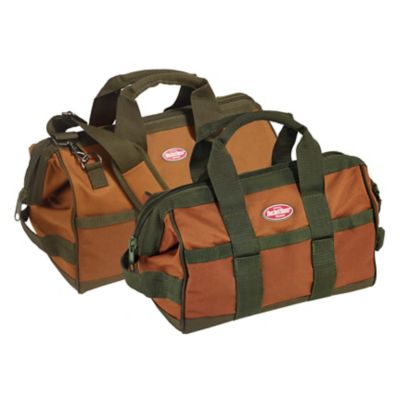
Weather protection also depends on what happens between jobs. A sealed box can keep rain out yet still hold moisture carried in on wet tools, muddy gloves, or a damp rag. Temperature changes can cause condensation inside, especially when a box moves between a heated shop and an exposed truck bed. Dry tools and a clean interior help limit that moisture, while a contained desiccant pack can help manage residual humidity when maintained according to its directions. It is not a substitute for drying wet gear. Gaskets benefit from simple attention, too: grit, wire scraps, and packed mud along the sealing surface can keep the lid from closing evenly. A gentle wipe and cleaning products approved for the box materials help preserve the seal without exposing it to harsh solvents. Cracked, flattened, or loose gasket sections deserve attention before the next soaking trip, and replacement seals should match the enclosure. Hinges, latches, and mounting hardware also need occasional checks, particularly after rough travel or a hard knock. Scratches in coated steel are worth addressing with the finish repair recommended by the manufacturer, while polymer boxes should stay clear of exhaust heat and other hot surfaces. Even with a weather-resistant enclosure, placement makes a difference: standing water, deep snow against the lid, or runoff directed at a seam can create exposure beyond the box’s intended conditions. Keeping it out of pooled water and opening it under shelter when practical reduces the chance of soaking the contents. For smaller loads carried from the truck to a repair,
waterproof tool bags offer another carrying format, with protection that likewise depends on the stated rating and closure design. A well-matched tool box can also make a practical gift for someone setting up a shop, tending livestock, or taking on property repairs. The best fit reflects that person’s actual work: enough room for everyday gear, manageable weight, straightforward access, and protection suited to where the tools spend their time.