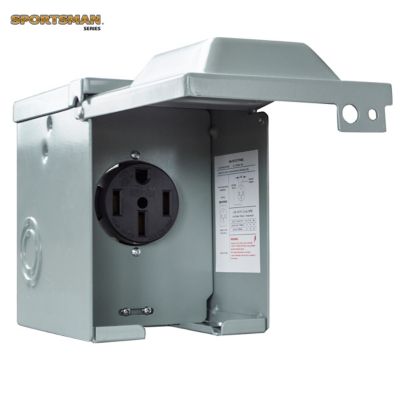
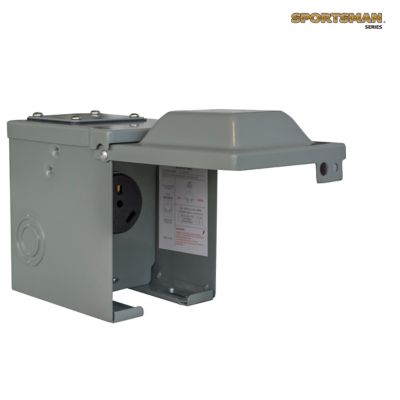
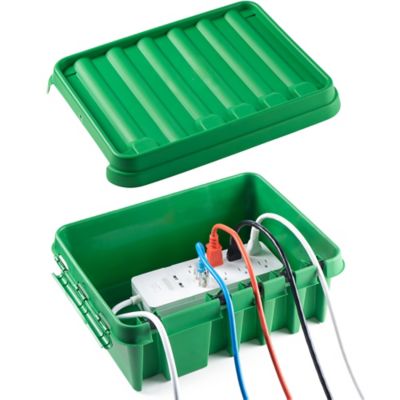
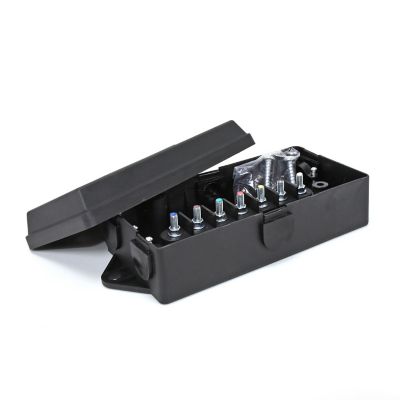
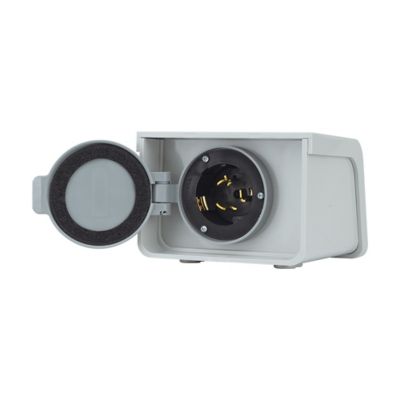
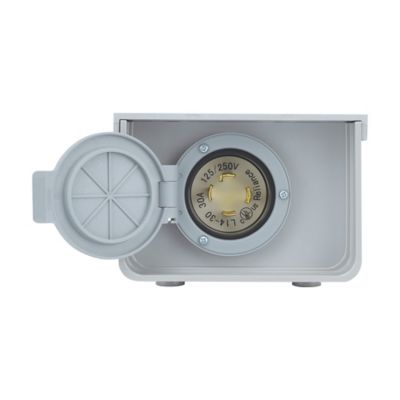
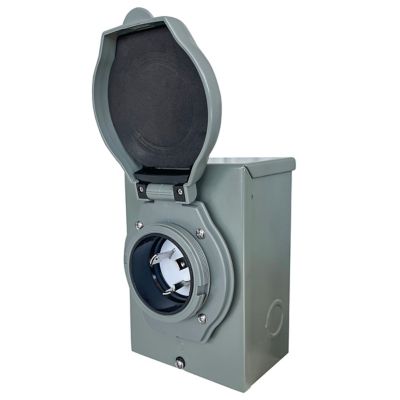
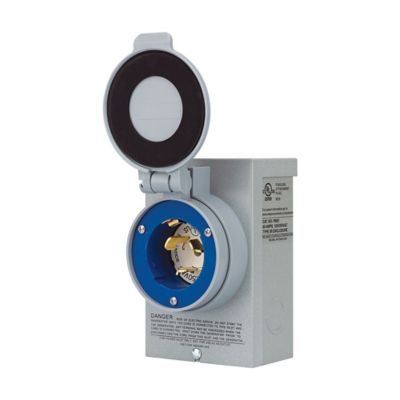
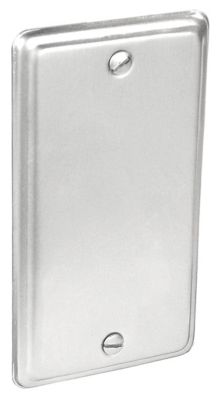
Weatherproof outdoor electrical boxes give exterior wiring connections, switches, and receptacles a protected home where rain, blowing dust, snow, and sunlight can take a toll. Around a farm, acreage, or backyard workshop, that protection matters at the barn entrance, beside a detached garage, near a gate, or along a covered porch. An outdoor electrical box is part of a complete protective assembly, not a stand-alone promise that water cannot get in. Its performance depends on the enclosure rating, the cover, the conduit fittings, the mounting position, and the way each opening is sealed. A junction box encloses wire connections, while an outlet or switch box supports the electrical device and its matching cover. Larger electrical enclosures provide room for controls and other equipment when their listings allow that purpose. The right choice starts with the job and the exposure: a receptacle beneath a roof overhang faces different conditions than a control enclosure beside an open equipment yard. Damp-location and wet-location markings help distinguish those needs, and a sheltered location can still experience wind-driven rain. For a farm owner adding power near a work area or an electrician planning an exterior circuit, clear ratings matter more than a weatherproof label alone. NEMA 3R enclosures provide protection against falling rain, sleet, and snow under specified conditions, but they are not intended to keep out windblown dust or hose-directed water. NEMA 4 enclosures add protection against windblown dust, splashing water, and hose-directed water; NEMA 4X adds corrosion resistance. IP65 indicates a dust-tight enclosure with protection against water jets, while IP67 indicates a dust-tight enclosure with protection against temporary immersion under defined test conditions. These rating systems are not interchangeable, and an immersion rating alone does not establish resistance to water jets. Neither a high rating nor a tight-fitting lid makes an enclosure suitable for every setting. Manufacturer instructions, electrical listings, and local code requirements still govern where and how the assembly belongs.
Materials and dimensions make a big difference in how weatherproof outdoor electrical boxes fit the work at hand. Die-cast aluminum provides a rigid housing for many exterior wiring applications, often with threaded conduit openings and a protective finish. Coated steel offers strength for larger enclosures, though scratches and exposed edges deserve attention because corrosion can begin where the finish is damaged. Nonmetallic materials, including PVC and polycarbonate, resist rust and can be a practical choice where moisture is a steady concern. ABS enclosures also serve some applications, but outdoor suitability and sunlight resistance must be confirmed rather than assumed from the material name. Plastic can deteriorate without the proper outdoor rating, and metal hardware still needs to suit the environment even when the box itself is nonmetallic. Near livestock areas, fertilizer storage, or salt exposure, corrosion resistance deserves a closer look; not every finish or gasket tolerates the same chemicals. Fit goes beyond whether a box looks big enough on the wall. Single-gang and multi-gang layouts determine how many devices the box can accommodate, while depth and listed volume affect space for conductors, connectors, grounding components, and devices. GFCI receptacles can take more room than a basic receptacle, and a crowded box makes proper wire routing harder. Required box-fill calculations establish the space needed for the actual wiring arrangement. Conduit entry size and placement also matter: openings on the top, bottom, or sides need to match the planned wiring route and approved fittings. Every opening that is not needed requires a suitable closure. Cover screw spacing, device orientation, gasket shape, and mounting provisions must work together rather than merely look close. On rough barn siding or a masonry wall, a sound mounting surface helps keep the enclosure steady and the cover seated evenly. Exterior size alone can be misleading, since wall thickness, mounting bosses, and lid clearance reduce usable interior space. For controls or equipment, leave the clearances specified by the equipment maker and account for heat buildup inside a closed enclosure.
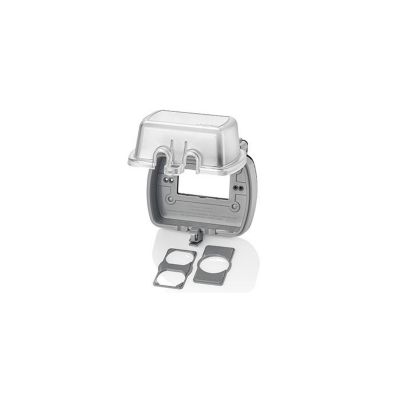
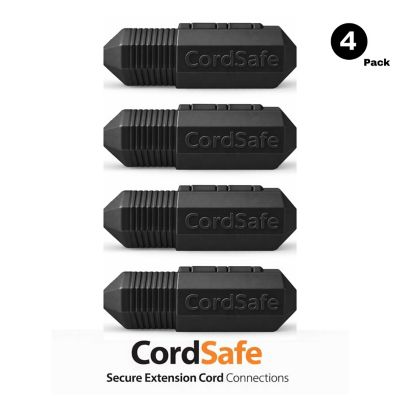
Covers and seals finish the job, especially where a cord stays connected outdoors. A standard weatherproof cover generally protects a receptacle when its lid is fully closed, subject to its listing; it should not be assumed to provide the same protection with a plug inserted. A while-in-use cover creates space around the plug so the cover can close while the cord exits through its intended opening. For receptacles in wet locations, the appropriate listed weatherproof assembly is essential, and extra-duty covers are required in many common installations under applicable electrical codes. Plug size matters here. A straight plug, an angled plug, and a bulky power adapter need different amounts of clearance, and none should force the lid open or put a sharp bend in the cord. Picture a battery charger connected outside the shop or a tool plugged in beside the garage: the cover needs to close as designed without pinching the cord or pulling on the receptacle. Separate cord-to-cord connections call for their own protection, and
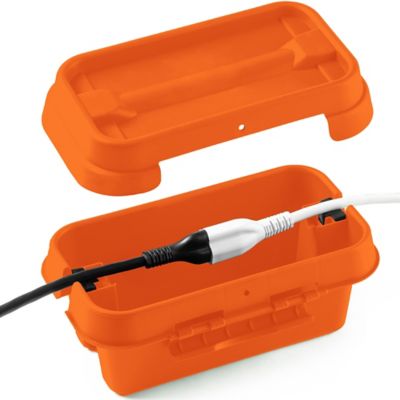
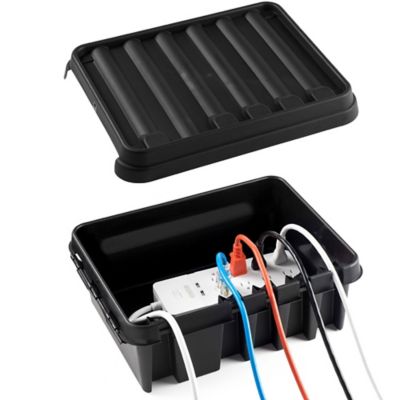
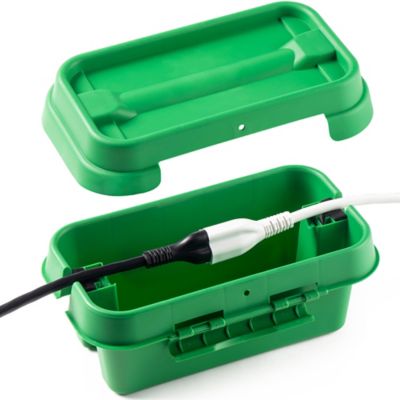
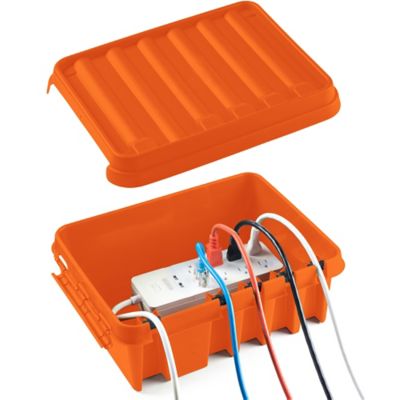
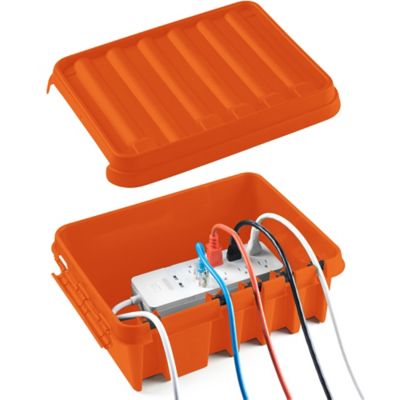
Weatherproof Extension Cord Covers address that different connection point rather than replacing a properly installed electrical box. Cord connection protection does not make an indoor cord suitable for outdoor service or turn an extension cord into permanent wiring. Outdoor receptacles also need the required GFCI protection and appropriate weather-resistant device ratings; the enclosure does not replace those safeguards. Over time, hinges, latches, gaskets, mounting screws, and conduit seals all deserve attention. Cracked lids, brittle seals, loose fittings, rust, or water inside the enclosure are reasons to have the assembly checked with power safely disconnected. Keep sealing surfaces clear of dirt and avoid painting gaskets or blocking intended drainage features. Do not drill extra drain holes or add vents unless the manufacturer permits them, since alterations can compromise the rating. A qualified electrician can confirm grounding and bonding, circuit protection, box fill, and installation requirements. Matching the enclosure, cover, fittings, and devices to the actual location gives an outdoor electrical setup the protection it needs for everyday work around the property.