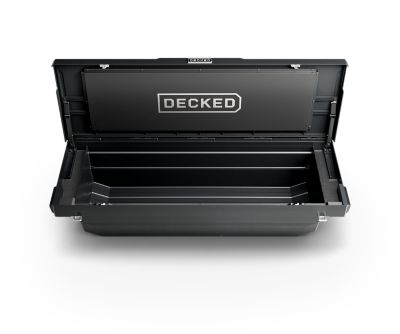
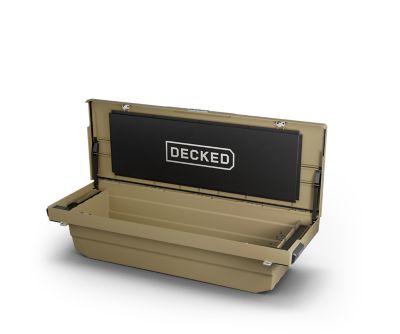
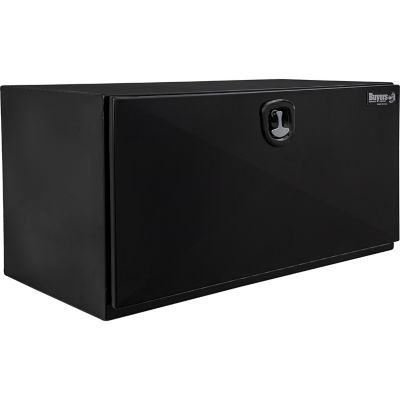
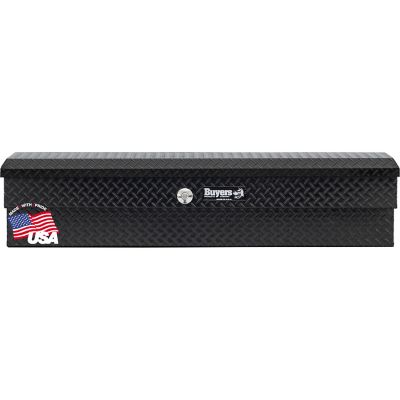
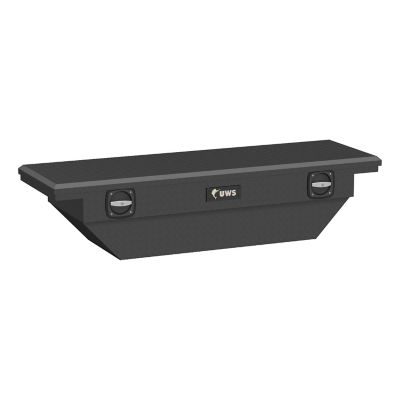
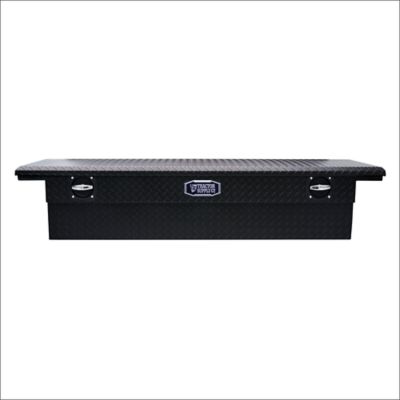
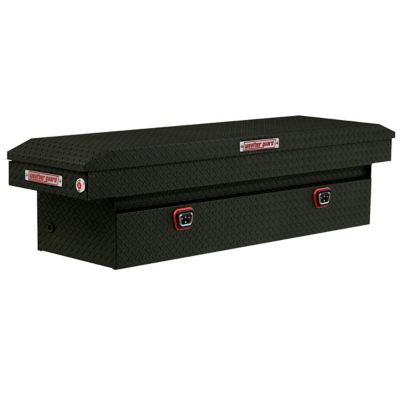
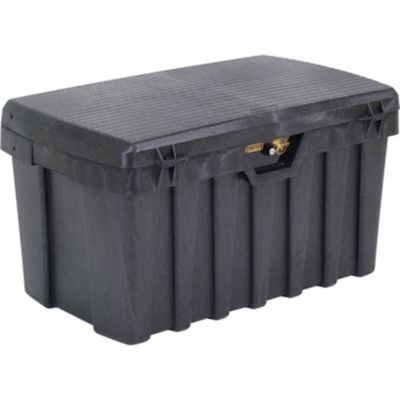
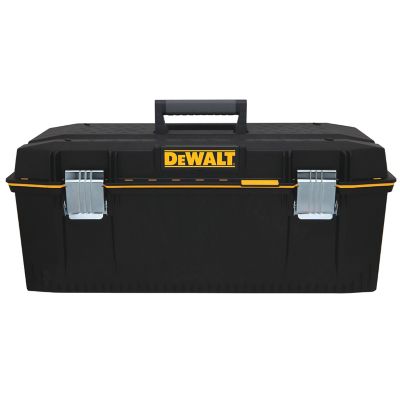
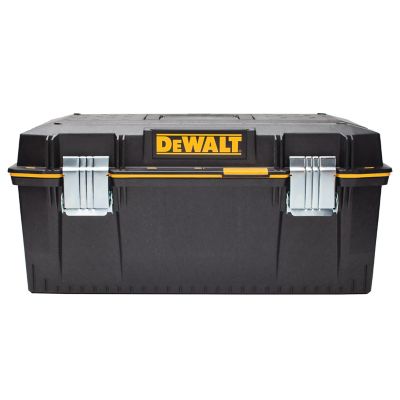
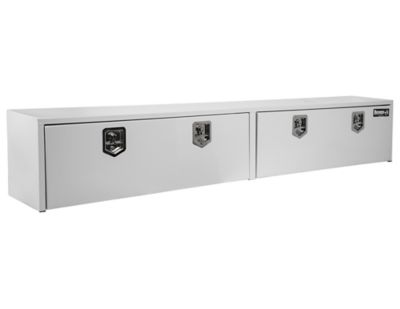
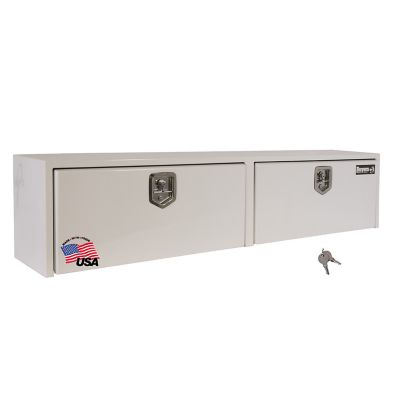
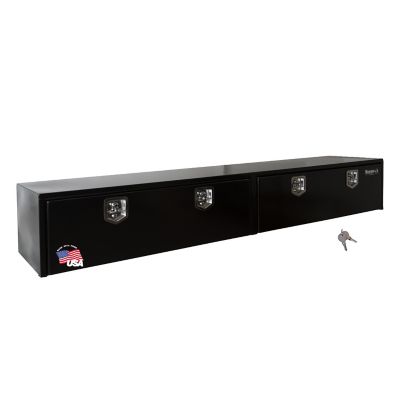
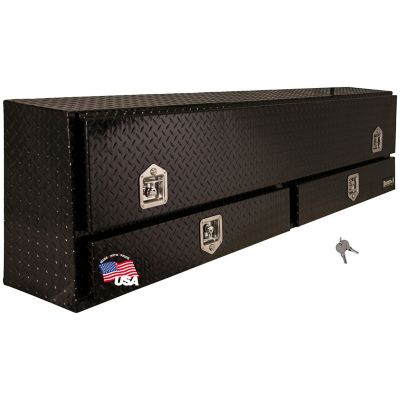
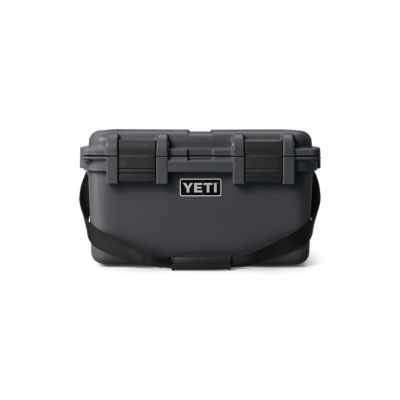
Waterproof truck tool boxes help keep tools and supplies dry by combining a water-shedding lid, sealed seams, and a gasket that closes tightly against the box opening. That protection matters when a pickup carries socket sets, fence repair tools, or electrical equipment through rain and road spray. A tight seal does more than cover the contents: it helps block the small gaps where wind-driven water can creep beneath a lid. EPDM rubber and other automotive-style gaskets are common sealing materials, while overlapping lid edges and raised openings can help direct water away from the storage compartment. Consistent latch pressure matters, too, since a gasket cannot do its job if one corner of the lid stays loose. The term waterproof should not be taken as a promise that every truck box can handle standing water, pressure washing, or submersion; the stated water-protection rating and installation requirements determine those limits. Construction also affects how a box handles everyday work. Aluminum offers a lighter option that does not develop red rust, and diamond-plate surfaces have a familiar place on farm and work trucks. Steel brings strength but depends on an intact protective finish to limit rust where the metal is exposed. Truck owners comparing metal construction can also consider
Stainless Steel Truck Tool Boxes for their resistance to corrosion, though road salt and fertilizer residue still call for cleaning. Polymer boxes avoid metal rust and may flex under some impacts, but their performance depends on the material, wall thickness, and construction. No material makes the whole box weather-tight by itself. Lid stiffness, hinge alignment, seam construction, and sealing around handles all work together to protect what is inside. A strong shell with a poorly seated gasket can still let water reach the bottom, especially when the truck is parked on a slope.
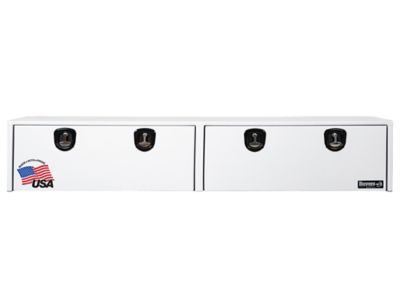
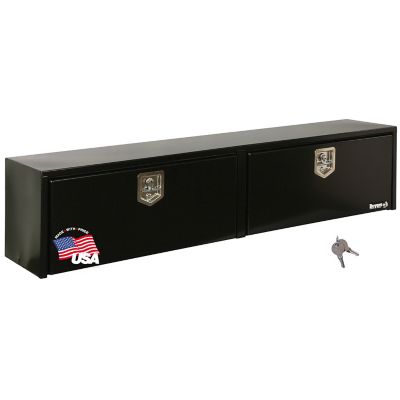
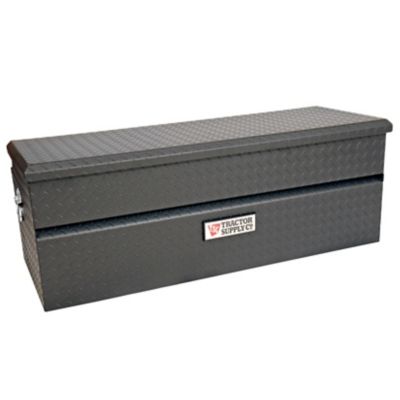
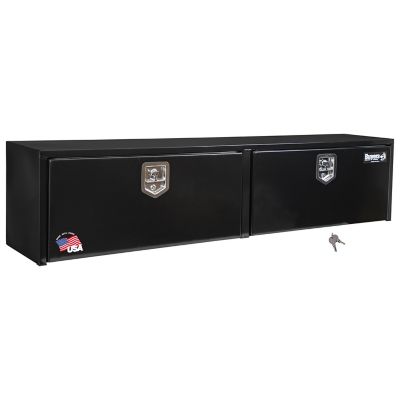
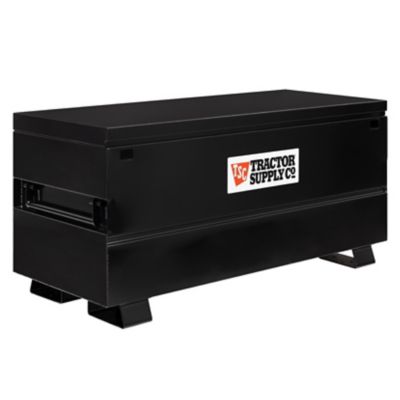
Fit starts with where the box sits and what else the truck needs to carry. Crossover truck tool boxes span the bed near the cab and typically rest on the bed rails, keeping storage close at hand while leaving some room beneath for long materials. Chest-style boxes sit on the bed floor and can provide a lower profile, depending on their height. Side-mount boxes put compartments along the bed sides, which can make small tools easier to reach without climbing into the truck. Wheel-well designs make room for storage beside the wheel housing, while underbody boxes place storage beneath compatible truck beds or flatbeds. Each arrangement changes the space left for feed sacks, lumber, fence posts, and other loads. Bed width alone does not settle the fit. Rail shape, bed liners, wheel-well clearance, and the distance between the box and cab all affect placement. The lid also needs enough room to open without striking a rear window, bed cover, or overhead rack. A tonneau cover may require a box designed for that setup, and a gooseneck or fifth-wheel hitch needs its full operating clearance. Overall dimensions tell only part of the story: the opening size and interior shape determine whether a long wrench, tool case, or grease gun will actually slide inside. Mounting deserves the same attention as measurements. Suitable brackets and fasteners help keep the box in place over rutted lanes and gravel roads, and any mounting holes need the sealing specified for that installation. The weight of the empty box, its contents, and other cargo all count toward the truck’s payload. For underbody placement, clearance from tires, suspension travel, exhaust parts, and the road surface matters as much as storage capacity. A box that fits the truck’s working layout leaves room for both everyday hauling and access to the tools that keep the job moving.
Inside a waterproof truck tool box, useful storage depends on more than how much the compartment holds. A shallow tray keeps sockets, pliers, tape, and spare hardware from settling beneath larger tools, while dividers can separate clean supplies from greasy repair gear. A broad, open compartment suits bigger equipment, but loose tools still need restraint so they do not hammer against the lid or damage the gasket when the truck bounces across a pasture. Liners can reduce rattling and help protect the interior finish, provided they do not cover drain features or hold moisture against the box. For a ranch hand making a gate repair, a contractor moving between jobs, or a property owner hauling maintenance supplies, easy access can matter as much as total storage space. Handles that work with gloves and lids supported by functioning struts make a difference when one hand is already full. Locking latches add a barrier against unwanted access, though no truck box makes valuable equipment theft-proof. Dry storage also takes a little upkeep. Mud, grit, and stray wire caught along the rim can keep a seal from closing evenly. Gaskets need a clean seating surface and occasional inspection for splits, flattening, or loose sections. Hinges, latch mechanisms, and mounting hardware need attention according to the manufacturer’s care directions, especially after a hard knock or travel over rough ground. Damp tools can introduce moisture even when rain stays outside, and condensation can form inside a closed metal compartment. Drying equipment before putting it away, wiping up spills, and letting trapped moisture escape when conditions allow help protect both the tools and the box. A truck tool box can also make a practical gift for someone who spends plenty of time working from a pickup, as long as the bed measurements and mounting needs are known beforehand. The best match supports the way that truck earns its keep, with room for the right tools and protection suited to the work.