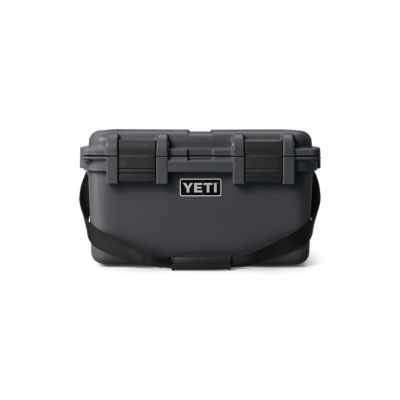
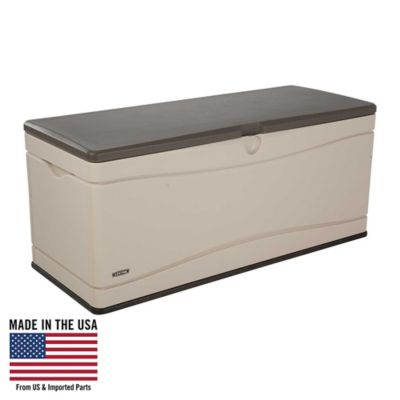
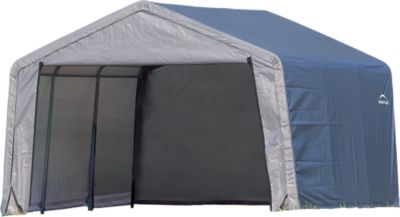
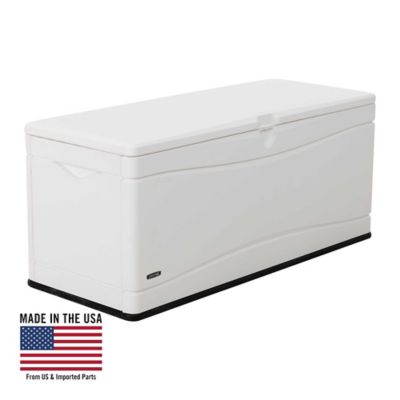
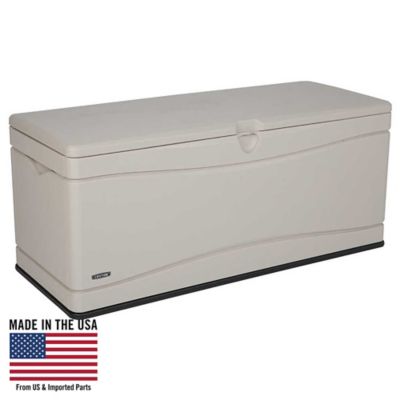
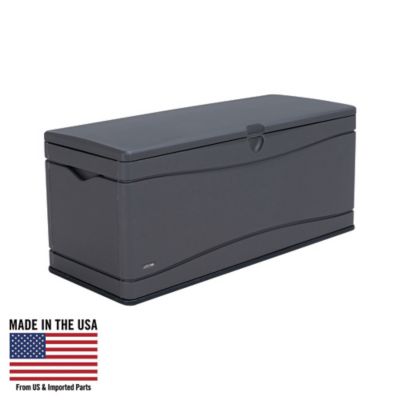
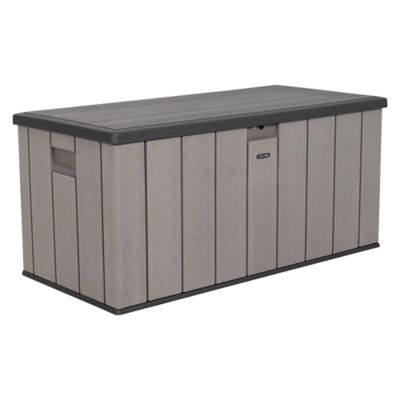
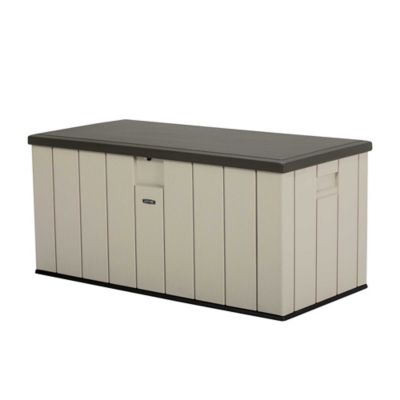
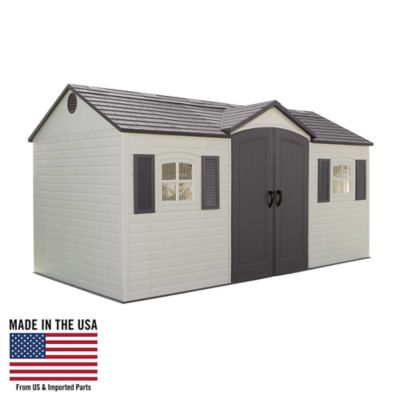
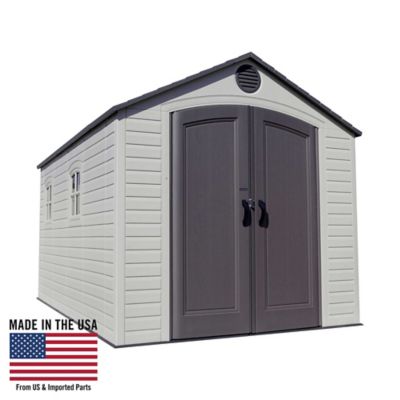
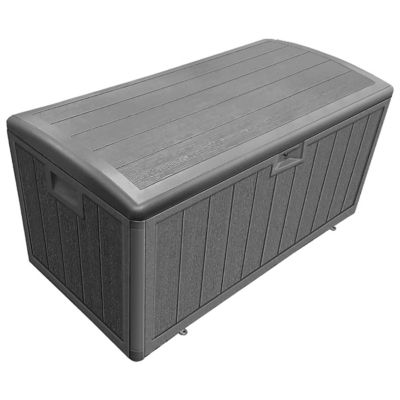
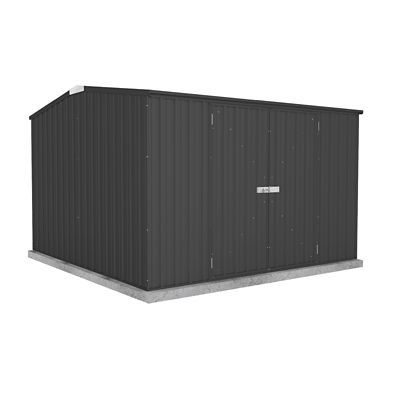
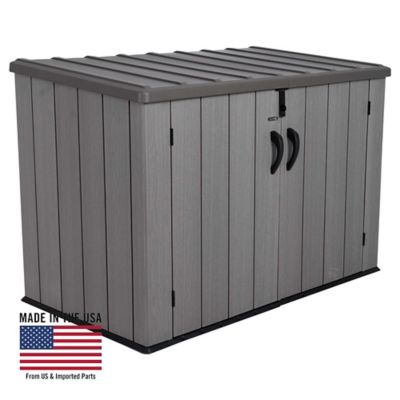
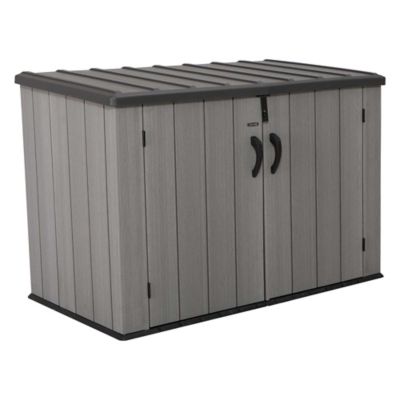
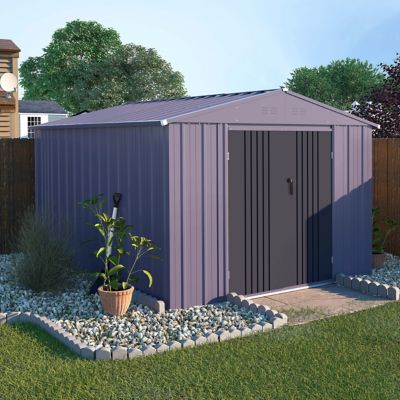
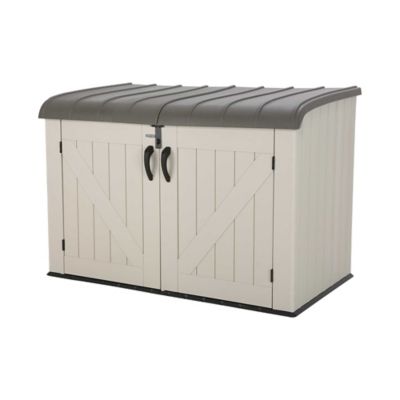
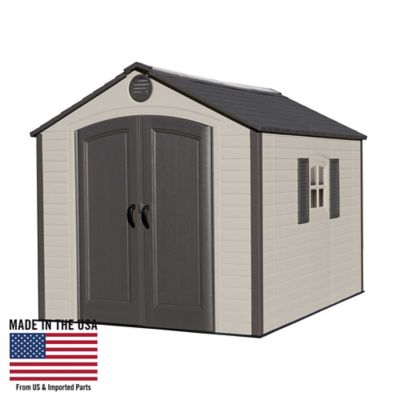
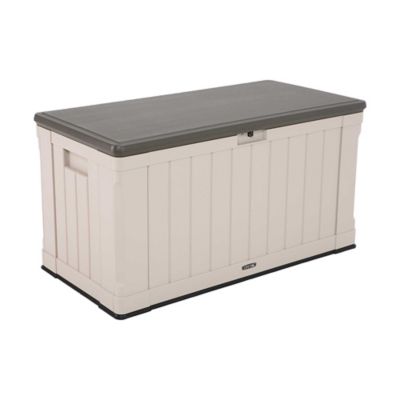
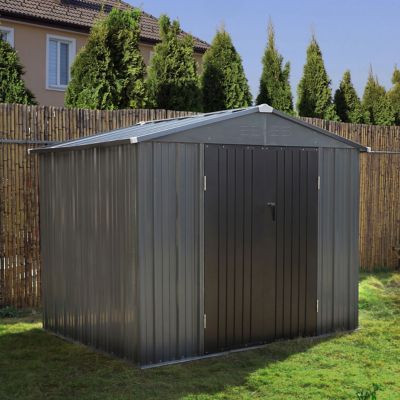
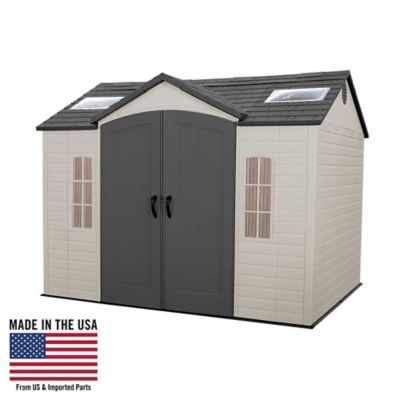
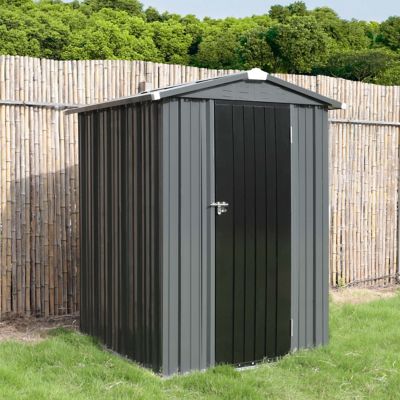
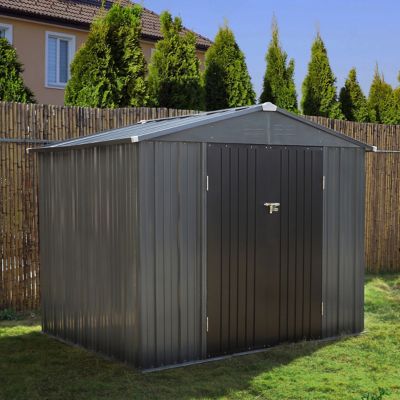
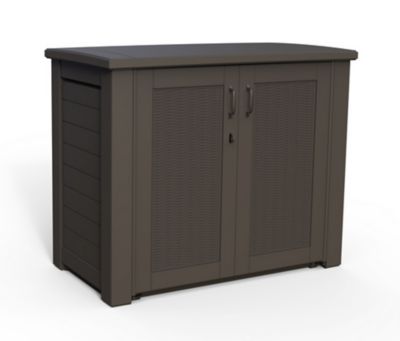
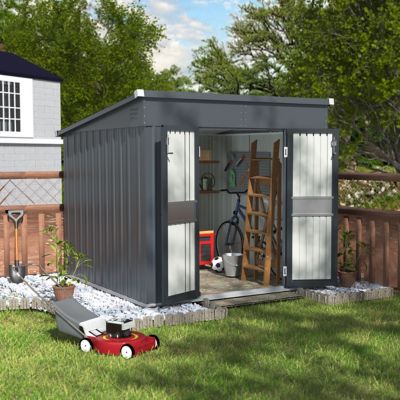
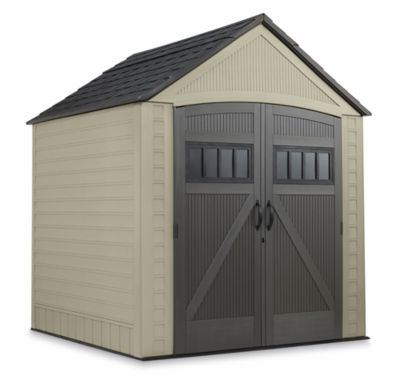
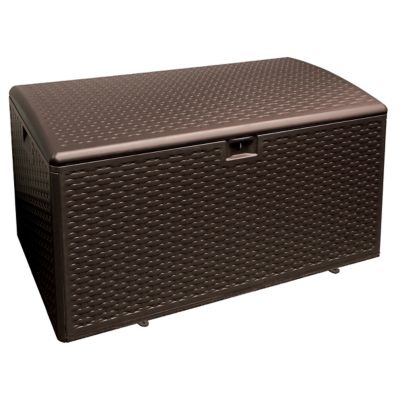
Weatherproof outdoor storage helps keep outdoor gear organized and sheltered from rain, snow and sun without taking over the garage or mudroom. The main formats include deck boxes, upright cabinets, horizontal sheds and walk-in storage sheds, each suited to a different mix of space and chores. A deck box keeps cushions, outdoor games and smaller garden supplies close to the patio, while an upright cabinet makes better use of a narrow spot beside a porch or outbuilding. Tall compartments can accommodate long-handled tools, and shelves separate gloves, watering supplies and smaller equipment so they do not disappear beneath a pile of gear. Horizontal sheds offer a lower profile for storage along a fence or beside a building, with wide openings that can make rolling equipment and trash containers easier to reach. Walk-in sheds provide more room to move around larger equipment and arrange supplies along the walls. For a household with a busy yard, a small acreage or a steady round of outdoor chores, the right layout can mean less hauling back and forth. A place for damp boots near the back door serves a different purpose than an enclosure for a mower across the yard, even when both need protection from the elements. Storage that opens from the top works well for loose, lightweight belongings, while front-opening doors offer access without reaching down into a deep box. Some deck boxes also function as seating, but that depends on the stated weight rating and intended use; a flat lid alone does not make a seat. Interior organization matters just as much as the outer shape. Shelves, dividers and separate compartments help keep clean cushions apart from muddy garden gear. Keeping frequently needed supplies near the opening also leaves the deeper space for belongings that come out less often, making outdoor storage practical for everyday work rather than just a place to tuck things away.
Materials and construction determine how outdoor storage handles exposure over time. Resin and plastic storage resist rust and generally clean up with mild soap and water, making them a practical fit near gardens, patios and other places where dirt splashes onto the walls. UV-resistant formulations help limit sun damage, though resistance to fading, cracking and impact varies by construction. Reinforced panels, well-supported floors and sturdy hinges matter when an enclosure holds heavier gear or gets opened several times a day. Metal storage offers a rigid enclosure, and galvanized steel or protective coatings help limit corrosion. Scratched finishes, exposed edges and hardware still deserve attention, especially where moisture lingers around the base. Wood storage brings a familiar look beside barns, fences and garden buildings, but it generally needs more upkeep through paint, stain or another suitable exterior finish. No material makes every enclosure equally suited to every setting. Roof shape, panel joints, door overlap and the fit of the lid all affect how water moves around the structure. Sloped tops encourage runoff, raised floors help separate belongings from ground moisture, and seals can reduce water entry around openings. Ventilation has a different job: it lets damp air escape and helps limit condensation inside an enclosure. Weatherproof does not automatically mean airtight, floodproof or safe for submersion, and wind-driven rain can challenge openings differently than rain falling straight down. Snow-load and wind ratings, where provided, help establish whether a shed suits the conditions at its location. For smaller belongings inside a shed or cabinet,
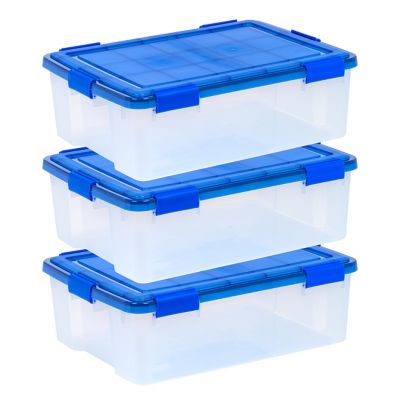
Weather Resistant Storage Containers can provide another layer of organization and moisture protection. That extra separation is helpful for keeping small supplies together, though the outer enclosure and the inner container each have their own protection limits. Cushions, fabric and other moisture-sensitive belongings still benefit from going into storage dry rather than having dampness shut in with them.
A good fit depends on usable interior space, access and the spot where the storage will stand, not just the capacity printed in a description. Gallon capacity helps compare deck boxes, but interior length and width determine whether a long cushion or folded chair will actually fit. Cabinet shelf spacing affects room for taller supplies, while shelf weight limits matter for concentrated loads. With sheds, the door opening can be more important than the overall footprint when a mower, cart or other wheeled equipment needs to pass through. Room for the lid to lift, doors to swing and a person to stand comfortably in front keeps a tight corner from becoming a daily nuisance. The setting matters, too. A firm, level base helps doors line up and keeps the structure from settling unevenly; larger sheds may need a foundation and anchoring suited to their design and local requirements. Ground that drains away from the enclosure is a better starting point than a low spot where runoff collects after every hard rain. Clearance from roof runoff, overhead branches and nearby equipment reduces avoidable wear and damage. Lockable doors or lids add access control, although a lock by itself does not establish a security rating or make an enclosure pest-resistant. Ongoing care is usually straightforward: clear leaves and dirt from seams, keep drainage paths open, and check hinges, latches, seals and finishes for wear. Cleaning methods should suit the material, since harsh chemicals or forceful washing can harm coatings and push water into joints. Heavier belongings sit best low in the enclosure, with lighter supplies above and walkways clear. Temperature-sensitive equipment and supplies may need indoor storage even when an outdoor enclosure keeps rain off. For yard work, animal-care chores and time on the porch, weatherproof storage earns its place by keeping the right gear close at hand, with protection matched to the belongings inside and the conditions outside.