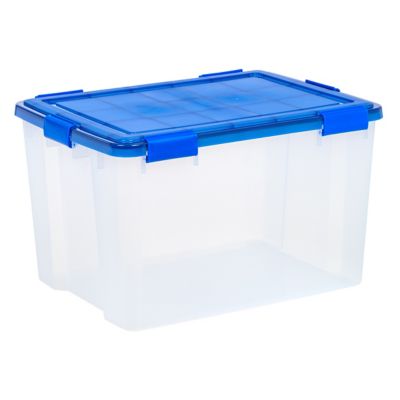
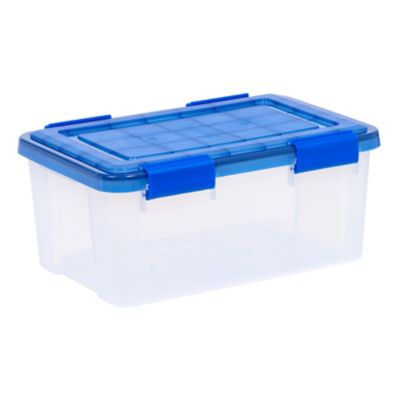
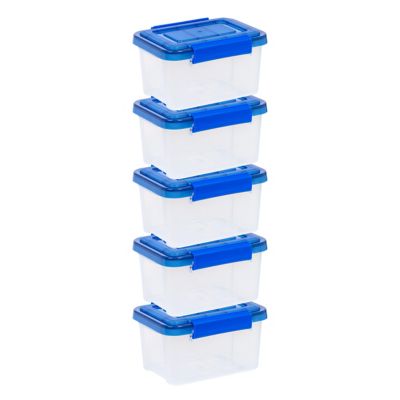
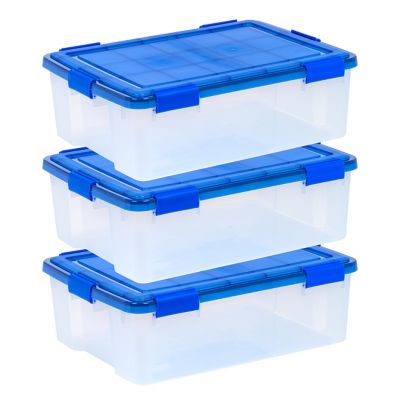
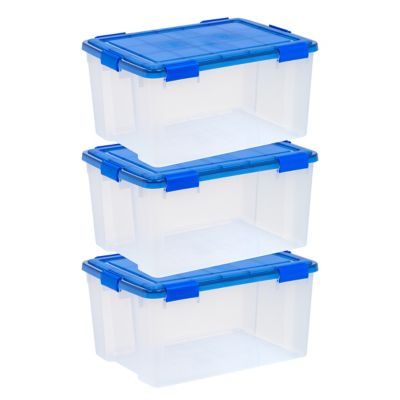
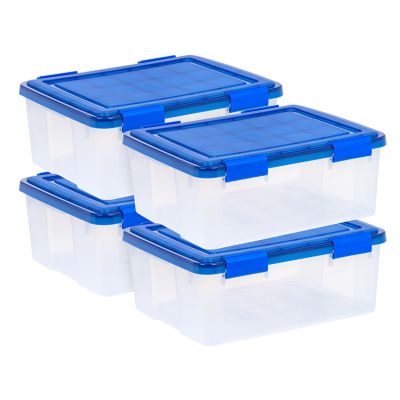
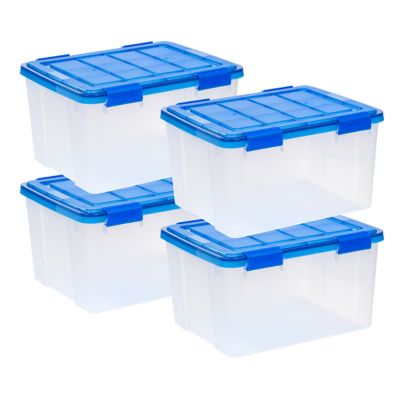
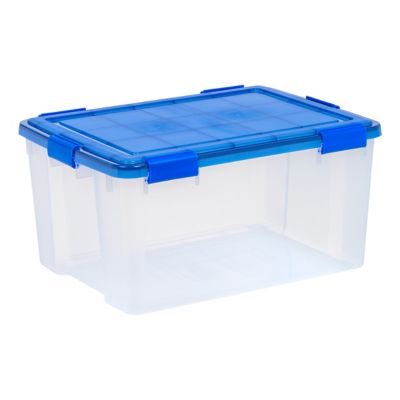
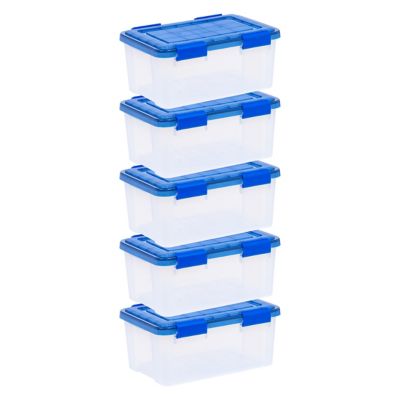
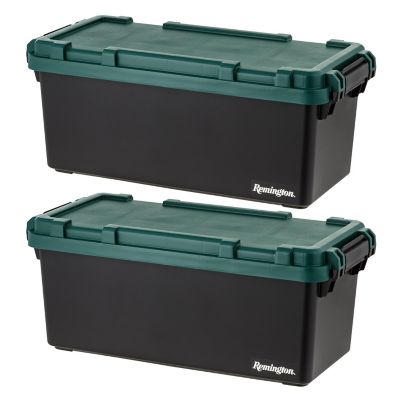
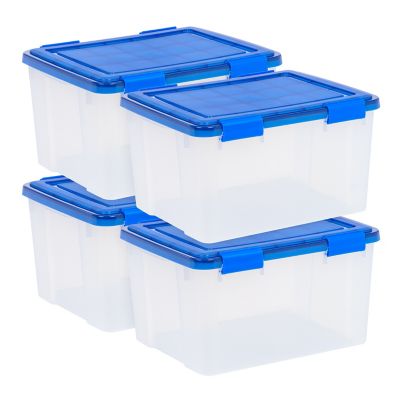
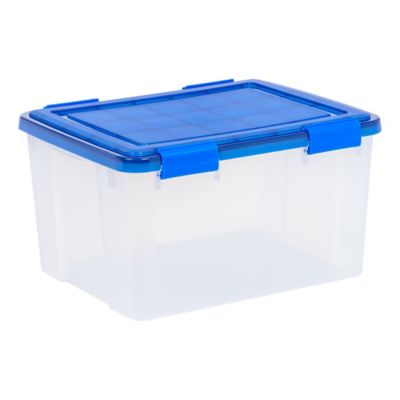
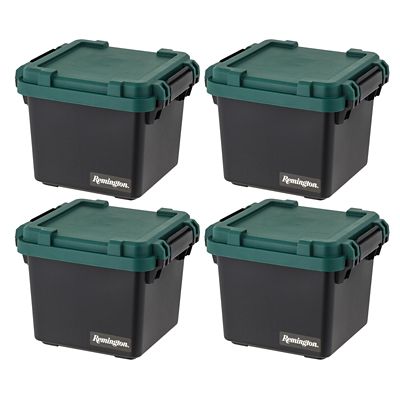
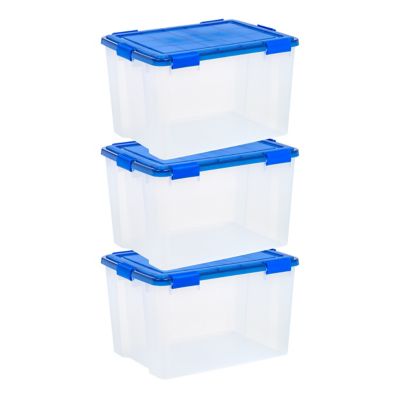
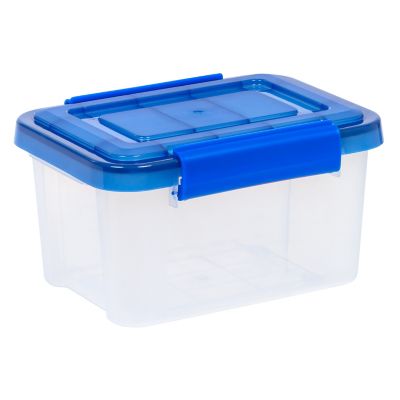
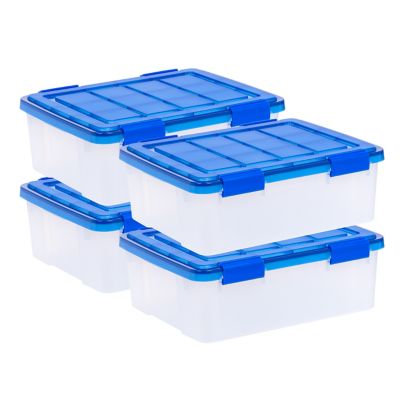
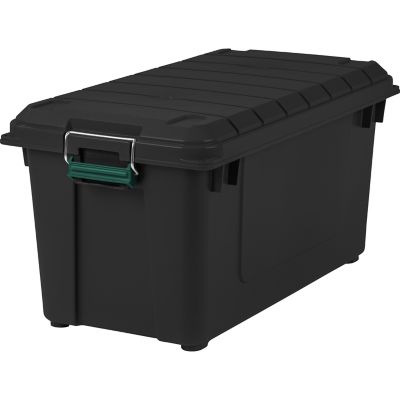
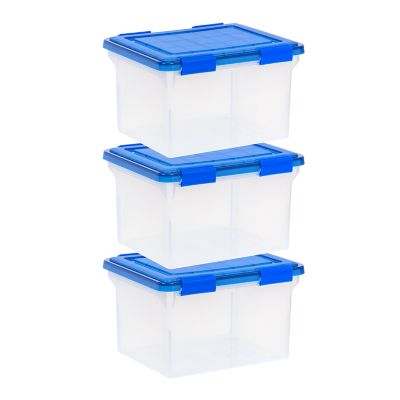
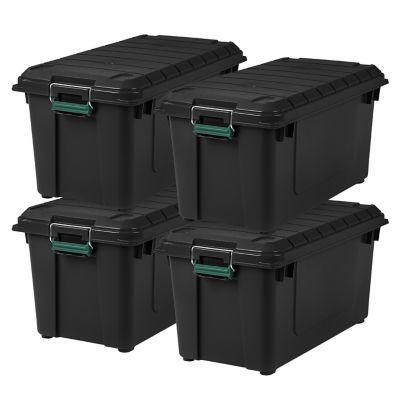
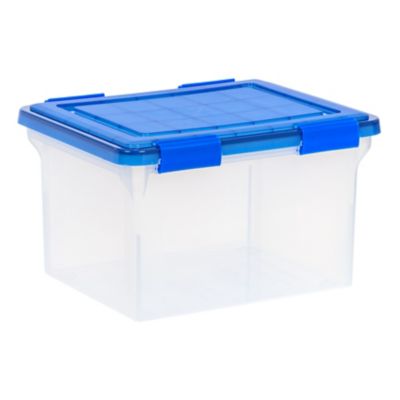
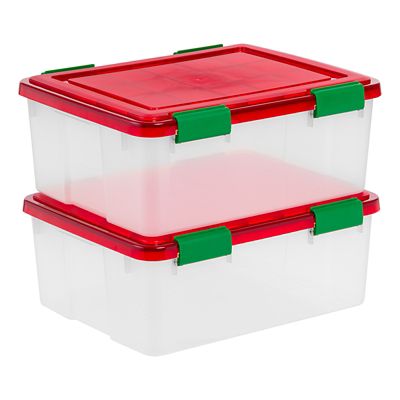
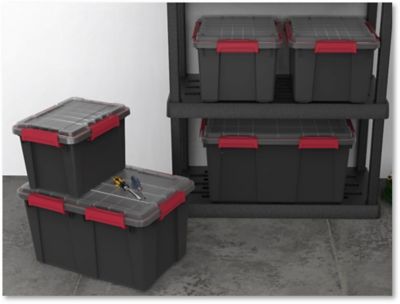
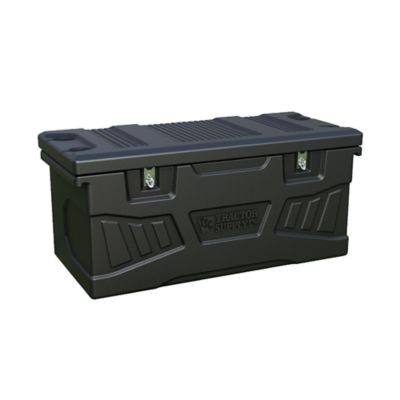
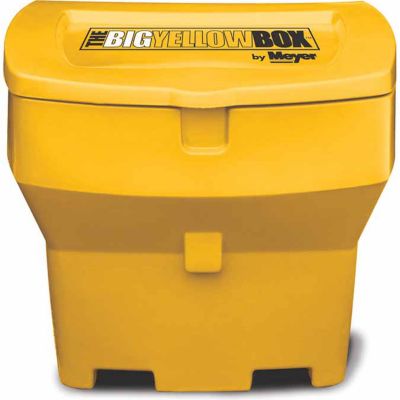
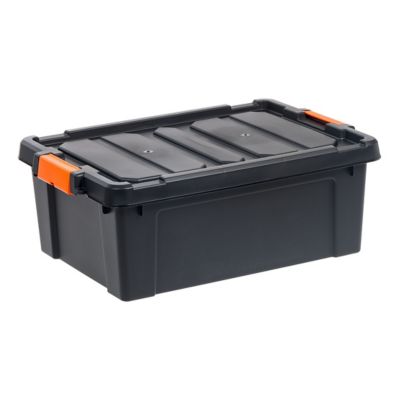
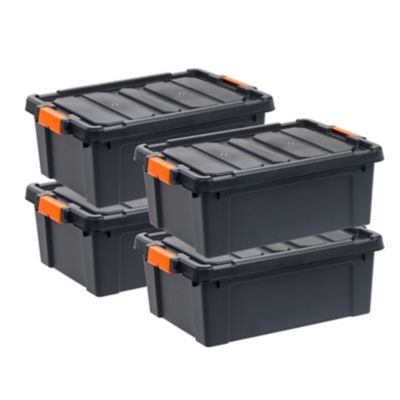
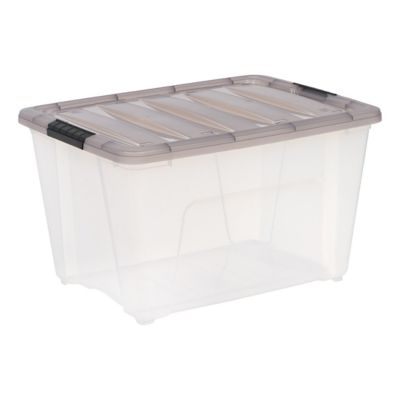
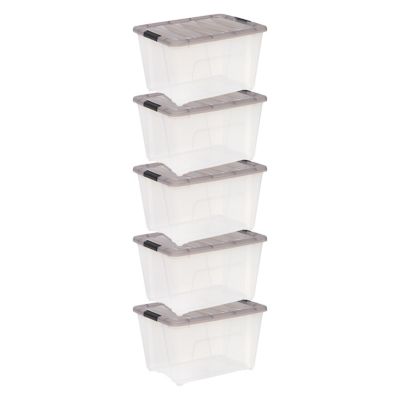
Weather-resistant storage containers help shield tools, cushions, work gloves, and other gear from rain, windblown dirt, and everyday exposure around the house, barn, or workshop. They give loose supplies a home, whether that means keeping gardening gear near the back steps or gathering outdoor seating cushions beside the porch. The level of protection depends on the container’s construction, lid fit, and intended placement. Weather-resistant does not automatically mean waterproof, and a covered lid alone does not guarantee protection against standing water, flooding, or a hard spray from a hose. Overlapping lid edges help shed rain, while a gasket and firmly closing latches can help limit moisture and dust entering around the opening. Look at how those parts work together rather than judging protection by the thickness of the walls alone. Molded resin and polyethylene are common choices because they resist rust and generally need little upkeep. For an exposed location, look for material specifications that address sunlight exposure and the temperatures expected in that spot. Some plastics can become brittle in severe cold, and prolonged sunlight can affect materials without suitable protection. Metal containers offer a rigid shell, with performance depending on the metal, finish, hardware, and seams. Coated steel needs attention where scratches expose bare metal, while aluminum resists rust but can still develop corrosion under certain conditions. Hinges, handles, and fasteners deserve the same attention as the main body, especially where damp ground or blowing rain is common. A raised base can help keep the bottom away from wet surfaces, but it is no substitute for drainage. For homeowners, gardeners, and folks tending a small acreage, the right container puts everyday supplies closer to the job without leaving them scattered across the porch. Keeping a pair of fencing gloves, a kneeling pad, or a coil of hose together can save a trip back to the shed, provided each item is dry and suited to storage in that location.
Size matters just as much as the shell when comparing options in the
Outdoor Storage Containers collection. Listed capacity gives a starting point, but interior dimensions determine whether a long-handled tool, folded chair cushion, or supply tote will actually fit. Tapered walls, rounded corners, and space beneath the lid can reduce the room available for square boxes or tall gear. Measure the largest things going inside, then leave enough clearance to lift them out without catching on hinges or scraping across the rim. A wide opening helps with awkward loads, while a lower wall may make lifting easier for someone who would rather not hoist a heavy bag over a tall edge. Deep containers hold plenty, but smaller belongings can disappear at the bottom unless trays, dividers, or separate bins keep them within reach. Think about the route to the storage spot, too: a container that fits beside the shed still needs to pass through the gate. Leave room for the lid to open fully without hitting siding, a railing, or a low shelf. On a porch or patio, the footprint should leave a clear walking path and keep doorways open. Along an outbuilding, choose firm, level ground that does not collect runoff from the roof. Gravel or another suitable draining surface may help reduce contact with puddles, depending on the container’s installation requirements. Ventilation is another trade-off worth considering. Vents can encourage airflow, but their placement and shielding affect how well they keep out blowing rain and dust. A tightly sealed container limits outside moisture entering through the lid, yet damp contents can still create condensation inside. Dry cushions, gloves, and tools before closing them away, and check them periodically rather than assuming a snug lid solves every moisture problem. For animal feed or birdseed, choose storage labeled for that purpose and retain the bag’s feeding directions and lot information. Plastic walls and a tight-fitting lid alone do not make a container rodent-proof.
Day-to-day handling often reveals which details matter most. A lid that stays open with its intended support makes loading less awkward, and a latch that works smoothly with gloves on is handy when chores carry on through cold or wet conditions. Handles should suit the weight being moved, and wheels need a surface they can roll across without digging in. Even an empty container can be awkward to move in a strong wind, so follow the manufacturer’s placement and anchoring directions where those provisions are included. Never assume a storage lid can serve as a seat, step, or workbench; those functions require an express rating. Likewise, stacking depends on the container’s stated limits, not simply whether one box balances on another. Keep heavy contents low, avoid overloading the base, and make sure stored gear does not press against the lid or prevent a gasket from seating evenly. Locking hardware can help restrict access, but it does not replace appropriate storage precautions around children or hazardous materials. Gasoline, pesticides, and other chemicals require storage that follows their labels and applicable safety requirements, rather than an ordinary enclosed bin chosen only for rain protection. Routine care is straightforward for many containers: brush away grit, wipe away mud, and clean surfaces with products the manufacturer permits. Clear leaves from lid channels and drain openings so water can follow its intended path. Inspect seals for trapped debris, hinges for looseness, and metal finishes for scratches that need attention. After freezing rain, let ice around a latch loosen rather than forcing the hardware or striking a plastic lid. Check inside after a hard storm to spot leaks or condensation before belongings sit damp for days. With sensible placement and regular attention, weather-resistant storage containers help keep the work area tidier and everyday gear close at hand, from the porch steps to the far end of the equipment shed.