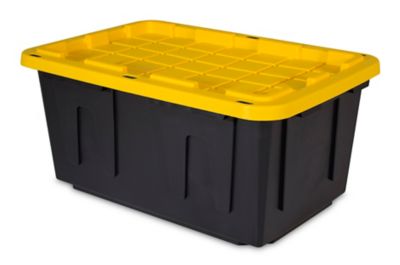
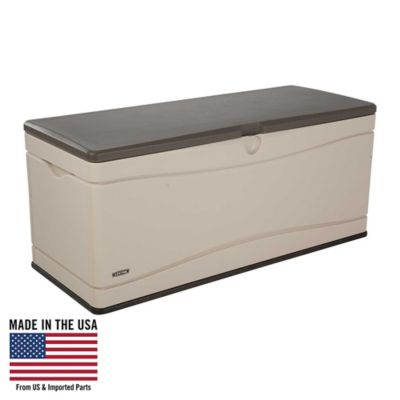
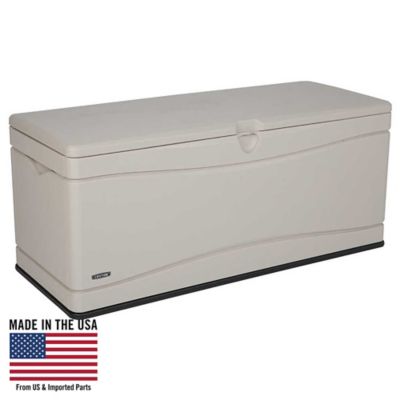
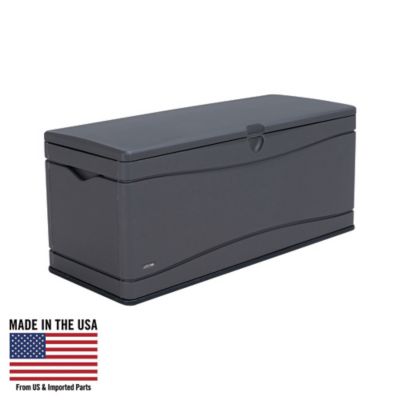
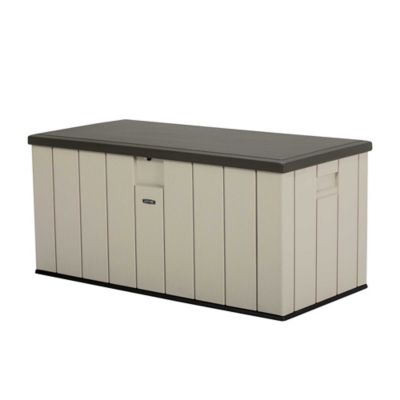
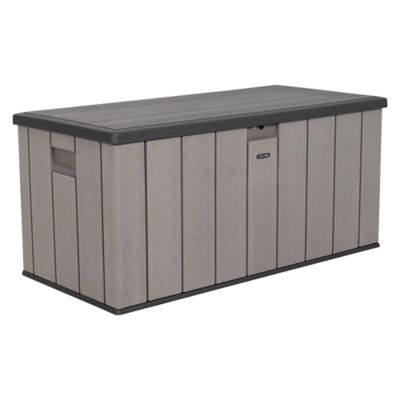
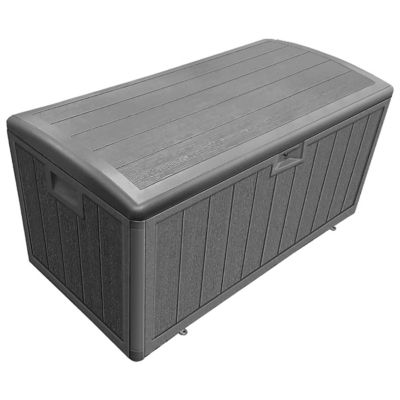
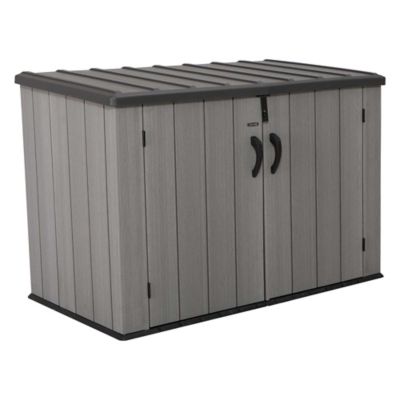
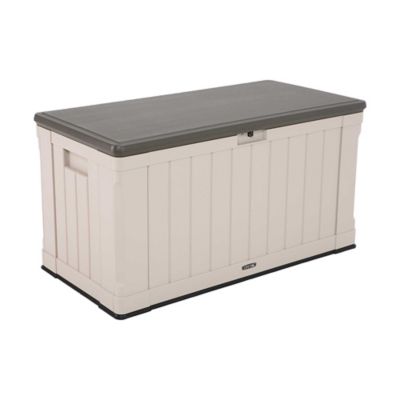
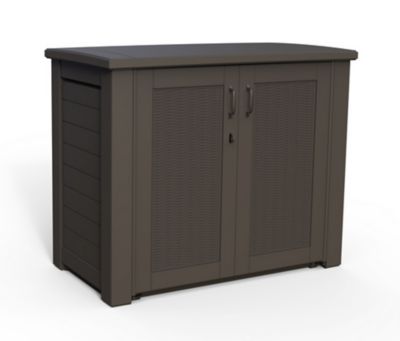
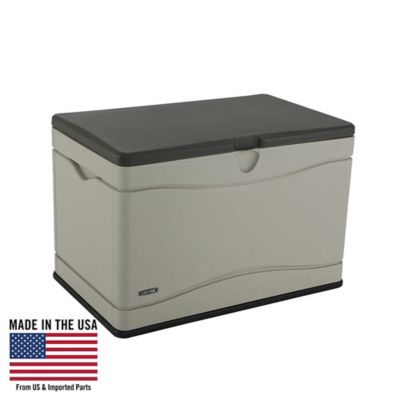
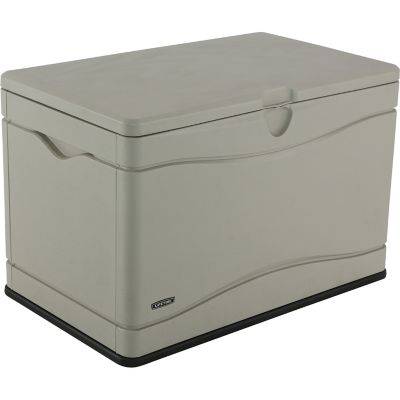
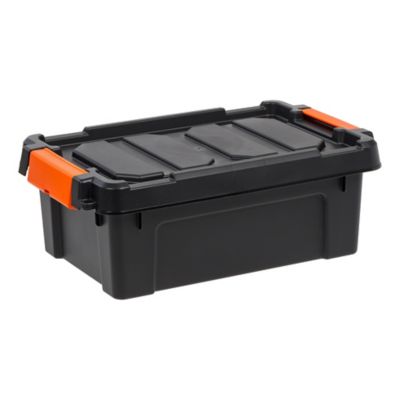
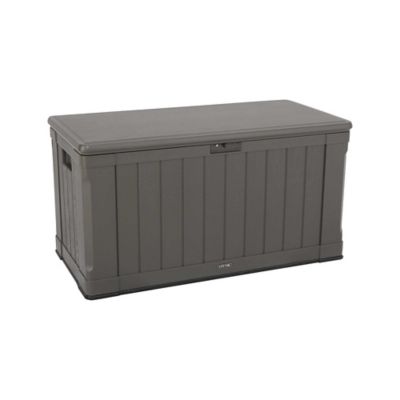
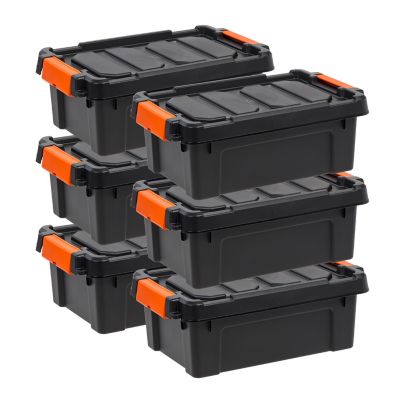
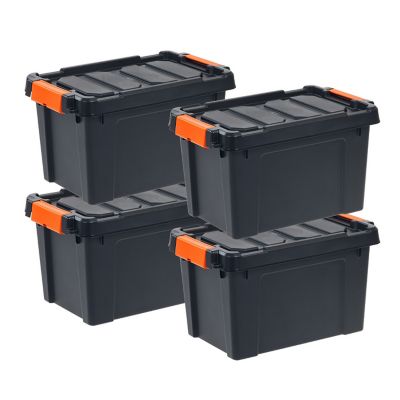
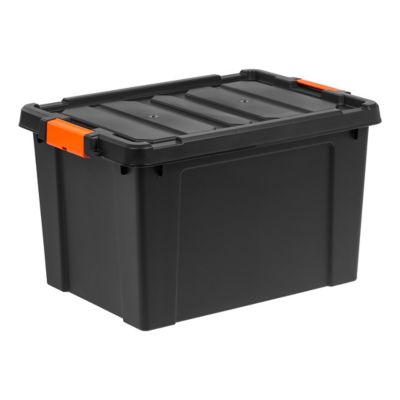
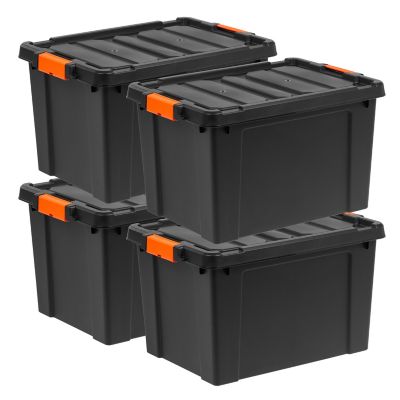
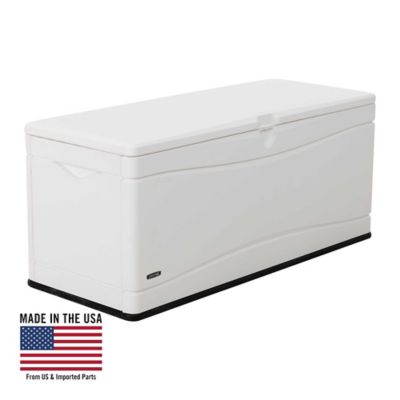
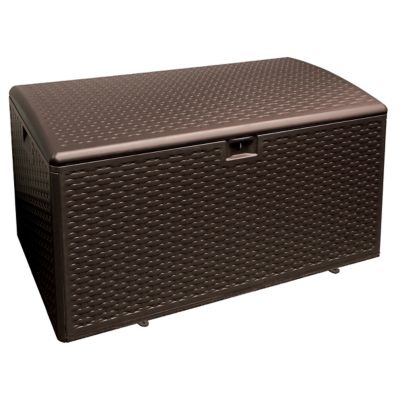
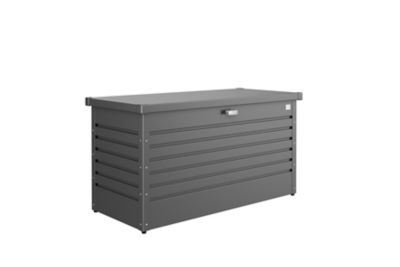
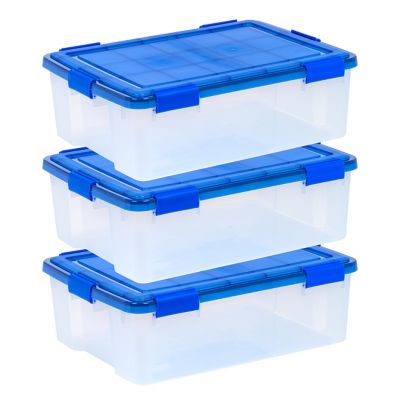
Outdoor storage containers give everyday gear a place close to where the work or play happens, without leaving the porch, deck or yard looking like a catchall. They can hold chair cushions near the patio, gather gardening supplies beside a potting area or keep outdoor toys from spreading across the lawn. The right shape depends as much on the contents as on the space around them. Low, wide deck boxes suit cushions, folded covers and other broad, soft goods, while upright storage cabinets make room for long-handled tools without taking up as much floor space. Storage benches combine a compartment with seating when the design is specifically rated for that purpose. Smaller containers can keep hand tools and frequently reached-for supplies together near a back door or garden gate. Capacity is often listed in gallons, but that number alone does not tell the whole story. Interior length, width and height determine whether a long cushion fits flat, a watering can stands upright or a stack of folded chairs clears the opening. Hinges, lid supports and sloped walls can take up part of the interior, so outside measurements are not a substitute for usable storage dimensions. The opening matters, too: a roomy compartment can still be awkward if a bulky cushion has to squeeze through a narrow lid. For enclosed storage,
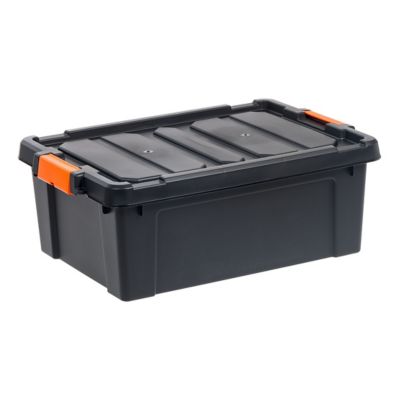
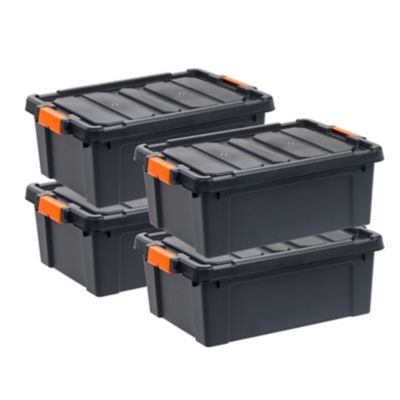
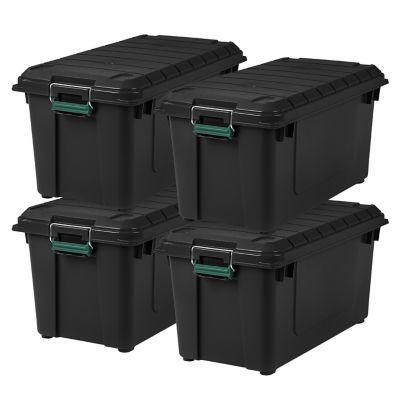
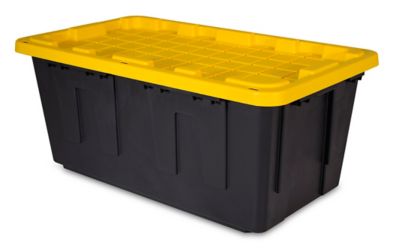
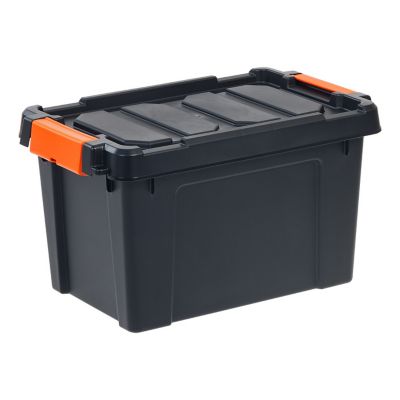
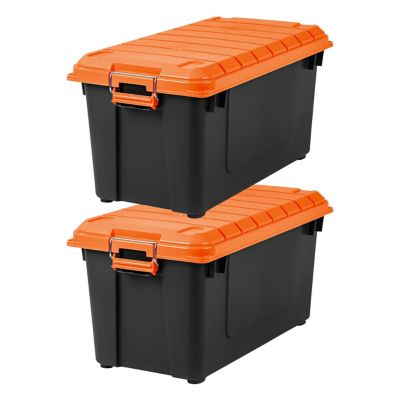
outdoor storage boxes with lids bring lid fit and access into focus alongside capacity. A shallow box makes smaller supplies easier to spot, while a deeper compartment leaves room for larger belongings. Around a busy backyard, keeping frequently reached-for gear near the top helps prevent a whole-box search for one pair of work gloves. A little breathing room inside also makes it easier to put things away without forcing the lid shut or packing soft goods against the hinges.
Material affects a container’s weight, upkeep and ability to handle life outdoors. Resin and plastic storage containers are generally lighter than comparable wood or metal designs, making them practical where moving the container occasionally is part of the plan. Molded surfaces can wipe clean easily, and textured finishes can give a box the look of wood without the same finishing routine. Still, resin is not one uniform material, and wall thickness, reinforcement, hardware and stated outdoor ratings all matter. UV protection can help limit damage from sunlight, but it does not mean a container will never fade or become brittle. Wood brings a natural appearance that sits comfortably beside a porch railing, garden fence or timber bench. Its care needs depend on the species and finish, with some designs calling for periodic sealing or staining according to the manufacturer’s directions. Joints, feet and exposed edges deserve particular attention because lingering moisture can shorten their service life. Metal containers offer a firm enclosure, with performance depending on the metal, protective coating and construction. Scratches that expose steel may need attention to help prevent corrosion, while hinges and fasteners benefit from occasional inspection. Across all materials, weather resistance and waterproof construction are not interchangeable claims. An overlapping lid may help shed rain without keeping out wind-driven water, and a covered hinge does not necessarily mean the entire compartment is sealed. Product specifications should explain the intended level of protection rather than leaving that job to appearance alone. Ventilation is another consideration, especially for textiles and gear that may carry moisture inside. Air openings can help circulation, but they do not replace drying contents before storage. Cushions, towels and fabric covers generally fare better when put away clean and dry instead of being packed tightly while damp. A container’s material and construction work together; neither one tells the full story by itself.
The details that matter most often show up during an ordinary day’s chores. A lid that stays supported while the compartment is open can make loading easier when both hands are full, while a wide handle gives a comfortable grip without requiring a pinch at the edge. Soft-close hardware may help control lid movement, though hands still need to stay clear of hinges and closing edges. A latch can help keep a lid shut, and a lockable design adds a measure of access control, but neither feature automatically makes a container theft-proof or animal-proof. Seating and load limits also deserve a close look. A flat lid is not necessarily a seat, step or work surface, and a stated seating rating is different from the weight the storage compartment can hold. Placement affects everyday convenience just as much as hardware. A level, firm surface helps the body sit square so lids and doors can line up properly. Enough clearance above and beside the container allows it to open fully without bumping a railing, wall or nearby chair. Along a porch or narrow side yard, leaving a clear walking route keeps storage from becoming another obstacle when carrying groceries, moving a wheelbarrow or bringing in a mower. Containers also need to stay clear of gates, exits, utility access and equipment that gives off heat. Once in place, straightforward upkeep helps keep the space inviting: remove loose dirt, wipe spills promptly and follow the material’s cleaning directions rather than reaching for a harsh cleaner by habit. Checking lid supports, hinges and fasteners can catch small problems before access becomes a struggle. Inside, grouping small supplies in removable trays or bins can keep them from settling beneath larger gear. Whether the setting is a farmhouse porch, a compact patio or a backyard gathering spot, outdoor storage containers work best when their size, construction and layout match the belongings—and the daily routines—they are meant to support.