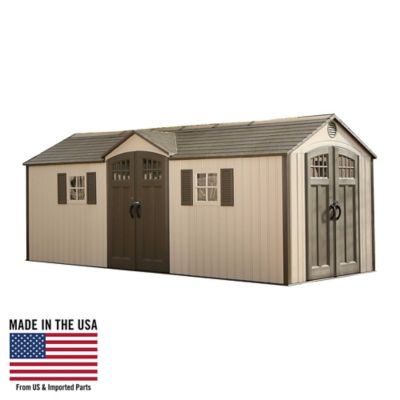
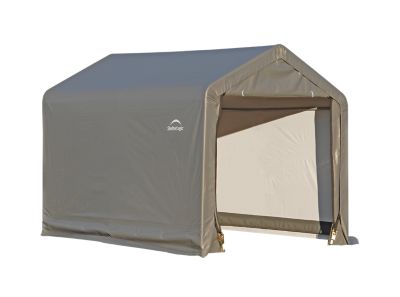
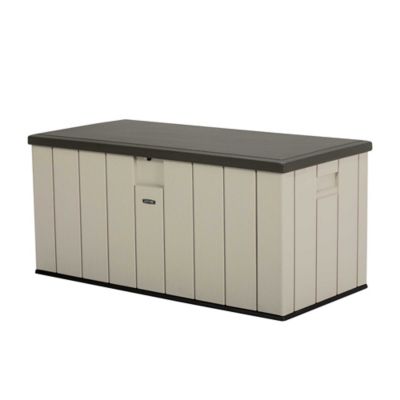
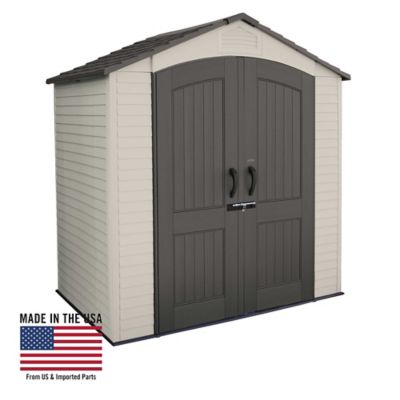
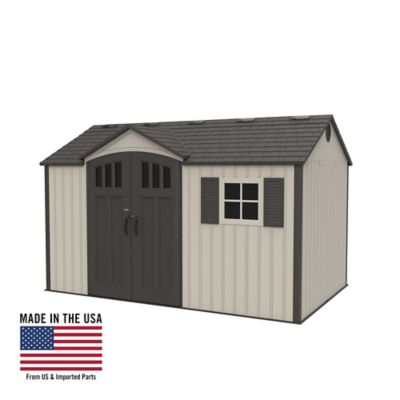
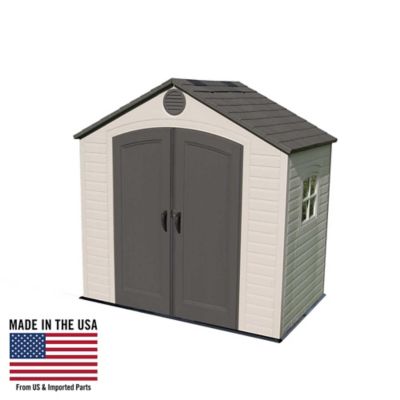
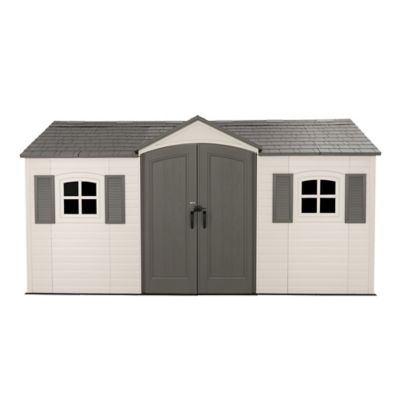
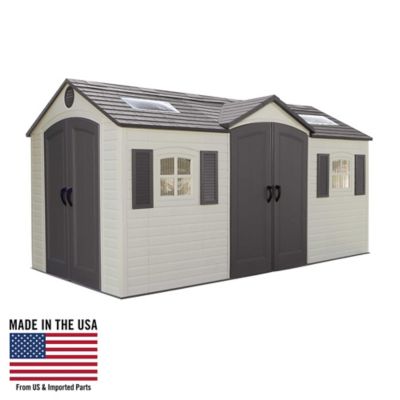
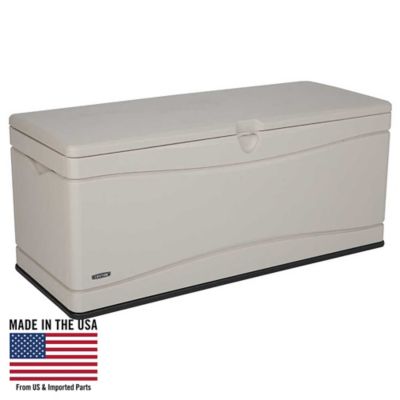
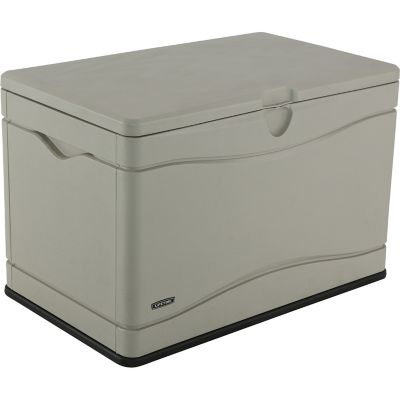
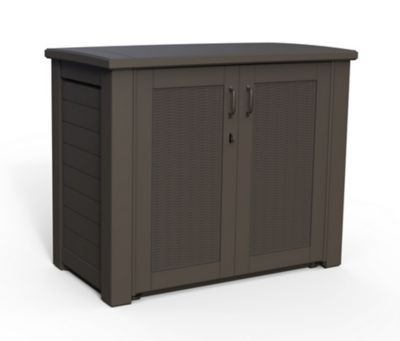
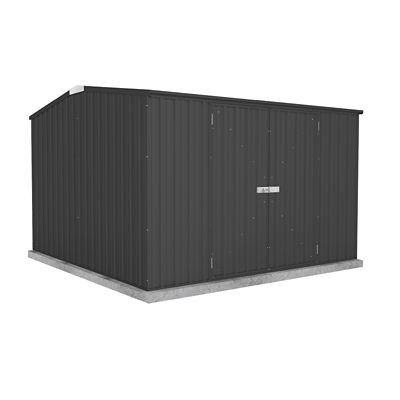
Weatherproof outdoor storage sheds give tools, lawn equipment, and outdoor gear a place out of the rain, wind, and sun without taking over the garage. Around a busy property, that extra space can make the difference between stepping over a mower every morning and having a clear path to the truck. These sheds range from compact structures for long-handled tools and garden supplies to larger buildings with room for wheeled equipment, shelving, and seasonal storage. The best fit depends on more than square footage: wall material, roof design, door clearance, flooring, and anchoring all affect how well a shed serves your space. Weatherproof generally describes a structure built to resist ordinary weather exposure; it does not mean every shed is watertight in flooding or rated for every wind and snow condition. Tight-fitting panels, properly assembled roof seams, and doors that close squarely help limit wind-driven rain, while a raised, well-drained site helps keep water from collecting underneath. For gardeners, small-acreage owners, and folks tending a yard between other chores, nearby storage keeps everyday equipment close to where the work happens. A shed beside the garden can shorten the walk for a rake or watering can, while one near the driveway can make loading outdoor gear less of a scramble. During the cooler months, covered storage also provides a place to put away dry cushions, empty planters, and other belongings that do not need to sit through repeated rain or frost. Picture finishing a muddy afternoon outside and having enough doorway space to roll equipment in without scraping the frame or moving three other things first. That is where a thoughtfully sized shed earns its place. It gives each task a sensible starting point and makes cleanup less of a chore, whether the property is a small backyard, a weekend place, or a few acres with something always needing attention.
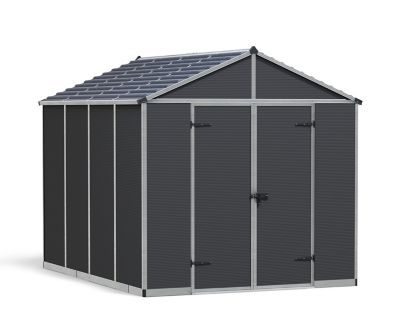
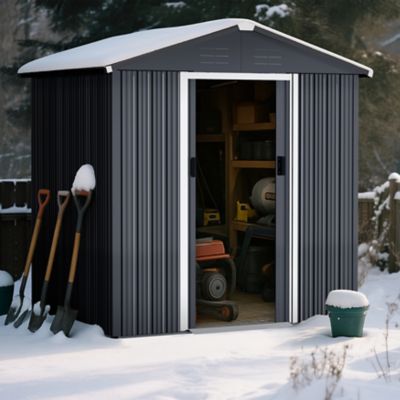
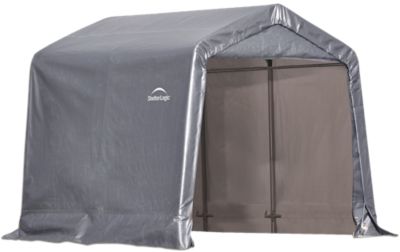
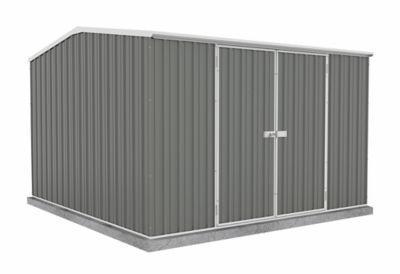
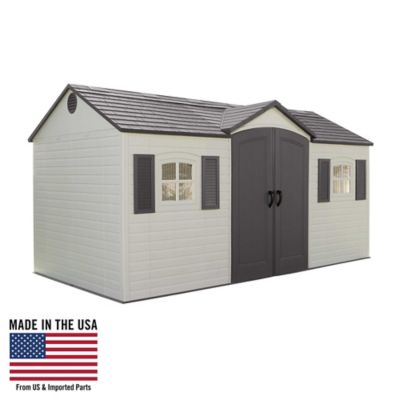
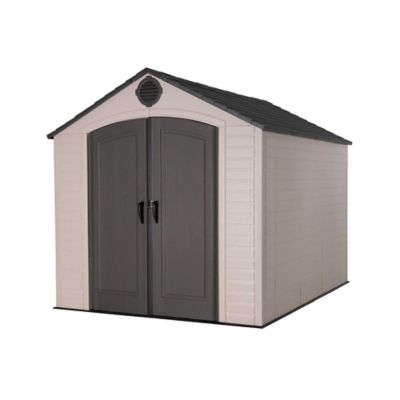
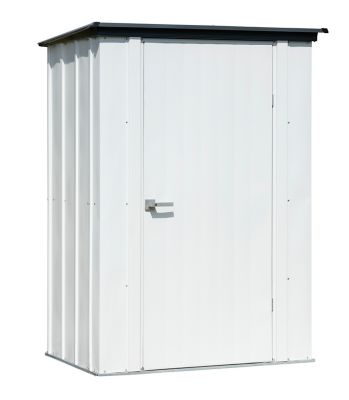
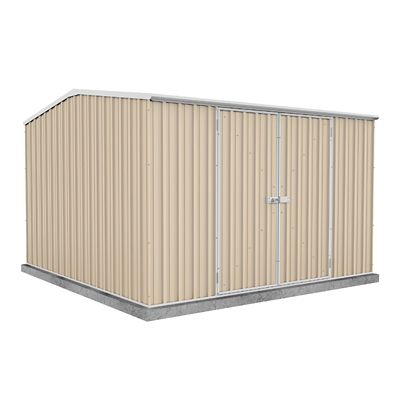
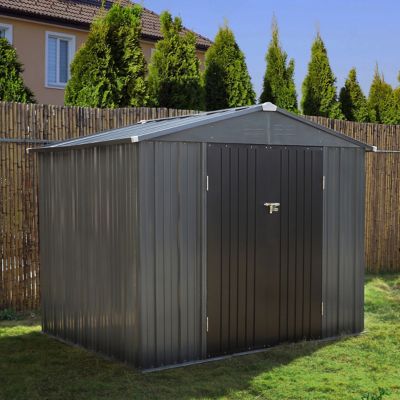
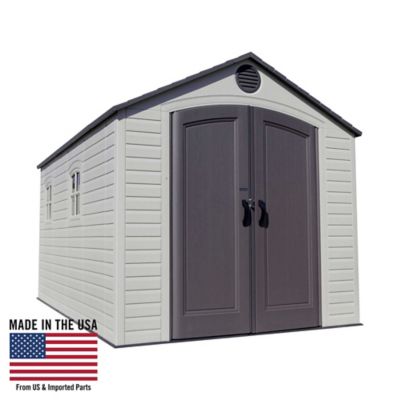
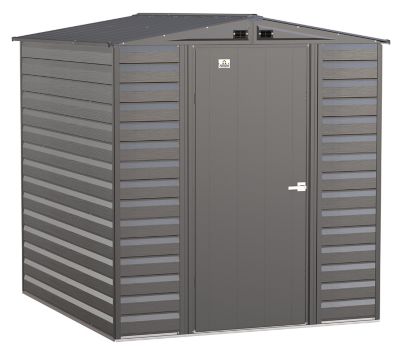
Material makes a noticeable difference in upkeep, appearance, and performance. Resin and plastic outdoor storage sheds do not rust, and their panels resist rot, making them worth considering for damp surroundings. UV-resistant formulations help limit sun damage, though exposure, temperature swings, and construction still matter. Double-wall panels can add rigidity, but they should not be mistaken for the insulation in a finished building. Galvanized steel sheds offer metal construction with a protective zinc coating that helps resist corrosion. Scratches, exposed edges, and prolonged contact with moisture can still become trouble spots, especially where drainage is poor or salty air is a factor. For shoppers comparing metal construction and storage layouts,
Outdoor Metal Storage Sheds offer a closer look at that material category. Wood sheds bring a traditional outbuilding look and can accommodate shelving or interior fittings when the framing and manufacturer’s directions allow it. They also call for ongoing attention to paint or stain, exposed edges, and clearance from damp soil. Across materials, a sloped roof helps shed rain and melting snow, but roof shape alone does not establish snow-load capacity. Published load ratings and local building requirements matter more than appearance when winter weather is part of the picture. Roof overhangs can help direct runoff away from walls and entrances, while gutters, where compatible, can move it farther from the foundation. Ventilation is another useful feature because trapped moisture can lead to condensation on walls, roofs, and stored equipment. Vents encourage airflow; they do not turn an outdoor shed into a climate-controlled room or make it suitable for every chemical or fuel. Storage directions for those materials still apply. Even a well-built shed can feel damp when wet equipment goes straight inside and the doors stay shut. Letting gear dry before putting it away, keeping vents clear, and leaving a little breathing room between belongings and walls all support a cleaner, more practical storage space.
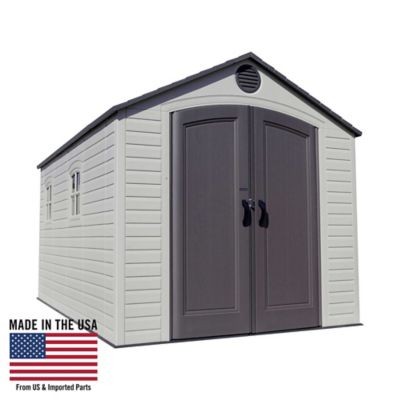
Size and access deserve as much attention as the shell itself. Exterior dimensions tell you how much yard a shed occupies, but interior measurements determine what will actually fit. Door openings, roof height, framing, and shelving can reduce usable room, so a floor plan that looks generous on paper may get tight once equipment is parked inside. A little open aisle space makes it easier to reach the back without dragging everything onto wet grass. Double doors can simplify moving wider equipment, while the threshold height affects how easily wheels pass through the entrance. Any ramp needs to suit both the shed and the weight it will carry. Flooring varies, too: some sheds include a floor, some include only a support frame, and others need a separately prepared base and floor system. A level foundation helps panels line up and doors work properly, and its load capacity needs to match the building and its contents. Concrete, properly prepared gravel, or a supported platform may be appropriate depending on the structure and site requirements. Anchoring is just as important; the shed’s weight alone is not a substitute for the specified anchors. Placement also affects everyday convenience. A firm approach is easier to navigate after a soaking rain, and enough room around the walls allows for maintenance, roof runoff, and vegetation trimming. Local permit rules, property-line setbacks, and utility locations can influence where a shed belongs before assembly begins. Lockable doors add a measure of access control, though they are not a guarantee against theft. For families, keeping sharp tools out of children’s reach also calls for sensible interior organization and secure storage. Homeowners helping a parent make room in the garage, gardeners expanding their work area, and landowners gathering scattered gear under one roof can all benefit from a shed matched to their routines. With suitable materials, a sound base, and room to move, weatherproof outdoor storage becomes a practical extension of the space where the work gets done.