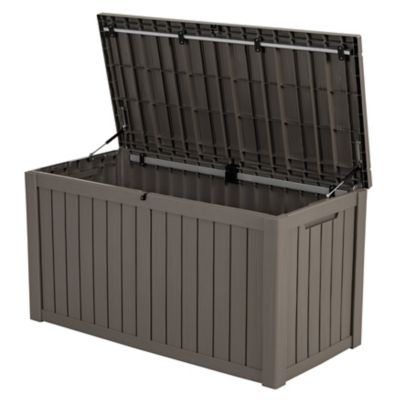
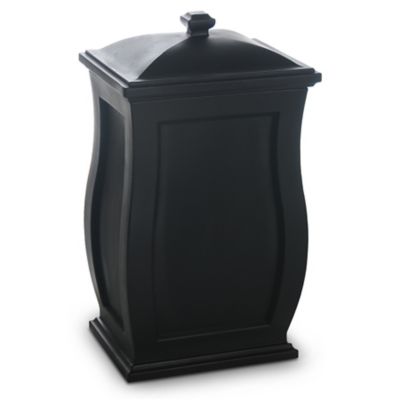
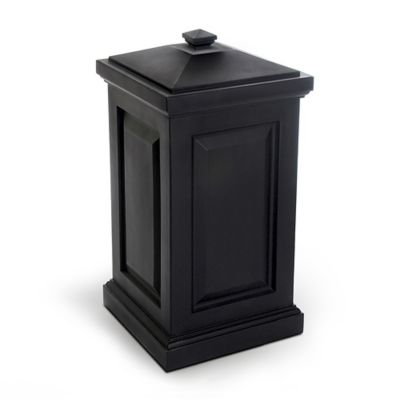
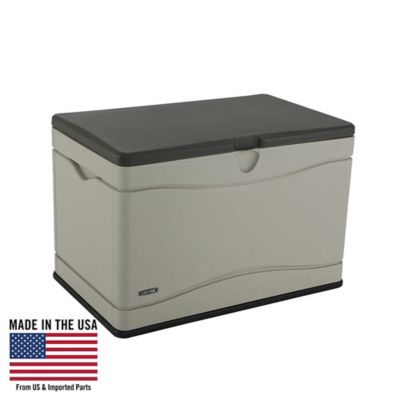
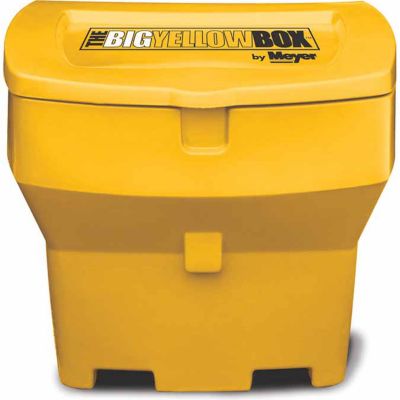
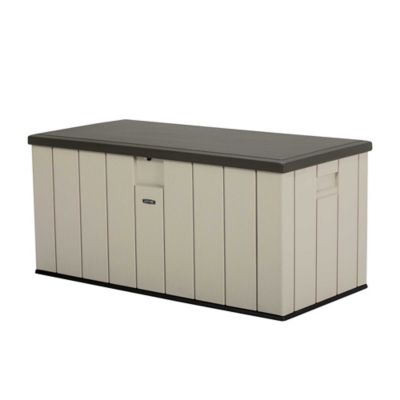
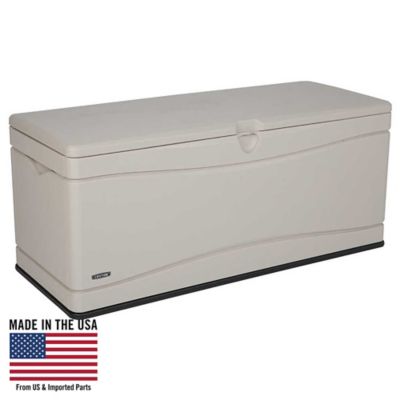
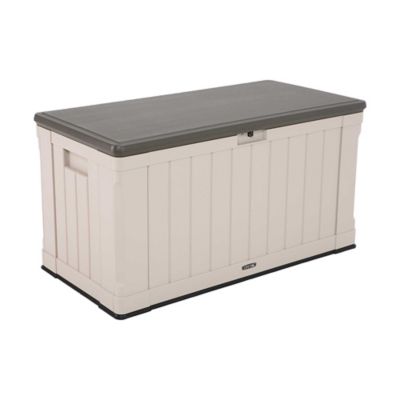
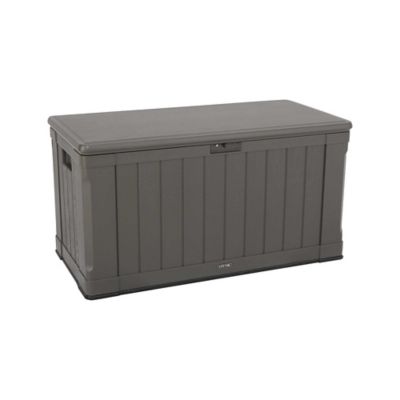
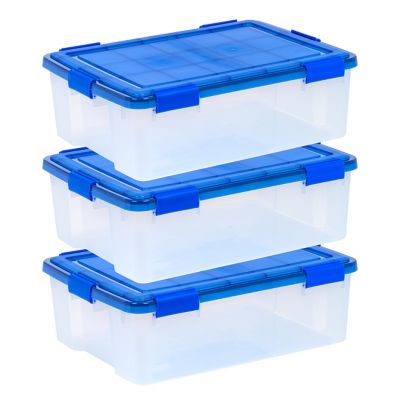
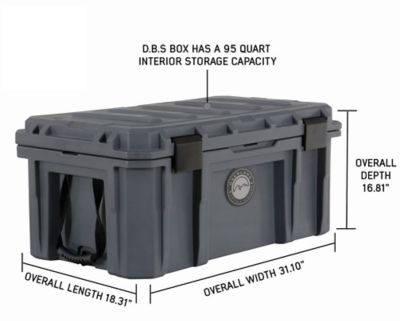
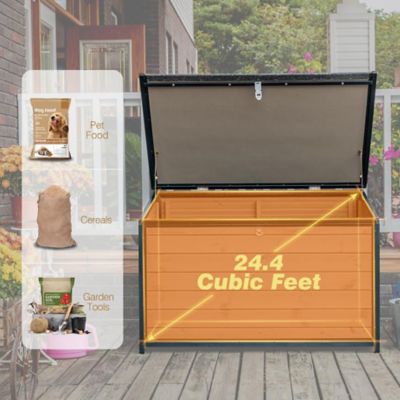
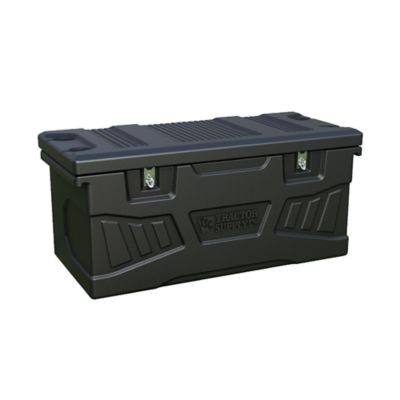
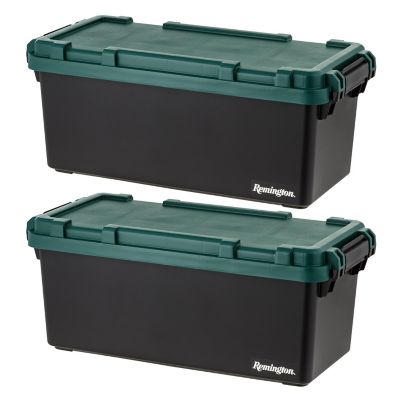
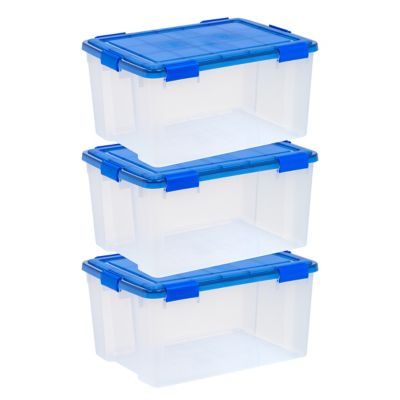
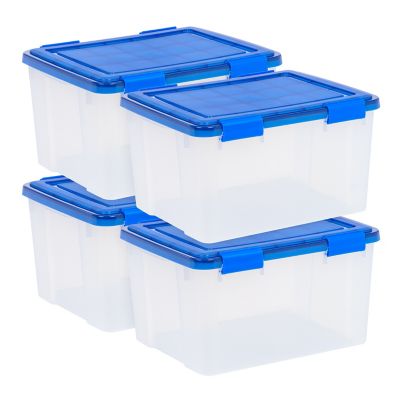
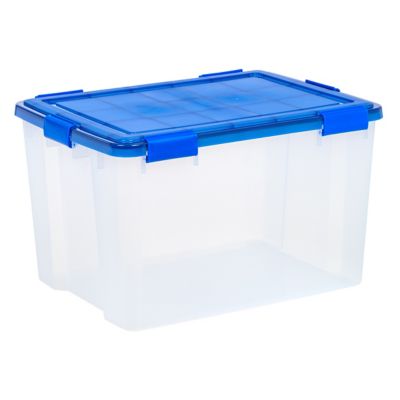
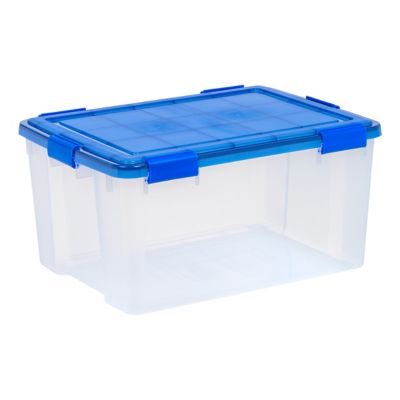
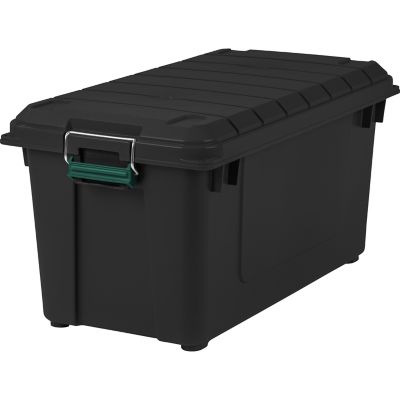
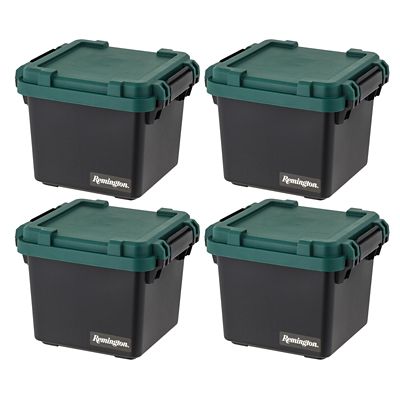
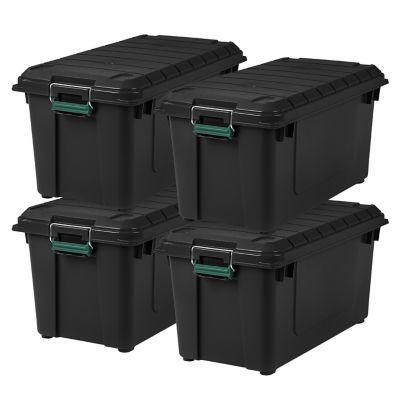
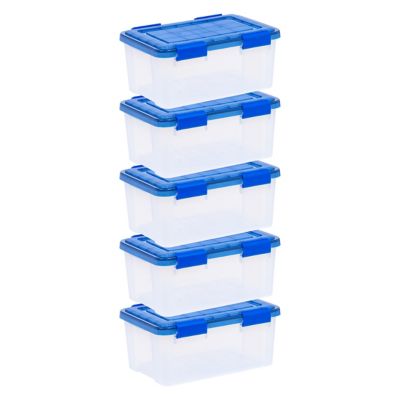
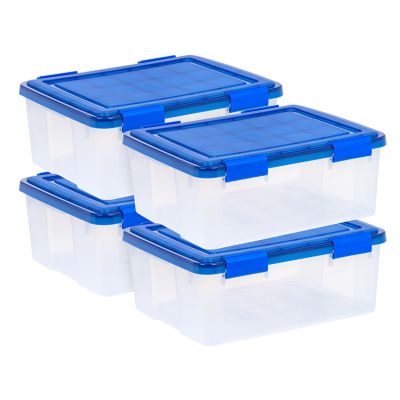
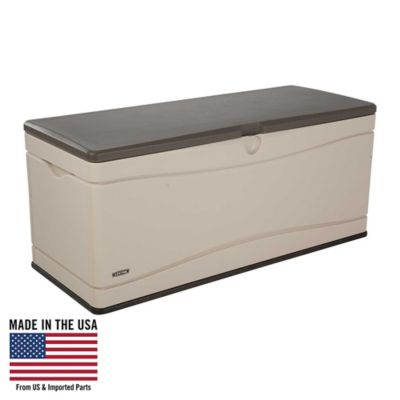
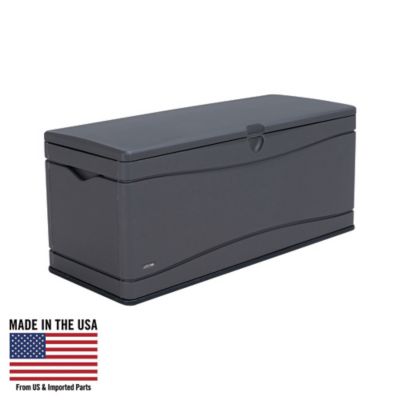
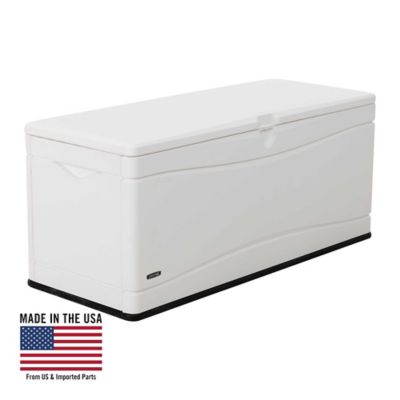
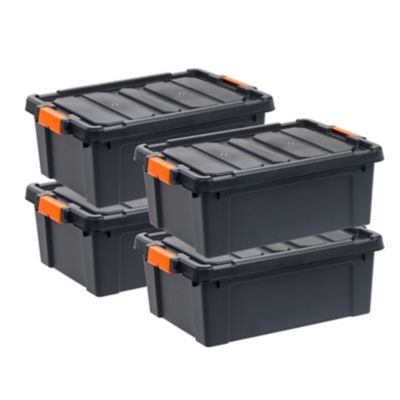
Waterproof outdoor storage bins keep everyday gear close at hand while helping shield it from rain, splashes and windblown dirt. On a back porch, that might mean a dry place for chair cushions and an outdoor throw; beside a garden, it might mean room for empty pots, kneeling pads and hand tools. The right protection starts with the enclosure, not just a tight-looking lid. A waterproof claim and a weather-resistant description do not necessarily mean the same thing. Protection depends on the complete design, including seams, lid overlap, hinges, drainage paths and any gasket around the opening. The manufacturer’s stated protection and placement requirements matter, especially if the bin will sit beyond a roofline. An outdoor storage box intended for ordinary rainfall should not be treated as suitable for standing water, flooding or submersion unless its specifications explicitly allow it. Molded resin and plastic are common choices because they do not rust and are generally straightforward to wipe clean. Polyethylene and polypropylene constructions vary in wall thickness, reinforcement and resistance to sunlight, so the material name alone does not tell the whole story. UV protection helps limit sun damage, while reinforced corners and a well-supported base help a bin hold its shape under an appropriate load. Metal construction offers another option, with protective finishes that help resist corrosion; scratches, joints and hardware still deserve attention. Wood brings a natural look to a porch or patio, though its finish and joints need ongoing care, and wood construction alone does not establish waterproof performance. For households with dogs, busy gardens or plenty of outdoor chores, separating clean textiles from muddy gear makes storage more practical. A cushion chest near the seating area serves a different job than a utility bin near the shed, even when both share a similar shape. Smooth interiors, accessible corners and a lid that directs runoff away from the opening can make either setup easier to live with.
Storage capacity is often listed in gallons, but inside measurements give a better picture of what will actually fit. A generous gallon figure does not guarantee enough length for a wide bench cushion or enough clearance for a tall watering can. Interior width, depth and height all matter, along with the size of the opening and any space taken up by hinges or lid supports. Cushions fit best without being mashed against the lid, and awkward gear needs enough room to lift out without catching on the rim. A broad, low outdoor storage chest can suit folded chair pads and pool accessories, while a taller bin may work better for upright supplies. Dividers, trays or separate containers can keep small garden tools from disappearing beneath larger belongings, provided they do not interfere with the closure. Outside dimensions deserve just as much attention. A bin tucked beside the back door still needs clearance for the lid, nearby doors and a comfortable walking path when someone is carrying a full laundry basket or wearing muddy boots. On a smaller porch, a narrow footprint can matter more than extra capacity. Handles and wheels can help with repositioning, though a loaded bin may still require emptying before a move. Lid supports can make a large top easier to lift and control; soft-close hardware may reduce abrupt closing, but it does not replace keeping fingers clear. Lockable latches add a way to limit casual access, not a guarantee against theft or animal entry. A flat lid is not automatically a seat or work surface, either. Sitting, stacking or setting heavy objects on top is appropriate only when the manufacturer provides a rating for that purpose. For families, lid design and child-access precautions are worth weighing alongside storage space. The best-fitting bin leaves enough room to organize belongings, close the lid fully and reach everyday supplies without unloading everything onto the porch.
Placement and regular care help an outdoor storage bin keep doing its job. A firm, level surface supports the base evenly and helps the lid line up with the rim. Uneven pavers, soft ground or a twisted frame can leave gaps where water finds its way inside. Space beneath a roof edge needs particular attention because concentrated runoff can strike harder than ordinary rainfall. Downspouts, low spots and areas where puddles collect are poor matches for belongings that need to stay dry. A sheltered location can reduce exposure, but it does not change the bin’s stated protection limits. Contents matter, too: cushions, towels and gardening gloves should be completely dry before storage, since a closed box can trap moisture already inside. Condensation can still develop as conditions change, even when rain stays out. Manufacturer-designed ventilation may help manage moisture, while drilling extra holes can compromise water protection and should not be treated as a simple fix. General cleaning often involves mild soap, water and a soft cloth, with the manufacturer’s care directions taking priority for finishes, seals and hardware. Leaves, grit and small twigs along the rim can keep a gasket from making full contact, so that narrow edge deserves the same attention as the larger surfaces. Hinges, latches and lid supports also benefit from periodic inspection. Pool chemicals, fuel and other hazardous materials belong in storage specifically approved for them, not in an ordinary outdoor cushion box. Animal feed calls for a container suited to feed storage and pest protection rather than an assumption that any closed bin will do. For a mower, long-handled equipment or gear that needs more headroom,
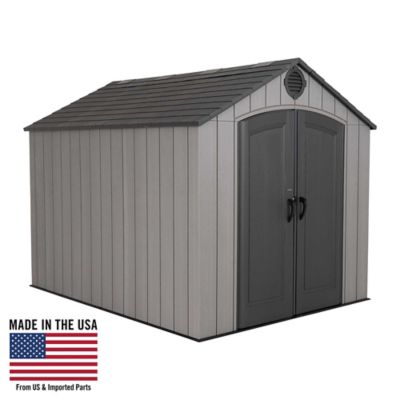
Weatherproof Outdoor Storage Sheds may be a better fit than a low chest. Keeping the container matched to its contents makes everyday chores simpler, whether the goal is clearing the porch steps or having garden supplies ready beside the back gate.