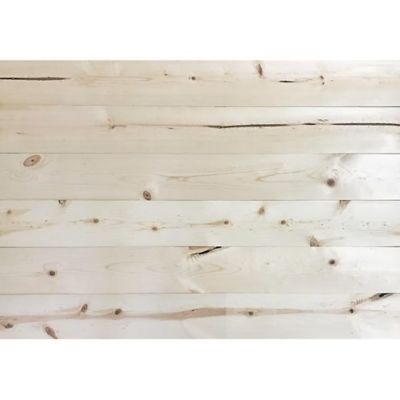
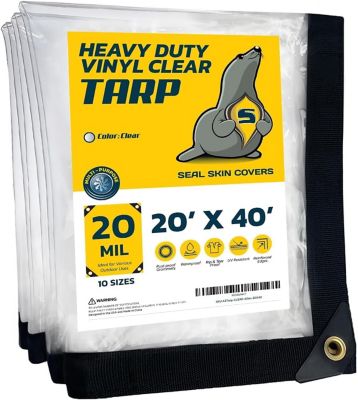
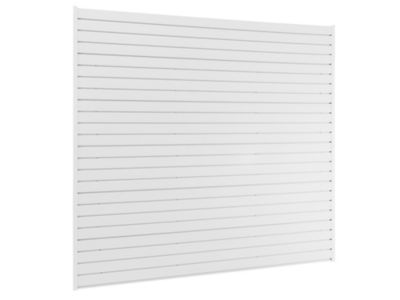
Waterproof PVC Wall Panels
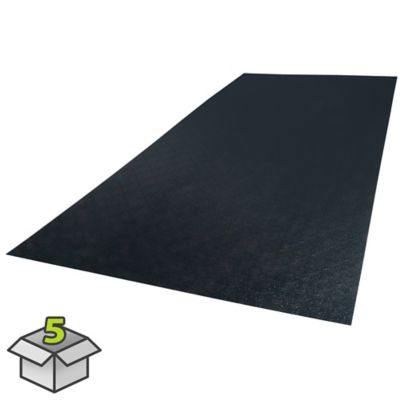
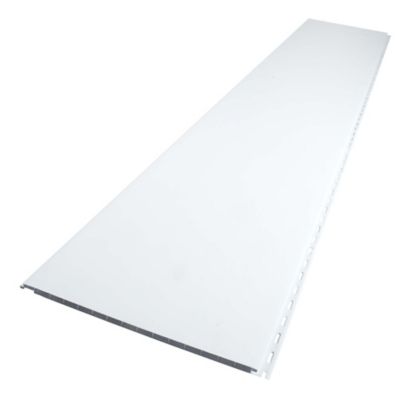
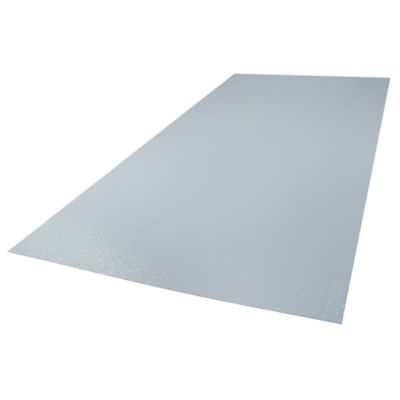
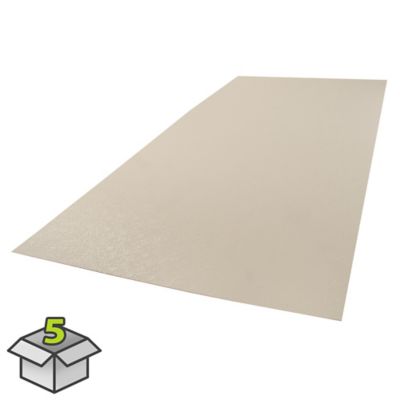
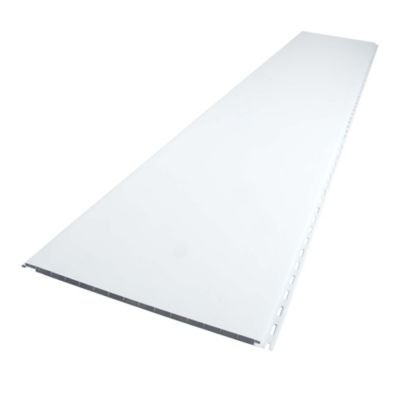
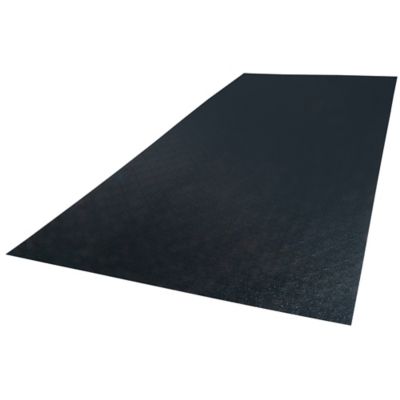
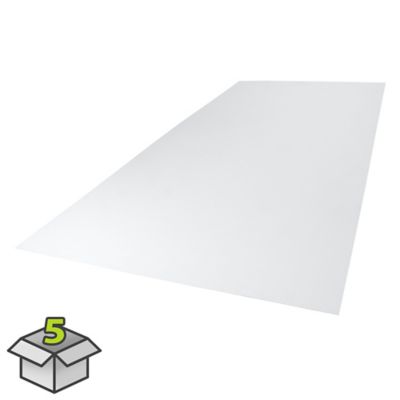
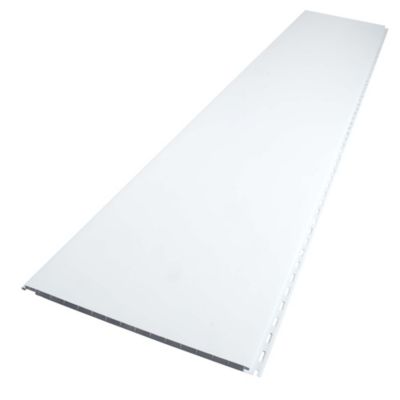
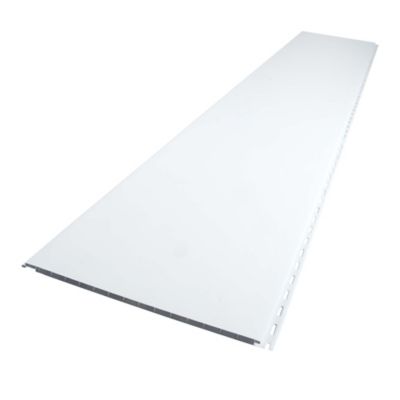
Waterproof PVC Wall Panels are a smart choice for folks looking to add some tough, easy-to-maintain style to their barns, workshops, or utility rooms. Whether you’re fixing up a feed room or giving your garage a fresh look, these panels make it simple to keep things neat and tidy. With their straightforward installation and practical design, Waterproof PVC Wall Panels fit right in on the farm or around the homestead.
$440
.99
Sale Was $489.99 Save $49.00 (10%)
$74
.69
Sale Was $82.99 Save $8.30 (10%)

$92
.69
Sale Was $102.99 Save $10.30 (10%)
$74
.69
Sale Was $82.99 Save $8.30 (10%)
$105
.29
Sale Was $116.99 Save $11.70 (10%)
$83
.69
Sale Was $92.99 Save $9.30 (10%)
$440
.99
Sale Was $489.99 Save $49.00 (10%)
$53
.09
Sale Was $58.99 Save $5.90 (10%)

$526
.49
Sale Was $584.99 Save $58.50 (10%)

$74
.69
Sale Was $82.99 Save $8.30 (10%)
$92
.69
Sale Was $102.99 Save $10.30 (10%)
$440
.99
Sale Was $489.99 Save $49.00 (10%)
$355
.49
Sale Was $394.99 Save $39.50 (10%)
$92
.69
Sale Was $102.99 Save $10.30 (10%)
$62
.99
Sale Was $69.99 Save $7.00 (10%)
$418
.49
Sale Was $464.99 Save $46.50 (10%)

$92
.69
Sale Was $102.99 Save $10.30 (10%)
$92
.69
Sale Was $102.99 Save $10.30 (10%)
$440
.99
Sale Was $489.99 Save $49.00 (10%)

$440
.99
Sale Was $489.99 Save $49.00 (10%)

$355
.49
Sale Was $394.99 Save $39.50 (10%)
$314
.99
Sale Was $349.99 Save $35.00 (10%)
$211
.49
Sale Was $234.99 Save $23.50 (10%)
Best Of FAQ
What are waterproof PVC wall panels used for?
Waterproof PVC wall panels are commonly used to cover walls in areas prone to moisture, such as bathrooms, laundry rooms, basements, and agricultural buildings. They provide a durable and easy-to-clean surface that resists water damage and mold growth.
How do you install waterproof PVC wall panels?
Waterproof PVC wall panels are typically installed by attaching them directly to the wall using adhesives or screws. The panels often feature interlocking edges for a seamless fit, making installation straightforward for both DIYers and professionals.
Can waterproof PVC wall panels be used outdoors?
While many waterproof PVC wall panels are designed for indoor use, some heavy-duty options can be suitable for covered outdoor spaces like patios or sheds. Always check the manufacturer's recommendations for outdoor applications.
Are waterproof PVC wall panels easy to clean?
Yes, waterproof PVC wall panels are very easy to clean. Their smooth, non-porous surface allows you to simply wipe them down with a damp cloth or mild cleaning solution, making them ideal for environments where hygiene is important.
Do waterproof PVC wall panels come in different colors and finishes?
Yes, waterproof PVC wall panels are available in a variety of colors, patterns, and finishes. This allows you to choose a style that matches your decor while still benefiting from the durability and water resistance of PVC.
Best Sellers
-
"What a great way to organize all my garden tools and reduce clutter in the garage"
-
"Great product, good price. Employee even helped loading in SUV"
-
"The stained I used worked great with the raw pine boards"
-
"Great size"
-
"I love how it can use any standard slatwall accessory unlike some of the big box store brands"