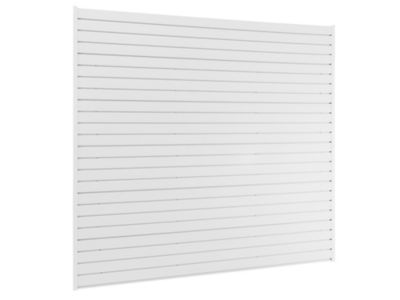
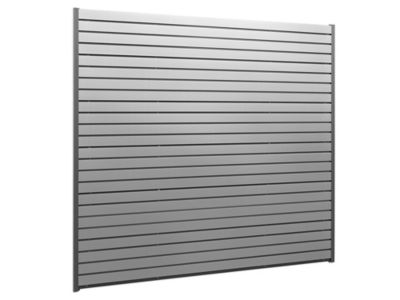
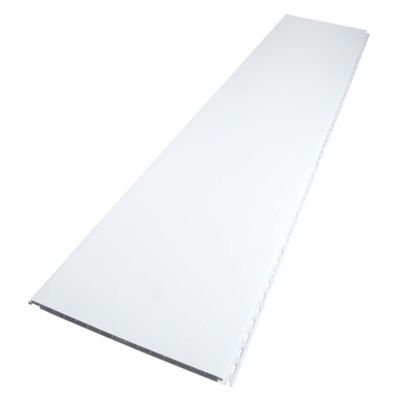
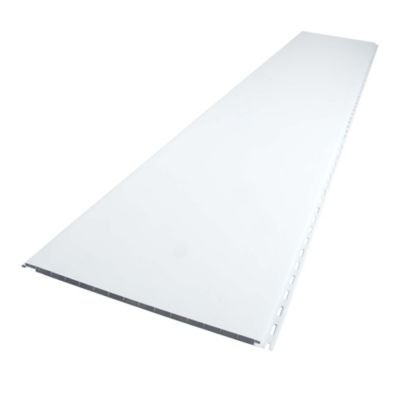
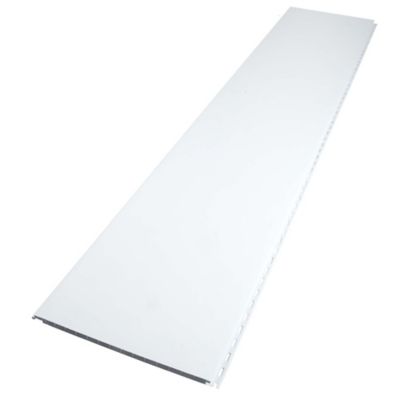
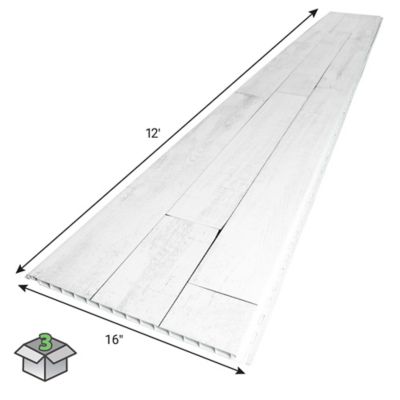
Garage wall panels give a hardworking garage a finished surface that can handle more than bare drywall alone. Depending on the material and design, they can help protect walls from scuffs, simplify cleanup, or create a place to hang tools and equipment. For a garage that doubles as a workshop, mower parking spot, or place to tackle repairs, the right wall covering helps separate the work area from the clutter. Common panel materials include PVC, vinyl, fiberglass-reinforced plastic, plywood, oriented strand board, and medium-density fiberboard. Each brings something different to the job. PVC and vinyl panels generally offer moisture-resistant surfaces, though thickness, impact resistance, fastening requirements, and permitted cleaning methods vary. Fiberglass-reinforced plastic, often called FRP, has a washable face that suits areas where dirt and splashes are part of the routine. These panels may have a smooth or textured finish, with trim pieces that cover edges and connect adjoining sheets. Plywood and oriented strand board, or OSB, bring a wood-based surface to workshop walls and can provide a base for fastening when their thickness, supports, and attachment match the intended load. They still need protection from repeated wetting, especially along cut edges. Medium-density fiberboard, or MDF, provides a consistent surface and appears in some slatwall designs, but moisture limitations matter when choosing where it belongs. Slatwall panels have horizontal channels for compatible hooks, baskets, shelves, and brackets, turning part of the wall into adjustable storage. Some panel systems combine a finished face with those storage channels, while others serve mainly as protective coverings. That difference matters: a washable wall sheet does not automatically support hanging equipment, and a storage panel does not automatically seal the wall behind it. Water resistance at the face also does not make an entire wall assembly waterproof. Seams, fastener holes, exposed edges, and the condition of the wall behind the panels all affect how the installation performs over time.
Panel fit goes beyond matching a sheet to an open stretch of wall. Overall dimensions, thickness, edge profiles, and mounting methods affect how neatly the finished surface meets corners, door trim, cabinets, and the workbench. Full sheets can cover broad areas with fewer seams, while smaller interlocking sections can suit a narrow tool station or a wall interrupted by doors and windows. A lower band of paneling may be enough where rolling tool chests and everyday traffic leave marks; a full-height layout creates a more continuous surface and can offer more room for storage attachments. The footprint of the garage matters, too. Deep hooks and baskets need clearance beside parked vehicles, and shelves should not crowd a door’s travel or reach into the space needed to carry equipment through. Outlets, switches, vents, and required access points need to remain accessible, with openings and clearances that follow the panel manufacturer’s directions and applicable codes. Behind the finished face, wall framing and approved backing do the heavy lifting. Storage capacity depends on the complete setup, including the panel, compatible attachment, fasteners, support spacing, and mounting surface. A load rating for one hook is not necessarily the rating for a whole panel, and a panel rating does not mean every point on the wall can carry that weight. Plywood backing can help distribute attachments when properly specified and installed, but it does not remove the need to account for framing and fastener capacity. Adhesive-only wall coverings should not be treated as hanging systems unless their instructions specifically allow that use. Where a garage connects to living space, panel selection also needs to account for required fire protection. A finished wall covering does not automatically replace the drywall or other construction required by local building rules. Matching the panel system to the actual wall keeps the project grounded in how the garage will function, not just how it will look.
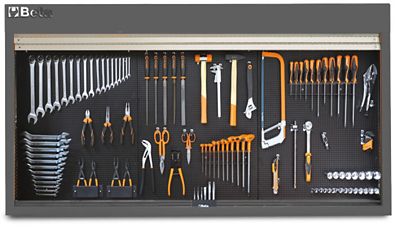
Day-to-day use is where the differences between garage wall panels become easy to see. Around a workbench, the wall may face bumps from long-handled tools, marks from tool cases, and the occasional splash during cleanup. Near a vehicle bay, a wipeable lower surface can make dirt easier to remove, while a storage wall farther from traffic can keep frequently reached-for gear organized. A light-colored panel face can help the space look brighter, and a less reflective finish may be more comfortable behind a bench light. Texture matters as well: a pronounced pattern can make small marks less noticeable, while a smoother surface is often easier to wipe around seams and attachments. Care should match the material rather than follow a one-cleaner-fits-all approach. Mild soap, a soft cloth, and the manufacturer’s cleaning directions are a sensible starting point for many washable surfaces. Strong solvents, abrasive pads, and forceful spraying can damage certain finishes or push water into joints and wall openings. Wood-based panels need attention to damaged coatings and exposed edges, and any persistent dampness behind a panel deserves attention rather than another layer of covering. On storage panels, compatible accessories make rearranging the wall simpler as the work changes. A small-engine repair area may need hand tools close to the bench, while a family garage may need separate places for helmets, extension cords, and yard equipment. For related storage options, visit
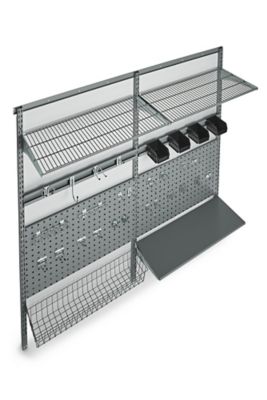
Garage Wall Storage Systems. Keeping heavier equipment lower, leaving room to lift tools off their hooks, and allowing space around cabinets all contribute to a setup that feels comfortable in daily use. For homeowners, mechanics, woodworkers, and folks caring for an acreage, garage wall panels can turn an overlooked surface into a practical part of the workspace. The best match balances surface protection, mounting needs, cleanup, and the kind of work that happens there, whether that means a tidy parking area or a bench that sees steady action.